
French Glazed Display Case
A french glazed display case brings nineteenth-century elegance into a room while protecting treasured objects behind glass.
French Glazed Display Case
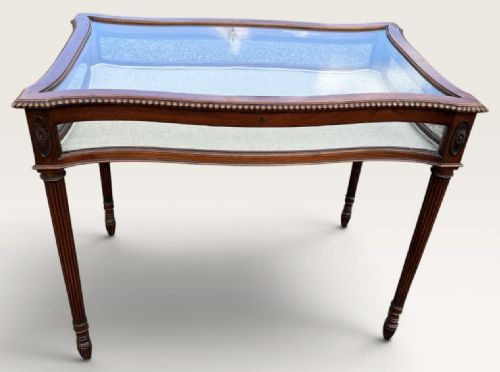
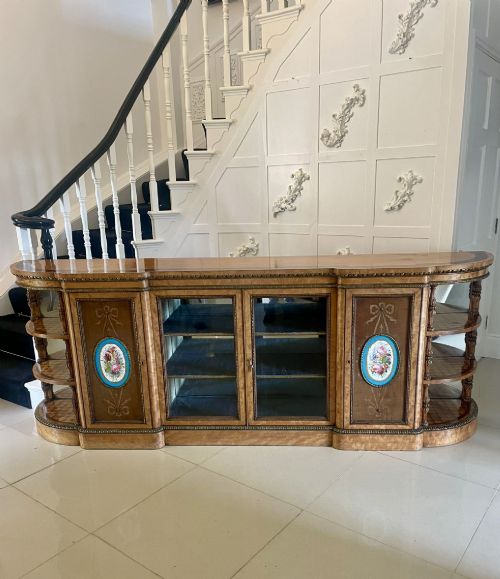
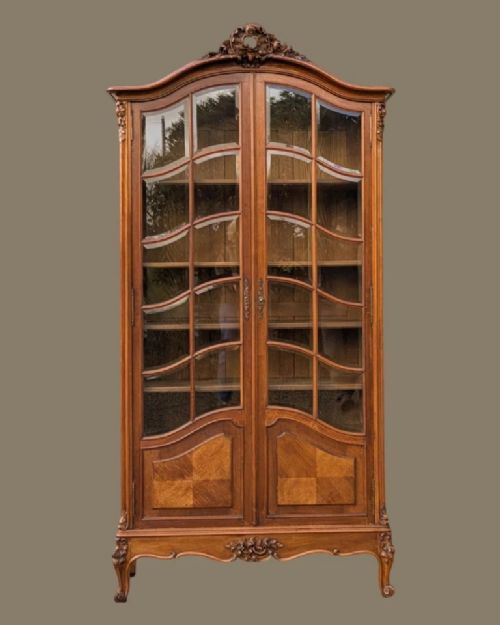
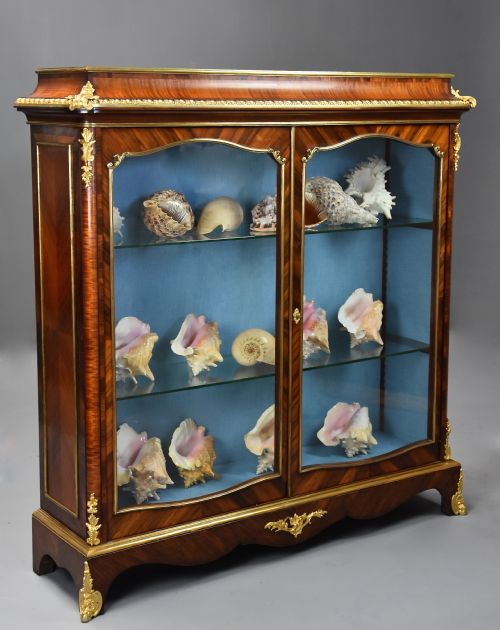
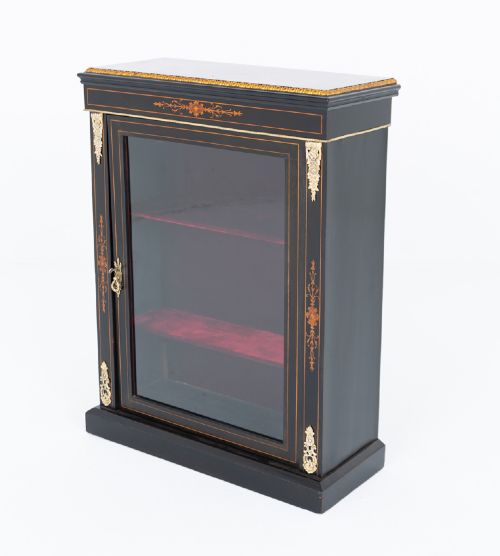
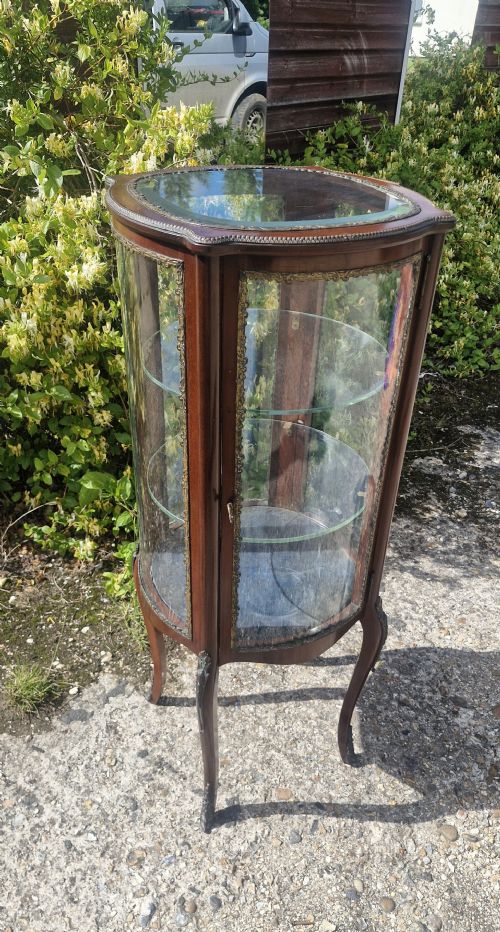
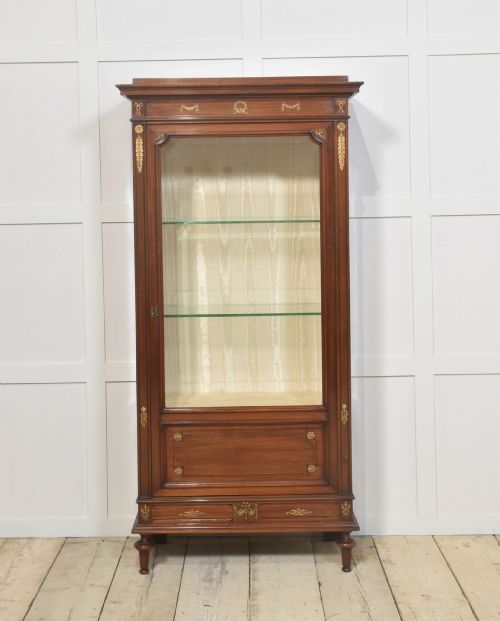
A french glazed display case encompasses vitrines, bijouterie tables, bookcases and pier cabinets originating primarily from the nineteenth century and the Edwardian era. These pieces emerge in styles ranging from Louis XV and Louis XVI revivals to French Provincial and Directoire.
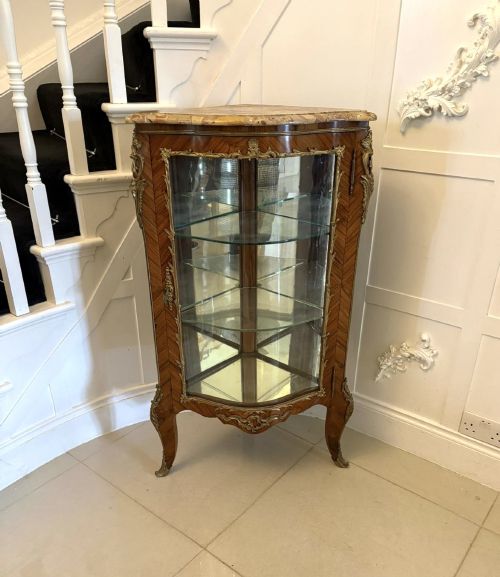
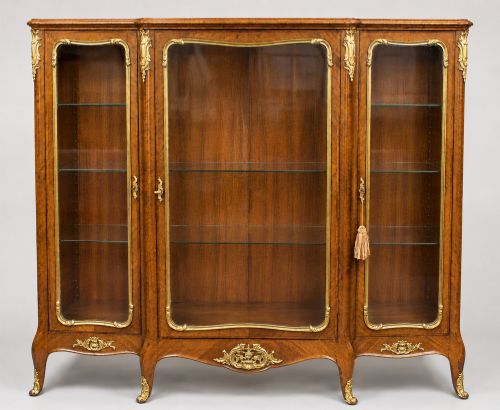
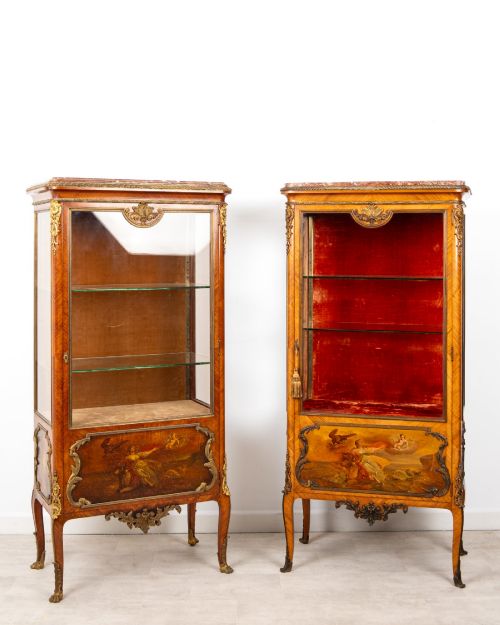
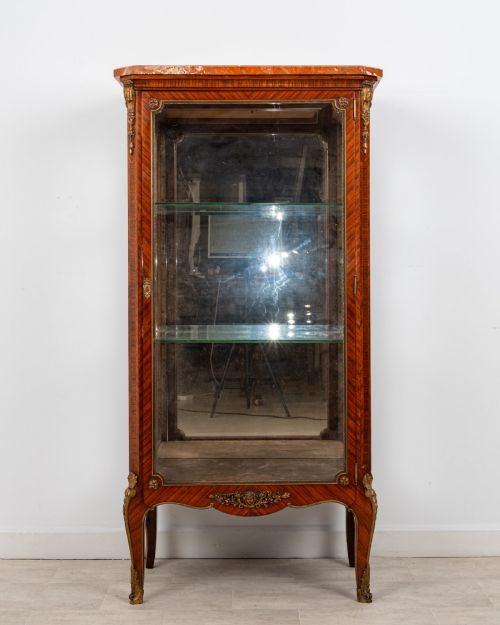
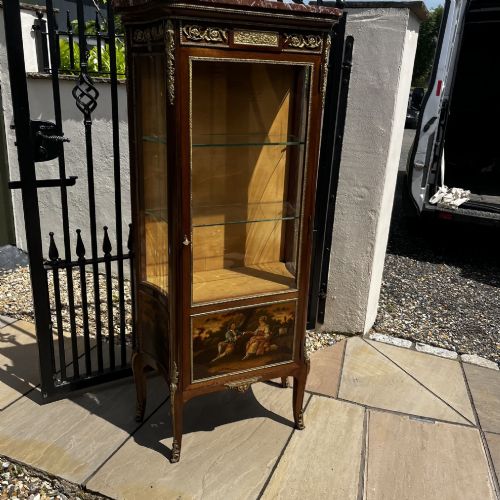
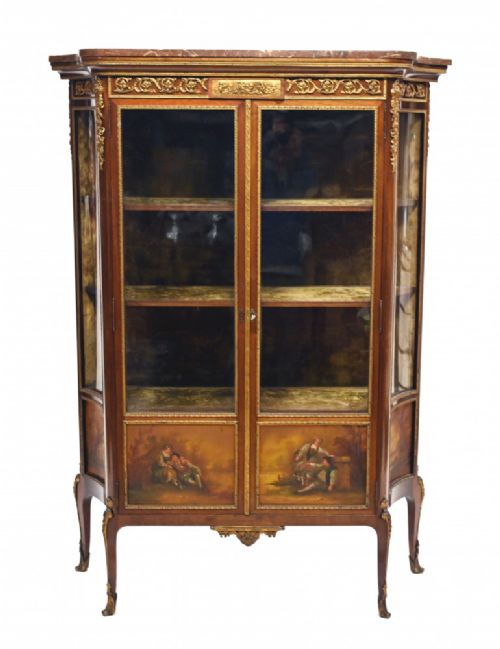
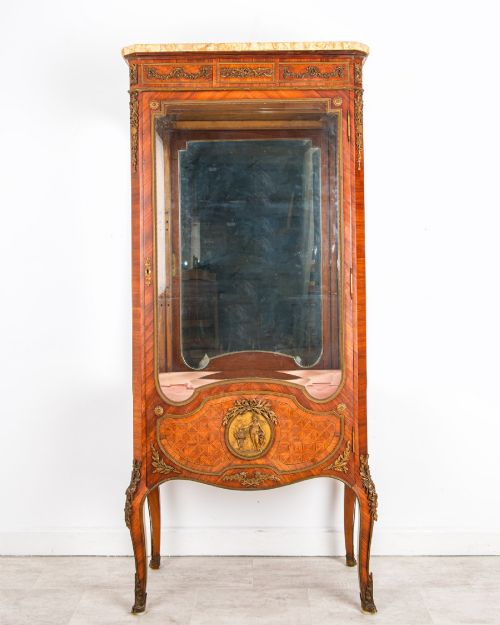
The most frequent examples found here are vitrines and display cabinets fashioned from kingwood or mahogany, often fitted with marble tops and glazed doors for showcasing precious collections.
Cabinet makers also produced specialised variants such as wall-hanging display units, corner cabinets and octagonal jardinieres designed to suit diverse interior spaces.
Materials and construction
Cabinet makers utilised dense hardwoods including kingwood, mahogany, walnut and satinwood, frequently applying elaborate marquetry or Boulle inlay. These timber structures provide the sturdy foundation required for heavy glass panels and stone surfaces.
Gilt bronze and ormolu mounts accentuate the exterior forms, framing the glazed doors and corners with cast metal detail. Marble tops frequently complete the upper surface of kingwood and walnut vitrines.
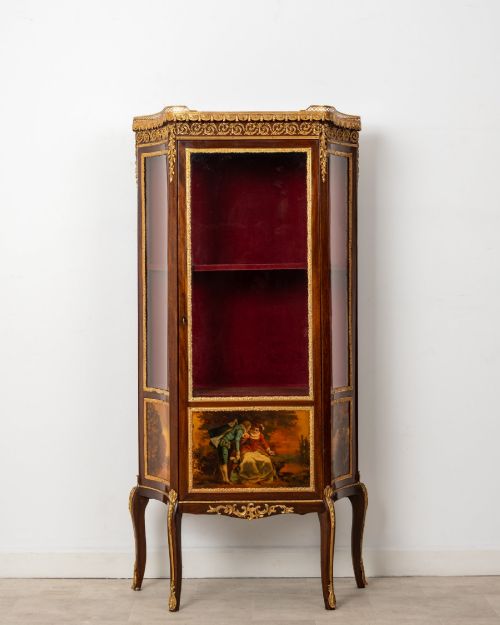
Interior surfaces often utilise velvet lining to cushion displayed items, while specialist painted decoration such as Vernis Martin adorns select mahogany and kingwood panels.
Table-top sedan vitrines allowed owners to transport their favourite miniatures safely inside horse-drawn carriages before displaying them upon arrival.
Distinctions in execution
The sophistication of the ormolu mounts and the precision of the marquetry inlay separate standard productions from exceptional pieces. Master workshops employed finely chased gilt bronze that fits the timber contours without gaps.
Timber selection and veneer matching dictate the visual depth of the cabinet body, with figured kingwood and burr walnut demanding higher levels of joinery skill. The clarity and thickness of the original glass panels also indicate the original tier of manufacture.
François Linke·G. Durand
The French Glazed Display Case Glossary
- Vitrine
- A glass-fronted cabinet designed for displaying porcelain, curiosities and objets d'art. These pieces typically feature glazed sides to maximise light penetration.
- Ormolu
- Gilt bronze ornamentation applied to furniture, cast and hand-chased to produce decorative mounts and borders. This material catches the light and highlights the structural lines of the cabinet.
- Vernis Martin
- A simulated Japanese lacquer technique developed in eighteenth-century France, replicated on later cabinets using fine painted varnish scenes. It appears on select mahogany and kingwood panels.
- Boulle inlay
- Decoration formed from tortoiseshell and brass marquetry, traditionally associated with seventeenth-century cabinet making and revived during the nineteenth century. This intricate work requires precise cutting of thin metal and shell sheets.
- Bijouterie table
- A glass-topped display table intended for smaller personal items and jewellery, often raised on slender cabriole legs.
French Glazed Display Case: Frequently Asked Questions
What is a french glazed display case used for?
These cabinets were originally built to display porcelain, silver, miniatures and treasured decorative objects within a drawing room or salon. The glass panels protect delicate collections from dust while allowing full visibility from multiple angles.
Today, they serve the same purpose in modern interiors, offering a refined way to curate and present small collections of antiques or personal artefacts.
How do I identify the period of a vitrine?
Dating relies upon examining the timber species, construction methods, and stylistic revival cues such as Louis XV or Directoire motifs. Nineteenth-century pieces frequently feature hand-cut dovetails and heavy cast ormolu, whereas Edwardian examples may show slightly lighter framing.
Matching the hardware style and veneer patterns against known nineteenth-century production standards helps narrow down the decade of manufacture.
Where should I place a display case?
Position your cabinet away from direct sunlight to protect interior velvet linings and delicate wooden veneers from fading. Placing the piece against a sturdy interior wall ensures stability, particularly for taller vitrines fitted with heavy marble tops.
Ensure there is sufficient clearance around glazed doors and any hinged top panels found on bijouterie tables for easy access.
How do I care for marble and ormolu?
Clean marble tops gently with a soft cloth and warm water, avoiding acidic cleaning agents that can etch the polished stone surface. Dust ormolu mounts lightly with a dry brush to preserve the gilt finish without stripping the metal.
Regular gentle maintenance keeps the bronze and stone components stable without altering their historic surface patina.