
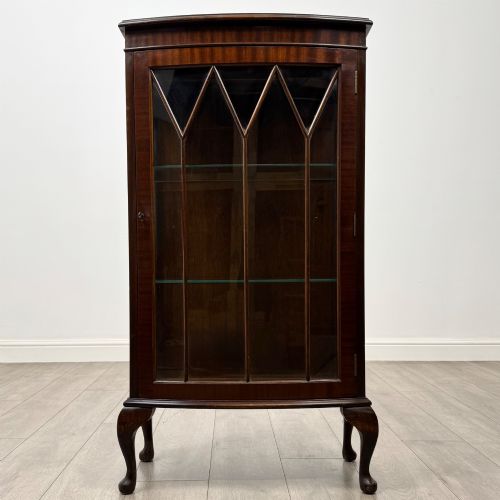
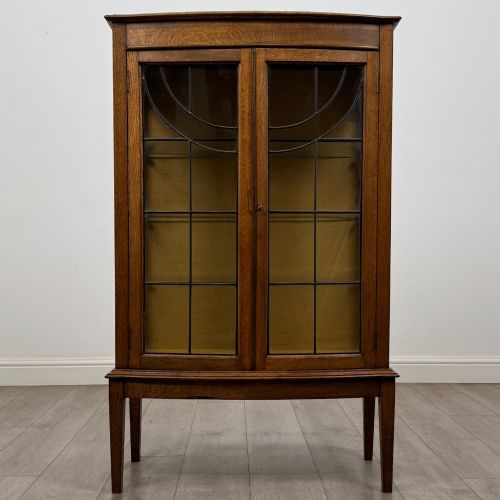
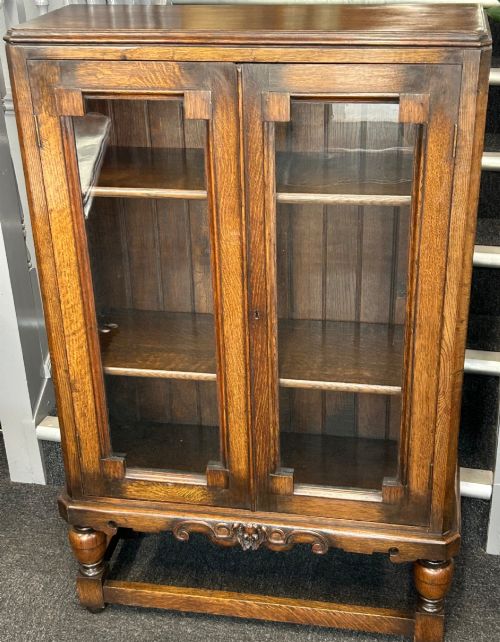
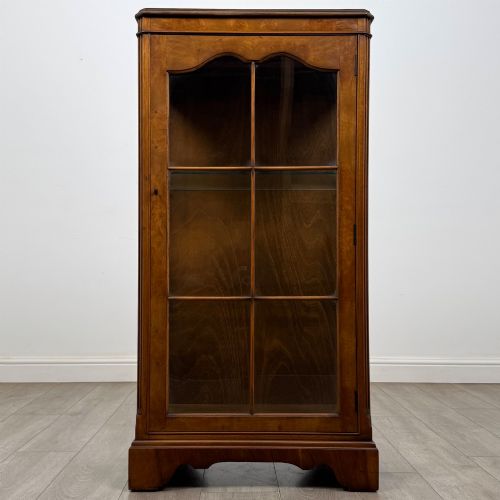



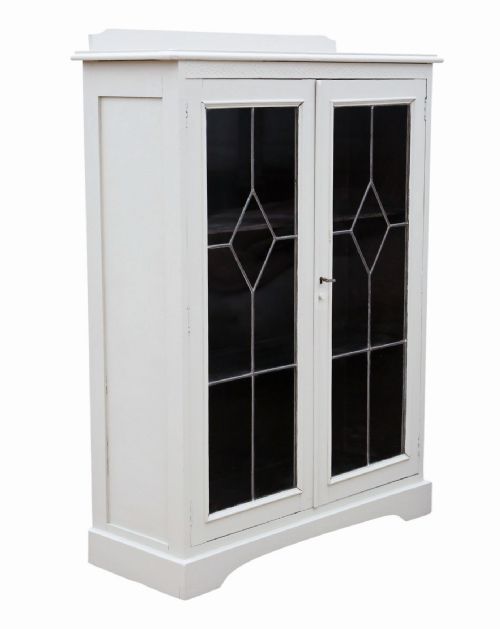
Small Glass Vitrine Cabinet
A small glass vitrine cabinet holds precious objects behind transparent panels, bringing light and elegance to any room.
Small Glass Vitrine Cabinet
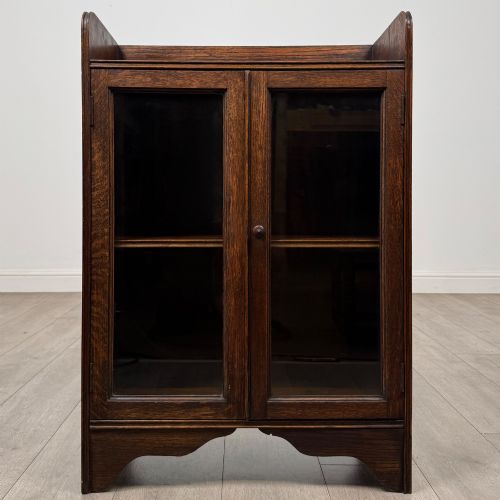
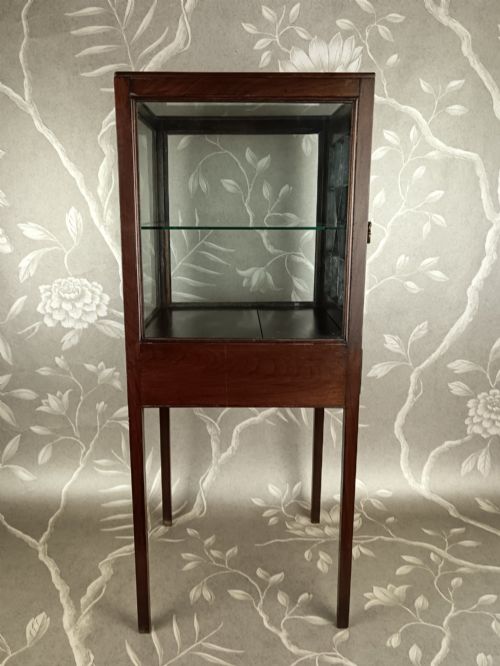
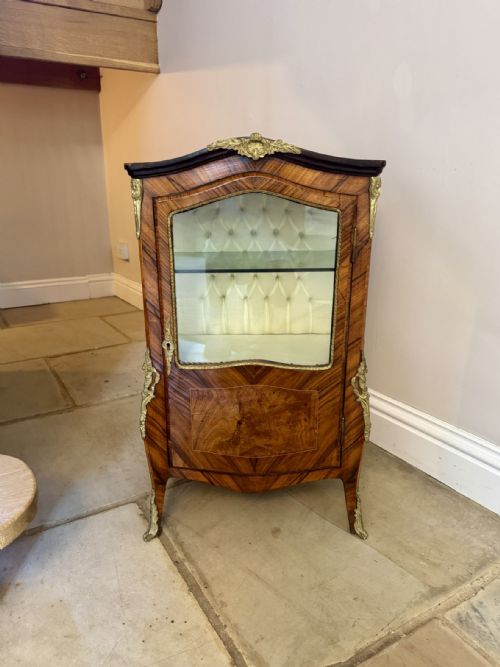
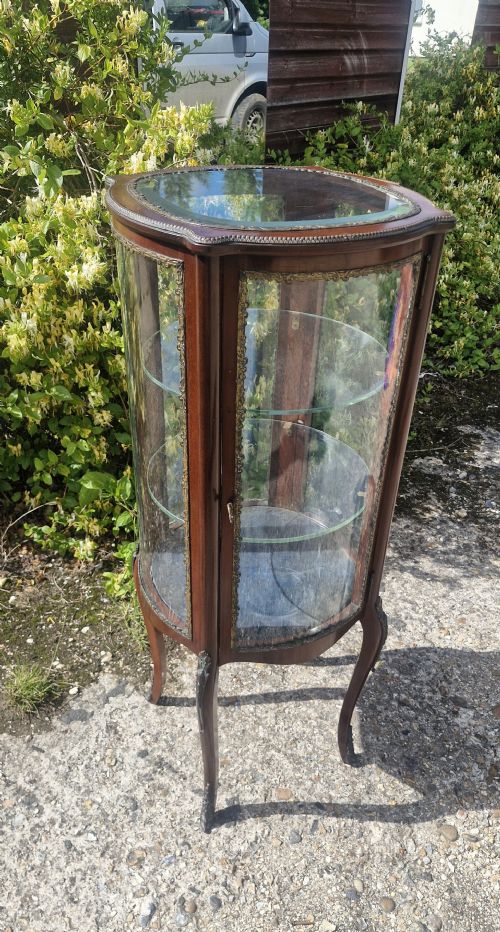
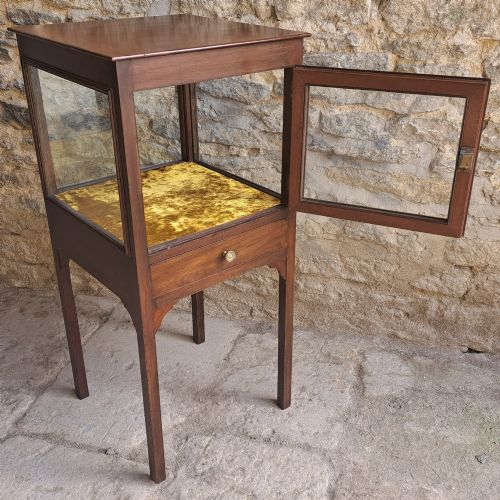
A small glass vitrine cabinet functions primarily to showcase ornaments, porcelain, and small treasures while protecting them from dust. Buyers searching for this phrase encounter various forms, including freestanding floor models, countertop display cases, wall-mounted units, and delicate bijouterie tables with glazed tops.
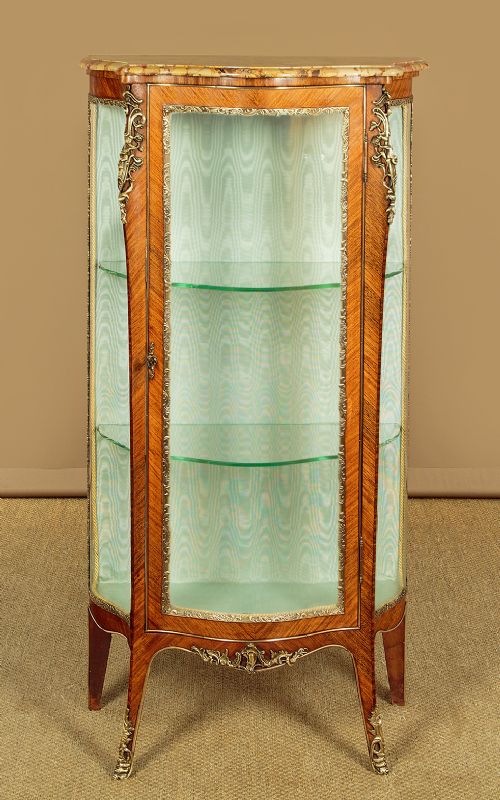
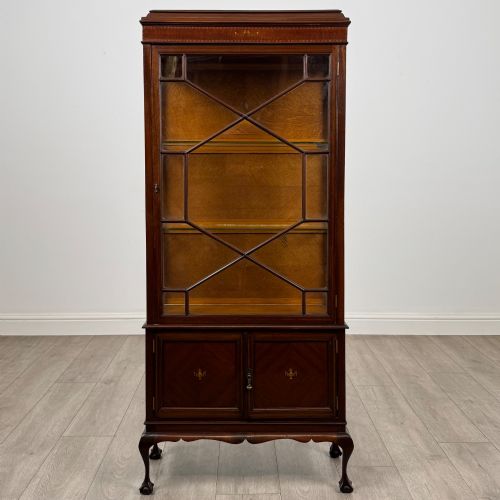
The selections span multiple eras, showing strong representation from the Edwardian period and the Victorian era, alongside pieces styled in the Louis XV and Art Deco manner. Mahogany and oak dominate the wooden elements, paired with generous glass panels designed to maximise visibility from all angles.
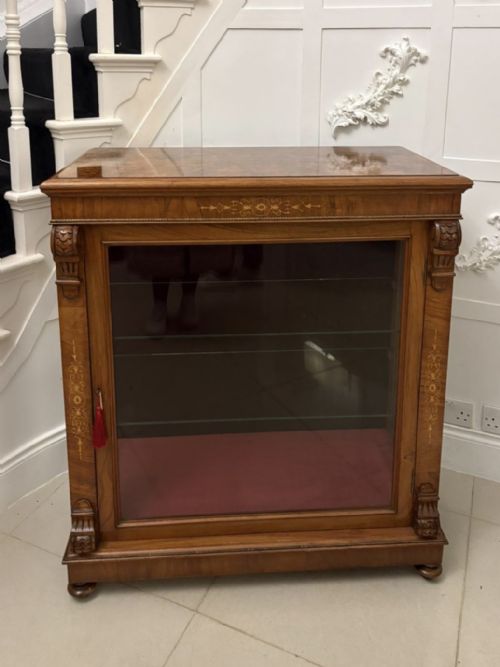
Makers from the nineteenth and early twentieth centuries constructed these cabinets in diverse shapes, from narrow pier cabinets to kidney-shaped display tables. Each variation serves a specific spatial requirement, allowing collectors to fit glazed display furniture into corners, against walls, or upon tabletops.
How they were made
Cabinet makers relied upon solid and veneered timbers such as mahogany, walnut, oak, and kingwood, often incorporating delicate marquetry inlay or painted finishes. Ormolu and gilt metal mounts frequently accent the woodwork, framing the glass doors and adding decorative structure to the corners and legs.
Glazing technique forms the core of these pieces, requiring skilled joinery to secure glass panes within wooden or ebonised frames. Fabric linings in materials like velvet cushion the interior bases, providing a soft surface to display delicate items without risk of scratching.
Some Edwardian tables let you admire your rings from above while keeping them safe under glass.
What varies in quality
Quality reveals itself in the choice of timber and the precision of the joinery, particularly where curved or concave glass meets the wooden frame. Superior examples display refined brass or ormolu mounts, subtle inlay work, and well-balanced proportions that maintain structural integrity despite extensive glazing.
The sophistication of the internal lining and the smoothness of opening mechanisms for doors and hinged table lids also separate standard commercial pieces from finer cabinet work. Attention to detail in the timber grain selection and the clarity of the glass itself distinguish the upper tier of these items.
The Small Glass Vitrine Cabinet Glossary
- Vitrine
- A glass-panelled display cabinet designed specifically for showing porcelain, curiosities, and fine objects.
- Bijouterie table
- A shallow display table with a glazed top and hinged lid, originally used to exhibit jewellery and small trinkets.
- Ormolu
- Gilt bronze ornamentation applied to furniture, popular in French-influenced cabinet design during the nineteenth century.
- Pier cabinet
- A narrow cabinet built to fit the wall space between windows, often featuring glazed doors and wooden shelving.
- Kingwood
- A dense, richly figured exotic timber utilised for fine veneers in period cabinet making.
Small Glass Vitrine Cabinet: Frequently Asked Questions
Where should I place a countertop display cabinet?
Countertop and wall cabinets suit hallways, studies, or living rooms where floor space remains limited. Placing them near natural light enhances the visibility of the objects inside.
Ensure the mounting surface or table is stable enough to support the weight of timber and glass.
How do I care for the interior fabric lining?
Original velvet or fabric linings require gentle vacuuming with a soft brush attachment to remove dust. Avoid liquid cleaners that might stain or weaken aged textiles.
Replacing severely worn lining fabric preserves the interior appearance without altering the external wooden structure.
Can these cabinets support heavy porcelain?
Most small display cabinets utilise thin wooden shelving supported by fixed brackets designed for lighter decorative objects. Heavy ceramics or large books risk bowing the timber shelves over time.
Distributing weight evenly protects both the glass panes and the internal framework from undue stress.