



French Glass Lustres
French glass lustres catch and bend the room's light through hanging crystal drops, adding sparkle to mantels and tables.
French Glass Lustres
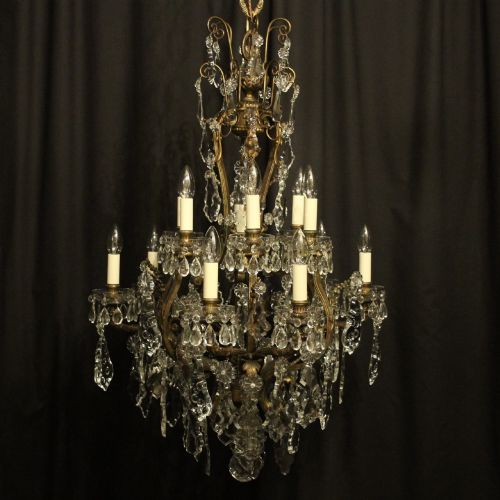
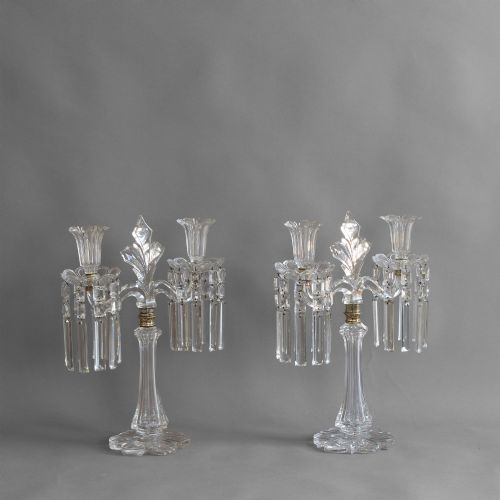
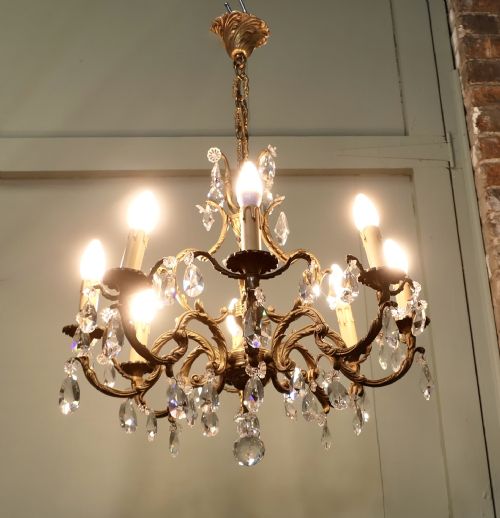
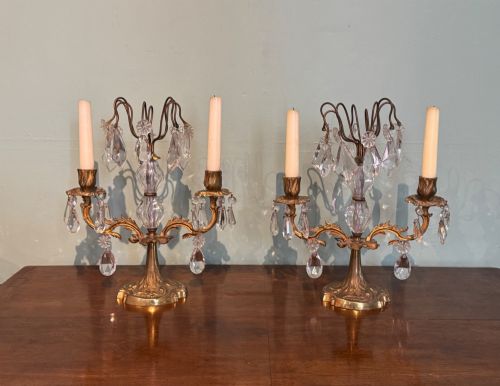
When you search for french glass lustres, you encounter a distinct class of lighting and decorative objects designed to illuminate and adorn interiors. These pieces typically take the form of table lustres, candlesticks, candelabras, and chandeliers, originating from periods such as the 19th century, Regency, and Edwardian eras. They serve both a functional lighting purpose and a decorative role through the inclusion of suspended glass components.
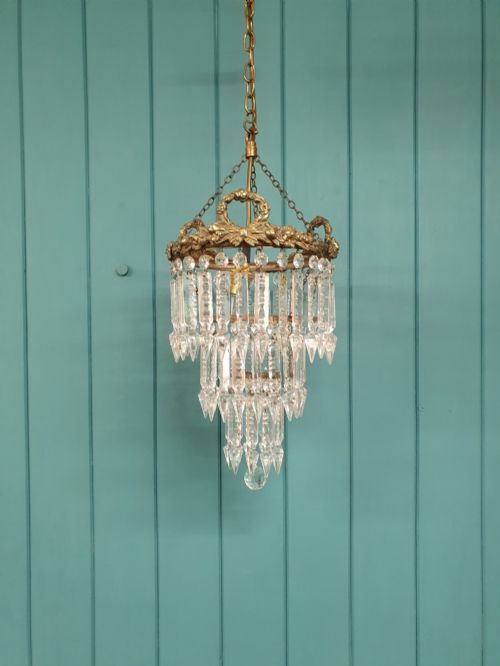
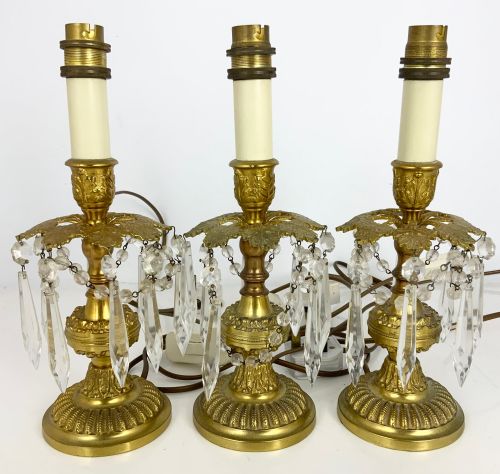
The objects seen here range from small nine-inch chandeliers to large multi-light fixtures and matched pairs of table ornaments. Common configurations include candelabras and candlesticks hung with cut glass drops, alongside elaborate chandeliers featuring numerous candle lights. Styles span French Rococo, French Empire, French Classical, and French Chateau, reflecting diverse aesthetic preferences across the 19th and early 20th centuries.
How they were made
Makers constructed these items using combinations of glass, crystal, cut glass, and crystal glass, often pairing them with metal frames made from brass, gilt brass, ormolu, gilt bronze, and gilt metal. The glass elements were shaped, blown, and cut by hand to create facets that would refract light effectively. Metal components were cast, gilded, and assembled to support the hanging glass drops securely.
Techniques relied on metal casting for the structural bodies, such as bronze or brass frames, alongside precision cutting for the crystal and glass pendants. Lustres and chandeliers incorporated wired or pinned glass drops suspended from the arms and bobeches. Alabaster and opaline glass also appear in select pieces, demonstrating variety in body materials alongside standard crystal components.
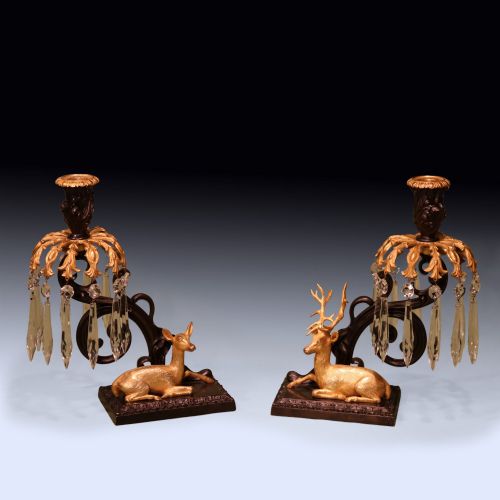
Some nineteenth-century candlesticks feature bronze stags and does standing beneath the candle sockets, ready to watch over the room's glow.
What varies in quality
Quality in these pieces rests upon the clarity and cut of the glass, the weight and finish of the metal mounts, and the overall coherence of the design. Fine examples feature heavy, high-lead crystal with sharp, clean facet cutting that disperses light brilliantly, supported by finely chased ormolu or gilded bronze rather than simpler cast brass or gilt metal.
The complexity of the form and the completeness of the hanging elements also dictate the upper tier of the range. Large multi-light chandeliers and matched pairs of candelabras with intact, original crystal drops command attention through their scale and ornate styling, such as French Rococo Revival or French Empire details.
The French Glass Lustres Glossary
- Lustre
- A decorative tabletop ornament, candlestick, or candelabra hung with glass pendants designed to reflect light. These pieces often sit on mantelpieces or side tables.
- Ormolu
- A technique of applying finely ground, high-carat gold to an object of bronze, used extensively for decorative mounts on lighting fixtures.
- Bobeche
- A collar or drip pan placed below the candle nozzle to catch melting wax, frequently bordered by hanging crystal prisms.
- Opaline
- An opaque or translucent glass, often pastel in tone, utilised for the bodies of table lustres during the 19th century.
- Drop
- A pendant piece of cut glass or crystal suspended from the arms or crown of a chandelier or lustre.
French Glass Lustres: Frequently Asked Questions
What is a lustre?
A lustre is a decorative candle holder or tabletop ornament featuring suspended glass pendants designed to catch and refract light.
They gained popularity for their visual sparkle on mantelpieces and side tables during the 19th century and Edwardian periods.
How do you clean them?
Cleaning involves careful dusting of the metal frame and individual removal of glass drops for gentle washing in warm soapy water.
Care must be taken to support the structure and avoid harsh chemical cleaners on gilt or ormolu surfaces.
Were they used for lighting?
Yes, many forms functioned as candle holders, including candlesticks, candelabras, and chandeliers designed to hold multiple candles.
The glass drops amplified the dim light of tallow or wax candles by reflecting the flame across the room.
How do I date a piece?
Dating relies on stylistic clues such as Rococo revival curves, Regency bronze casting styles, or Edwardian proportions, alongside the type of glass cutting.
Materials like ormolu and alabaster glass also point toward specific manufacturing decades in the nineteenth century.