

French Glass Lamp
When you search for a french glass lamp, you find illumination shaped by brass mounts, opaline shades, and decades of continental design.
French Glass Lamp
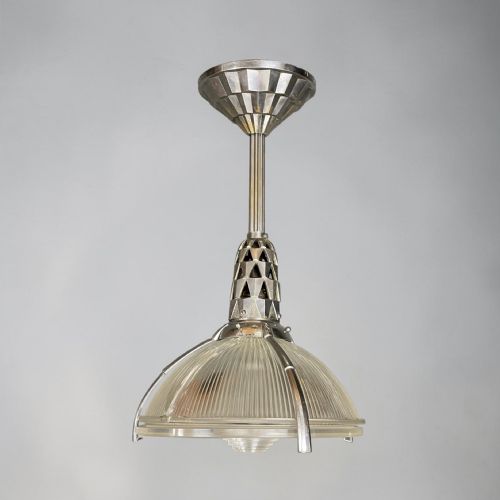
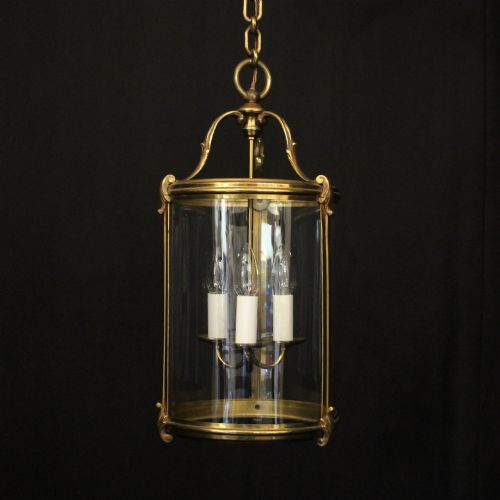
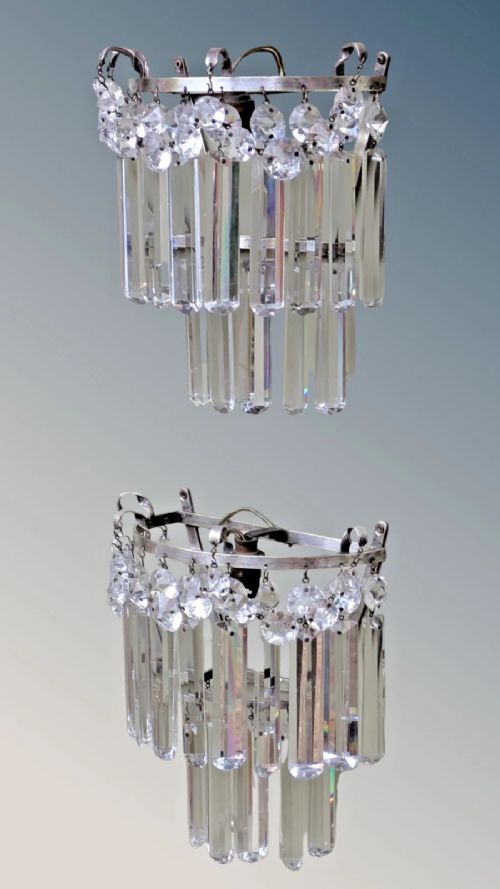
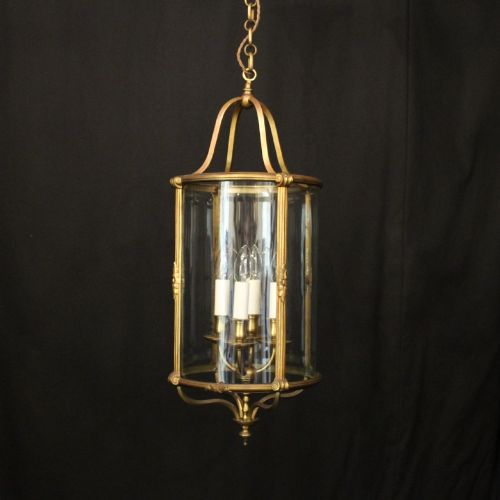
A french glass lamp combines cast metals with blown or pressed glass components, originating from domestic and commercial interiors spanning the late nineteenth century through the Art Deco era of the nineteen-thirties.
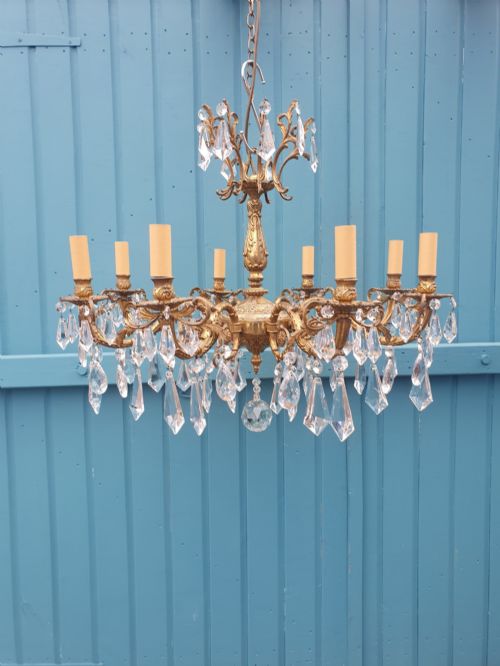
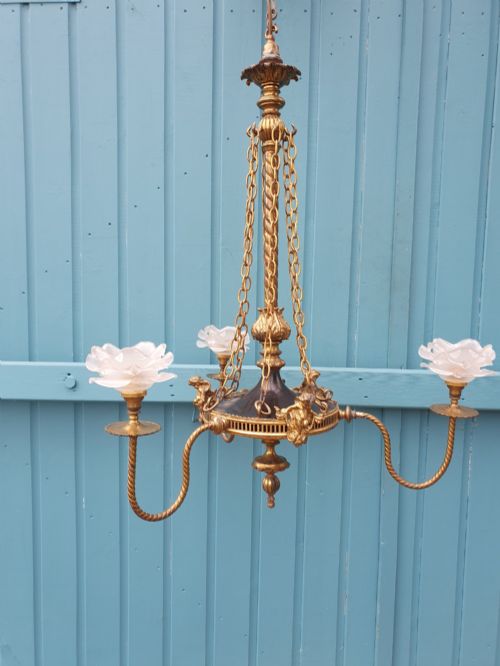
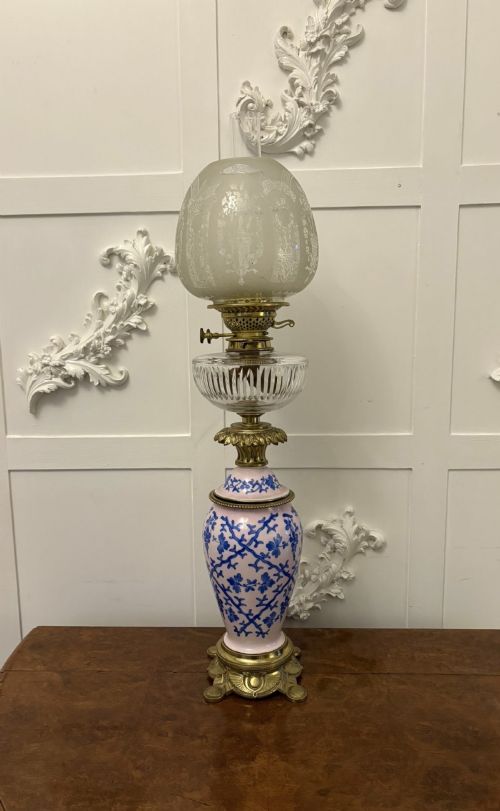
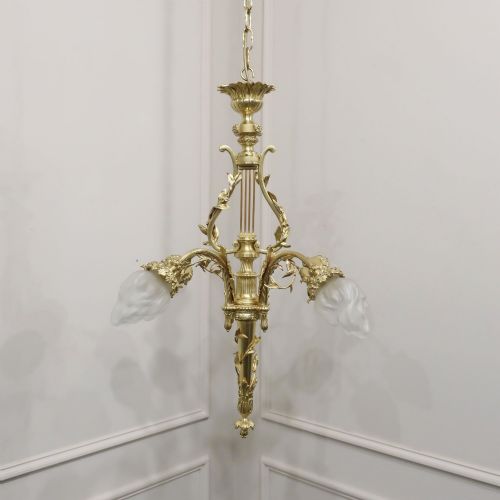
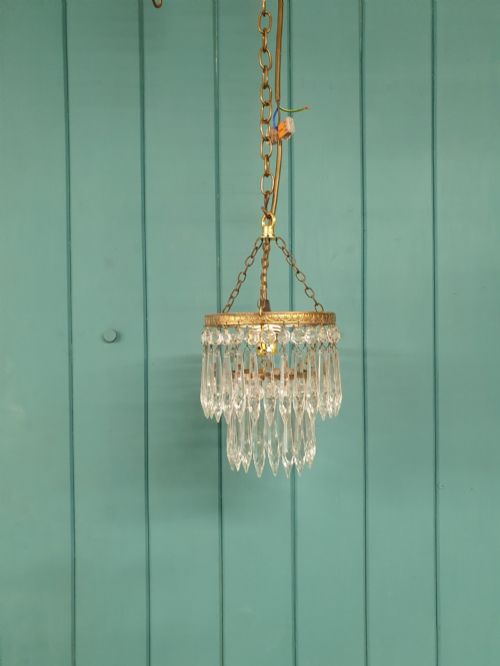
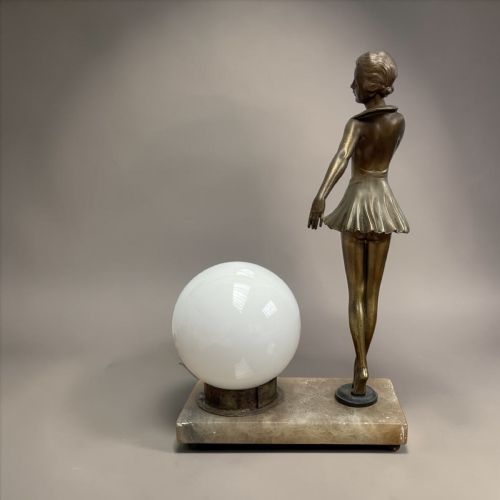
The selections on this page appear as desk lamps, table lamps with marble or bronze bases, and hanging fixtures incorporating opaline, frosted, or cut crystal glass shades.
Makers and designers from these periods utilise distinctive glass techniques, pairing brass or gilt bronze structures with coloured, milk, or patterned glass elements.
Materials and Construction
Makers construct the framework using cast brass, bronze, gilt bronze, or wrought iron, providing a sturdy chassis for delicate glass components.
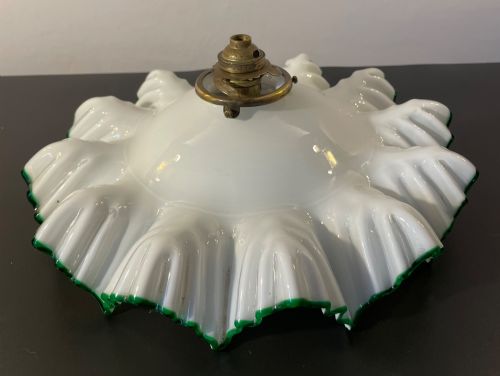
Shades and bodies utilise opaline glass, cut crystal, frosted glass, or blown art glass, shaped into globes, trumpets, and frilly edges.
Mounts secure the glass securely to marble bases or metal stems using threaded screws, galleries, and brass fittings.
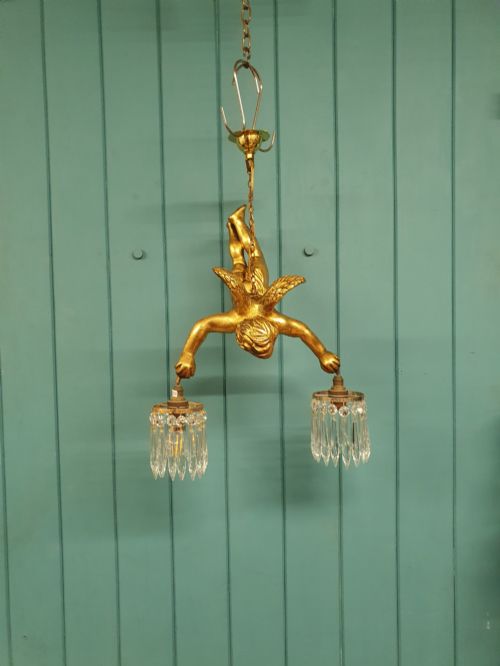
Several charming table lamps feature sculpted dogs, parrots, and flying cherubs sharing space with delicate glass shades.
Assessing Standard and Execution
Quality rests in the weight of the metal casting and the precision of the chasing on the brass or gilt bronze mounts.
The clarity and thickness of the glass, whether hand-blown opaline or deeply cut crystal, distinguish standard production from exceptional studio pieces.
Original matching components, such as coordinated shades and period-correct wiring pathways, elevate the integrity of an individual lamp.
Émile-Jacques Ruhlmann·Charles Schneider·Georges Leleu·Lalique·Luminax
The French Glass Lamp Glossary
- Opaline glass
- A type of semi-opaque glass, often white or pastel-colored, popular for diffusing light softly in nineteenth and early twentieth-century lighting. It was frequently blown into column or bottle forms for desk and table lamps.
- Gilt bronze
- Bronze that has been coated with a thin layer of gold or gold-colored alloy, providing a rich, durable surface finish. It appears frequently on mounts and bases across French Empire and neoclassical designs.
- Spike chandelier
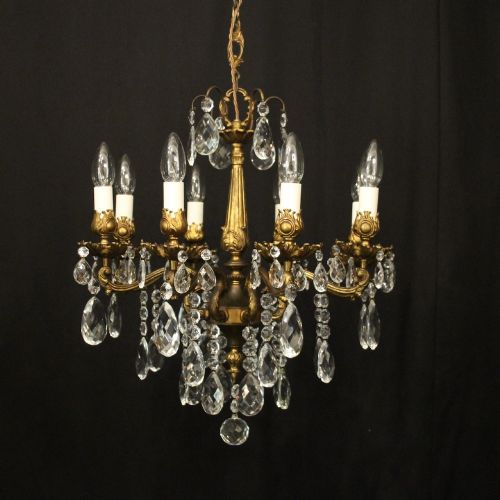
- A central lighting fixture featuring an elongated vertical element decorated with cut glass crystals and multiple radiating arms. These pieces often date from the Edwardian period or the nineteen-thirties.
- Photophore
- A glass candlelamp or protective shade designed to shield a flame from drafts while illuminating a table or desk. Nineteenth-century examples often combine gilt-brass frames with marble bases.
- Toleware
- Painted or lacquered metalware, typically tin or iron, utilised for lamp shades and bases in various decorative styles. It often incorporates rich colour applications like ruby and gold leaf.
French Glass Lamp: Frequently Asked Questions
How do I identify the period of a lamp?
Examine the materials and electrical fittings, noting whether the metalwork reflects heavy Art Deco geometric styling or ornate nineteenth-century casting techniques.
Compare the glass type, as opaline and heavy cut crystal strongly indicate specific manufacturing decades from the early twentieth century.
Can I replace a missing glass shade easily?
Finding an exact period replacement for an opaline or frosted glass shade requires matching the fitter size and historical style precisely.
Many antique lamps rely on bespoke openings that demand patience to source a compatible vintage replacement rather than a modern alternative.
Are these lamps safe for modern wiring?
Most antique lighting requires professional rewiring to meet contemporary safety standards before everyday use in a home.
An electrician can update internal cables while preserving the original brass sockets, switches, and structural integrity of the piece.
Where should I place a table lamp?
Position these lamps on side tables, desks, or console tables where their brass mounts and coloured glass can catch ambient light.
Ensure the surface offers stable support, particularly for heavier models featuring marble bases and thick crystal bodies.