



French Glass Lamp Base
A french glass lamp base brings heavy marble, moulded glass and patinated metal together into a single glowing decorative object.
French Glass Lamp Base
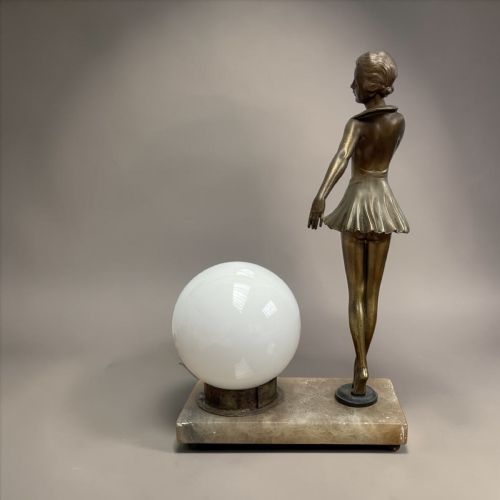
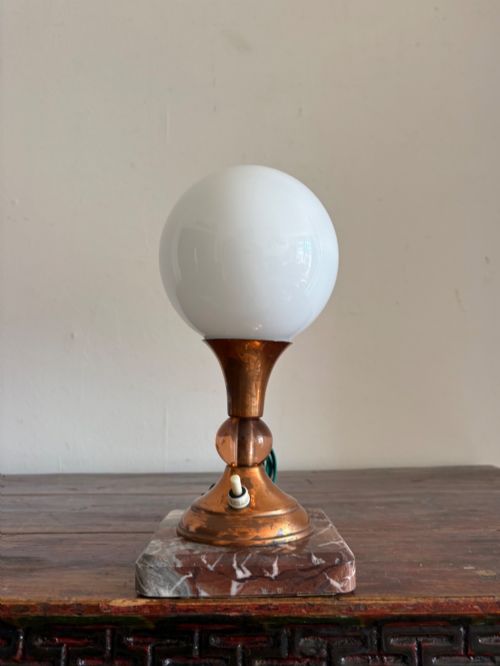
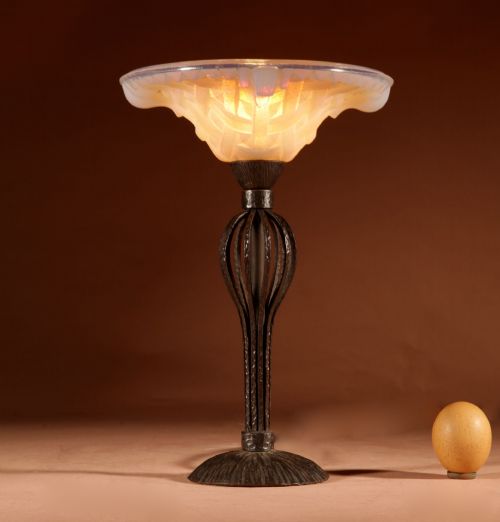
A french glass lamp base combines thick moulded or frosted glass bodies with heavy supporting plinths made from marble, brass or spelter. You will most frequently encounter compact night lights and table lamps dating from the Art Deco period alongside larger nineteenth-century figural pieces.
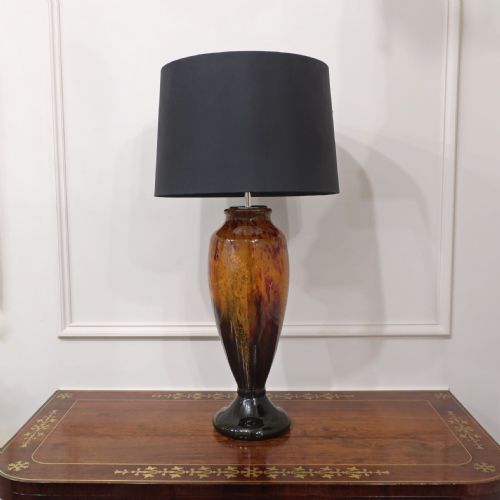
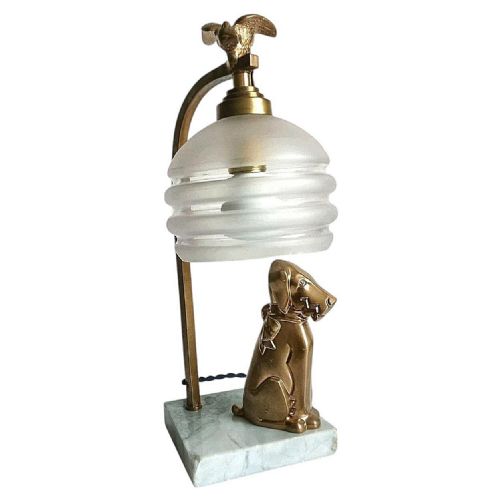
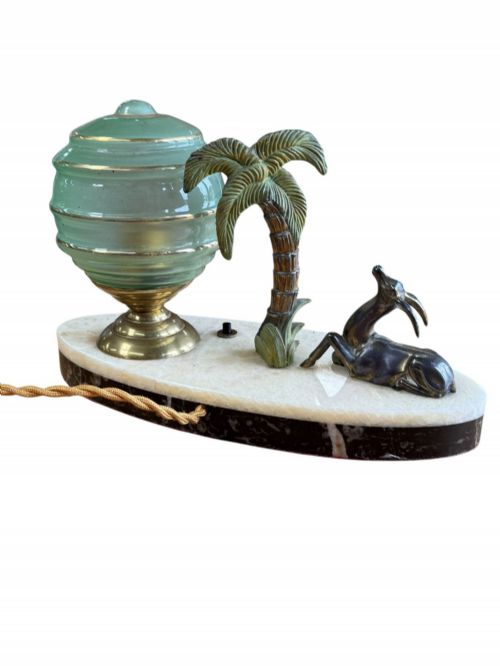
Makers often paired coloured opaline or mottled glass with sculptural metal figures depicting animals, birds or human subjects. These objects range from simple glowing stems to elaborate novelty designs featuring dogs, birds and classical figures.
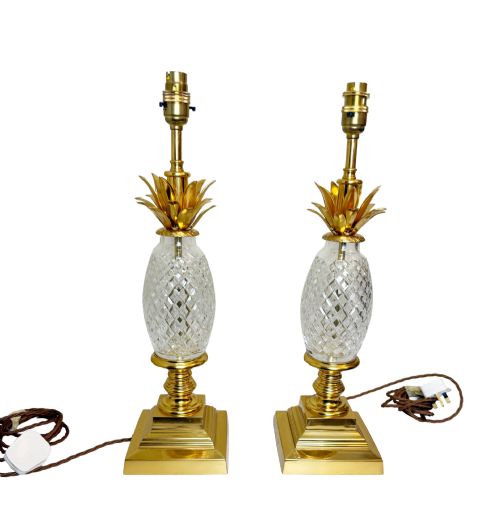
The selection moves between nineteenth-century Victorian and Belle Epoque styles through to the geometric lines of the nineteen-thirties. Table lamps and floor-standing models dominate the offerings, usually mounted upon stone or metal bases for stability.
Materials and Construction
Craftsmen combined pressed, frosted and opaline glass with structural bases cast in brass, bronze, spelter or wrought iron. Marble slabs served as heavy foundations for figural sculptures and night lights, anchoring the top-heavy glass shades.
Glass elements were blown, moulded or acid-etched by specialist glasshouses before being mounted onto metal armatures or stone plinths. Metal components underwent casting, silvering or gilding to complement the translucent qualities of the glass.
Alsatians, greyhounds, parrots and seagulls frequently stand guard over these illuminated French glass bases.
Judging Quality
Superior examples display crisp casting detail in the metal figures and deep, even saturation within the opaline or mottled glass bodies. The integration between the glass shade and its marble or brass base reveals the original ambition of the piece.
Finer lamps benefit from signed glass elements and heavier stone plinths that provide a stable, balanced structure. Lesser versions rely on simpler stamped metal components and standard pressed glass without distinctive colour variations.
Charles Schneider·Lalique·Eileen Grey·Daum·Muller Bros·Baccarat·Auguste Moreau
The French Glass Lamp Base Glossary
- Opaline glass
- A semi-opaque glass type popular in nineteenth-century and Art Deco lighting that diffuses light with a soft milky glow. It often appears in shades of white, blue or pink.
- Spelter
- An alloy of zinc and lead widely used as a cheaper alternative to bronze for casting decorative figures on lamp bases. It takes patination and metallic paint finishes well.
- Photophore
- A traditional glass candle lamp or shade designed to protect a flame from drafts. Early examples often utilise heavy brass and marble mounts.
- Mottled glass
- Glass created with swirling patches of contrasting colours that produce a dramatic marbled effect when illuminated from within. This technique defines many Art Deco shades.
- Art Deco
- A design style from the nineteen-twenties and thirties characterised by geometric shapes, stylised animal figures and streamlined industrial materials. It forms the core of these lighting options.
French Glass Lamp Base: Frequently Asked Questions
How do I date a french glass lamp base?
Examine the stylistic cues of the metal mountings and glass moulding techniques to determine the era. Art Deco pieces display geometric lines and stylized animal figures, while nineteenth-century items favour classical forms and heavy gilt-brass.
Look closely at the materials used for the plinth, as marble and spelter combinations became particularly widespread during the nineteen-twenties and thirties.
Were these originally electric lamps?
Many smaller nineteenth-century and early twentieth-century examples started life as oil lamps or candle-burning photophores before undergoing conversion to electricity later on. Night lights and compact table lamps were frequently adapted to take modern wiring as domestic lighting evolved.
Checking the internal fittings often reveals whether the lamp retains its original period hardware or received later electrical updates.
How should I clean opaline glass?
Use lukewarm water and mild soap with a soft cloth to remove dust from delicate opaline and frosted glass surfaces. Avoid harsh chemical cleaners that can damage vintage patination on surrounding brass or bronze mounts.
Keep moisture away from the internal electrical components and older metal bases to prevent corrosion during cleaning.
What is spelter and how do I spot it?
Spelter is a zinc-based alloy commonly used as a cost-effective substitute for bronze in decorative lamp figures. It feels lighter than bronze and often shows a characteristic grey metal beneath worn areas of paint or patination.
Many French figural night lights from the interwar period rely on spelter mounted onto polished marble bases.