


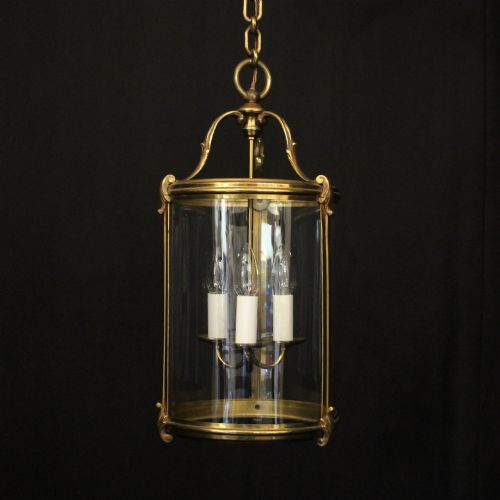
French Gilt Lamp
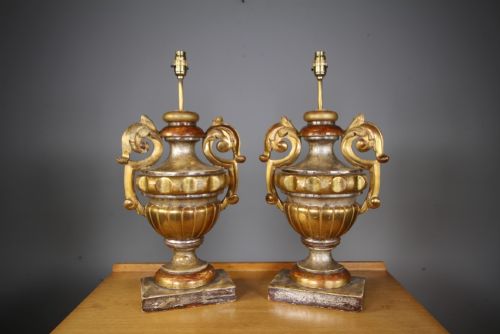
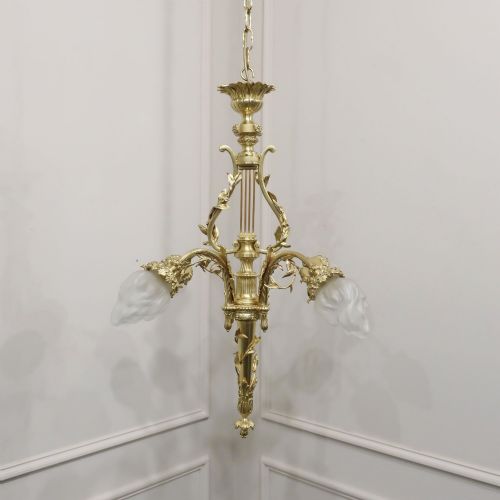
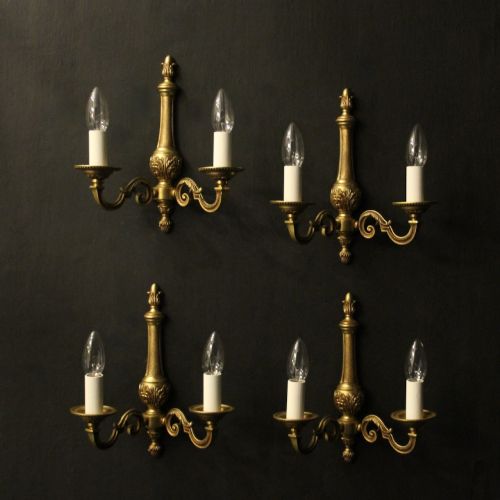
A french gilt lamp brings warmth and ornate nineteenth-century character to an interior through gilded metal and decorative casting.
French Gilt Lamp
When searching for a french gilt lamp, buyers encounter pieces originating from the nineteenth and early twentieth centuries, spanning periods from the 1860s through the 1930s. The selection includes table lamps, floor standards, and bouillotte designs that incorporate classical and revivalist motifs.
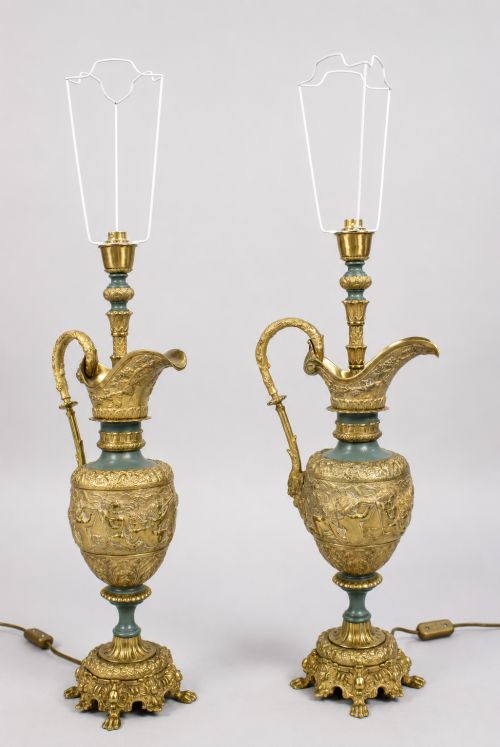
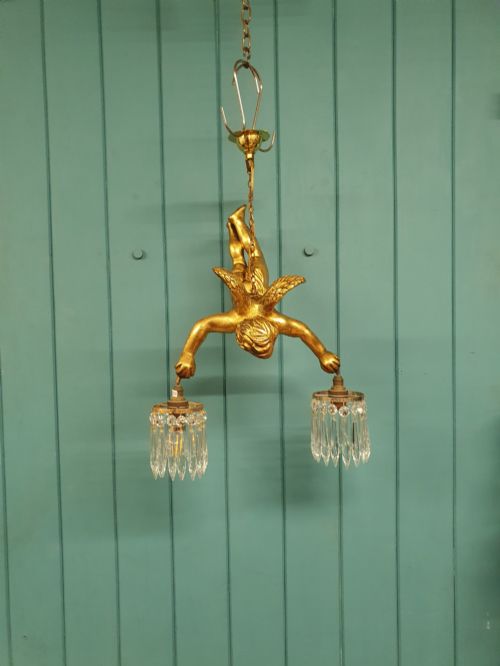
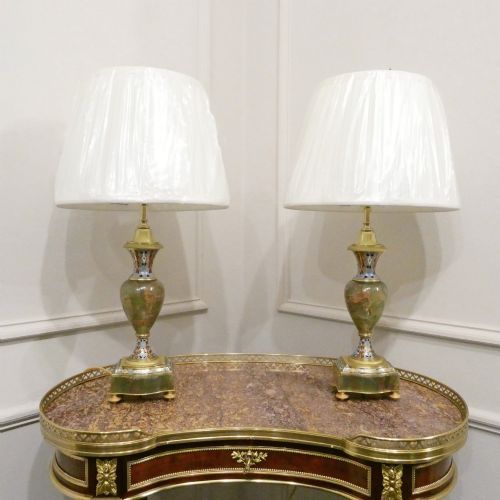
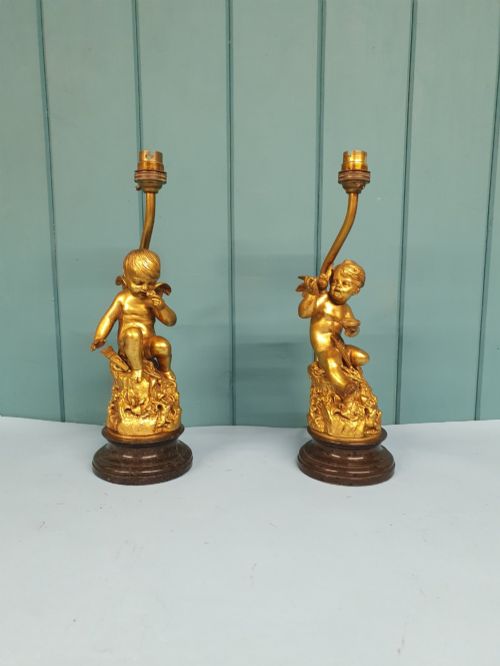
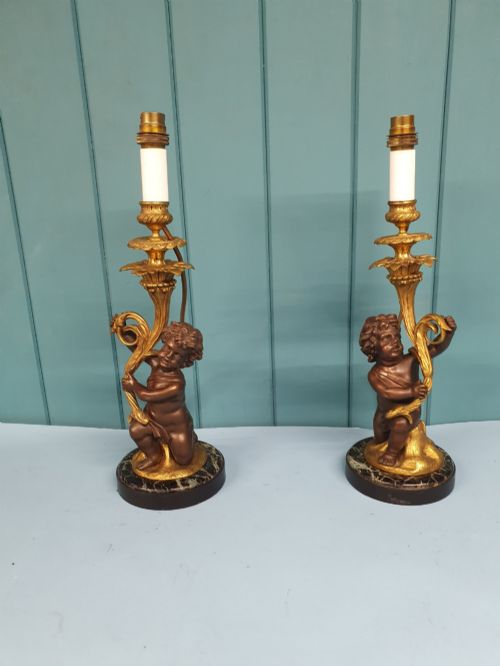
Table lamps frequently combine gilt bronze, brass, or ormolu mounts with bases of onyx, rouge marble, or porcelain. Many incorporate figural elements such as cherubs, putti, and urns drawn from French Empire and Rococo styles.
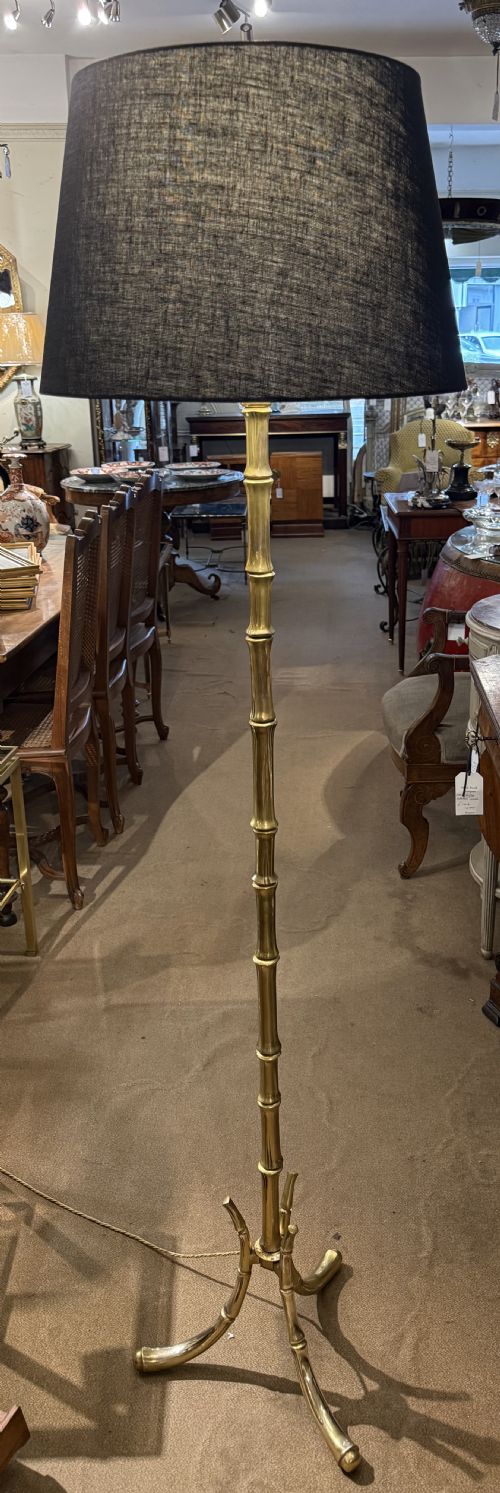
Floor lamps and standard lamps provide taller lighting options, while smaller desk variations utilise adjustable shades and classical candle forms. The surviving examples reflect decades of interior trends from French chateau aesthetics to early art deco touches.
Materials and construction
Foundational structures rely on cast metals such as bronze, brass, and spelter, enhanced by surface gilding, silver gilding, or ormolu finishes. Foundries employed sand casting and lost-wax methods to achieve intricate relief details on figural mounts and foliage.
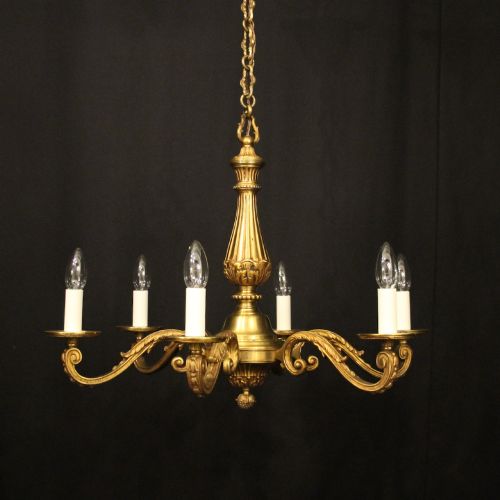
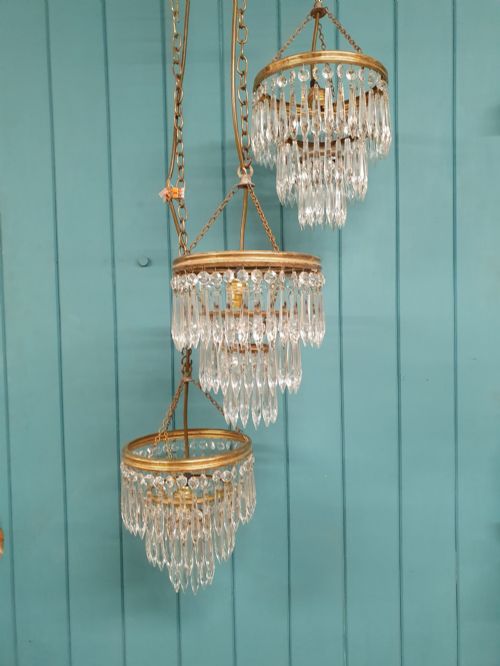
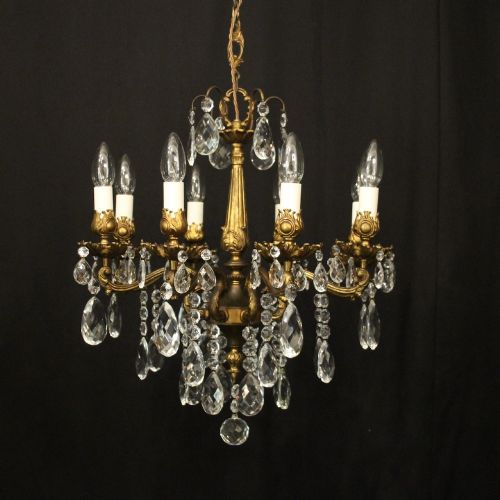
Natural stones including rouge marble and onyx serve as substantial weighted bases, frequently paired with turned wooden components like carved giltwood and pine. Transparent elements like cut glass crystals, crystal spikes, and glass globes are integrated into the heavier metal frameworks.
Assembly often involves threaded rods and bolted joints uniting the metal fittings with stone or ceramic bodies. Wiring variations indicate that many older fixtures have undergone rewiring to meet modern electrical standards while retaining their original metalwork.
Assessing quality
The choice of secondary materials marks a distinct grade in manufacture, where genuine rouge marble, heavy onyx blocks, and hand-cut crystal drops separate finer studio pieces from lighter mass-produced brass alternatives. Substantial weight and tight, balanced assembly indicate higher standards of period workshop production.
Maison Bagues·E Rousseau·Dugourc
The French Gilt Lamp Glossary
- Ormolu
- High-quality gilt bronze created by applying a mercury and gold amalgam to cast bronze before heating. This technique produced a durable, deep golden surface finish characteristic of fine French decorative arts.
- Bouillotte lamp
- An adjustable metal desk or table lamp featuring a central shaft, multiple candle arms, and a distinctive toleware or metal shade. It originated as a specialised light for the card game bouillotte.
- Spelter
- An alloy of zinc and lead used as a cheaper substitute for bronze in decorative castings. It accepts metallic paints and gilding well, though it is softer and lighter than true bronze.
- Champlevé
- An enamelling technique where troughs are dug into a metal surface, filled with vitreous enamel powder, and fired. It frequently appears on nineteenth-century clock bases and lamp bodies.
- Cassolette
- A decorative vessel shaped like an urn or vase, often with a reversible lid that functions as a small dish or burner. In lighting, these vessels were frequently converted into lamp bases.
- Gueridon
- A small occasional table, often round, supported by a central pillar or figures. These pieces frequently share the same neoclassical or empire styling found on period lamp stands.
French Gilt Lamp: Frequently Asked Questions
Are these lamps wired for modern use?
Many surviving examples have been updated with modern electrical cords and lamp holders to suit contemporary sockets. Rewiring is common for safe daily operation.
Buyers should inspect the internal wiring and plug types to determine if professional electrical updates are required upon acquisition.
How do I identify a nineteenth-century piece?
Nineteenth-century lighting often displays heavier cast bronze components, hand-chased surface details, and natural material bases like rouge marble or onyx. The joinery and construction methods reflect traditional foundry practices of the era.
Stylistic cues such as Rococo revival scrolls or Empire neo-classical motifs help align the piece with specific decades between 1860 and 1900.
Where should I place a bouillotte lamp?
A bouillotte lamp functions effectively on a desk, sideboard, or side table where its adjustable shade can direct light downward. The traditional design suits reading and task lighting in study spaces.
Its compact footprint allows it to sit comfortably on narrower occasional tables without overwhelming the surface area.
What is the difference between ormolu and gilt brass?
Ormolu refers specifically to gilded bronze created using a traditional mercury-gilding process that yields a rich, warm surface lustre. Gilt brass uses a brass base metal with applied gold leaf or modern plating.
Ormolu pieces generally exhibit sharper cast detail and heavier weight compared to standard brass alternatives.