
French Gilt Clock
A french gilt clock brings nineteenth-century drawing rooms to life with the gleam of ormolu and the measured chime of bronze-mounted movements.
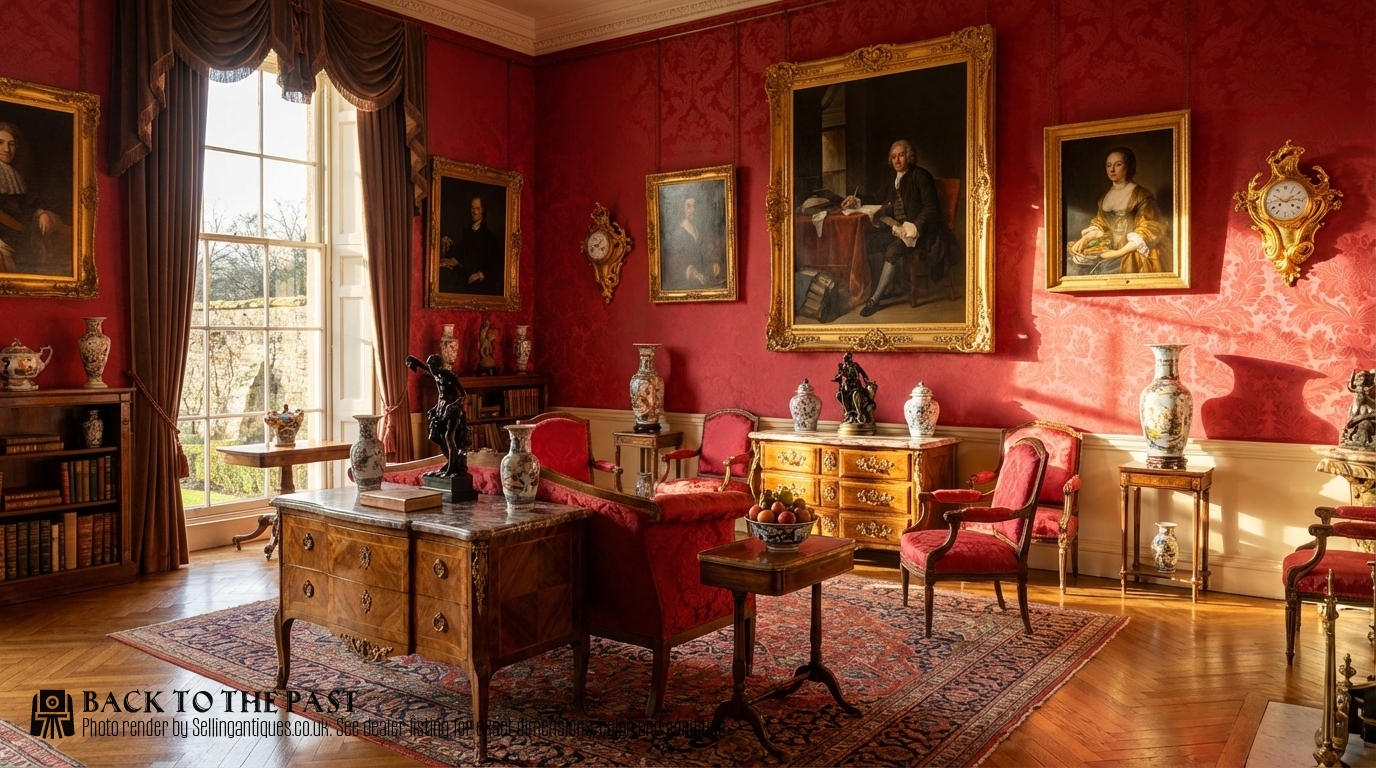
French Gilt Clock
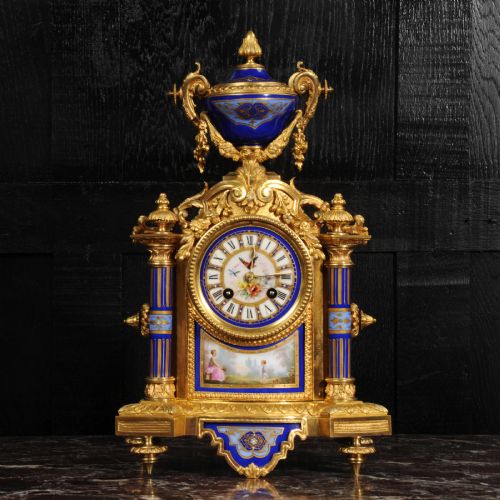
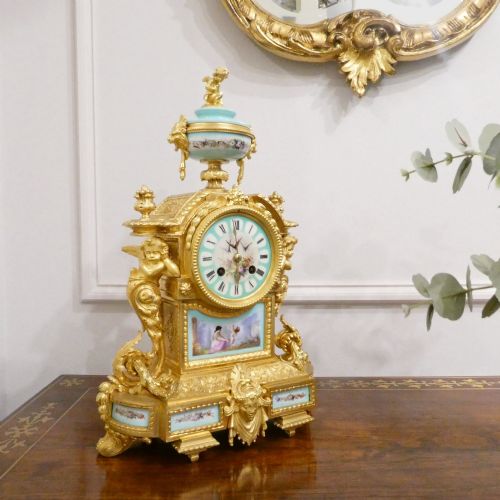
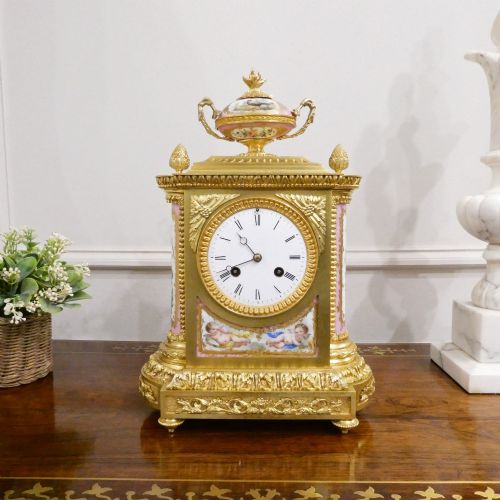
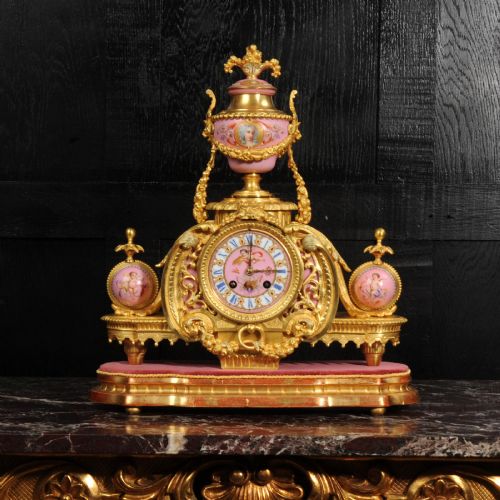
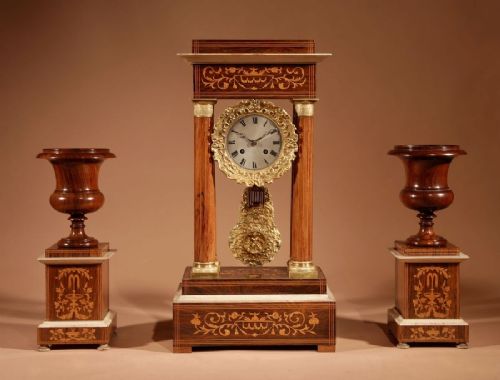
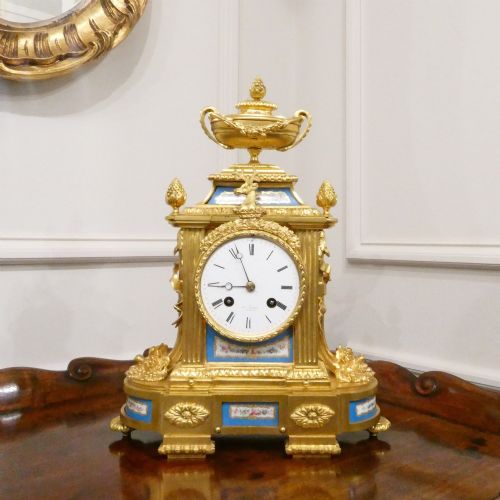
A french gilt clock encompasses everything from freestanding architectural mantel timepieces to elaborate garnitures flanked by matching candelabra or porcelain urns. The most common examples met on this page date from the nineteenth century, reflecting periods such as the Victorian era, the Second Empire, and the Louis XVI revival.
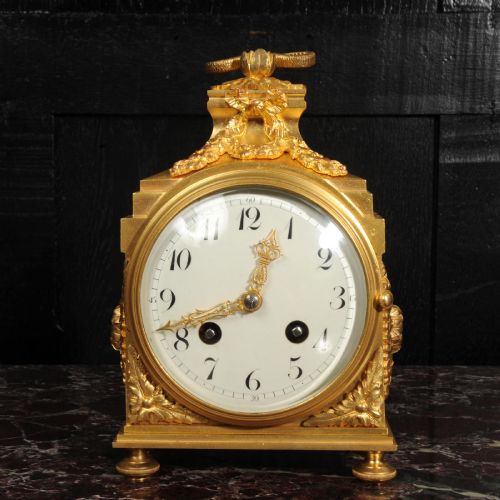
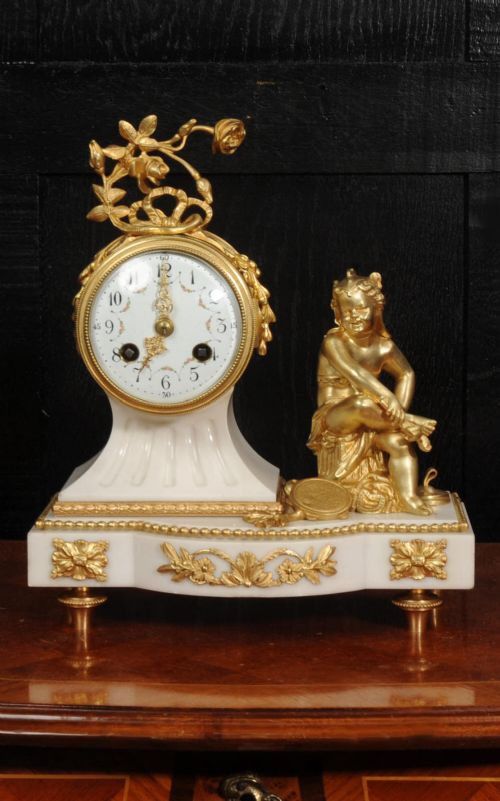
The objects take many physical forms, including portico designs, drumhead cases, four-glass table clocks, and heavy marble-based figural compositions. Makers frequently incorporated classical themes, military trophies, or romantic allegories into the cast bronze and brass housings.
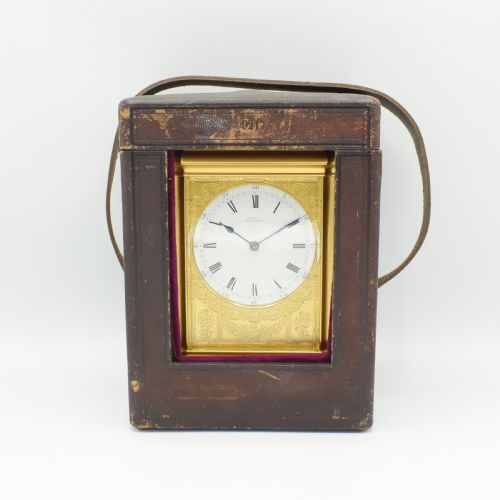
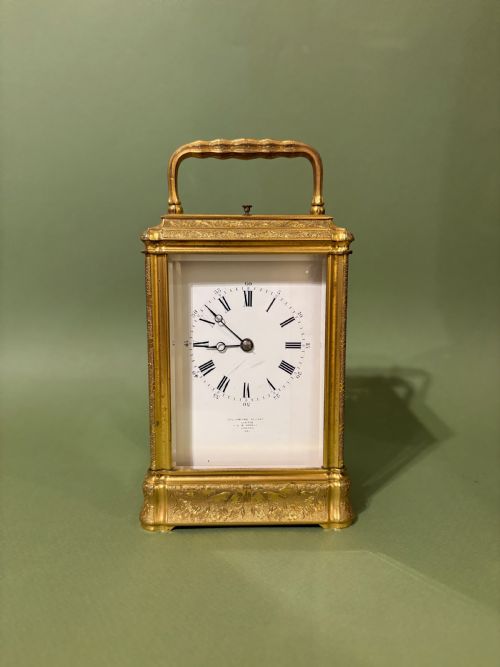
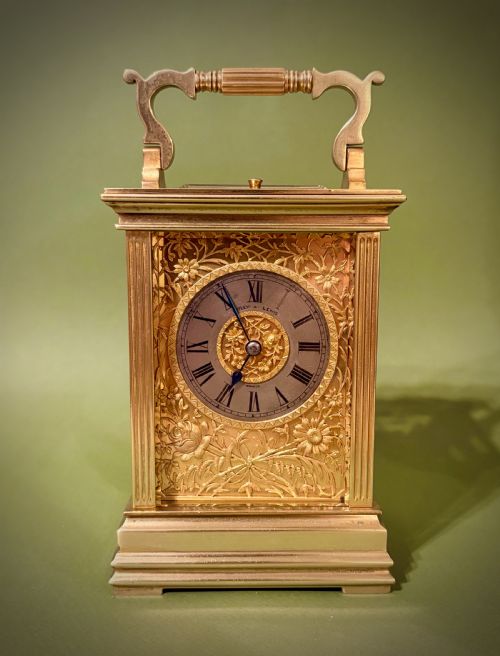
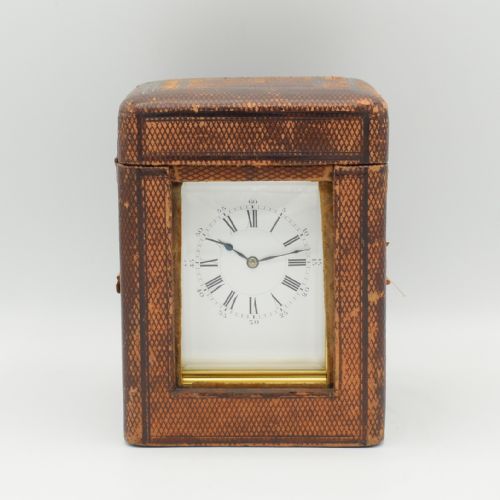
Carriage clocks also appear frequently among these listings, offering portable timekeeping housed in bevelled glass and gilded brass cases. These smaller pieces often include repeating mechanisms and travel cases, bridging the gap between domestic mantel furniture and personal travel equipment.
Materials and Construction
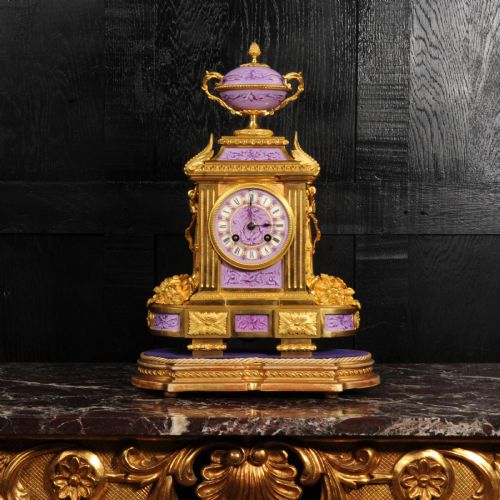
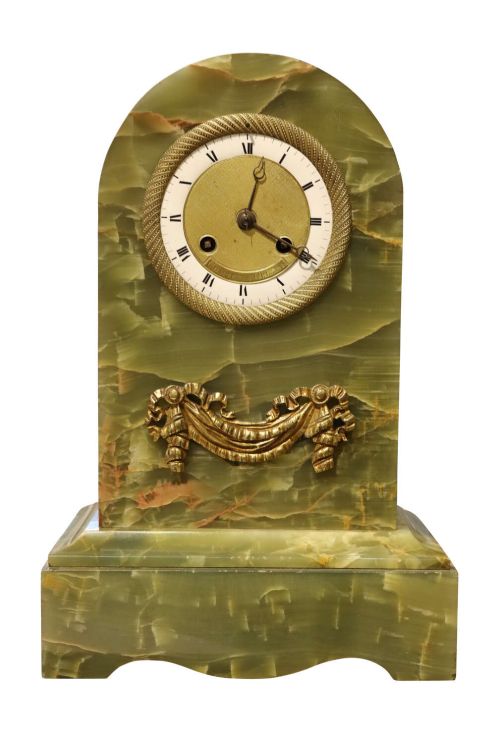
Foundries created the substantial frames of these pieces using cast bronze, brass, or ormolu, applying mercury gilding or electroplating to achieve a brilliant metallic sheen. Artisans then combined these gilded metals with contrasting natural elements such as white marble, black marble, onyx, and kingwood.
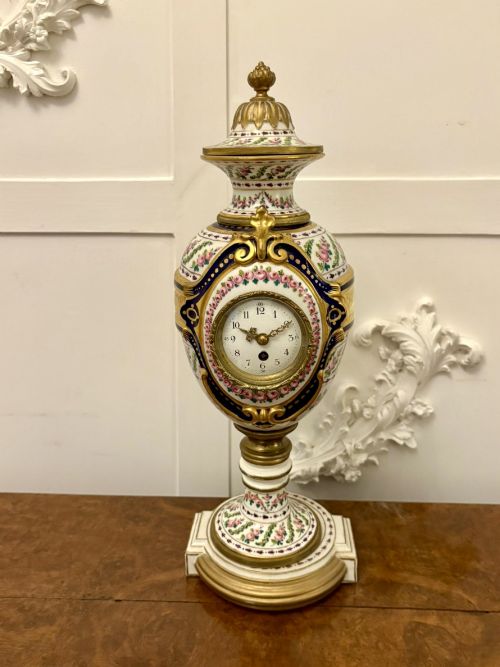
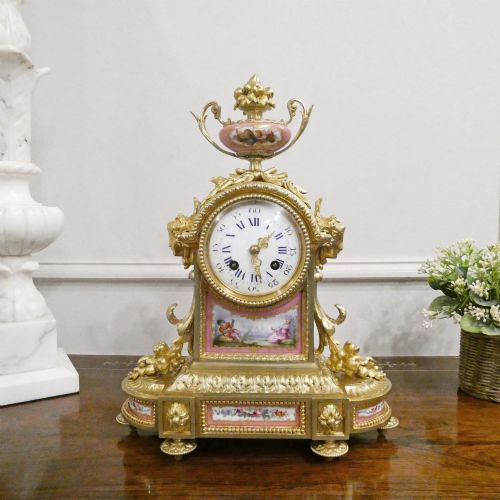
Dial faces frequently featured hand-painted porcelain panels, enamel cartouches, or Sèvres-style plaques decorated with floral motifs and cherubs. Complex brass movements drove the striking, chiming, and repeating functions housed within the heavily ornamented cases.
Listings demonstrate a strong presence of nineteenth-century French production, featuring materials such as gilt bronze, Sevres porcelain, and white marble.
Evaluating Quality and Craftsmanship
The distinction between standard production and the finest work rests on the crispness of the bronze chasing and the depth of the gilding. Superior examples display sharply defined figural mounts, deep hand-engraving on the brass components, and substantial weight in the cast housing rather than thin stamped metal.
Movement maker marks and dial signatures indicate the standing of the original workshop, connecting the piece to recognised horological houses. Furthermore, the integration of hand-painted porcelain plaques and the survival of matching garniture pieces or original travel cases elevate the overall coherence of the object.
Henri Jacot·Achille Brocot·Henry Marc·Japy Freres·Samuel Marti·Richard et Cie·Vincenti·Paul Sormani·PH Mourey·Francois Arsene Margaine
The French Gilt Clock Glossary
- Ormolu
- A technique of applying finely ground high-carat gold to a bronze base using a mercury amalgam, producing a warm golden finish. This surface treatment defines the appearance of high-end nineteenth-century decorative metalwork.
- Garniture
- A set consisting of a central clock accompanied by matching decorative objects such as urns, vases, or candelabra. These sets were designed to sit symmetrically upon a mantelpiece.
- Cartouche
- An ornamental enclosure, often shaped like a rolled piece of parchment or a shield, used on clock dials to frame individual enamel numerals.
- Champlevé
- An enamelling technique where troughs or cells are hollowed out of the metal surface and filled with vitreous paste before firing. This method creates colourful geometric or floral patterns across the gilded brass case.
- Pendule d'Officier
- A distinct style of portable or table clock developed for military officers on campaign, typically featuring a robust case and a visible platform escapement.
French Gilt Clock: Frequently Asked Questions
What is a french gilt clock?
A french gilt clock is a domestic timekeeper featuring a gilded bronze, brass, or ormolu case, produced predominantly during the nineteenth century. These objects range from heavy marble-based mantel pieces to portable carriage clocks.
They combine mechanical timekeeping movements with sculptural decorative arts, often incorporating porcelain panels, enamel dials, and classical motifs reflecting prevailing revival styles.
How do carriage clocks differ from mantel clocks?
Carriage clocks are compact, portable timepieces designed for travel, housed in brass frames with bevelled glass panels that reveal the internal escapement. Mantel clocks are larger, heavier stationary objects built to sit permanently on a fireplace shelf or table.
While mantel clocks often rely on architectural marble or elaborate figural bronze mounts, carriage clocks emphasise mechanical complexity like repeating strikes within a portable footprint.
How are clock garnitures displayed?
Clock garnitures are arranged symmetrically on a mantelpiece or sideboard, with the central clock flanked by matching side pieces such as porcelain urns or candelabra. This arrangement creates a balanced decorative display characteristic of nineteenth-century interiors.
The matching elements share the same gilt bronze mounts, porcelain painting styles, and material palette as the main clock housing.
How can I tell the period of a clock?
Dating relies on stylistic clues, case materials, and signatures stamped on the backplate of the movement by the founding workshop. Louis XVI style pieces utilise neoclassical symmetry and urn motifs, while Second Empire and Victorian examples often feature bolder, heavier proportions.
Associated materials like black marble, green onyx, and specific porcelain painting techniques also help narrow down the decade of production.