

French Gilt Candelabras
French gilt candelabras are ornate multi-armed candleholders cast in bronze or brass with a golden finish, offering dramatic illumination and period elegance to a room.
French Gilt Candelabras
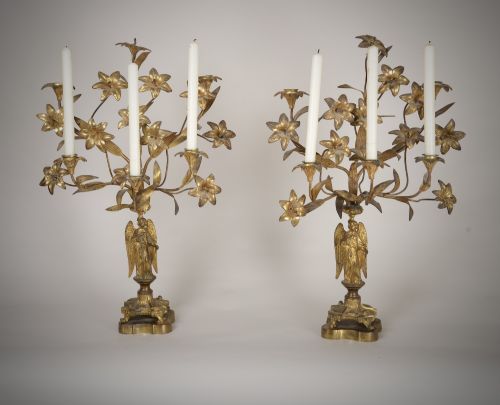
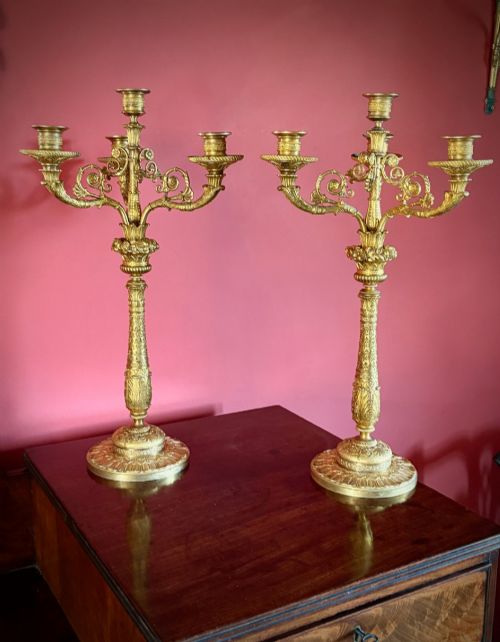
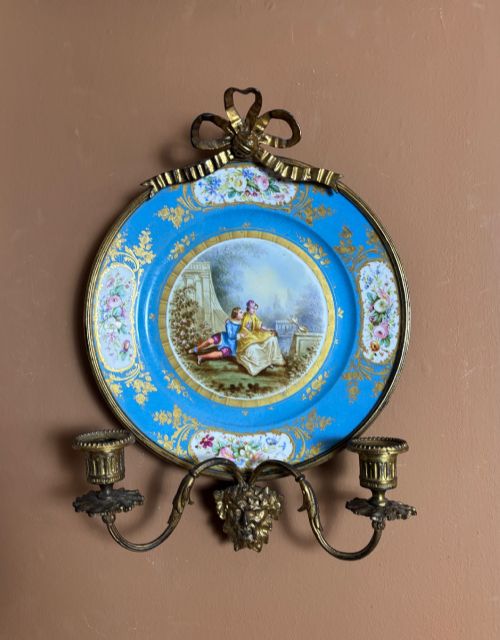
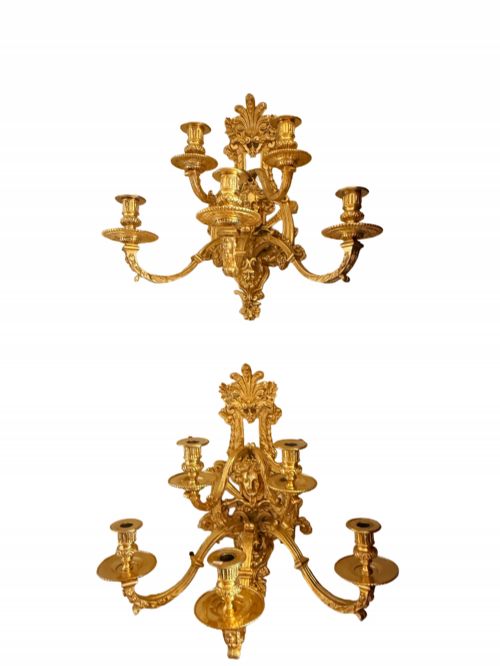
French gilt candelabras are heavy decorative lighting fixtures designed to hold multiple candles, originating primarily across the nineteenth century in various revivalist aesthetic movements. These pieces range from towering table candelabras with numerous candle arms to wall sconces and matching elements in clock garniture sets.
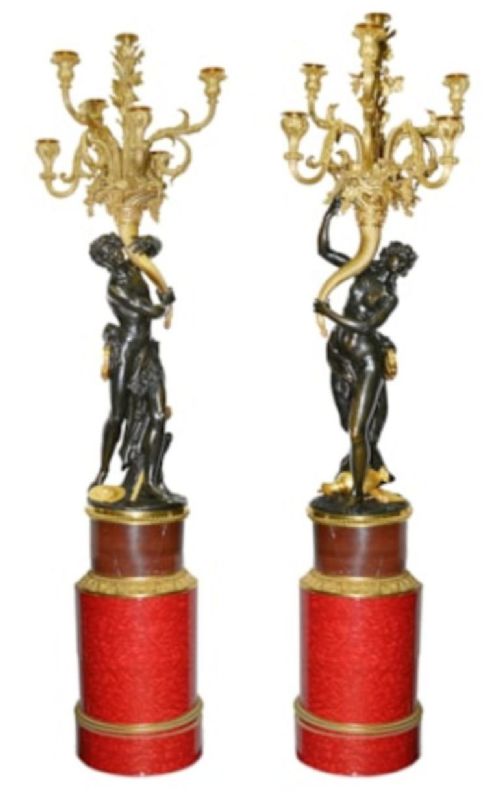
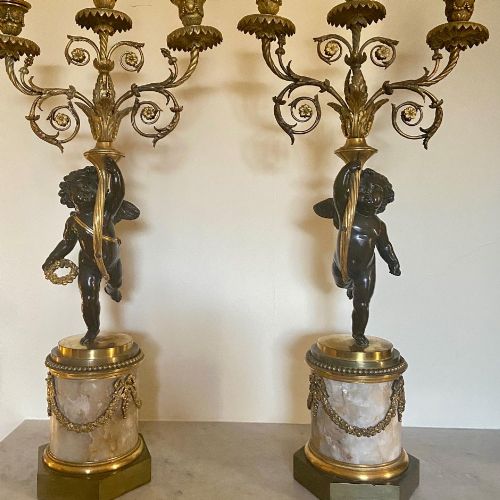
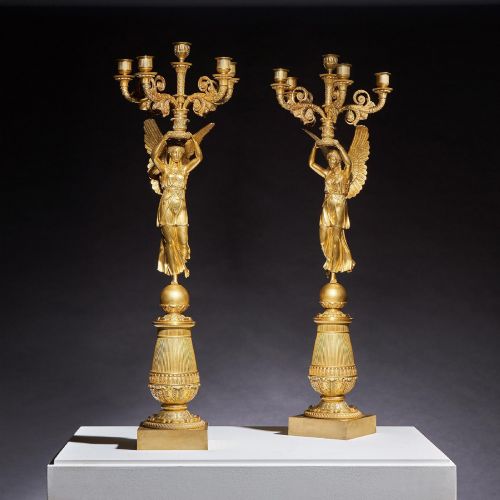
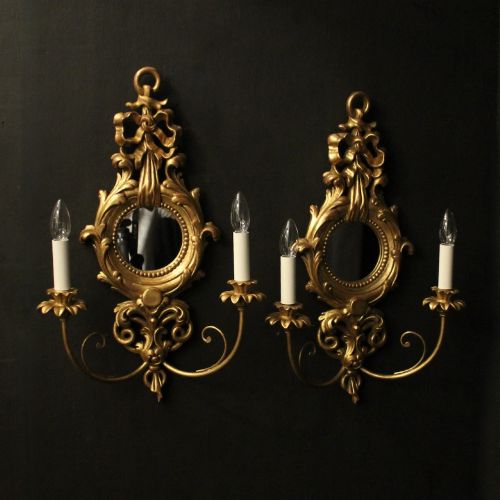
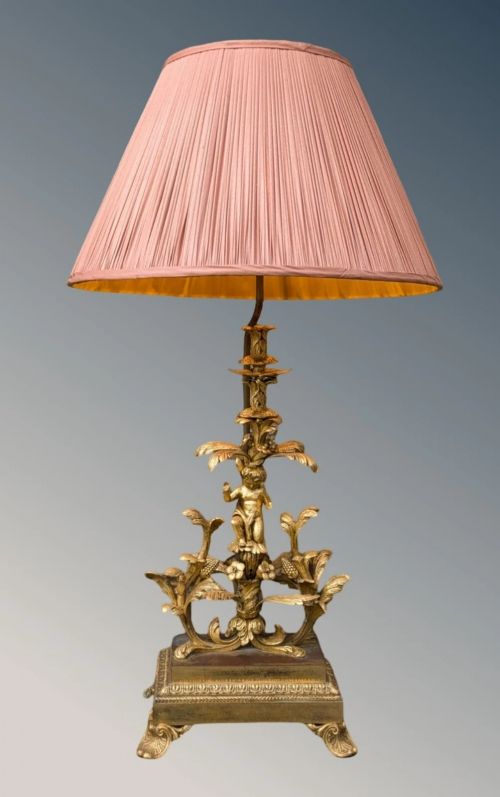
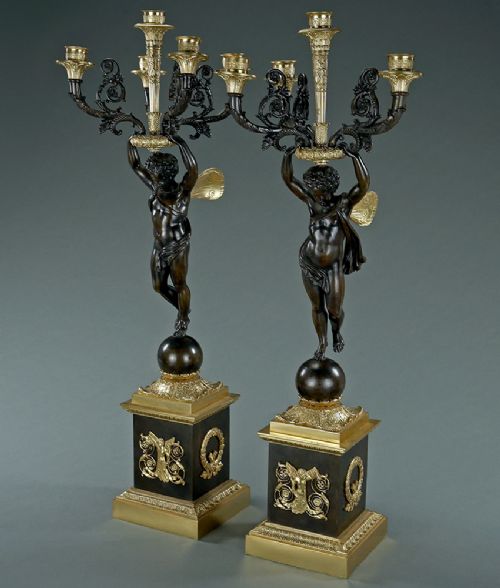
The pieces listed on this page appear most frequently in styles such as French Rococo Revival, Louis XVI, and French Empire, reflecting historical design idioms. They utilise motifs including cherubs, putti, maidens, foliage, and classical figures cast in metal and mounted on stone or marble bases.
Buyers encounter items originating from nineteenth-century workshops as well as later twentieth-century iterations, spanning gilt bronze, ormolu, brass, and patinated bronze. Pairs dominate the selection, often accompanied by related items such as mantel clocks and wall mirrors.
How They Were Made
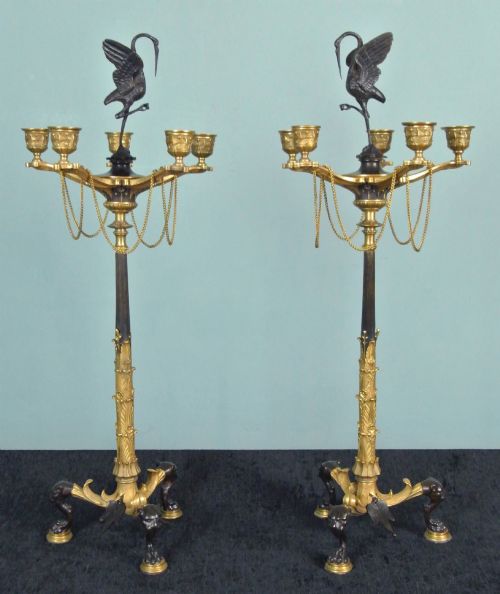
Maker workshops produced these pieces through precision metal casting, utilising bronze, brass, and gilded metals shaped into intricate botanical and figural forms. Artisans then applied mercury gilding, known as ormolu, or electroplating to achieve the characteristic golden surface finish.
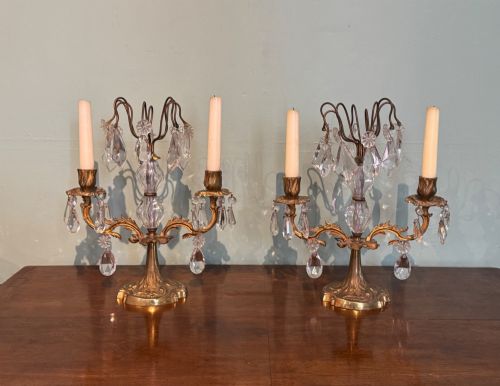
Many designs incorporate contrasting materials, pairing metal elements with white marble, onyx, fluorspar, porcelain, enamel, and cut glass components. Artisans chased and hand-finished the cast metal surfaces to sharpen details on drapery, hair, and ornamentation before final assembly.
Some nineteenth-century makers populated their bronze candelabras with detailed bronze stags, does, and winged cherubs supporting the candle nozzles.
What Varies in Quality
The finish of the gilding also dictates the standard of the piece, with genuine mercury gilding or thick ormolu retaining a warm, deep lustre compared to flat modern plating. Furthermore, the choice of secondary materials, such as heavy solid marble bases or painted Sevres porcelain inserts, elevates the overall execution of the object.
Barbedienne·Francois Redmond·Pierre Philippe Thomire·Thiebaut Freres·Rabiat
The French Gilt Candelabras Glossary
- Ormolu
- Gilt bronze created by applying a mercury and gold amalgam to a bronze base and heating it until the mercury vaporised. This historic technique produced a durable golden surface found on finer antique pieces.
- Garniture
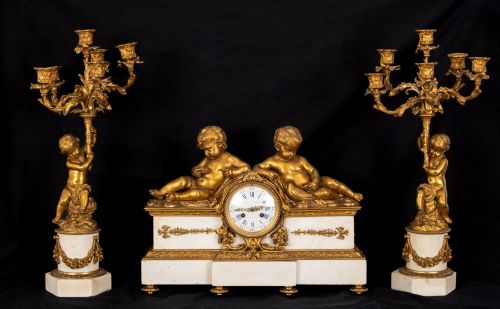
- A set of matching decorative objects, typically consisting of a mantel clock accompanied by a pair of candelabras or vases designed to sit together on a fireplace mantel.
- Candelabra
- A branched candleholder designed to hold multiple candles simultaneously from a single central stem. These differ from single candlesticks through their multi-arm configuration.
- Girandole
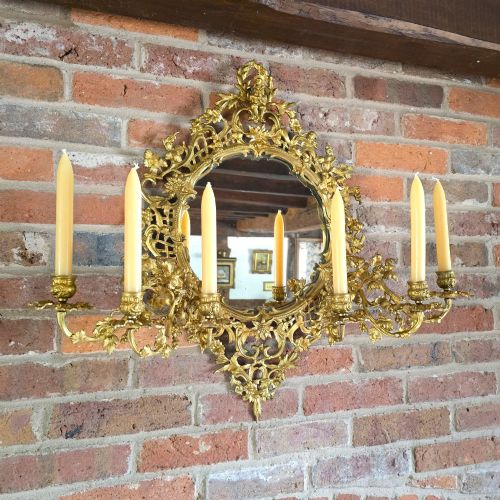
- A branched wall-mounted candelabra, often incorporating a mirror backplate to reflect and amplify the candlelight. They frequently feature crystal drops or ornate gilded brass frames.
- Chasing
- The manual post-casting process where artisans use small punches and hammers to refine surface textures, sharpen details, and remove casting flaws on metalwork.
French Gilt Candelabras: Frequently Asked Questions
How do I clean gilt bronze?
Dust these pieces gently with a soft dry brush, avoiding harsh metal polishes that can strip the delicate gold finish.
Moisture should be kept away from marble bases and enamel components to prevent staining or structural damage over time.
Were these electrified later?
Many nineteenth-century examples have been converted to electricity for modern interior use, often with wiring routed discreetly through the central stem.
Unconverted pieces retain their original socket cups and drip pans designed strictly for wax candles.
How do I date a candelabra?
Stylistic clues such as classical Empire motifs or asymmetrical Rococo curves help narrow down the period of manufacture alongside the casting quality.
Signatures, foundry marks stamped into the bronze, or assembly numbers on the underside provide further historical context.
What is a clock garniture?
A clock garniture is a matched decorative set where a central mantel clock is flanked by two matching candelabras or urns.
These sets were designed to create a symmetrical centrepiece on nineteenth-century drawing room mantelpieces.