
French Gilt Bronze Desk
When you search for a french gilt bronze desk, you encounter nineteenth-century writing furniture defined by cast metal mounts and fine timber frames.
French Gilt Bronze Desk
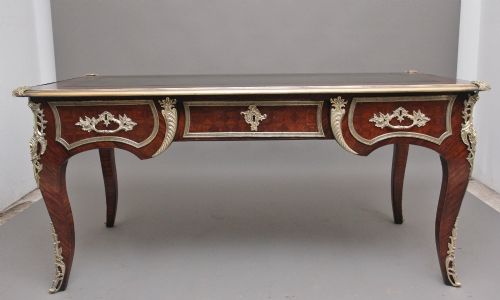
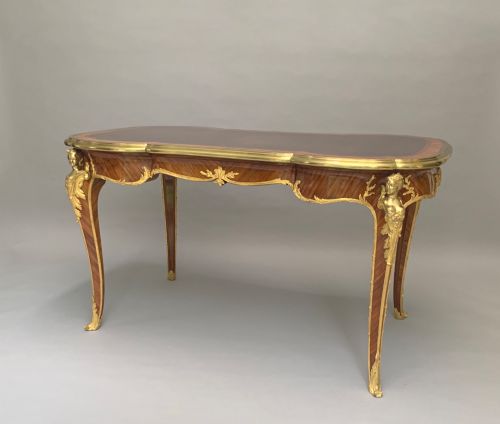
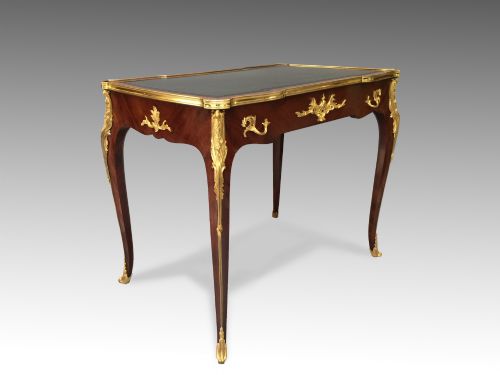
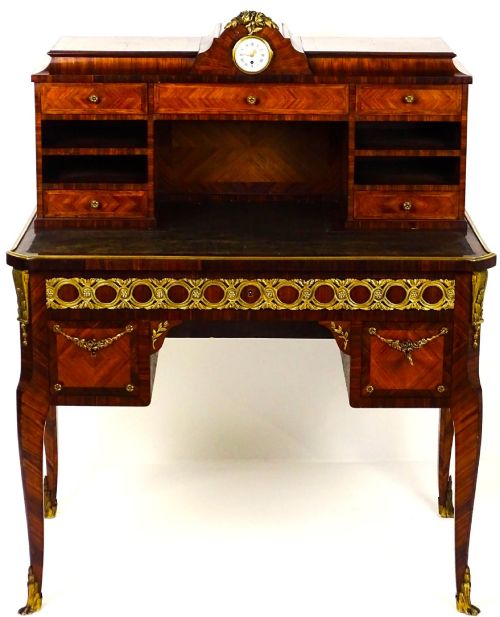
The french gilt bronze desk category encompasses bureau plat writing tables, cylinder desks, and library desks originating from nineteenth-century France.
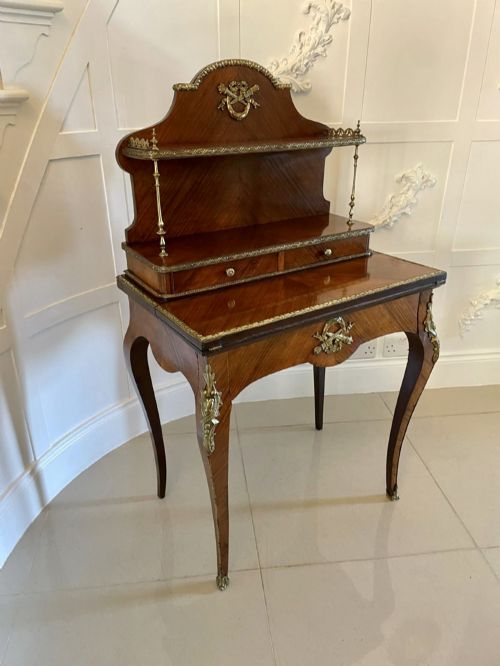
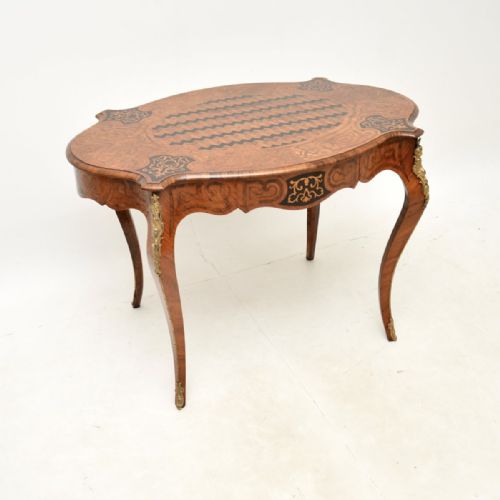
Makers utilised various formats, including serpentine writing desks with marquetry inlay and larger library desks mounted with cast metal.
Buyers frequently encounter pieces displaying Louis XV and Louis XVI revival styles, often combining timber surfaces with gilt bronze and ormolu mounts.
Materials and Technique
Craftsmen built timber carcases using hardwoods such as kingwood, rosewood, mahogany, and amboyna, frequently finished with parquetry and floral marquetry patterns.
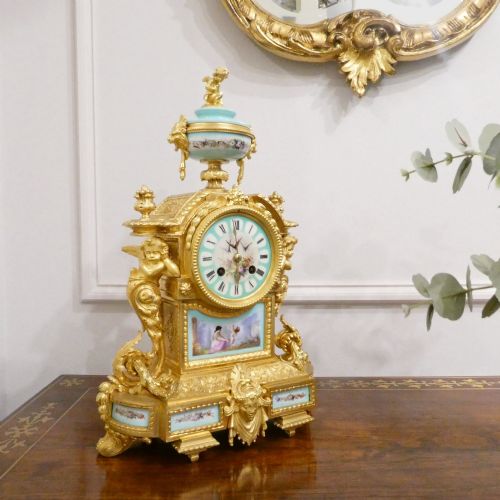
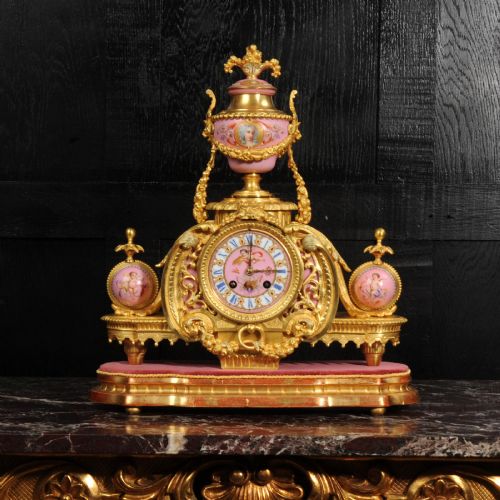
The defining visual element involves cast ormolu and gilt bronze mounts, which decorate corners, handles, and friezes across the desk structures.
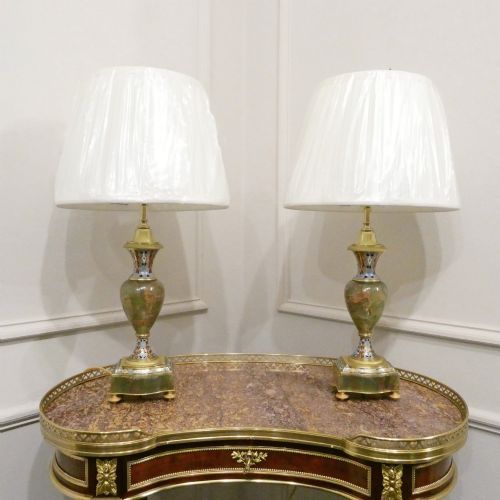
Desk sets in the archive include cut crystal pots and letter racks trimmed in gilt bronze for the writing table.
Distinctions in Execution
Quality separates through the crispness of the gilt bronze chasing and the complexity of the timber parquetry or marquetry patterns embedded in the carcase.
Pieces bearing signatures from notable workshops or retailers demonstrate superior cabinetmaking standards and heavier, more deeply worked bronze mounts.
François Linke·Paul Sormani·Maison Krieger·Durand·Achille Brocot·Japy Freres·Edwards & Roberts
The French Gilt Bronze Desk Glossary
- Bureau plat
- A freestanding writing table fitted with drawers across the frieze, lacking a superstructure. These desks typically feature leather inset writing surfaces bordered by gilt bronze mounts.
- Ormolu
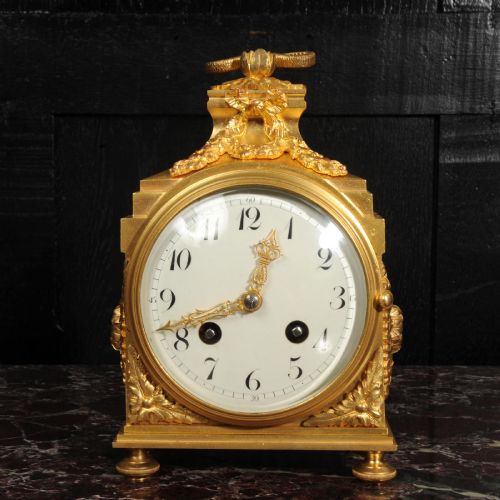
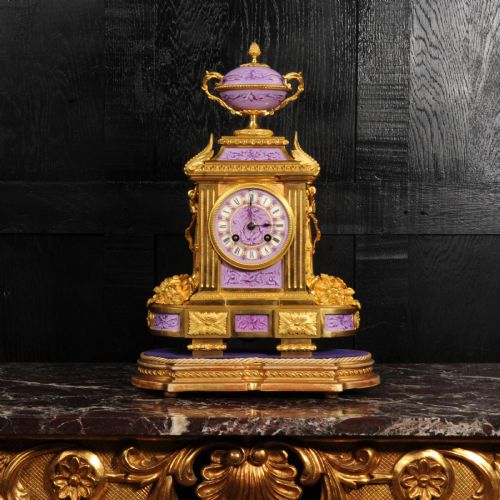
- Gilded brass or bronze applied to furniture and clocks. The technique involves coating the base metal with a mercury and gold amalgam before heating.
- Marquetry
- Decorative veneer patterns arranged on furniture surfaces to form pictures or geometric designs. Craftsmen utilised contrasting timbers like kingwood and rosewood.
- Parquetry
- Geometric wood mosaic work used for flooring and furniture tops. Pieces in the listings display these angled repeating wood patterns.
- Cylinder desk
- A writing desk featuring a curved rolling wooden shutter that conceals interior pigeonholes and drawers. The exterior often displays elaborate bronze mounts.
French Gilt Bronze Desk: Frequently Asked Questions
What is a bureau plat?
A bureau plat is a double-sided writing table designed to stand away from the wall in the centre of a room.
These tables feature drawers built into the frieze and are typically mounted with gilt bronze details.
How do I identify nineteenth-century styles?
Nineteenth-century pieces often revive earlier monarchical aesthetics, specifically the flowing curves of Louis XV and the neoclassical symmetry of Louis XVI.
Examine the mount designs and wood veneers to determine which revival period influenced the maker.
Where were these desks used?
These writing desks served as functional furniture in private libraries, salons, and administrative offices across nineteenth-century France.
Their finished backs allowed them to occupy prominent positions in the middle of reception rooms.
How do I care for gilt bronze mounts?
Gilt bronze mounts require gentle dusting with a soft, dry cloth to prevent the accumulation of dirt in the recessed chased details.
Avoid chemical polishes and abrasive cleaners, which can strip the original fire-gilt finish from the metal surface.