

French Empire Style Desk
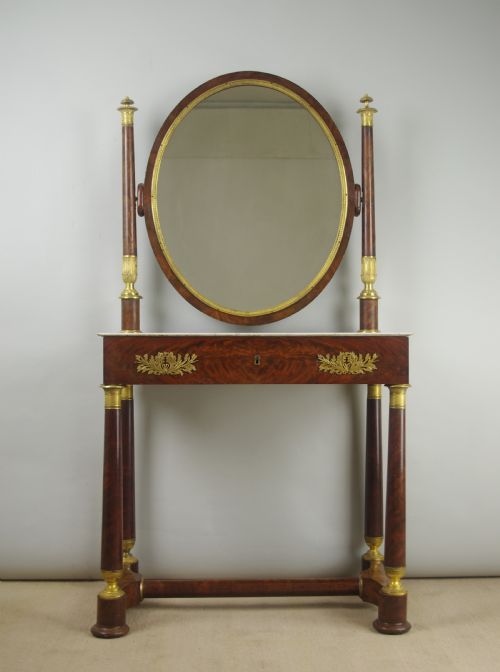
A french empire style desk brings classical dignity to a room through rich mahogany and precise ormolu mounts.
French Empire Style Desk
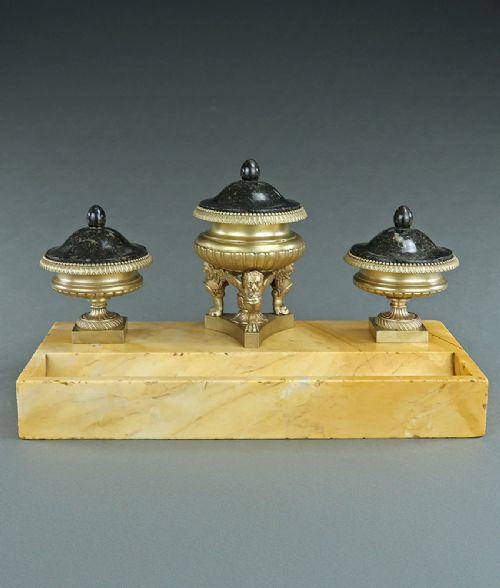
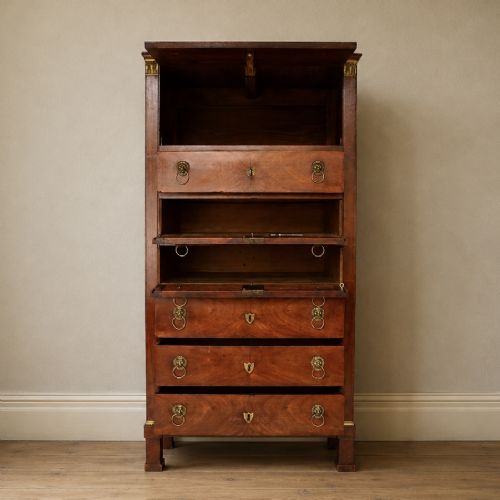
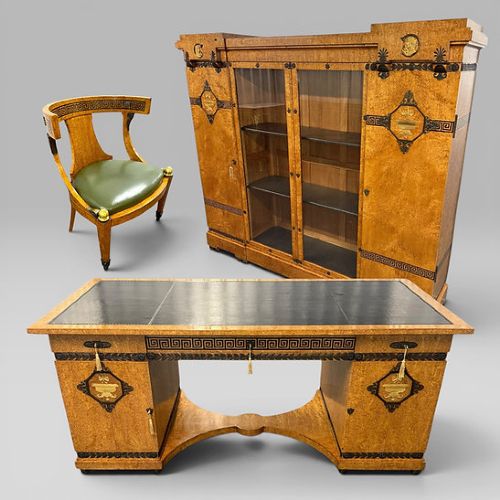
When you search for a french empire style desk, you encounter writing furniture rooted in nineteenth-century classical design. The pieces meeting this description range from substantial cylinder desks to smaller bureau plat writing tables and matching office sets.
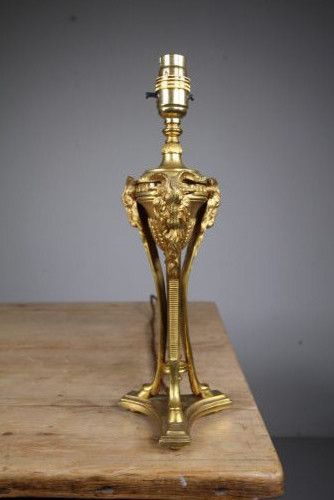
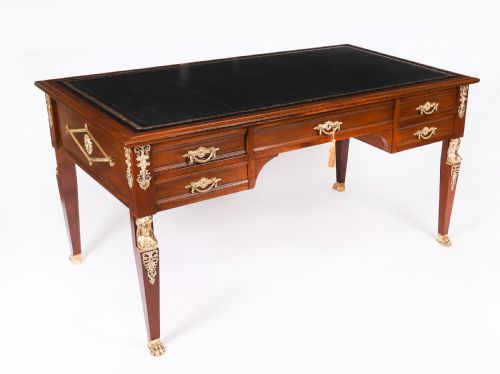
Mahogany and walnut form the primary timbers for these desks, frequently paired with contrasting marble tops and leather writing surfaces. Ormolu mounts applied to the wood echo classical motifs such as rams' heads and architectural columns.
Revival pieces from later decades sit alongside nineteenth-century originals on the page. These later interpretations maintain the heavy classical silhouettes and decorative metal mounts established during the original period.
Materials and Construction
Cabinet makers utilised dense hardwoods including flame mahogany and walnut to construct the main carcases of these desks. These timbers provide a dark, heavy foundation that accepts polished finishes.
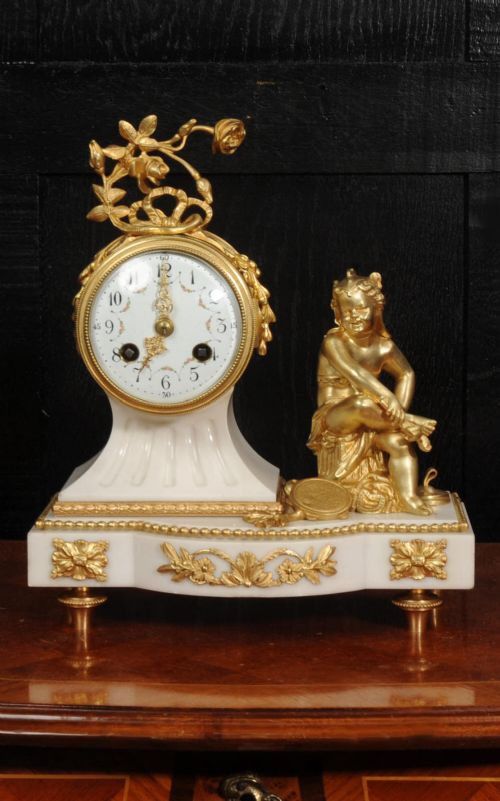
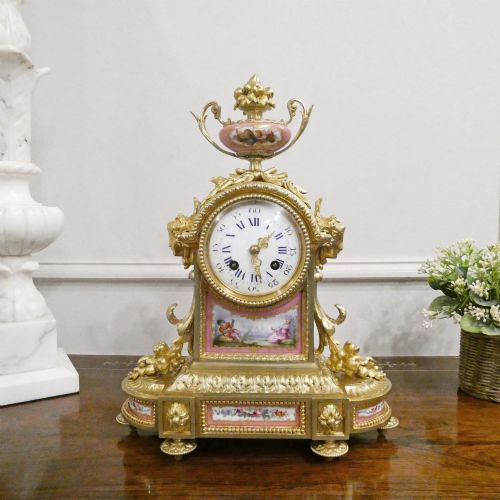
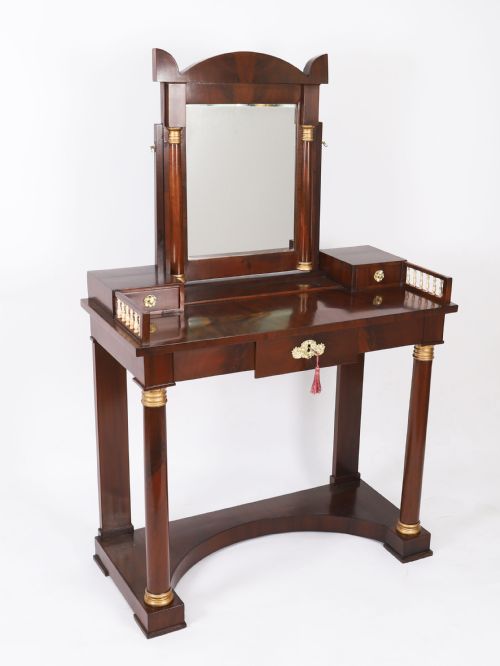
Gilt bronze and ormolu details embellish the corners, legs and drawer fronts. Craftsmen cast and chased these metal mounts separately before fixing them securely to the wooden structure.
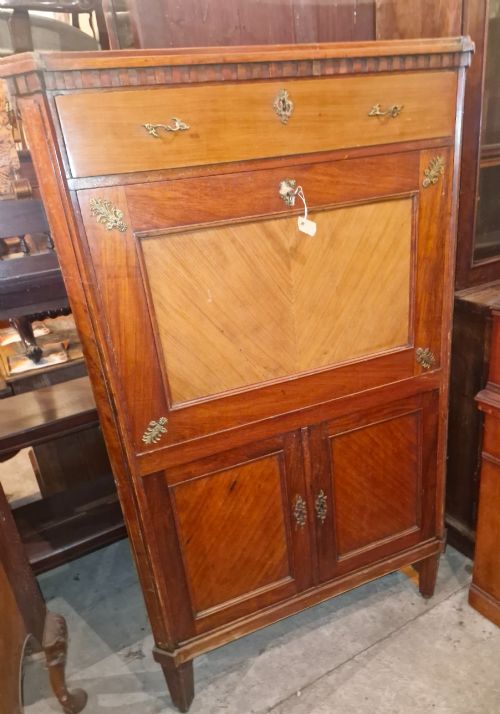
Inlaid leather writing panels and polished marble tops complete the working surfaces. Secret drawers and internal compartments often conceal themselves behind drop-front writing flaps.
Materials recorded across the inventory include gilt bronze, marble, leather, and cast ormolu.
Quality Variations
The precision of the ormolu chasing sets the standard for these pieces. Crisply defined metalwork with sharp details distinguishes superior examples from softer, shallower castings.
Timber selection dictates visual depth on the desktop and cabinet fronts. Matched flame mahogany veneers or solid burr walnut demonstrate greater care in material preparation.
Structural integrity relies on the tightness of joinery and the smooth movement of drawers and drop-front mechanisms. Heavier desks require robust interior framing to support marble slabs and heavy timber.
Japy Freres·Mercier Freres
The French Empire Style Desk Glossary
- Ormolu
- Gilded bronze applied as a decorative mount on furniture and clocks. This technique uses mercury gilding on historical pieces to achieve a durable golden finish.
- Secrétaire à abattant
- A tall upright cabinet with a fall-front writing surface. Opening the flap reveals a fitted interior with small drawers and pigeonholes.
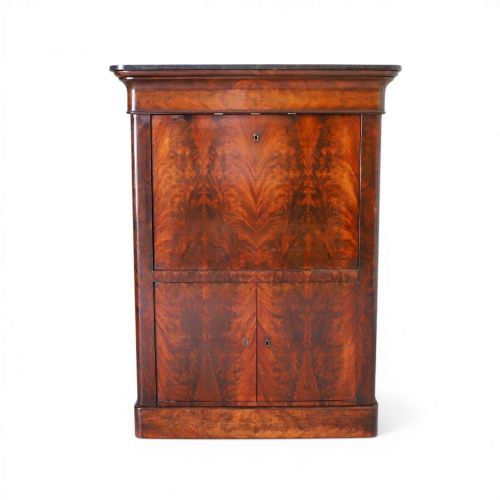
- Flame mahogany
- Timber cut from the fork of the mahogany tree to create a distinctive flickering grain pattern. Cabinet makers used these veneers on prominent surfaces.
- Directoire
- A transitional design style preceding the full Empire period. It combines classical restraint with early nineteenth-century decorative motifs.
French Empire Style Desk: Frequently Asked Questions
How do I identify a true period desk?
Examine the timber construction methods and the quality of the hand-chased ormolu mounts. Nineteenth-century examples display traditional joinery and heavy hardwood carcases beneath the polished surface.
Compare the proportions and decorative motifs against documented neoclassical designs. Period pieces show a weight and integration of metalwork that later revivals occasionally simplify.
Are these desks suitable for daily writing?
Many of these writing tables and bureau plat desks function well for contemporary study use. The leather writing inserts provide a stable, traditional surface for modern paperwork.
Care must be taken with antique veneers and polished marble tops when placing heavy equipment on them. Using blotters protects the historical leather from ink and friction.
What maintenance do ormolu mounts need?
Ormolu requires gentle dusting with a soft, dry brush to prevent dirt accumulation in the recessed areas. Avoid abrasive metal polishes that strip the historic gilding.
Stable room humidity protects both the gilt bronze and the underlying mahogany. Excessive moisture causes the timber to warp and threatens the adhesion of the mounts.
How do style periods differ?
Neoclassical and Louis XVI styles favour lighter proportions with straight tapering legs and subtle ribbon or floral carvings. Empire designs introduce heavier architectural elements inspired by Roman antiquity.
Revival pieces from the later nineteenth century adapt these earlier vocabularies with mechanized interior fittings and varied timber selections.