





French Empire Pier Mirrors
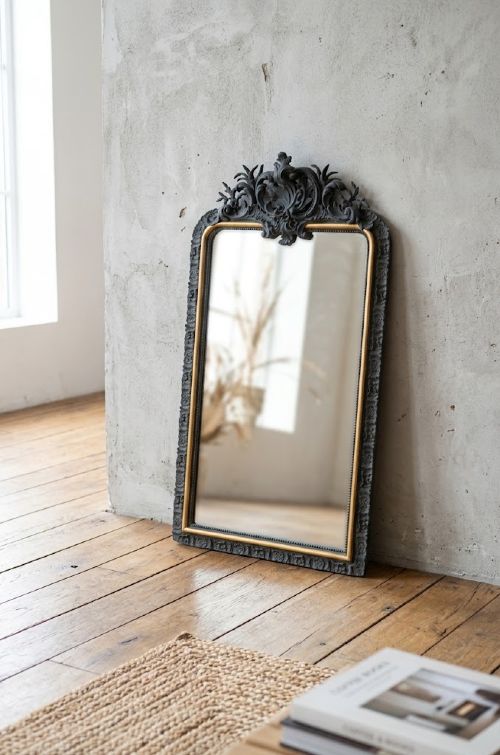
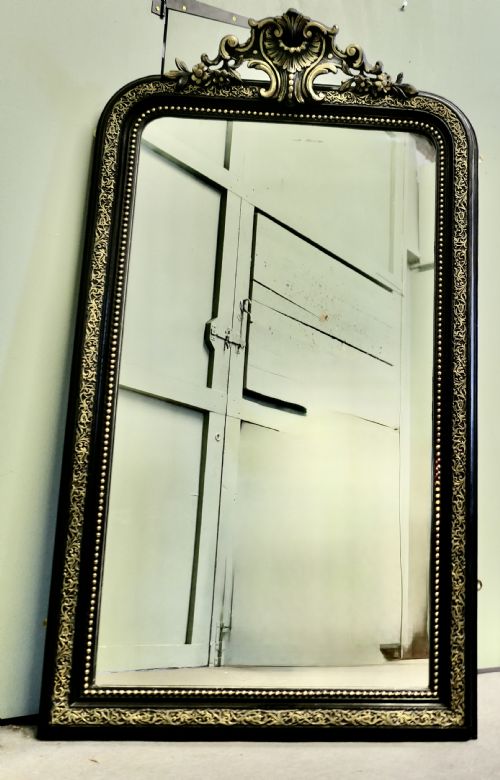
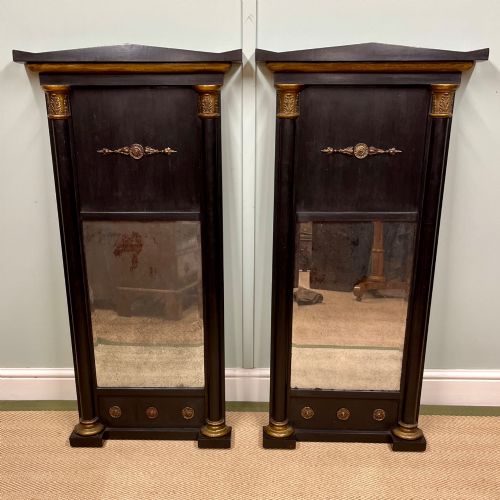
French empire pier mirrors bring architectural grandeur and reflective light to a room, framed in rich mahogany, giltwood or ormolu.
French Empire Pier Mirrors
French empire pier mirrors sit traditionally between windows or above console tables, anchoring high-ceilinged rooms with vertical presence. These impressive glasses reflect natural light across the floor, drawing the eye upwards through tall, stately proportions.
Most examples found here date from the nineteenth century, including pieces from the Napoleon III, Charles X and Empire revival periods. They span grand giltwood frames with carved detail to severe, dark mahogany structures accented by classical mounts.
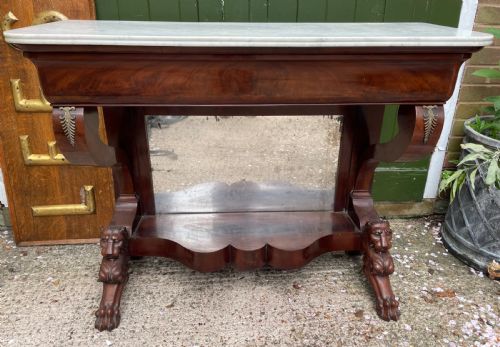
Associated console tables in marble and mahogany frequently accompany the search for these large glasses. The selection ranges from authentic early nineteenth century works to later revival interpretations executed with comparable scale.
Materials and construction
Makers constructed these frames from dense mahogany, softwood cores covered in gesso, or solid timber primed for extensive gilding. Craftsmen applied gold leaf or bronze ormolu mounts to highlight the architectural symmetry favoured during the period.
Painted panels and carved wood frequently complement the primary gilding and dark timbers, introducing contrasting textures. Heavy glass plates, often original to the piece, sit securely within rebated wooden frames supported by sturdy structural backs.
Some nineteenth century mirrors have absorbed so much history they still reflect the ghostly outline of where heavy velvet curtains once brushed their frames.
Distinguishing quality
The sophistication of the carved ornamentation and the crispness of the gilt bronze or ormolu mounts dictate the upper tier of these pieces. Fine craftsmanship shows in the depth of the wood carving and the harmonious integration of painted panels within the overall design.
Proportion and scale play vital roles, as larger pier mirrors demand precise joinery to remain stable over time. The clarity and preservation of the original glass plates and the weight of the timber further separate standard production from exceptional work.
The French Empire Pier Mirrors Glossary
- Pier mirror
- A tall mirror designed specifically to hang on the wall space between two windows. These pieces often match console tables placed directly below them.
- Giltwood
- Timber that has been coated with a thin layer of gold leaf over a prepared gesso ground. This finish provides a brilliant reflective surface that catches interior candlelight or daylight.
- Ormolu
- Gilded bronze mounts applied to furniture and mirror frames for decorative contrast. The technique involves treating brass or bronze with a mercury-gold amalgam.
- Trumeau
- A decorative wall mirror featuring an integrated painted or carved panel above the glass plate. This style was particularly popular in grand nineteenth-century interiors.
- Console table
- A table designed to stand against a wall, frequently topped with marble. These pieces are regularly paired with pier mirrors in formal rooms.
French Empire Pier Mirrors: Frequently Asked Questions
Where should I hang a pier mirror?
These tall glasses are traditionally placed on the narrow wall space between two windows to maximise light and create a sense of symmetry.
They also work effectively above console tables in hallways, living rooms or dining spaces where their height commands attention.
How do I date a French empire mirror?
Dating relies on examining the timber species, the style of the carved motifs, and the construction methods used on the reverse. Early nineteenth-century pieces often display heavier mahogany and classical ormolu, while later revival works from the Victorian era show different secondary woods.
Looking closely at the silvering on the glass and the composition of the gesso underneath the gilding also provides clear clues to the exact manufacturing period.
Are these mirrors heavy to hang?
French empire pier mirrors are exceptionally heavy due to the density of the timber, gesso work and thick glass plates. Proper wall fixings into masonry or secure studwork are essential to support their substantial weight safely.
Professional installation is strongly advised to ensure the frame remains secure against the wall without straining the hanging loops.
Did these mirrors always have console tables?
While pier mirrors were frequently designed to coordinate with console tables placed underneath them, they were also hung independently above fireplaces or blank walls. Many survived separately over the decades as individual decorative objects.
Matching a mirror with a separate marble-topped console table of the same period remains a popular way to recreate the original nineteenth-century arrangement.