

French Empire Pendant
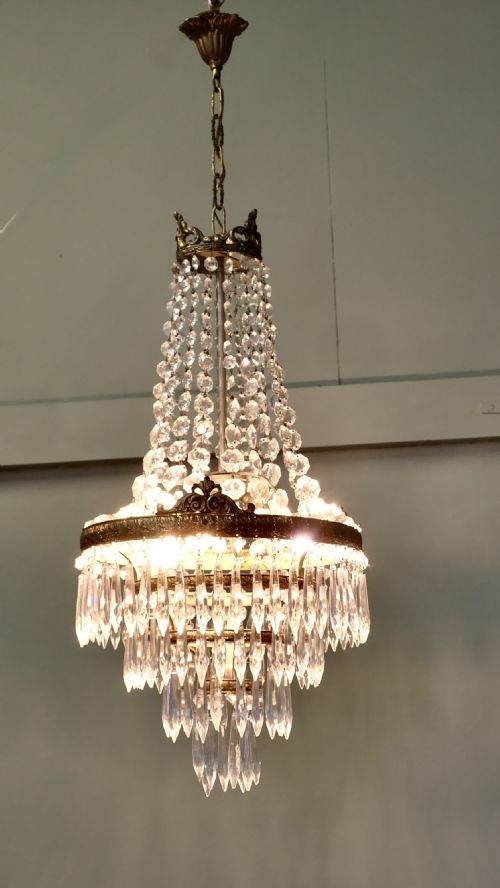
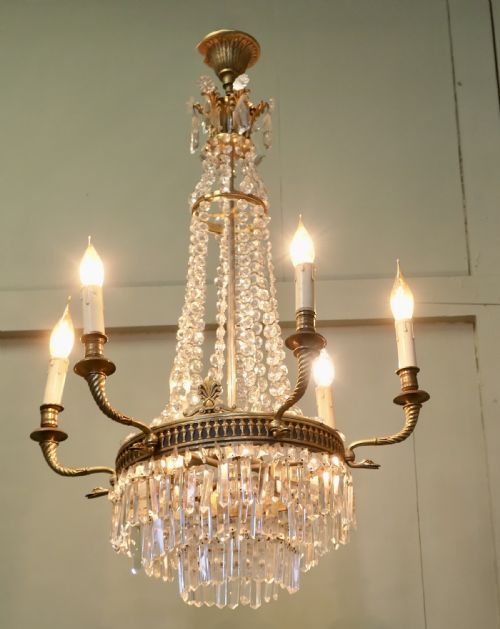
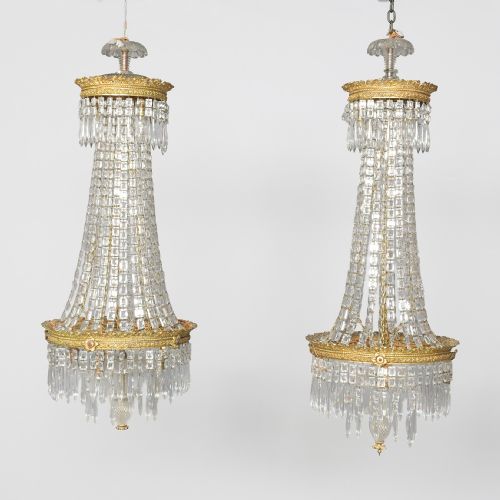
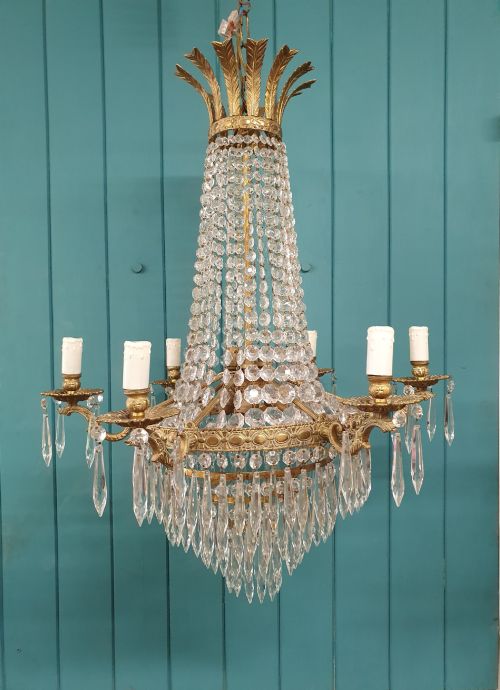
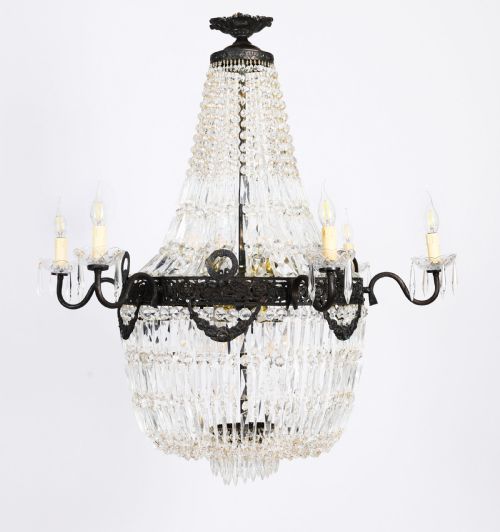
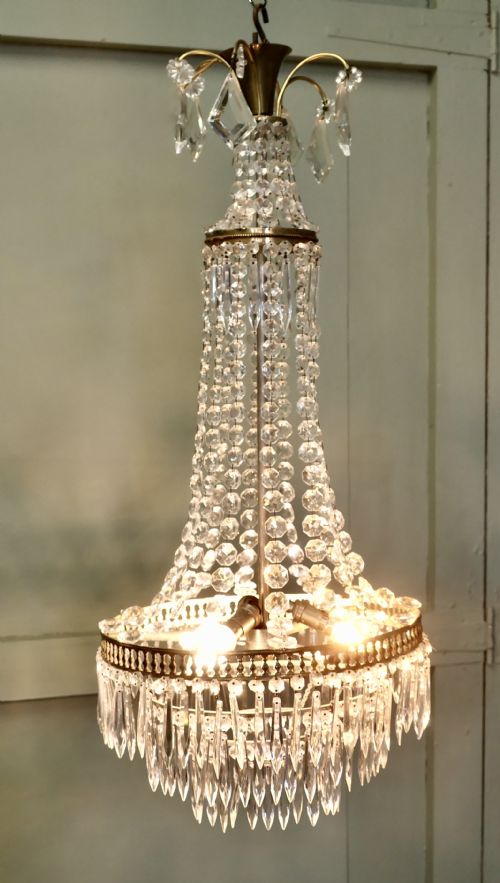
These french empire pendant lights bring classic neoclassical proportion and dramatic crystal cascades into a room.
French Empire Pendant
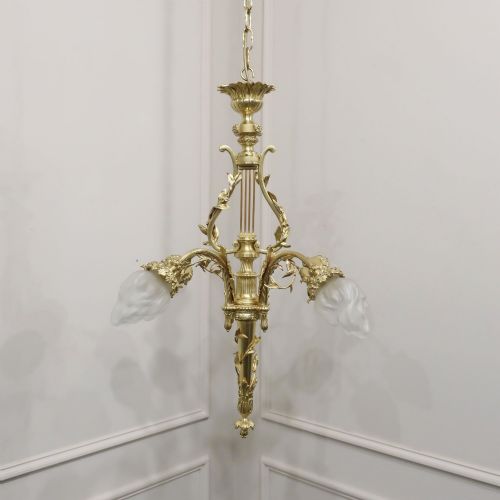
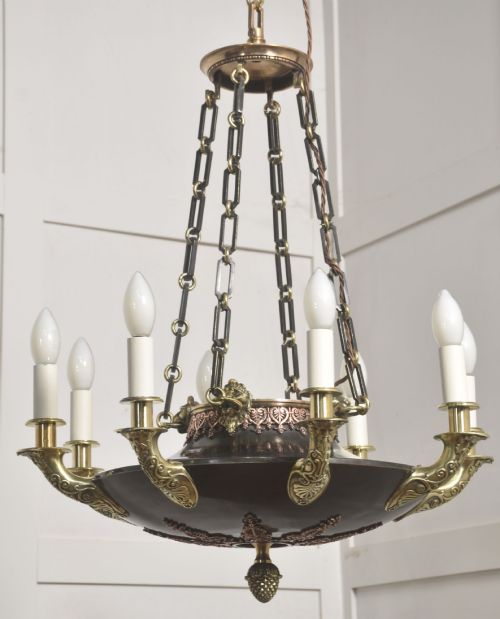
A french empire pendant captures a distinct decorative vocabulary rooted in neoclassical design, often taking the form of elaborate ceiling fixtures rather than small hanging ornaments. When exploring this selection, buyers frequently encounter large multi-arm chandeliers alongside single-light basket and lantern formats.
The objects span from the nineteenth century into the early decades of the twentieth century, encompassing revival movements like Louis Revival and Art Deco interpretations. These pieces function primarily as central illumination sources, utilising tiered configurations to distribute light downward through glass and crystal components.
Originating firmly within a French aesthetic tradition, the category ranges from modest single-light fixtures to sixteen-light ballrooms fittings. Buyers select these items to anchor high ceilings or introduce period character into formal spaces.
Materials and Construction
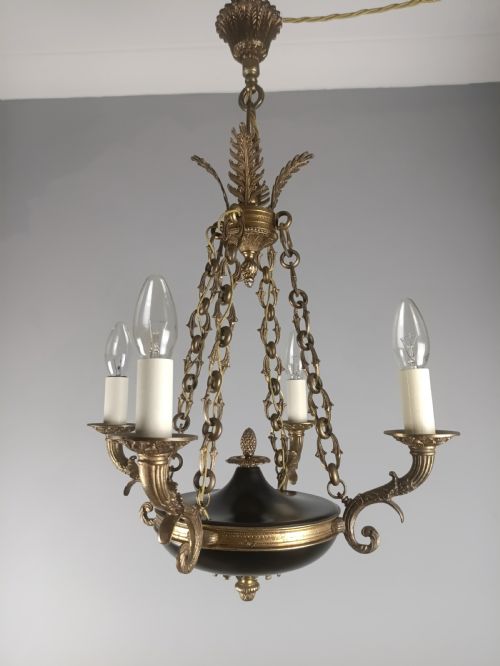
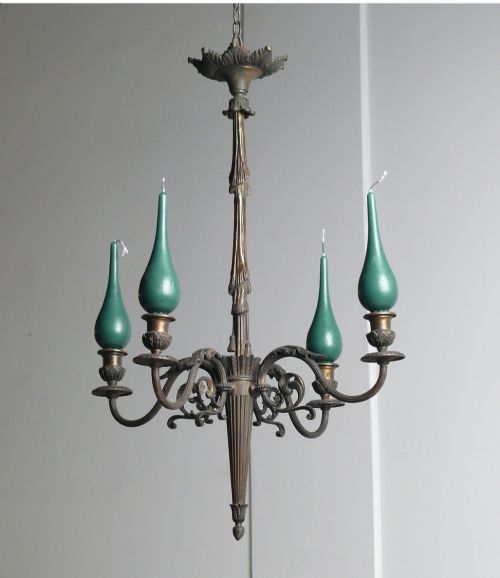
Metal structures form the backbone of these pieces, combining cast bronze, patinated bronze, and gilt bronze with brass and copper. Artisans shaped these metals into detailed frames, incorporating decorative elements such as leaf motifs and lyre shapes.
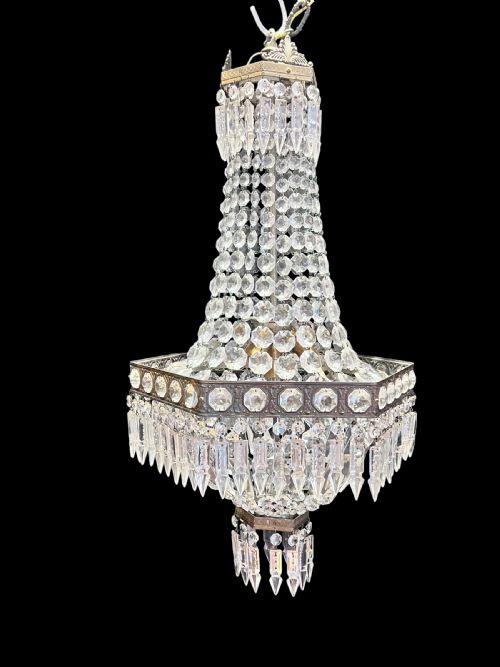
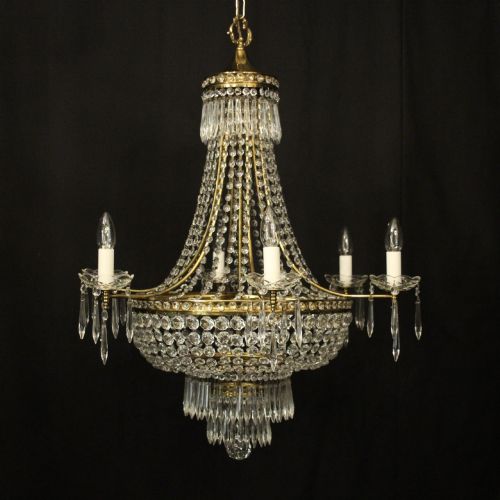
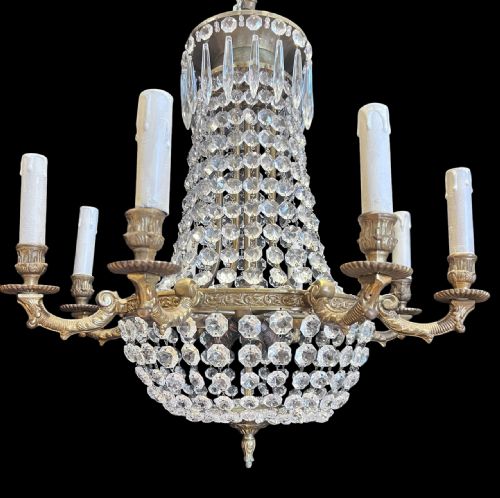
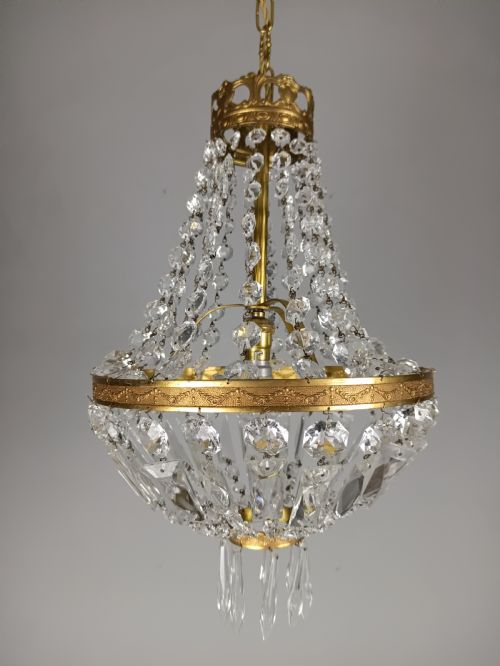
Transparent elements define the visual weight of the fixtures, utilising cut glass, crystal glass, and bead arrangements configured into tents, waterfalls, and bag structures. Prisms catch and refract the illumination from multiple internal light sources.
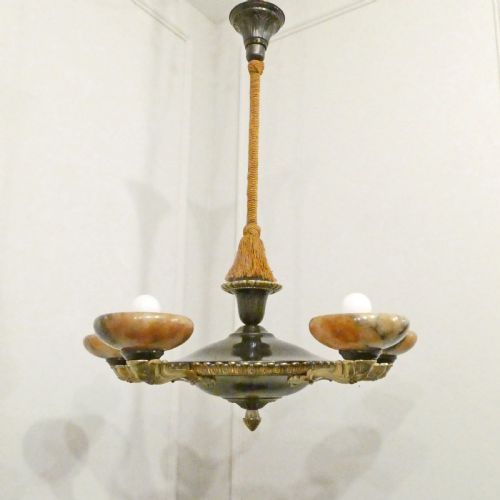
Secondary materials like alabaster appear alongside metal and glass in specific revival pieces, demonstrating the varied manufacturing approaches employed by period workshops.
Materials documented across the available inventory include alabaster, copper, patinated bronze, and cut crystal glass.
Evaluating the Range
The distinction between tiers of quality rests upon the complexity of the metal casting and the clarity of the glass elements. Finer examples display crisper chasing on bronze mounts and more intricate configurations of cut crystal drops.
Scale and proportion govern the architectural success of a fixture, where larger multi-light chandeliers demand harmonious balance between the upper tent structure and the lower waterfall drops. The integration of period decorative details, such as specific leaf decorations or specialised lantern framing, elevates a piece above standard production.
The integrity of the structural frame, whether brass, copper, or gilded bronze, dictates the longevity and physical presence of the hanging light.
The French Empire Pendant Glossary
- Tent and waterfall
- A classic configuration where an upper conical section of strung crystal beads cascades down over lower tiers of drops and prisms. This arrangement creates a dense, shimmering curtain of light.
- Gilt bronze
- Metal alloy treated with a gold application, providing a durable and luminous surface finish. It appears frequently on high-status neoclassical and empire framework.
- Bag chandelier
- A specific drop style where crystals gather in a rounded, bag-like enclosure beneath the main frame. It concentrates illumination while offering a distinct silhouette.
- Lyre chandelier
- A lighting form shaped after the classical musical instrument, incorporating symmetrical curved metal arms. This motif reflects direct neoclassical influence.
- Patinated bronze
- Metal darkened chemically to produce a deep, aged surface tone. It contrasts effectively with polished brass or clear crystal elements.
French Empire Pendant: Frequently Asked Questions
How do I hang a heavy antique chandelier?
These large metal and crystal fixtures require secure anchoring directly into ceiling joists using rated structural hardware. Professional electrical and weight-bearing installation is essential for safety.
Weight distribution matters significantly given the substantial combination of bronze frames and dense crystal drops found in nineteenth and early twentieth-century examples.
What is the difference between empire and neoclassical styles?
Neoclassical design draws broad inspiration from ancient Greek and Roman architecture, focusing on symmetry, restraint, and classical motifs like the lyre. Empire style represents a specific, more grandiose evolution under Napoleonic rule.
Empire lighting often emphasises military motifs, rich gilding, and imposing tent-and-waterfall silhouettes designed to project imperial power.
Can I clean the crystal prisms safely?
Dismantling individual crystal drops allows for gentle washing in warm water with mild soap before careful drying. Maintaining the metal framework requires avoiding harsh chemical cleaners that might strip original gilding or patination.
Regular dusting preserves the refractive quality of the glass without risking damage to historic wire bindings.
How do I determine the correct fixture size?
Room dimensions and ceiling height dictate the appropriate scale of a hanging light. Large multi-arm configurations suit expansive spaces, whereas single-light baskets fit more intimate rooms.
Clearance from the floor to the lowest crystal drop remains a primary functional consideration for everyday movement.