
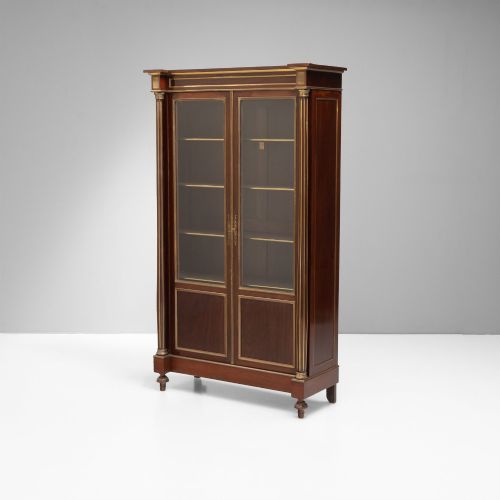
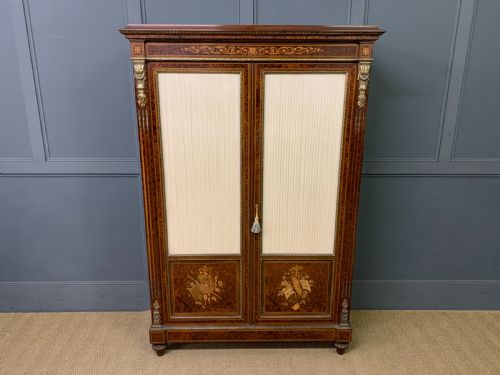
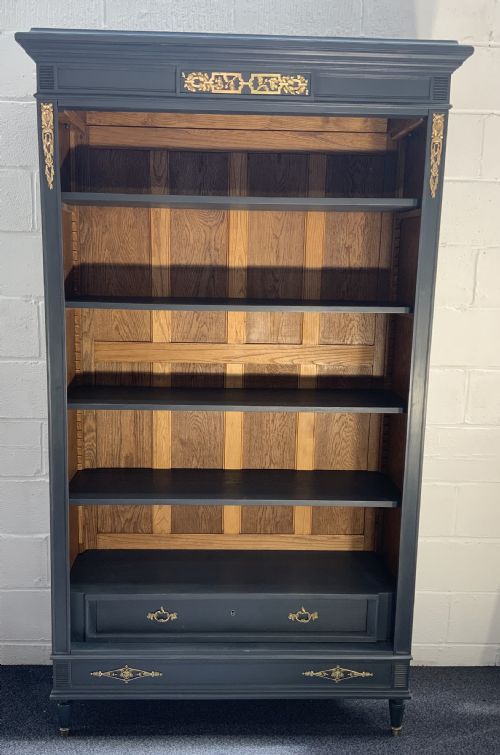


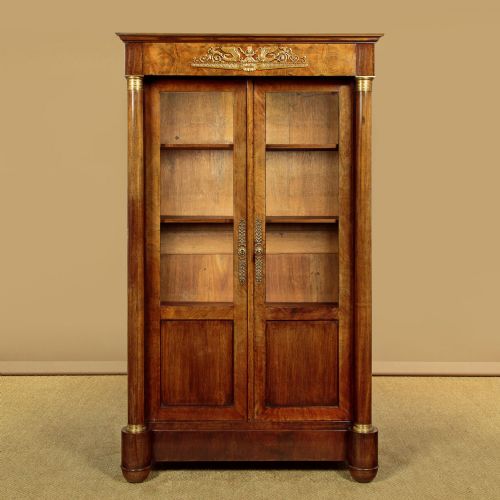


French Empire Display Cabinet
These french empire display cabinet pieces combine classical architectural lines with rich timbers and polished ormolu mounts to showcase fine collections.
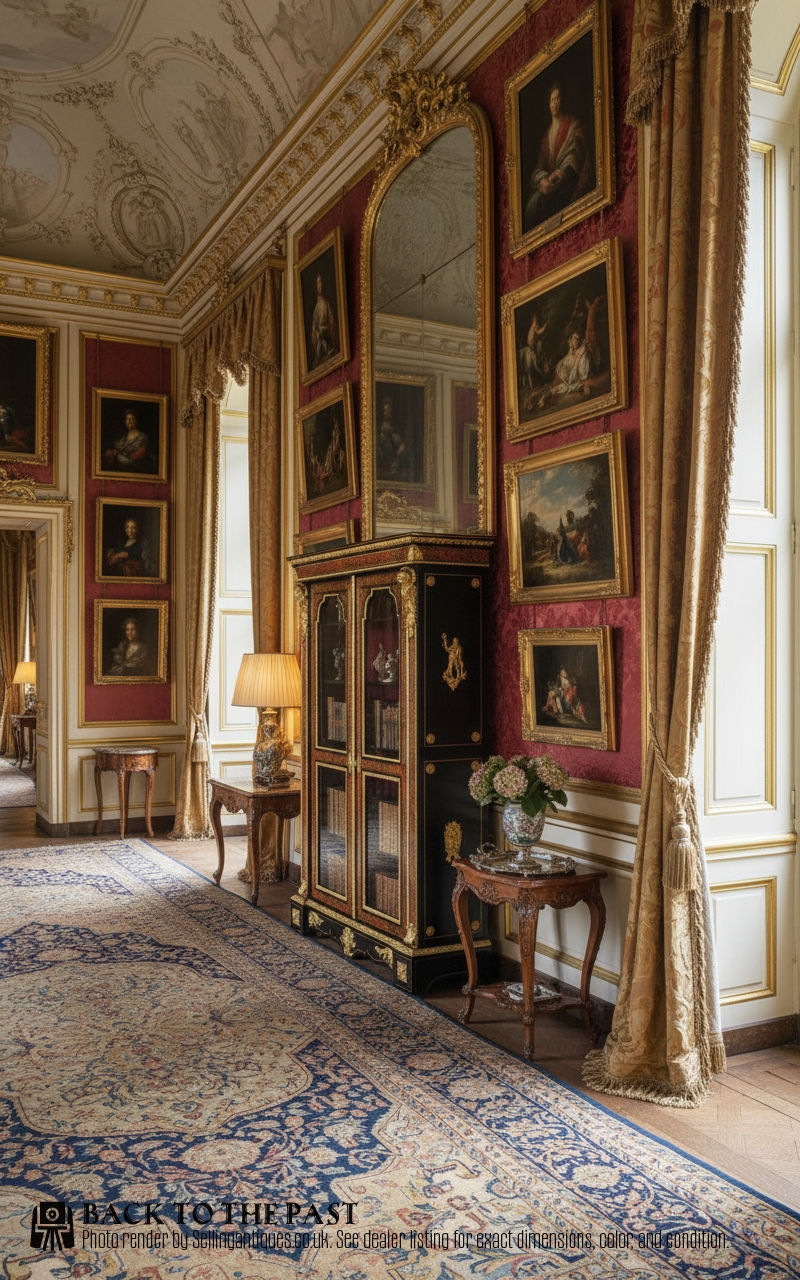
French Empire Display Cabinet
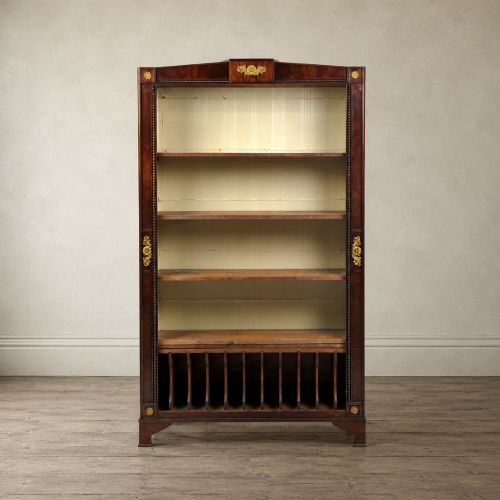
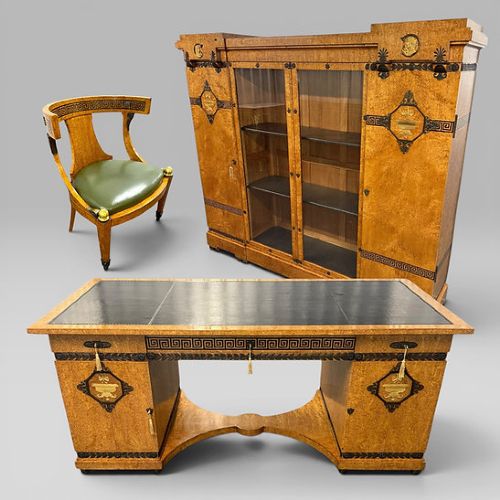
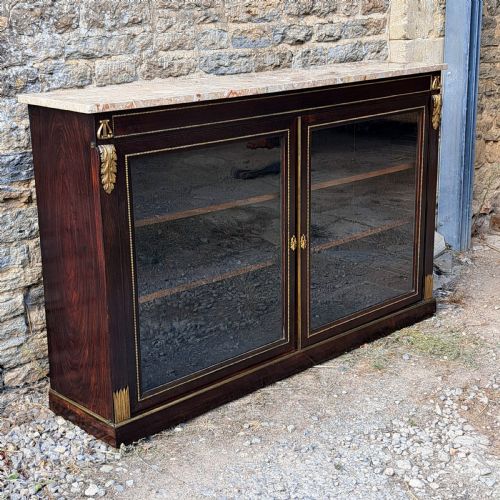
A french empire display cabinet takes many forms across the selection, ranging from tall mahogany bookcases and side cabinets to open display shelves and glass cases designed for bijouterie. These pieces draw primarily on French Empire, Napoleon III, and French Neoclassical styles, with occasional examples reflecting Charles X or Regency influences.
The materials span mahogany, rosewood, satinwood, ebonised wood, and burr maple, frequently enriched with brass, gilt metal, ormolu, and glass. Many items incorporate porcelain plaques, adding distinct decorative elements to the woodwork.
Makers and periods represented extend from Georgian-era productions around eighteen twenty through nineteenth-century Napoleon III items up to early twentieth-century pieces dated nineteen ten. Buyers encounter both enclosed two-door cabinets and open bookcases featuring classical embellishments.
Judging quality in construction and ornament
The refinement of the ormolu mounts and brass embellishments dictates the upper tier of the range, separating sharply cast, finely chased metalwork from simpler commercial hardware.
Timber selection governs structural distinction, where choice veneers like plum pudding mahogany, burr maple, or figured satinwood display superior grain patterns against standard cabinet woods.
Integration of secondary elements such as hand-painted porcelain plaques or intricate boulle marquetry elevates the overall execution of the piece.
Listings feature woods including mahogany, rosewood, satinwood, ebonised wood, oak, and burr maple.
Mercier Frères·Darte Brothers
The French Empire Display Cabinet Glossary
- Ormolu
- Gilt bronze ornamentation applied to furniture and decorative objects. This technique involves coating cast bronze in a layer of gold amalgam.
- Boulle marquetry
- A decorative process combining tortoiseshell and brass inlay developed in France. Artisans cut these materials together to form intricate contrasting patterns.
- Bijouterie
- A small glass-fronted showcase designed specifically for displaying precious trinkets and small collectibles. These cases sit on pedestals or tabletops.
- Vieux Paris
- Porcelain produced by various independent workshops in Paris during the eighteenth and nineteenth centuries. Items often feature hand-painted scenes and gilt accents.
- Pilaster
- A rectangular architectural column projecting slightly from a wall or cabinet side. They add structural rhythm and classical proportion to furniture façades.
French Empire Display Cabinet: Frequently Asked Questions
What is a french empire display cabinet used for?
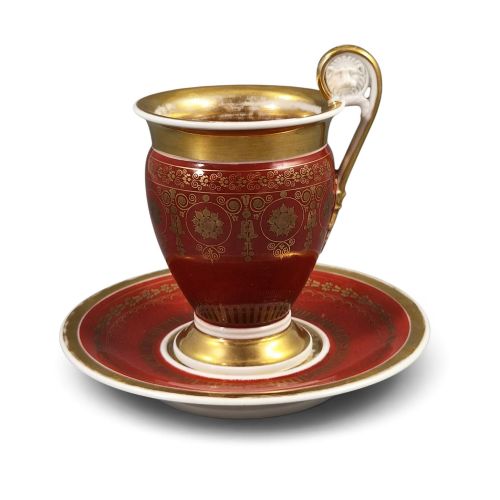
These cabinets serve to house and exhibit fine porcelain plates, cabinet cups, and treasured collections behind protective glass doors. Their formal design brings architectural presence to a room.
They function equally well as refined bookcases or dedicated display cases for small art objects and precious items.
How do I date a french empire display cabinet?
Dating relies on examining timber choices, construction techniques, and stylistic markers such as Napoleon III ebonising or earlier Georgian mahogany framing. Secondary materials like porcelain plaques also help narrow the production era.
Comparing the crispness of the ormolu mounts against known nineteenth-century production standards provides further chronological clues.
Where should I place a french empire display cabinet?
Position these substantial pieces against a solid wall in a drawing room, study, or formal dining space where their rich timbers and ormolu mounts can catch natural light. Keeping them away from direct heat sources protects the veneers.
Ensure adequate floor space so the doors and glass panels open freely without obstruction.
How do I clean and maintain the ormolu?
Dust the brass and ormolu mounts gently with a soft, dry brush to prevent the buildup of grime in the chased recesses. Avoid harsh chemical cleaners that strip the gilt finish.
Apply a microcrystalline wax sparingly to the timber surfaces to preserve the polished sheen of the mahogany or rosewood.