




French Display Cabinet Table
A french display cabinet table brings together the utility of a table and the clear glass visibility of a showcase for small collections.
French Display Cabinet Table
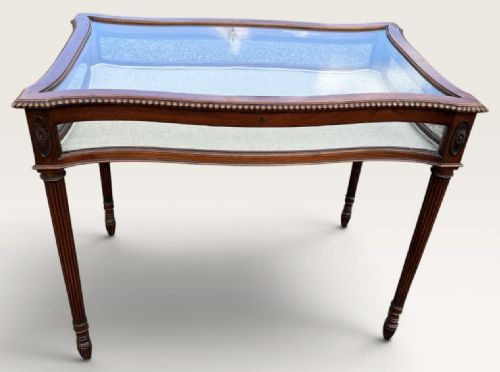
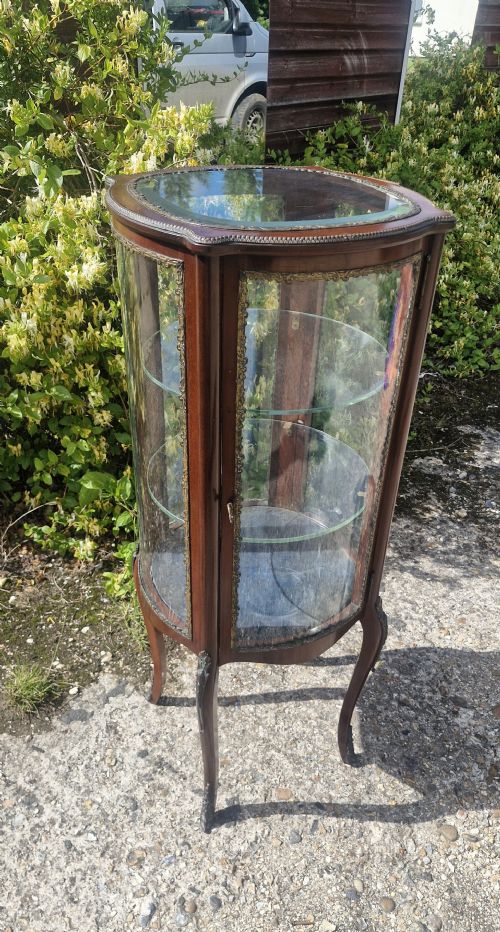
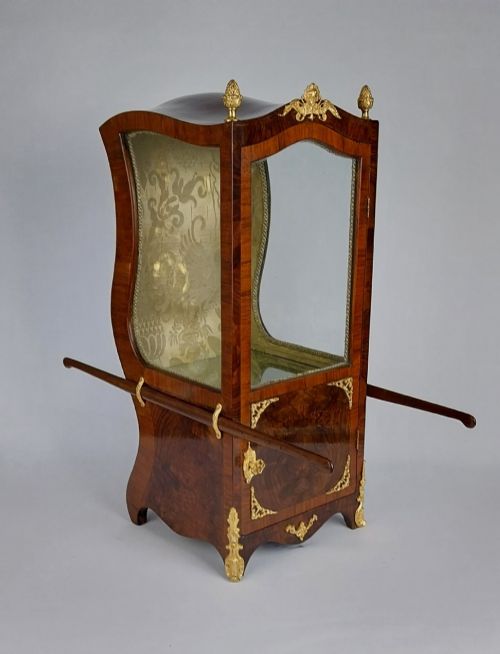
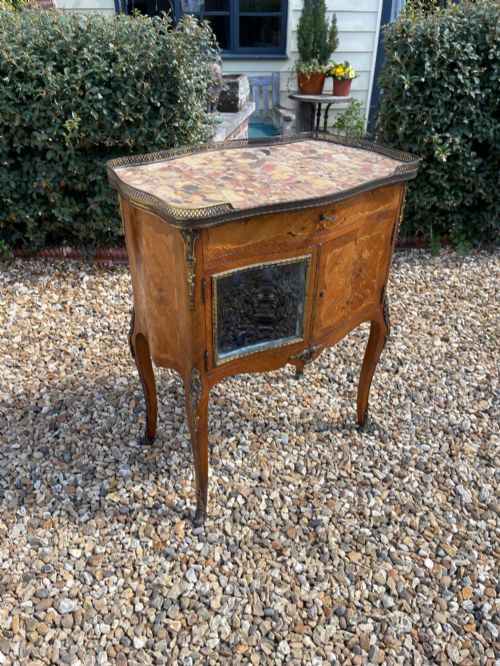
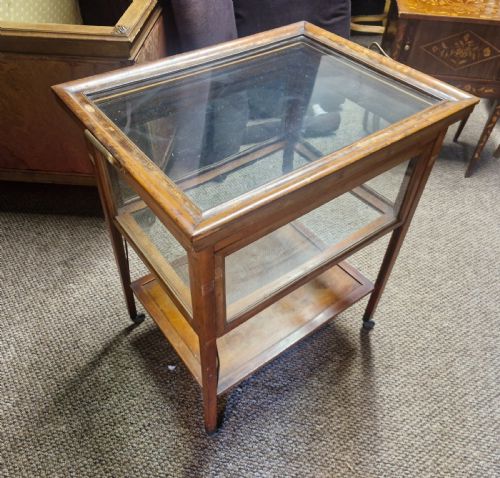
A french display cabinet table serves as a dual-purpose furnishing designed to exhibit precious items beneath glass while functioning as a surface. When searching for a french display cabinet table, buyers encounter forms that merge cabinet work with display engineering, primarily originating from the nineteenth century and the Edwardian era. These pieces frequently manifest as bijouterie tables, vitrines, and glass-topped occasional tables.
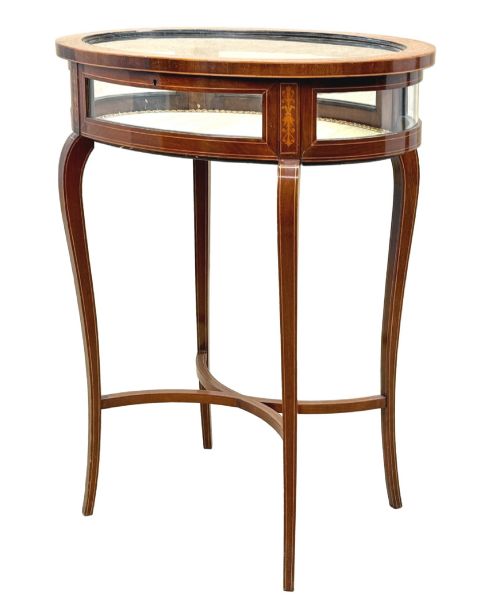
The construction typically involves a glazed upper compartment or hinged tabletop tray raised on slender legs, allowing light to illuminate the contents from above and the sides. Styles range from French Rococo Revival and Louis XV to Louis XVI design vocabularies, often incorporating serpentine contours, oval shapes, or geometric profiles. The contents were traditionally intended for jewellery, medals, and small decorative curiosities within a boudoir or formal reception room.
How They Were Made
Cabinetmakers utilised timber frameworks of mahogany, walnut, kingwood, rosewood, and satinwood, frequently applying decorative marquetry or intricate brass inlay. The internal display areas often utilised linings of velvet or fabric to cushion and frame the objects placed inside. Glazing relied on bevelled glass panes fitted securely into timber or metal frames.
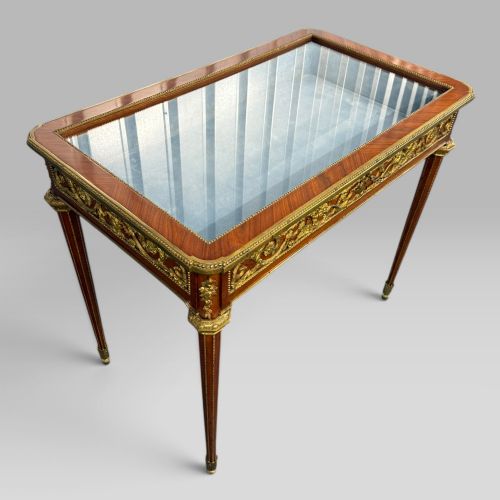
Metal ornament played a structural and decorative role, with cast brass, gilt-metal, and ormolu mounts edging tabletops, framing glass panels, and embellishing the legs. Joinery techniques accommodated the weight of the glass lids and the delicate balance of elevated display wells, supported by turned legs, cabriole supports, or tapering frames.
Periods represented span the Victorian era, Edwardian period, and the nineteenth century, alongside specific dates from 1860 to 1960.
What Varies in Quality
The refinement of the ormolu or gilt-bronze mounts distinguishes superior examples from standard production, as finely chased metalwork requires expert hand-finishing. The choice and execution of timber veneers, such as matched kingwood or detailed marquetry patterns, indicate the level of craftsmanship invested in the cabinet.
Structural integrity relies on the precision of the glass-fitting and the smooth operation of hinged table tops or cabinet doors. Tables attributed to specific workshops or bearing high-grade material combinations like Sevres plaques reflect a tier of design executed for affluent patrons.
François Linke·Gabriel Viardot
The French Display Cabinet Table Glossary
- Bijouterie table
- A glass-topped table specifically designed for displaying jewellery and small precious objects. These pieces often feature a hinged glazed lid for interior access.
- Ormolu
- Gilt-bronze ornamentation applied to furniture and decorative objects. The technique involves creating a gold-mercury amalgam on a bronze base.
- Vitrine
- A glass-sided cabinet intended for the display of curiosities and porcelain. They appear in table formats as well as standing variations.
- Marquetry
- The art of applying pieces of veneer to a structure to form decorative patterns and pictures. Makers utilised various coloured woods to achieve tonal depth.
- Etagere
- An open piece of furniture consisting of several levels of shelves for display. They often complement enclosed display cabinets within a room scheme.
French Display Cabinet Table: Frequently Asked Questions
What is a bijouterie table?
A bijouterie table is a specialised display furniture piece featuring a glazed compartment, often with a hinged top, designed to showcase small valuable items like jewellery and medals.
These tables lift the collection to waist height, allowing light to enter from the glass top and sides for optimal viewing.
How do I date a display table?
Dating relies on observing stylistic markers, timber choices, and construction methods such as dovetailing and the casting quality of metal mounts. Nineteenth-century and Edwardian examples often combine revival styles with specific hardware.
Comparing the secondary woods and the style of the ormolu mounts helps narrow down the period of manufacture.
Where were these cabinets used?
These pieces typically resided in nineteenth-century drawing rooms, boudoirs, and private salons where hosts entertained guests. They provided a secure, dust-free enclosure for delicate personal collections.
The glass top invited guests to inspect delicate items without handling them directly.
Can I use these tables for daily surface use?
Display cabinet tables feature glazed tops or delicate veneer surfaces that require careful treatment to avoid scratching or pressure damage. While sturdy enough for light objects, they are primarily designed as display vessels rather than heavy-duty utility tables.
Placing them away from direct foot traffic preserves the delicate brass inlays and fabric linings.