


French Decorative Table
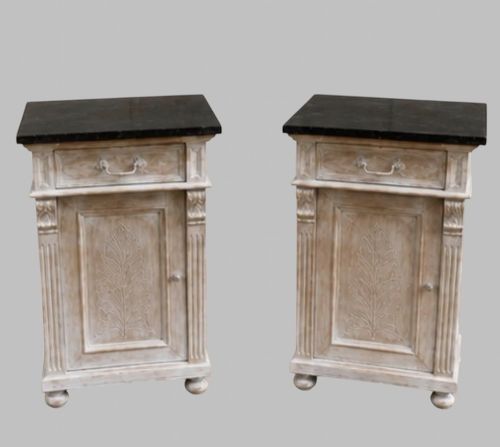
When you search for a french decorative table, you are looking at items designed to catch the eye through carved wood, painted finishes, and marble tops.
French Decorative Table
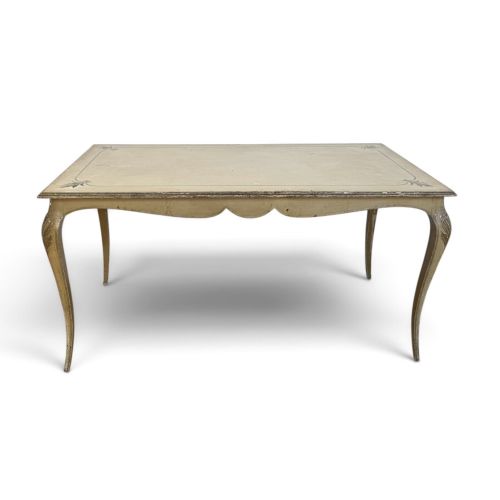
A french decorative table encompasses a wide range of occasional furniture, console tables, and centrepieces built to enhance domestic interiors through distinct design periods. These pieces often feature specific stylistic traits such as cabriole legs, carved wooden frames, and marble inserts.
The most common forms seen on this page include console tables meant for placement against walls, alongside occasional and centre tables designed for central room placement. Materials span walnut, oak, mahogany, and painted pine, frequently accented with gilt or parcel-gilt details.
Origins trace back through the nineteenth century, encompassing Empire, Rococo Revival, and provincial styles. Buyers select these tables to introduce architectural presence and historical character into modern or traditional rooms.
How they were made
Makers utilised traditional joinery combined with detailed surface ornament, building frames from hardwoods such as walnut, oak, and mahogany. Many pieces employ carved wooden construction finished with paint, gilt wood, or clear polish to highlight the grain.
Marble inserts provide durable and contrasting table tops on console and side pieces, while applied gilt bronze or ormolu mounts accentuate corners and aprons. Regional pieces show simpler folk art construction methods using local softwoods and straightforward painted finishes.
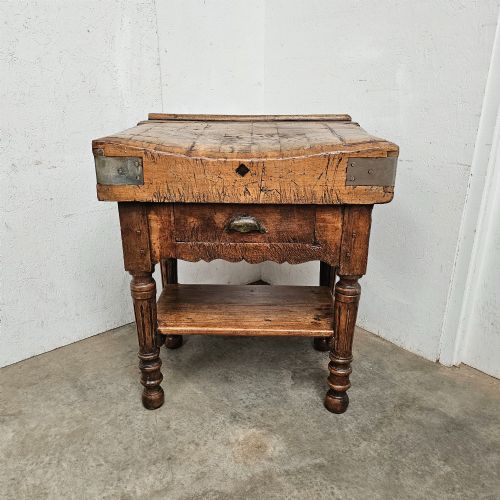
Some tables hide their working history behind immaculate gilt bronze, while others proudly display butcher block scars from old kitchens.
What varies in quality
The distinction between tiers rests upon the crispness of the wood carving and the weight of the bronze or ormolu mounts applied to the frame. Superior examples display hand-carved details with deep relief rather than shallow moulding or cast resin replacements.
Original painted or gilded surfaces hold greater integrity than later repainted layers, directly influencing the authenticity of the piece. The selection of fitted marble tops, particularly those with complex profiling and rich veining, indicates higher workshop standards.
Henry Marc·Siffel and Cartier·Pierre Philippe Thomire·Charles Schneider·Etienne Lenoir·Rodier·Thuret·Georges Leleu
The French Decorative Table Glossary
- Console table
- A table designed to stand against a wall, frequently supported by two front legs and secured to the wall at the rear. These pieces often feature marble tops and elaborate carved aprons.
- Gueridon
- A small round occasional table supported by a central pillar or a tripod base. Originating in the seventeenth century, nineteenth-century examples often incorporate mahogany and marble.
- Ormolu
- Gilt bronze ornamentation applied to furniture and decorative objects. The technique involves creating a mercury-gilt finish on a cast bronze base.
- Cabriole leg
- A furniture leg that curves outward at the knee and tapers inward toward the foot, mimicking animal limbs. This form is common in Rococo and related revival styles.
French Decorative Table: Frequently Asked Questions
Where should I place a console table?
Console tables fit naturally in entrance halls, living rooms, or dining spaces where floor space is limited. Their narrow profile allows them to sit flush against a wall while displaying lamps or decorative objects.
Pairing a console with a mirror or mounting it beneath artwork creates a balanced focal point in a room. Their flat surfaces also suit transitional spaces like landings and wide corridors.
How do I care for a marble top?
Marble surfaces require prompt wiping of liquid spills to prevent staining, particularly from acidic substances like wine or citrus juice. Using coasters and protective mats preserves the polished stone finish over time.
Cleaning should involve a soft cloth and mild, pH-neutral soap rather than abrasive household chemicals. Occasional waxing helps protect the porous surface from daily wear.
What defines Empire style furniture?
Empire style draws heavily on classical Greek, Roman, and Egyptian motifs, featuring clean structural lines alongside rich mahogany veneers. Ormolu mounts depicting wreaths, sphinxes, and classical figures frequently accent the dark wood surfaces.
This aesthetic emerged during the early nineteenth century and communicates a sense of formal symmetry. Pieces from this era often rely on architectural proportions rather than heavy surface carving.
How do I distinguish provincial pieces?
Provincial furniture displays simpler construction methods and local materials compared to urban workshop output. These tables often feature fruitwood or oak timbers with restrained carving suited to rural homes.
While lacking the elaborate gilt mounts of court furniture, provincial items offer genuine utility and folk character. Their designs reflect regional traditions rather than strict adherence to academic style revivals.