



French Decorative Side Tables
French decorative side tables bring continental elegance to an interior, offering functional surfaces paired with expressive period craftsmanship.
French Decorative Side Tables
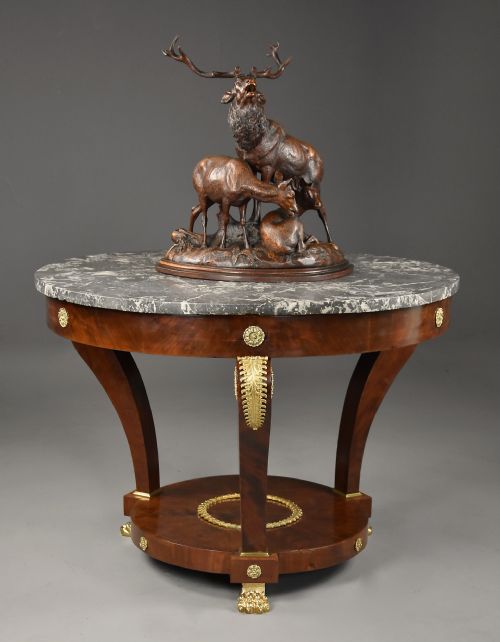
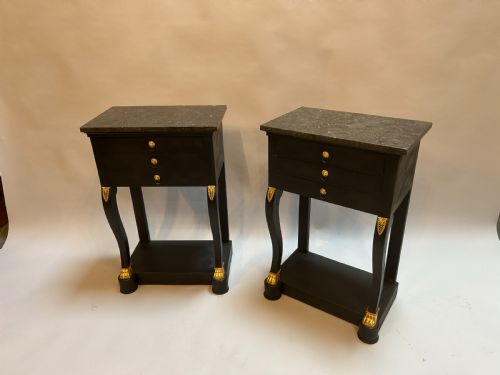
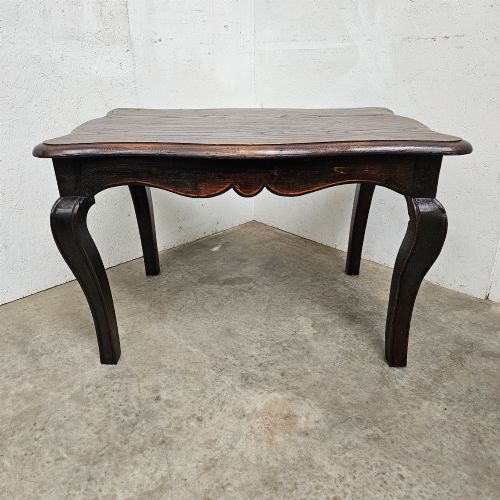
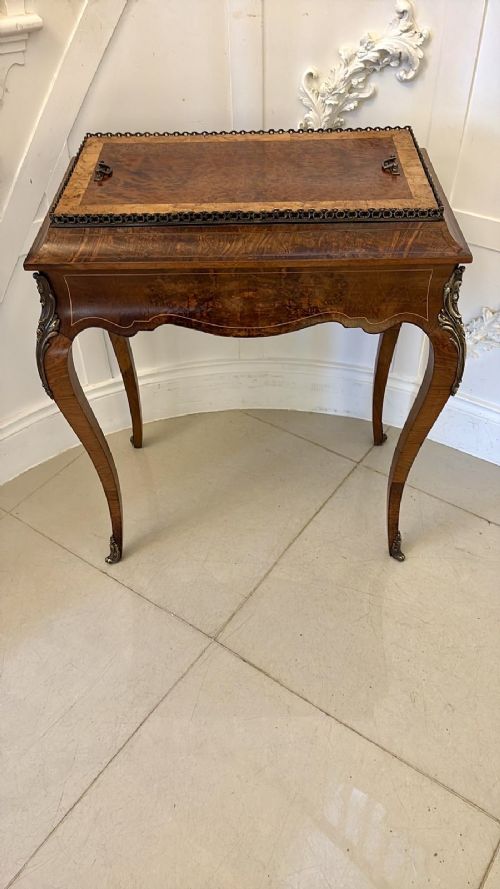
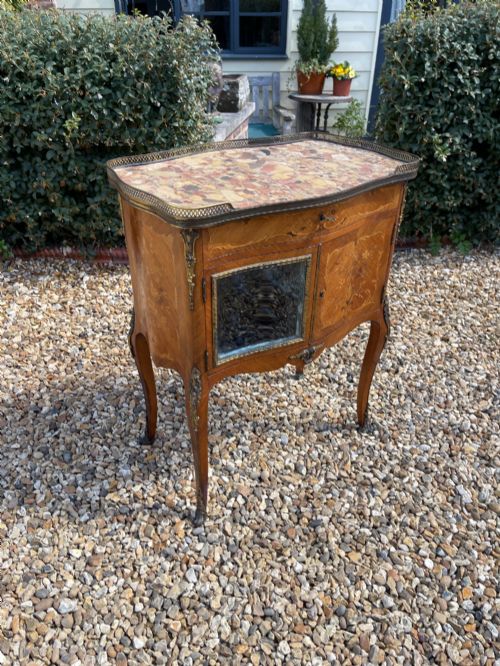
French decorative side tables encompass a broad array of occasional surfaces, including bedside chests, wine tables, jardinière tables, and demi-lune forms. These pieces date from the nineteenth and early twentieth centuries, spanning periods from the eighteen-fifties through the nineteen-thirties.
You will frequently encounter items styled after classical European aesthetics, ranging from Louis XVI and French Empire to Art Deco and French Provincial. They serve practical functions in sitting rooms and bedrooms while introducing distinct decorative character through varied silhouettes.
How they were made
Cabinetmakers utilised timber frameworks combining walnut, satinwood, chestnut, and amboyna, often enhanced with marquetry or painted finishes. Giltwood, gilt bronze, brass mounts, and cast iron provide structural accents and decorative relief.
Many examples incorporate inset marble, onyx, or glass tops, alongside carved details, to achieve the finished ornamental surface.
French Decorative Side Tables Retail Price Guide 2026
Typical asking prices for french decorative side tables among the pieces listed under this phrase on Sellingantiques today, from the lower quarter to the upper quarter. They describe what is for sale here now, not the wider market.
Listings feature periods spanning the nineteenth century through the nineteen-forties, utilising marble, walnut, giltwood, and fabric.
What varies in quality
Quality rests in the precision of the hand carving, the choice of timber and veneer, and the integration of secondary materials like marble and bronze. Superior examples display refined proportions and crisp detailing across mounts and mouldings.
The sophistication of decorative surface work, from marquetry patterns to painted finishes, distinguishes standard functional pieces from those of finer workshop origin.
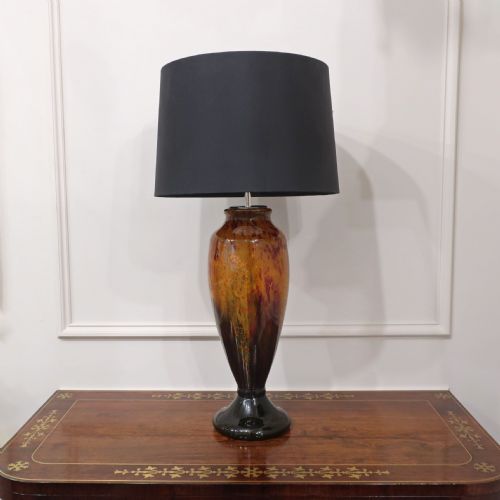
Charles Schneider
The French Decorative Side Tables Glossary
- Demi-lune
- A half-moon shaped table designed to stand flat against a wall. This form allows the piece to function in narrow hallways or compact rooms.
- Jardinière table
- A specialised occasional table featuring a built-in container for holding plants or flowers. These items often include metal liners to protect the surrounding woodwork.
- Giltwood
- Timber treated with a thin layer of gold leaf or gilt preparation. This technique highlights carved ornament and architectural details.
- Marquetry
- The art of applying pieces of veneer to a structure to form decorative patterns. Craftsmen utilise varied woods to create pictorial or geometric designs.
- Toleware
- Painted or lacquered metalware used for decorative objects and small furniture elements. It provides a durable coloured surface.
French Decorative Side Tables: Frequently Asked Questions
Where should I place a side table?
These tables fit easily beside seating arrangements in a drawing room or adjacent to a bed as a functional bedside surface. Their decorative profiles also suit hallways and corners.
Choose a spot where the surface height matches adjacent furniture for practical daily use.
How do I clean marble tops?
Use a soft, damp cloth with mild, non-acidic soap to wipe down marble or onyx surfaces. Avoid harsh chemical cleaners that can etch the stone.
Dry the surface thoroughly with a soft cloth to maintain the polished finish.
How can I identify the period?
Look to the stylistic vocabulary, such as Art Deco geometric lines or Louis XVI neoclassical motifs, alongside construction materials like amboyna or satinwood. Nineteenth and early twentieth-century pieces display specific joinery methods and decorative hardware.
Compare the overall silhouette and ornament with documented period designs to narrow down the decade of manufacture.