


French Decorative Bronze
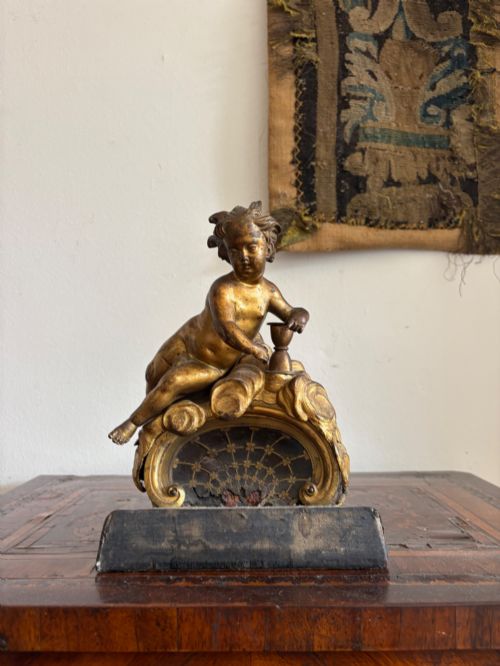
French decorative bronze encompasses cast metal items and mounts produced across the nineteenth and early twentieth centuries, prized for enriching interiors with classical and revivalist detail.
French Decorative Bronze
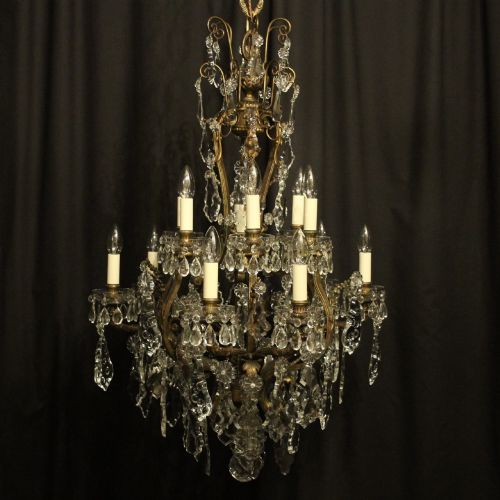
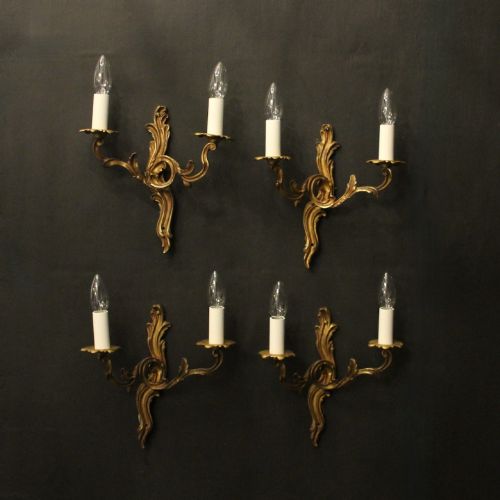
When searching for French decorative bronze, a buyer encounters a diverse range of objects designed for utility and display, from candelabra and mantel clocks to architectural mounts and vases. These pieces span the nineteenth century into the Art Deco period, adopting styles such as French Empire, Rococo Revival, and Neoclassical.
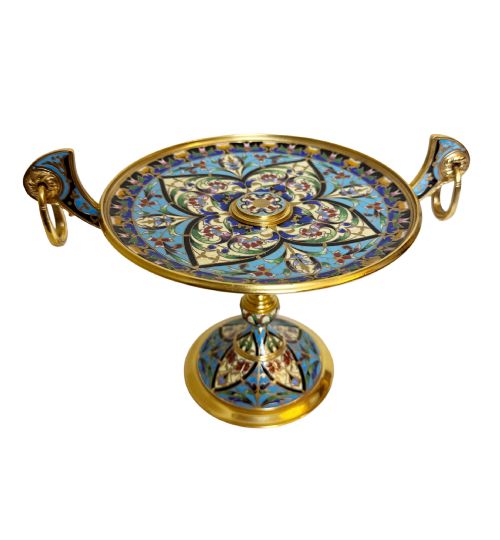
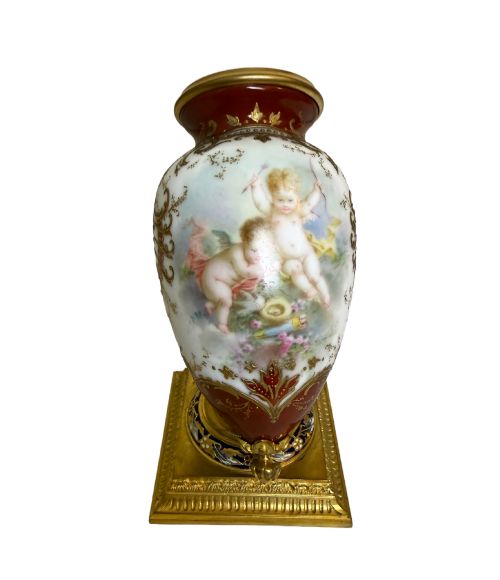
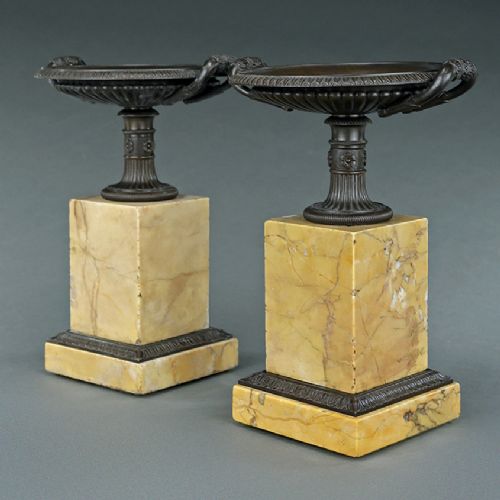
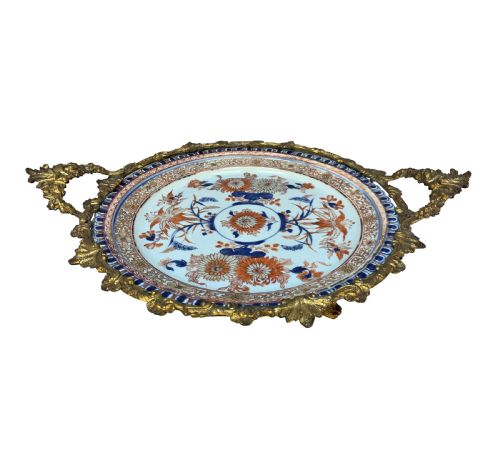
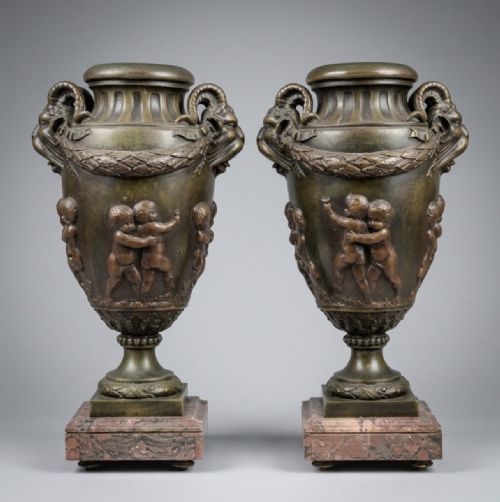
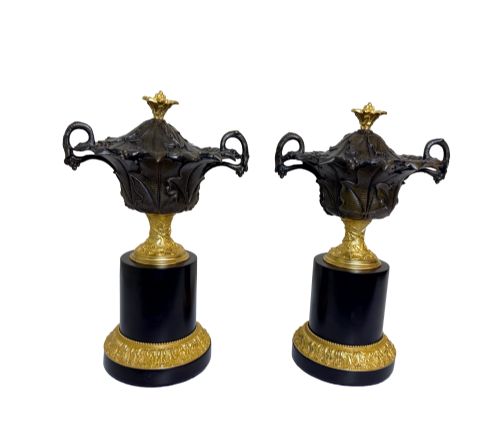
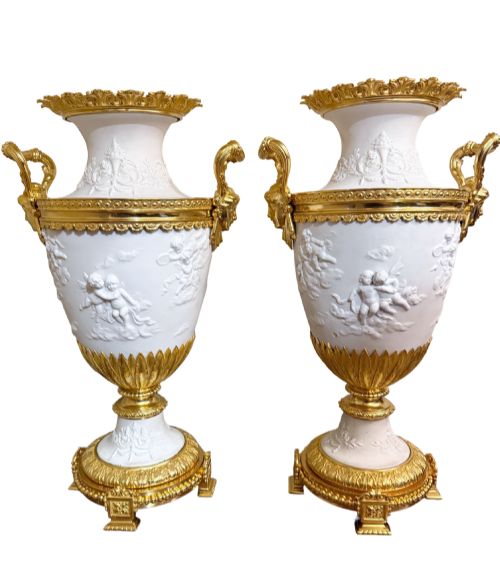
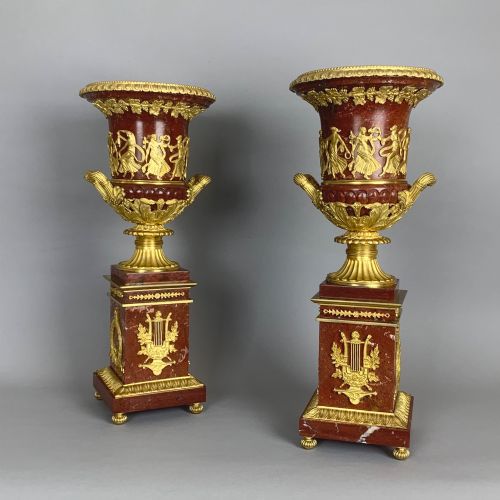
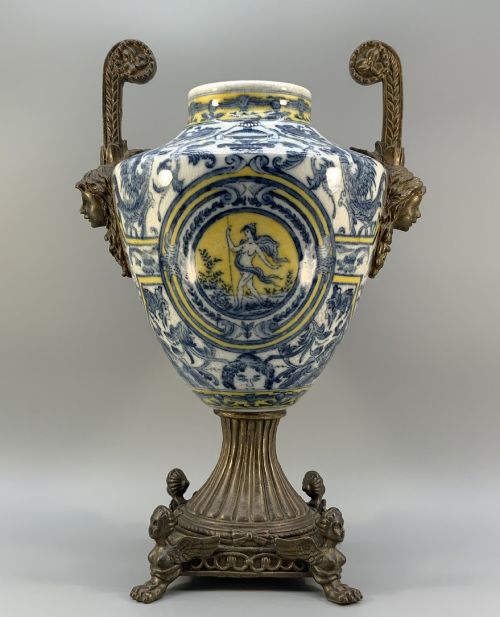
The most common forms on this page include paired tazzas, urns, wall lights, and figural sculptures. Many incorporate contrasting materials alongside the metalwork, including white or blue porcelain, champlevé enamel, and marble bases.
Makers and workshops produced these items to serve both functional lighting and purely decorative roles within period salons and libraries. The craftsmanship reflects distinct historical revivals, mirroring the tastes of nineteenth-century collectors and later twentieth-century modernism.
How They Were Made
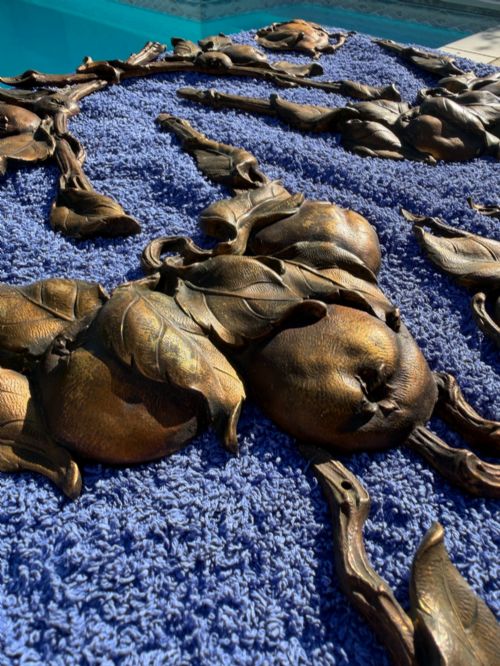
The creation of these objects relied upon traditional metal casting techniques, often followed by meticulous chasing and finishing by hand. Workshops utilised bronze, gilded bronze, and ormolu, alongside spelter for alternative figural castings.
Many items combine metalwork with other media, requiring artisans to mount bronze fittings securely onto Sevres porcelain, marble pedestals, or glass bodies. Enamel work such as champlevé added colour and pattern directly into recessed metal channels.
Listings feature items spanning the nineteenth century, including the 1860s, 1870s, 1880s, and 1890s, alongside early twentieth-century Art Deco examples.
What Varies in Quality
The preservation of the original surface finishes, whether fire gilding, ormolu, or patination, dictates the visual success of the object. Pieces that retain their original mercury gilding or clean fire-applied finishes demonstrate greater fidelity to period workshop standards.
Poix Blin·Barbedienne·Raymond Subes·Henry Marc·Siffel and Cartier·Pierre Philippe Thomire
The French Decorative Bronze Glossary
- Ormolu
- Gilded bronze produced by applying a mercury and gold amalgam to a bronze base and heating it to drive off the mercury. This technique creates a durable, warm metallic lustre characteristic of fine French decorative arts.
- Champlevé
- An enamelling technique where troughs or cells are carved into the surface of a metal object and filled with vitreous enamel powder before firing. The resulting coloured patterns sit flush with the surrounding metal borders.
- Tazza
- A shallow cup or bowl mounted on a stem and foot, frequently utilised as a decorative centrepiece or display dish on tables and mantelpieces. Nineteenth-century examples often combined bronze with marble or porcelain bowls.
- Chenets
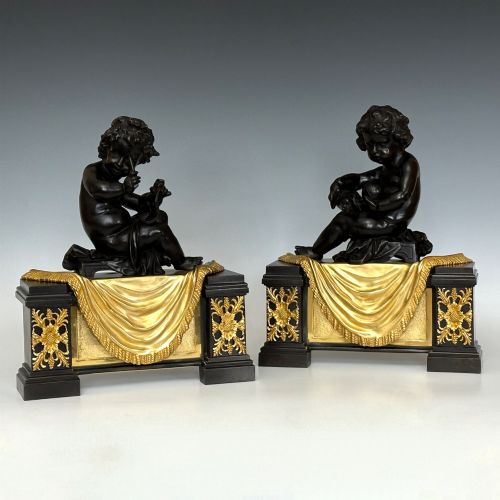
- Metal fire dogs or firedogs placed at the hearth to support burning logs while presenting decorative fronts to the room. French pairs frequently incorporate figural or architectural motifs cast in bronze and ormolu.
- Spelter
- A zinc alloy used as a less expensive substitute for bronze in decorative figures and urns. It takes patination well but possesses a lighter weight and softer structural strength than true bronze.
French Decorative Bronze: Frequently Asked Questions
What is french decorative bronze?
French decorative bronze refers to cast metal objects, sculptures, and furniture mounts produced in France primarily during the nineteenth and early twentieth centuries. These items range from practical lighting elements like candelabra and wall sconces to decorative urns, tazzas, and mantel clocks.
Many pieces combine bronze or ormolu with materials like marble, porcelain, and enamel. They reflect various historical styles, including Neoclassical, Empire, and Rococo Revival.
How were antique candelabra used?
Antique candelabra served as functional lighting devices for dining tables, sideboards, and mantelpieces before the widespread adoption of electricity. They held multiple wax candles to illuminate rooms during evening gatherings.
Beyond their utility, paired candelabra acted as grand decorative centrepieces that demonstrated the wealth and taste of the household. Their sculptural forms complemented the architectural style of the interior.
How do I clean bronze pieces?
Cleaning antique bronze requires a gentle touch to preserve the patinated surface and original gilding. Dusting regularly with a soft, dry brush is usually sufficient for maintenance.
Harsh metal polishes and chemical cleaners must be avoided because they strip away historic patination and ormolu surfaces. Professional conservation advice should be sought if deeper cleaning is required.
How do I tell cast bronze from spelter?
Distinguishing bronze from spelter involves examining the weight, magnetic properties, and underside of the object. Bronze is denser, heavier, and completely non-magnetic, whereas spelter is lighter and more brittle.
Looking at areas with wear can also reveal the base metal underneath the patination. Spelter typically shows a dull grey metal beneath chipped paint or finish, while bronze reveals a warm golden-brown hue.