

French Decorative Art Glass
French decorative art glass brings together vibrant colours and tactile forms from the turn of the twentieth century onwards.
French Decorative Art Glass
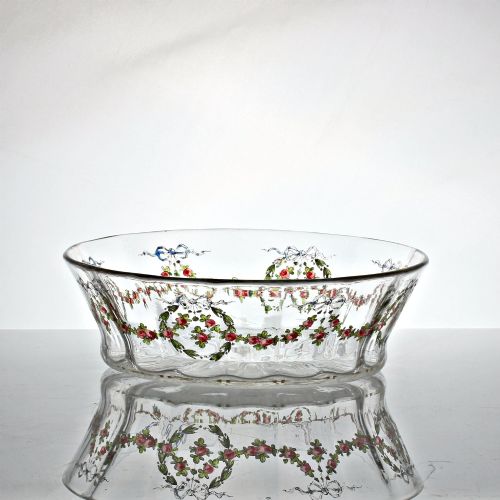
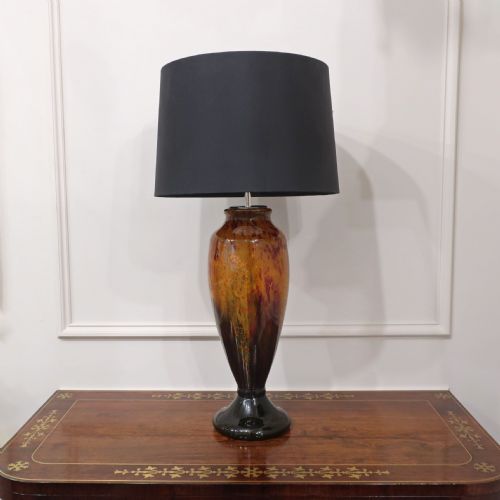
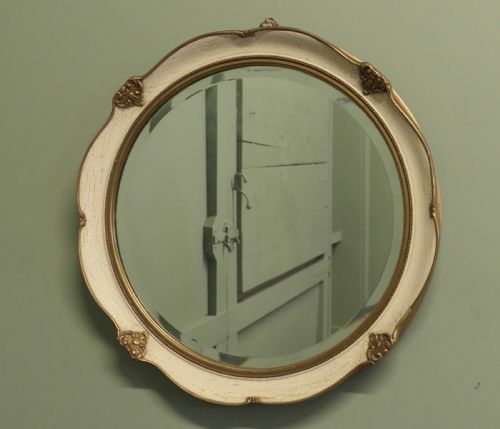
French decorative art glass encompasses items created across the late nineteenth and twentieth centuries, spanning periods from the 1880s through to the Art Deco era of the 1920s and 1930s. When exploring French decorative art glass, buyers encounter diverse forms ranging from large vases and decorative bowls to table lamps, chandeliers, and wall mirrors.
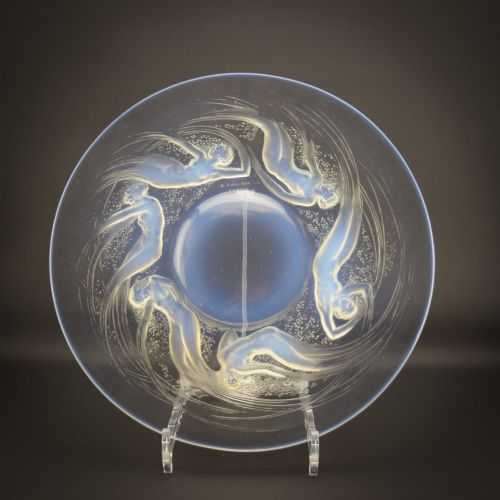
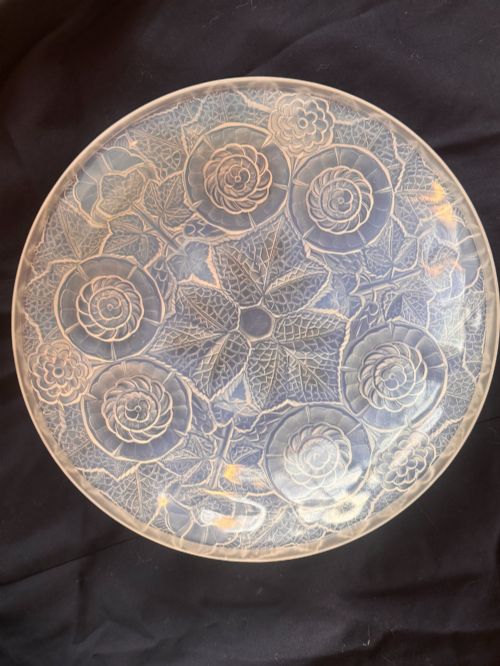
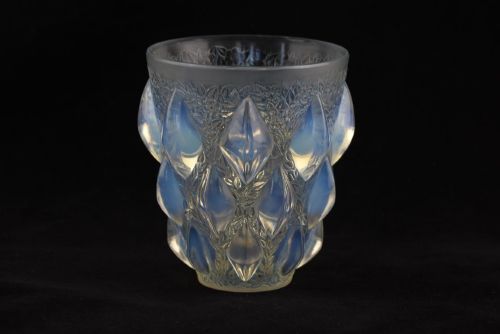
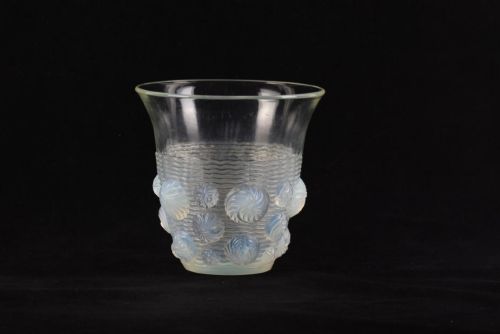
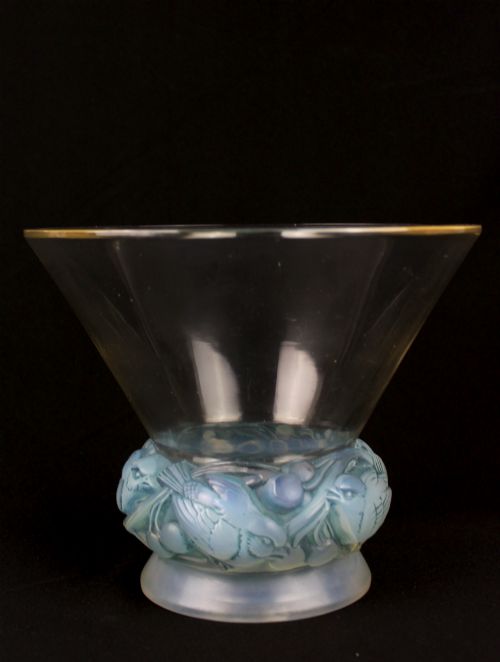
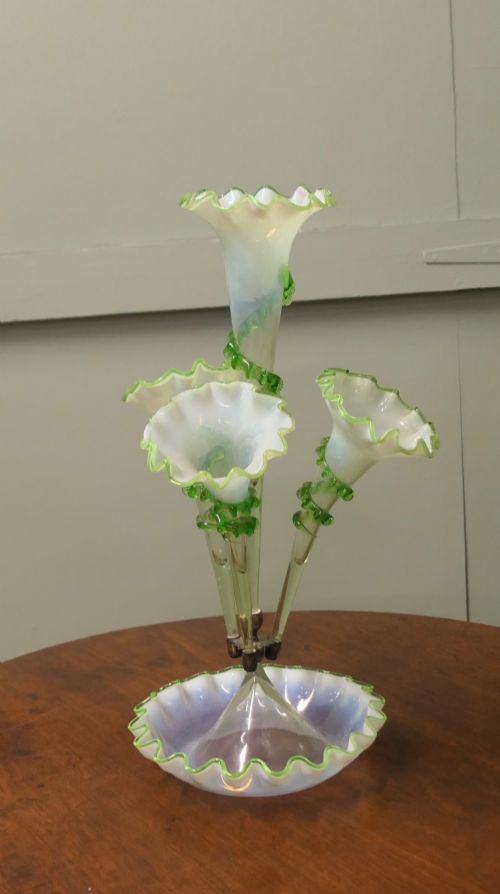
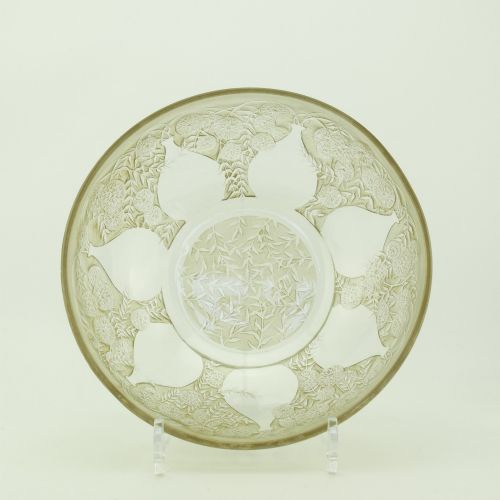
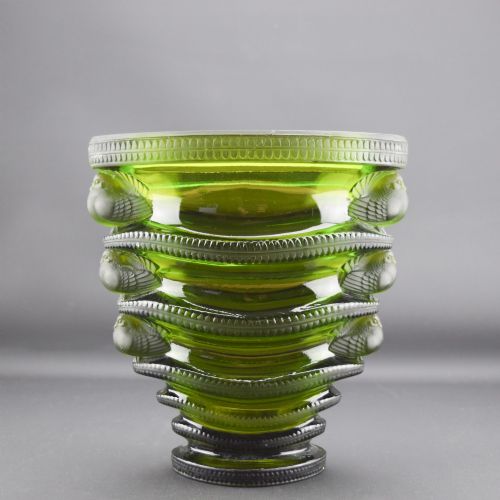
The selection on this page relies heavily on iconic production types, most notably cameo glass vessels and opalescent moulded plates originating from French makers. Works representing Art Nouveau and Art Deco styles dominate the grouping, reflecting the artistic shifts occurring across France during these decades.
Materials and techniques
Makers utilised specialised glass techniques including multi-layered cameo carving, acid-etching, and mould-pressed opalescent finishes to achieve depth and texture. The integration of enamel decoration and metal mountings in brass or bronze also appears across select lamps and vessels.
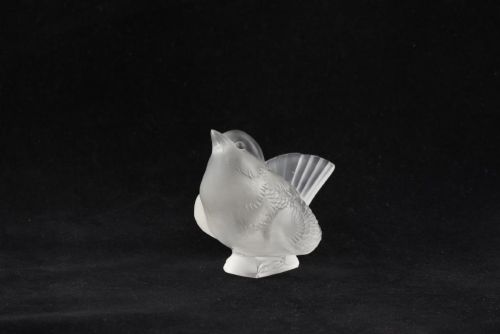
Crystal and frosted glass provide distinct surface qualities, while techniques like staining and enamelling add colour contrast to floral and landscape motifs.
French Decorative Art Glass Retail Price Guide 2026
Typical asking prices for french decorative art glass among the pieces listed under this phrase on Sellingantiques today, from the lower quarter to the upper quarter. They describe what is for sale here now, not the wider market.
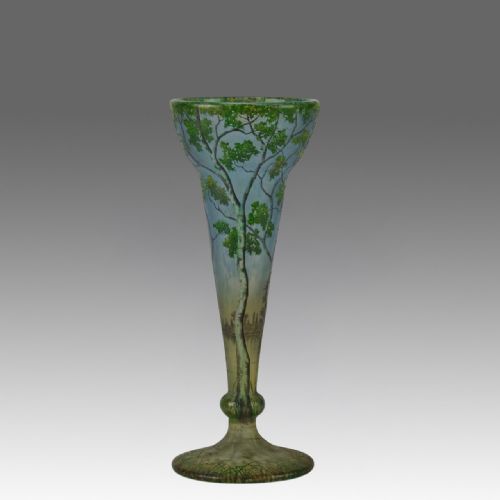
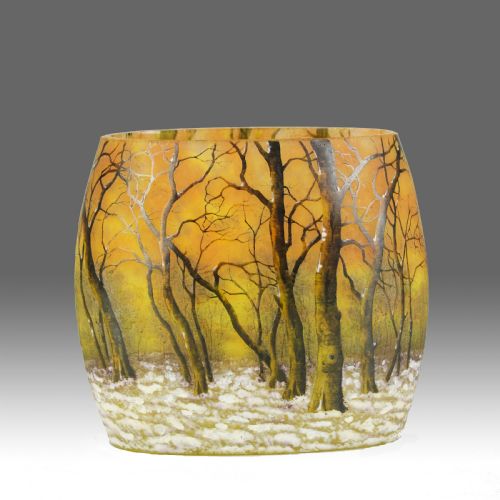
Several pieces capture winter landscapes in frosted glass, letting you enjoy a permanent chill on your mantelpiece.
Assessing the pieces
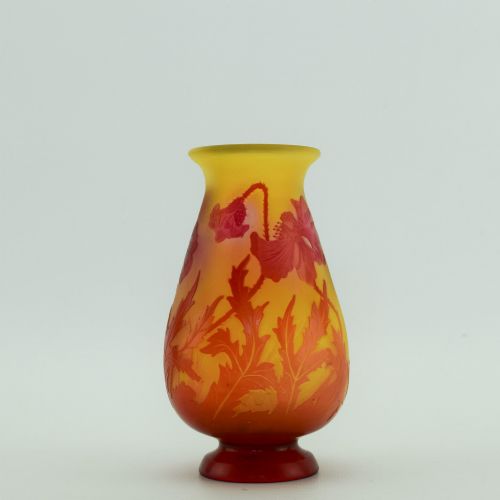
Depth of relief in cameo carving and crispness of detail in moulded or acid-etched surfaces distinguish finer examples. The precision of enamel work and the subtlety of colour graduation within the glass body further separate standard productions from masterworks.
Harmonious integration of metal bases or mounts with the glass element influences the overall balance and integrity of lamps and chandeliers.
Rene Lalique·Daum Freres·Galle·Legras·Georges Leleu
The French Decorative Art Glass Glossary
- Cameo Glass
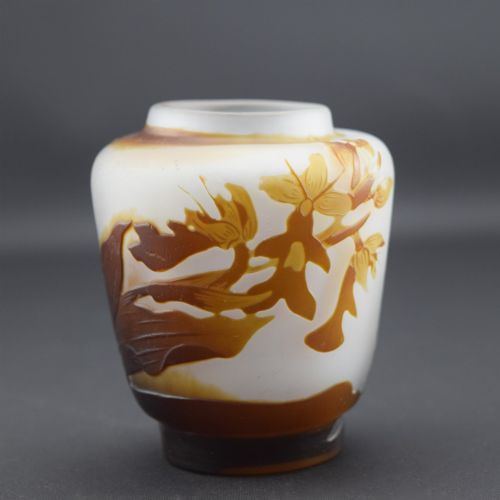
- A vessel formed of multiple layers of differently coloured glass fused together, then carved or acid-etched to create a raised design. This technique requires considerable skill to expose the background without damaging the motif.
- Opalescent Glass
- Glass that diffuses light with a milky, pearlescent appearance, often showing blue or amber tones under illumination. Moulded pieces frequently use this quality to accentuate high-relief patterns.
- Acid-Etched Glass
- Glass treated with acid to eat away exposed surfaces and create textured or frosted patterns. The method allows for intricate geometric or organic designs without manual carving.
- Pâte de Verre
- A glass-casting method where finely crushed glass is mixed with a binder, packed into a mould, and fused in a kiln. The resulting pieces display a dense, granular texture and rich coloration.
- Japonisme
- The influence of Japanese art on European design, visible in naturalistic floral and landscape subjects. This aesthetic informed many decorative choices during the Art Nouveau period.
French Decorative Art Glass: Frequently Asked Questions
How do I identify Art Nouveau glass?
Art Nouveau pieces typically feature organic motifs such as flowers, vines, and natural landscapes executed in flowing lines. Makers often employed cameo carving and rich colour palettes drawn from the natural world.
Look for signatures integrated directly into the design of the glass rather than added separately later. The overall aesthetic prioritises asymmetry and movement characteristic of the turn of the twentieth century.
What is the difference between cameo and opalescent glass?
Cameo glass involves carving or etching through layered glass to produce a contrasting raised pattern against a different background colour. Opalescent glass relies on milkiness and light diffusion within a moulded shape to create depth.
While cameo pieces showcase manual reduction techniques, opalescent items gain their character from the interaction of light with the pressed contours of the glass.
How should I clean antique glass lamps?
Dust glass components gently with a soft, dry cloth to prevent accumulation without abrasive contact. Avoid submerging metal-mounted bases or wired elements in liquid.
Use a damp cloth only where necessary on unmounted glass surfaces, ensuring all parts dry thoroughly before use.
Are these items signed by the maker?
Many pieces carry engraved, moulded, or enamelled signatures corresponding to the workshop or artist responsible for the design. Signatures vary depending on the production period and the specific technique employed.
Unsigned pieces sometimes rely on attribution through documented forms, decorative motifs, and manufacturing characteristics.