
French Curio Display Cabinet
A French curio display cabinet brings dramatic display space to a room, using glazed panels and gilt mounts to showcase small treasures.
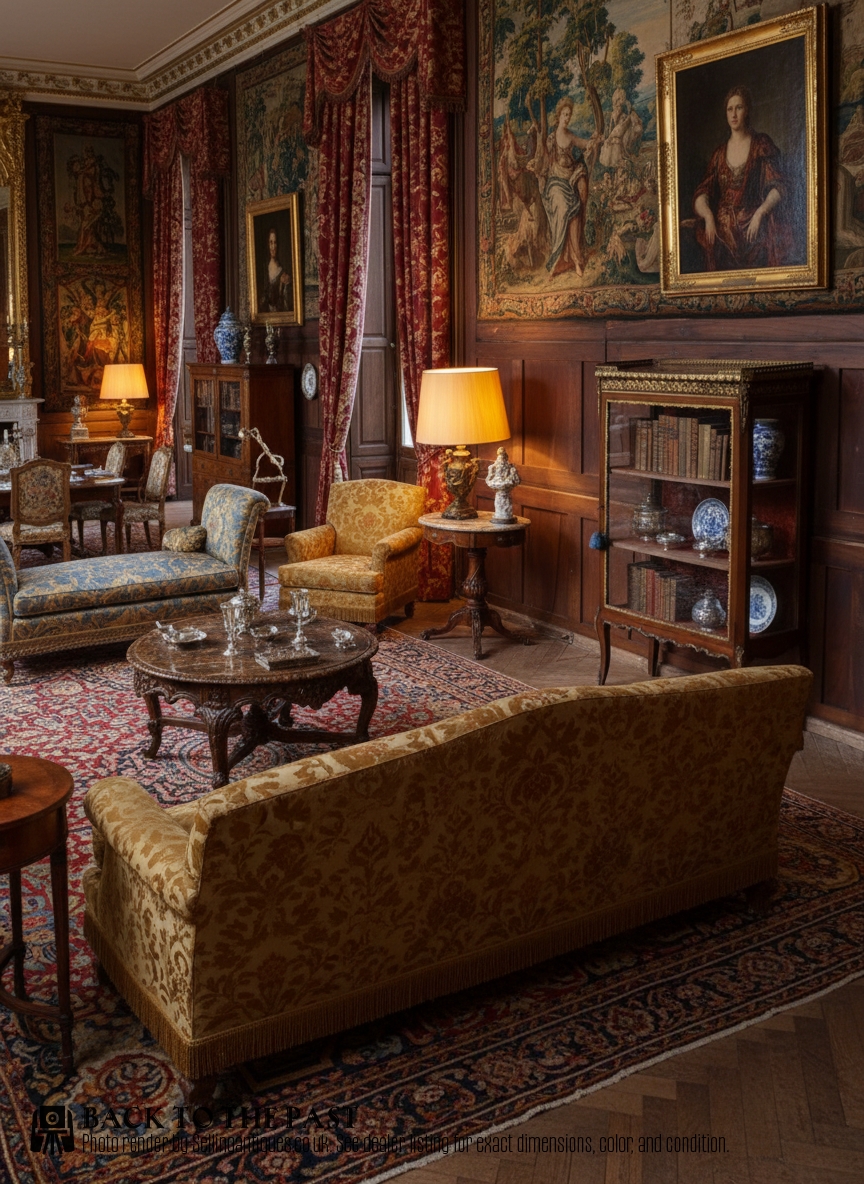
French Curio Display Cabinet
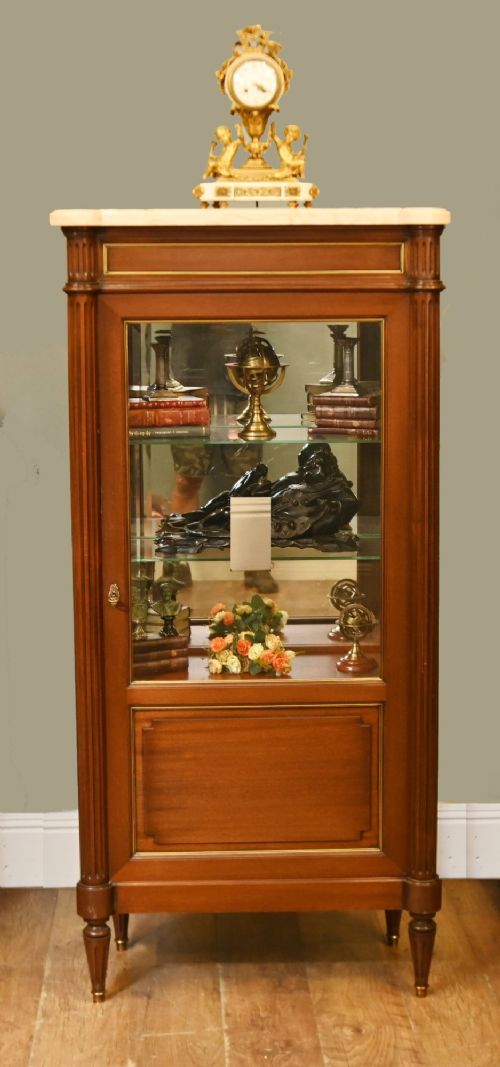
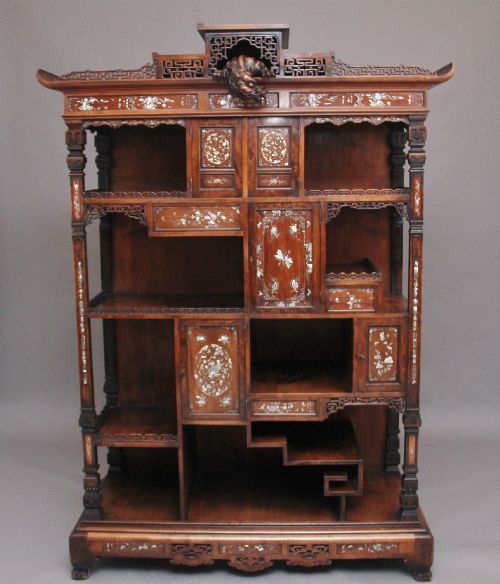
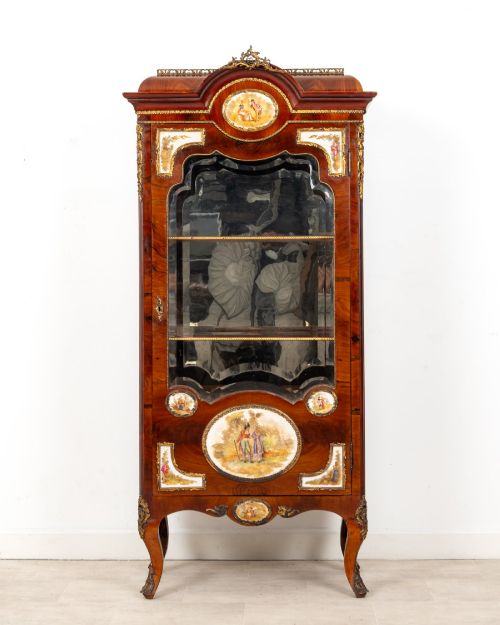
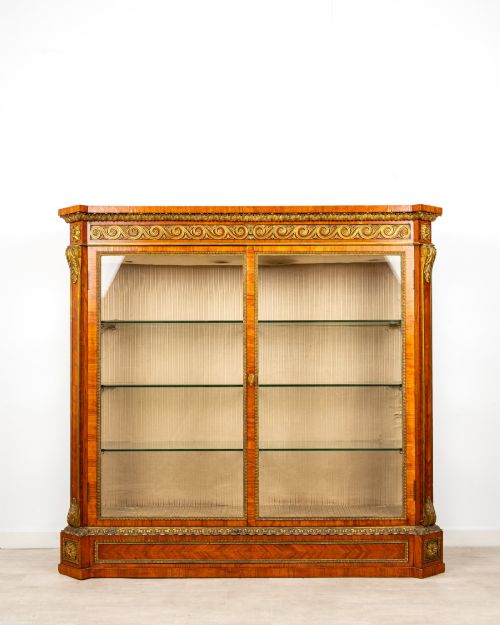
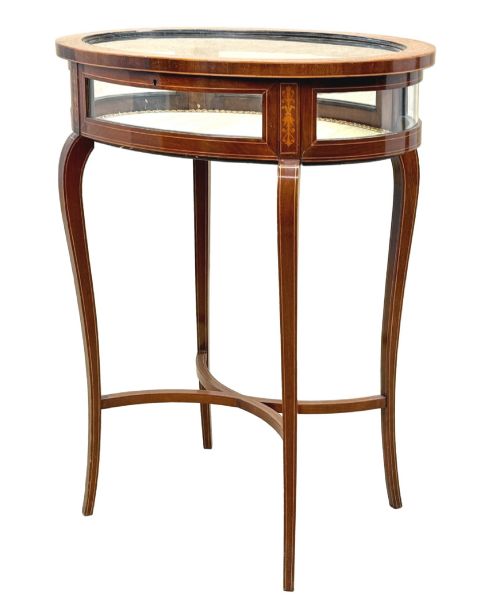
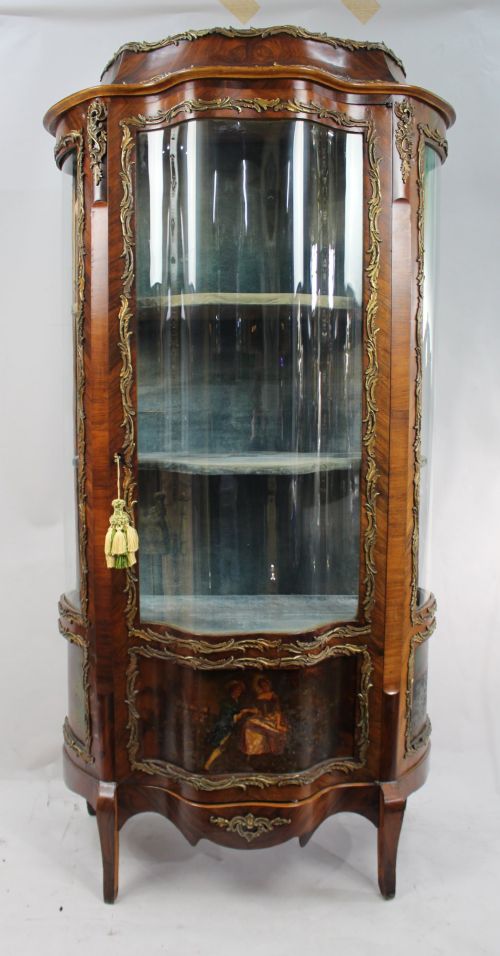
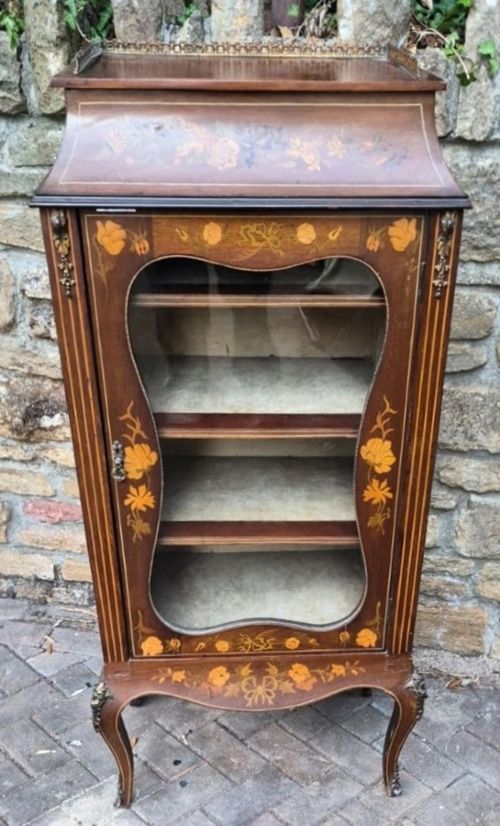
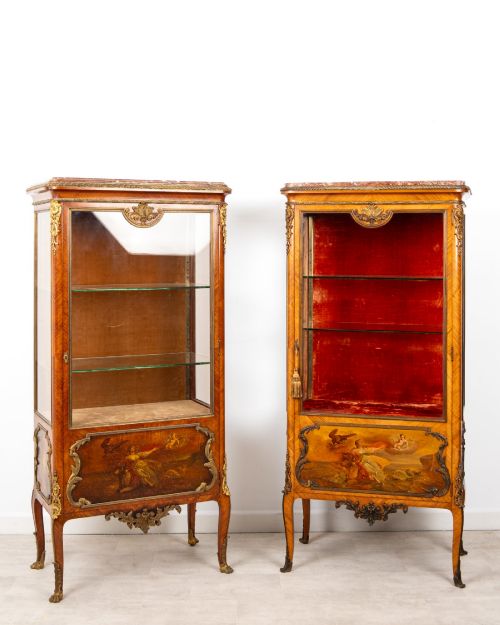
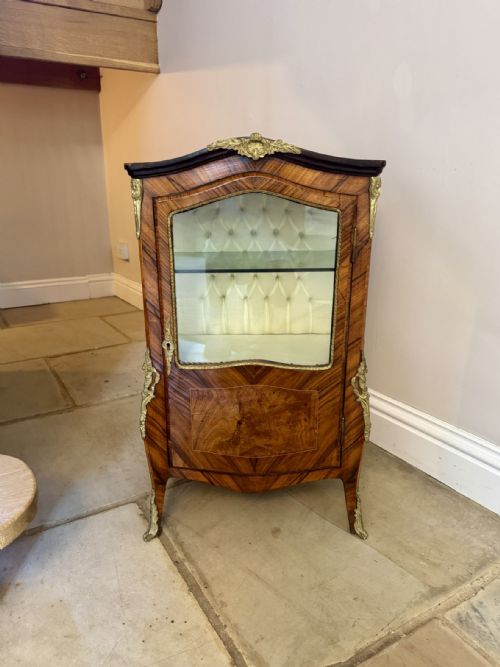
A french curio display cabinet is designed primarily to exhibit small collectables, porcelain and objects of vertu behind glass. These pieces span the nineteenth century and the early twentieth century, appearing in forms such as tall vitrines, wall-hanging cabinets and table-height bijouterie cases.
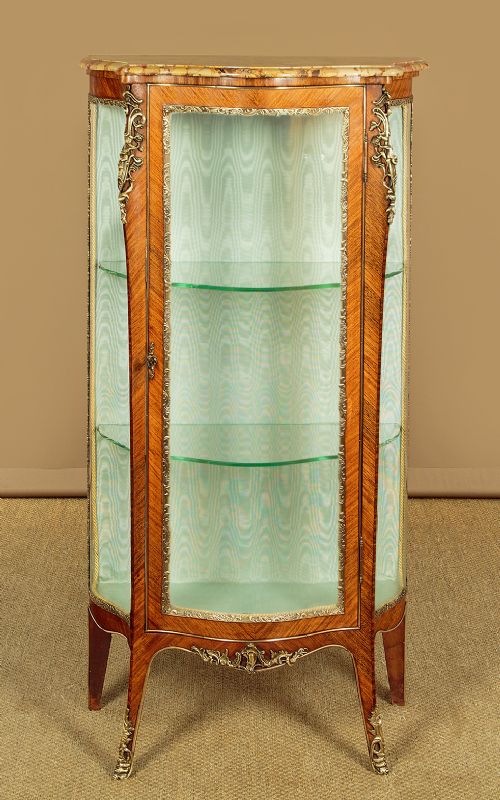
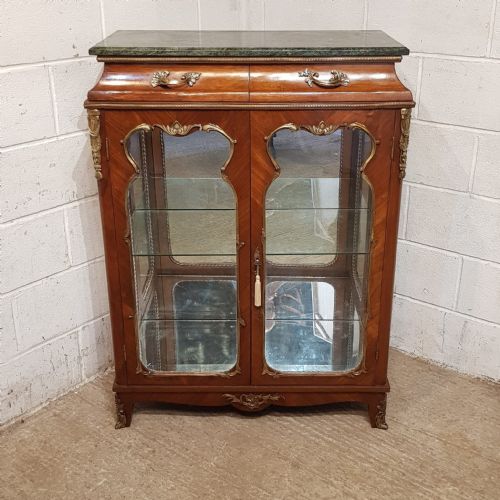
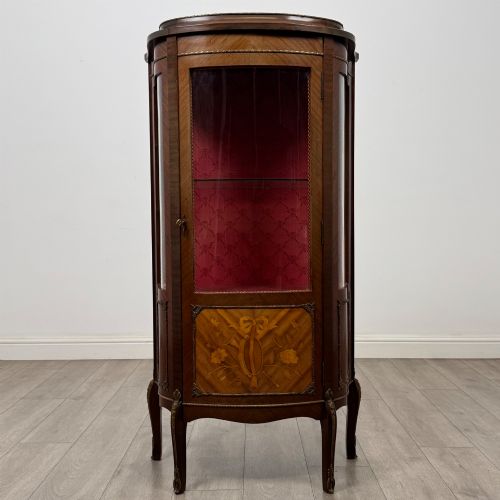
The aesthetic leans heavily on revival styles, notably Louis XV and Louis XVI, alongside Directoire and French Rococo influences. Formats range from serpentine and oval shapes to straightforward rectilinear cabinets, often topped with marble or finished with marquetry and parquetry.
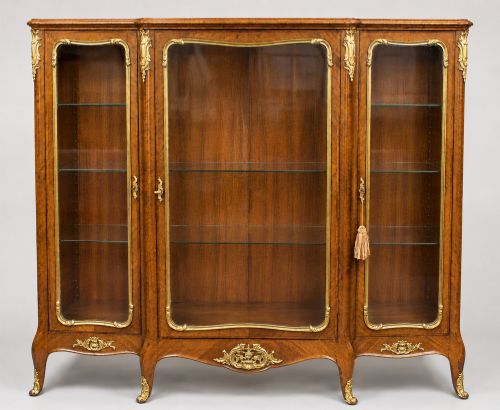
Buyers will encounter freestanding floor cabinets with glazed sides as well as smaller tabletop or wall-mounted versions. These pieces draw on walnut, mahogany, kingwood and giltwood timbers to create focal points within a room.
How They Were Made
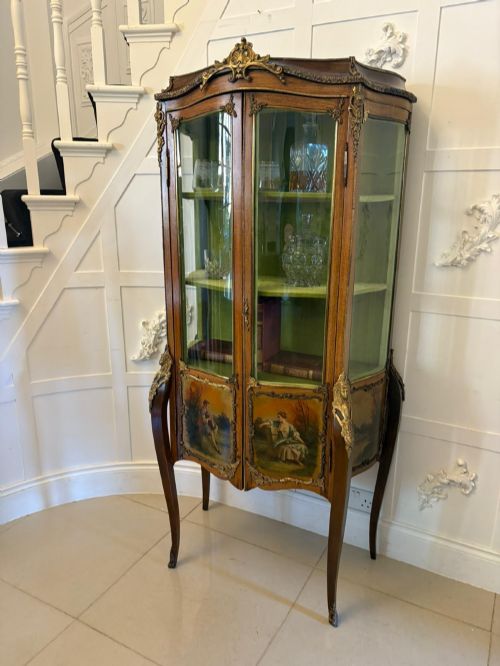
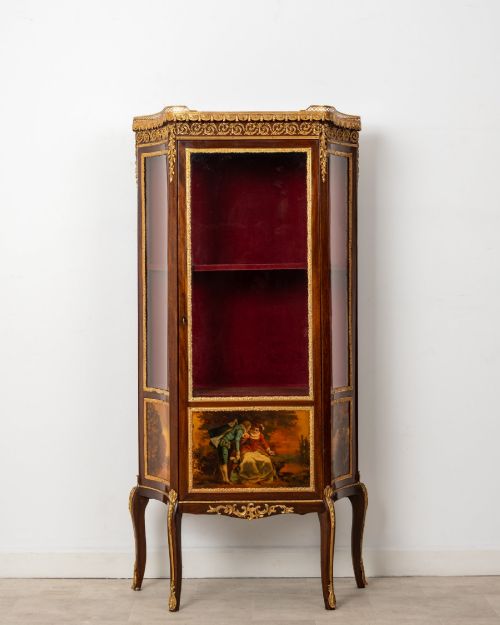
Cabinet makers utilised dense hardwoods such as mahogany, walnut and kingwood as carcase foundations, often applying intricate parquetry or marquetry patterns. Vernis Martin painted panels frequently decorate the lower sections, reproducing classic pastoral scenes in layered lacquers.
Cast gilt bronze and ormolu mounts provide structural accenting around glass doors, corners and feet. Marble tops, seen frequently on nineteenth-century examples, add weight and a polished counterpoint to the timber and metalwork.
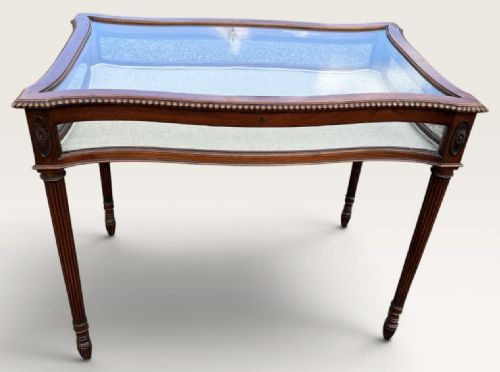
Some nineteenth-century makers even constructed tabletop sedan vitrines for transporting miniature display collections safely.
What Varies in Quality
The refinement of the ormolu or gilt-bronze mounts dictates much of the visual success of a piece, separating hand-chased metalwork from simpler cast alternatives. Heavier bronze castings with crisp detail command greater attention than lighter, softer applications.
Cabinet construction quality is visible in the precision of the parquetry, the thickness of the timber veneers and the fluency of the hand-painted Vernis Martin panels. Superior pieces exhibit seamless joinery on serpentine curves and tightly fitted glass panels.
H. J. Hatfield & Sons·François Linke·G. Durand
The French Curio Display Cabinet Glossary
- Ormolu
- Gilded bronze applied as decorative mounts to furniture frames. It provides high-relief ornamentation around glass doors and corners.
- Vernis Martin
- A simulated Japanese lacquer developed in France during the eighteenth century and revived later. It employs multiple layers of varnish to protect delicate painted scenes.
- Bijouterie table
- A display table with a glazed top and compartment designed for holding jewellery and small ornaments. These pieces often stand on slender cabriole legs.
- Parquetry
- Geometric patterns formed by fitting wood veneers together on a surface. It appears frequently on the panels of revival cabinets.
- Vitrine
- A glass-sided cabinet designed for displaying porcelain and curiosities. The term covers both tall floor-standing units and smaller wall-hung variants.
French Curio Display Cabinet: Frequently Asked Questions
What is a bijouterie table?
A bijouterie table is a low display case featuring a glazed top and a shallow compartment beneath for viewing small collectables and jewellery.
These tables were designed to sit in drawing rooms where guests could inspect delicate items at close range.
Where should I place a vitrine?
Vitrines work best against solid walls where adequate light can pass through their glazed panels to illuminate the interior contents.
Avoid placing them in direct sunlight to protect delicate fabrics, paper items and painted wood finishes from fading.
How do I care for marble tops?
Marble surfaces require gentle wiping with a damp cloth and mild soap to prevent staining from moisture and acidic liquids.
Avoid using abrasive cleaners or scouring pads that can dull the polished stone finish over time.
What are Vernis Martin panels?
Vernis Martin panels are decorative painted sections finished with layers of translucent varnish to create a glossy, durable surface.
Originating as a European imitation of Asian lacquer, these panels typically depict pastoral or mythological scenes.