



French Country Storage Cabinet
A french country storage cabinet brings rural provincial utility and heavy timber presence into a modern interior.
French Country Storage Cabinet
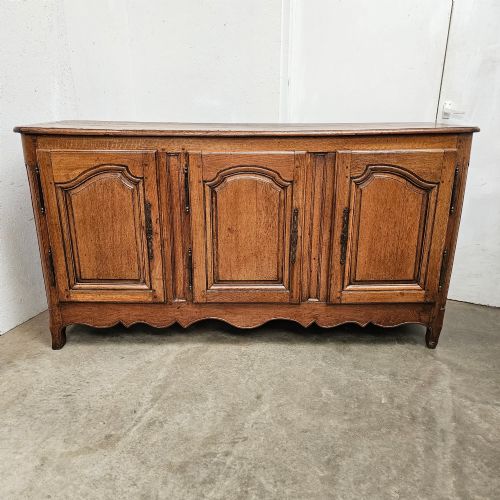
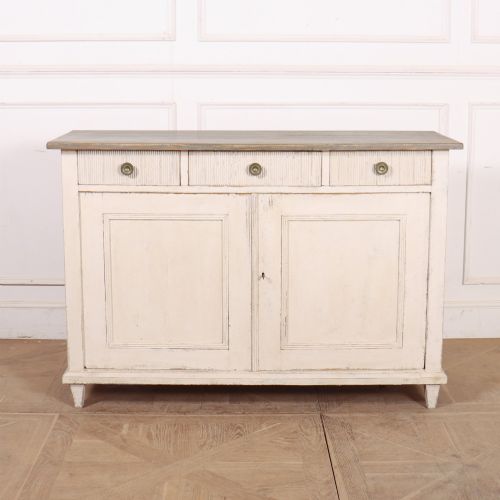
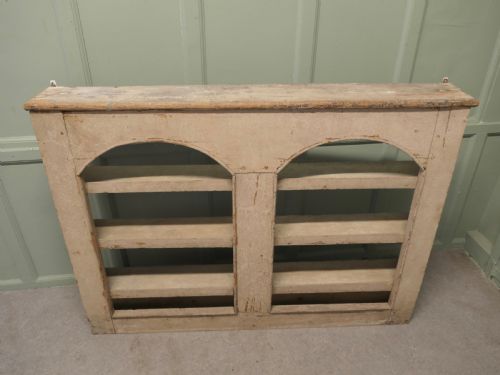
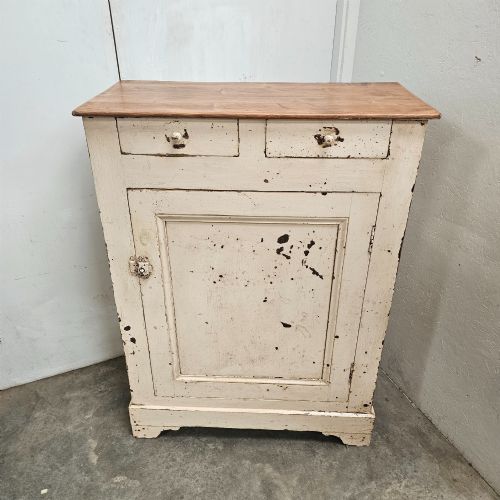
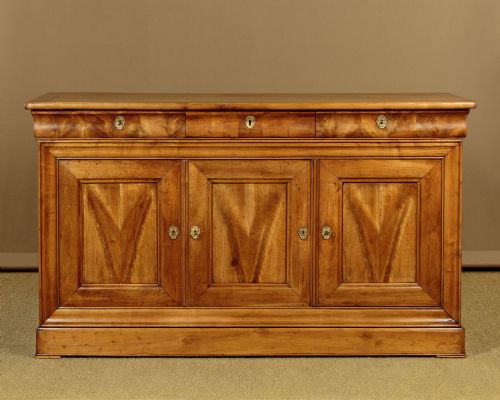
A french country storage cabinet encompasses a wide range of provincial forms including armoires, housekeepers cupboards, commodes, and enfilades. Buyers seeking this category encounter pieces rooted in 18th century and 19th century rural life, spanning styles from French Provincial and Louis XV to Breton Folk Art.
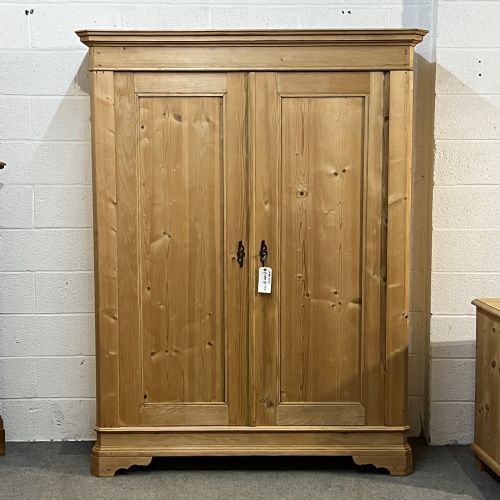
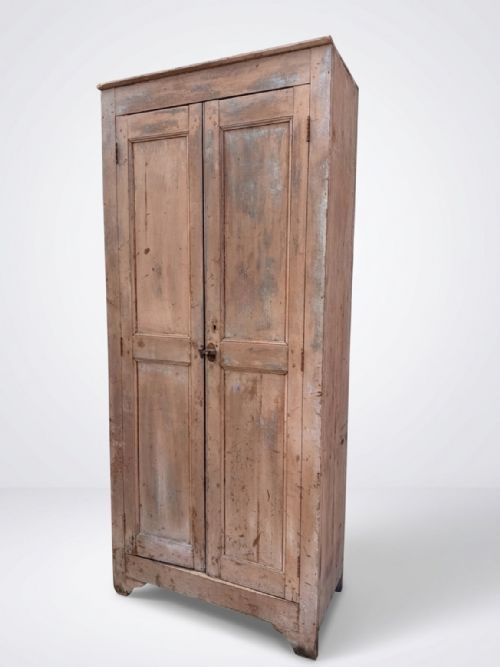
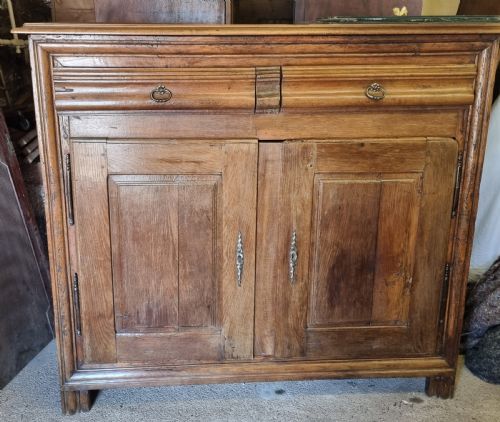
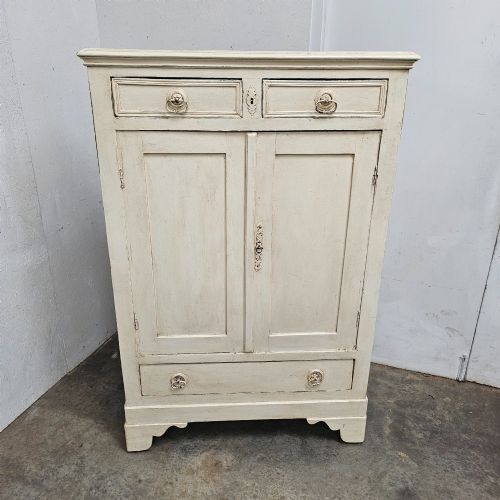
The most common formats on this page are pine and oak cupboards built for daily domestic storage, often featuring two doors or regional configurations like the jam cupboard or confiturier. These utility pieces originate from French provinces such as Brittany and Provence, designed for kitchens, hallways, and living spaces.
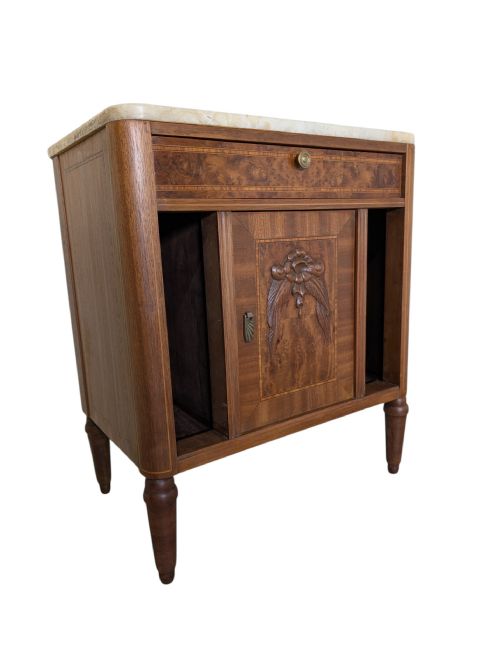
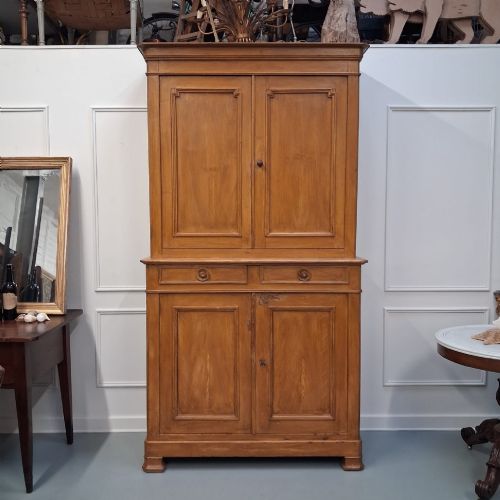
Larger variants include tall housekeepers cupboards and wardrobes, while smaller examples comprise bedside cabinets and corner cupboards. Each piece reflects the functional requirements of historic continental homes through pragmatic internal shelving and robust door assemblies.
Materials and construction
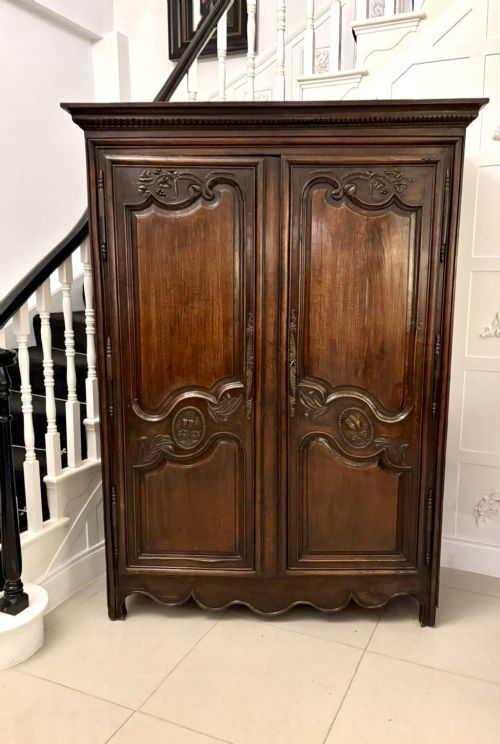
Construction relies heavily on regional hardwoods and softwoods, predominantly oak, pine, cherrywood, and walnut, frequently complemented by fruitwood and burr elm. Cabinetmakers utilised solid timber boards joined with traditional pegged mortise and tenon techniques to withstand heavy daily use.
Surfaces exhibit varying finishes from stripped bleached oak and polished walnut to painted wood and painted pine schemes. Iron and brass hardware, including traditional hinges and escutcheons, secure the heavy doors and drawers characteristic of provincial joinery.
Qualities of execution
The distinction between standard provincial utility pieces and superior examples lies in the selection of timber and the sophistication of carved detail. Finer pieces display dense burr elm figuring, choice walnut grains, or crisply carved panels that elevate simple storage into decorative art.
Structural integrity and originality dictate overall worth, with untouched patination and period brasswork holding greater appeal than heavily restored or modernised surfaces. Proportion and the balance of regional stylistic traits separate ordinary village furniture from distinguished provincial commissions.
The French Country Storage Cabinet Glossary
- Enfilade
- A long sideboard or buffet featuring multiple doors, typically three or four, designed for dining room storage.
- Confiturier
- A small French storage cabinet, often known as a jam cupboard, originally utilised to store preserved fruits and provisions.
- Commode
- A low chest of drawers, frequently finished with a marble top or decorative walnut and cherrywood veneers.
- Armoire
- A large upright wardrobe or cupboard enclosed by doors, used historically for hanging garments and storing linens.
- Provincial
- Denoting furniture made in the regions outside Paris, characterised by local timbers, practical forms, and regional decorative motifs.
French Country Storage Cabinet: Frequently Asked Questions
What is a french country storage cabinet used for?
These cabinets serve as practical storage solutions for modern homes, functioning as wardrobes, hallway cupboards, or kitchen larders. Their deep shelves and generous door compartments accommodate clothing, tableware, and household goods.
Historically, specific variants stored linens, jams, or kitchen provisions in rural French households. Today, they integrate easily into living areas to hide clutter while adding rustic character.
How do I date an antique french cupboard?
Dating relies on examining construction methods, timber choice, and regional style markers. Eighteenth-century pieces frequently employ hand-sawn boards, pegged joinery, and native woods like solid oak or cherry.
Later nineteenth-century examples often incorporate machine-sawn elements, pine construction, or painted finishes. Comparing the hardware, such as iron hinges and brass locks, against known period styles provides further chronological context.
Are these cabinets made of solid wood?
Provincial furniture from the eighteenth and nineteenth centuries is built from solid timber planks rather than manufactured boards. Common structural woods include oak, pine, walnut, and cherry.
Finer decorative examples incorporate fruitwoods or burr elm veneers on primary display surfaces. This solid construction accounts for the heavy weight and lasting durability of surviving pieces.
How do I care for a painted wooden cupboard?
Maintenance requires keeping the timber away from direct heat sources and strong sunlight to prevent warping and paint fading. Dust gently with a dry or slightly damp cloth without harsh chemical polishes.
For waxed or unpainted wooden surfaces, an occasional application of beeswax preserves the patina. Painted finishes should be treated with care to avoid chipping the historic pigment.