



Rustic Wooden Pantry Cupboard
A rustic wooden pantry cupboard brings honest utility and vernacular character to a kitchen, offering generous storage built from solid pine, elm, and teak.
Rustic Wooden Pantry Cupboard
A rustic wooden pantry cupboard represents traditional storage furniture designed for food, linen, or general household provisions across various domestic settings. These pieces primarily date from the eighteenth, nineteenth, and early twentieth centuries, reflecting utilitarian regional traditions.
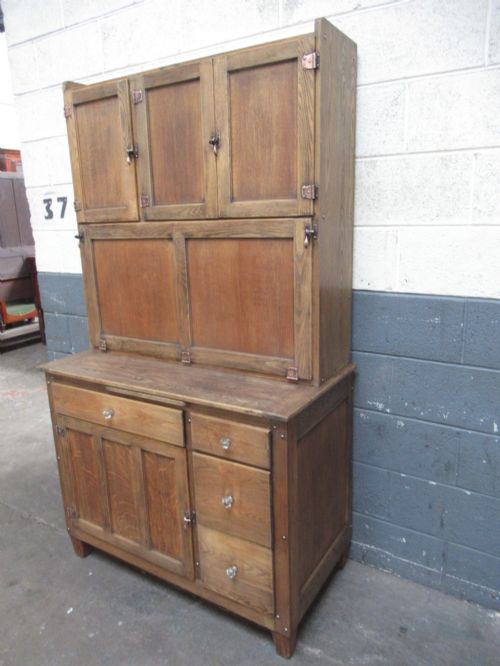
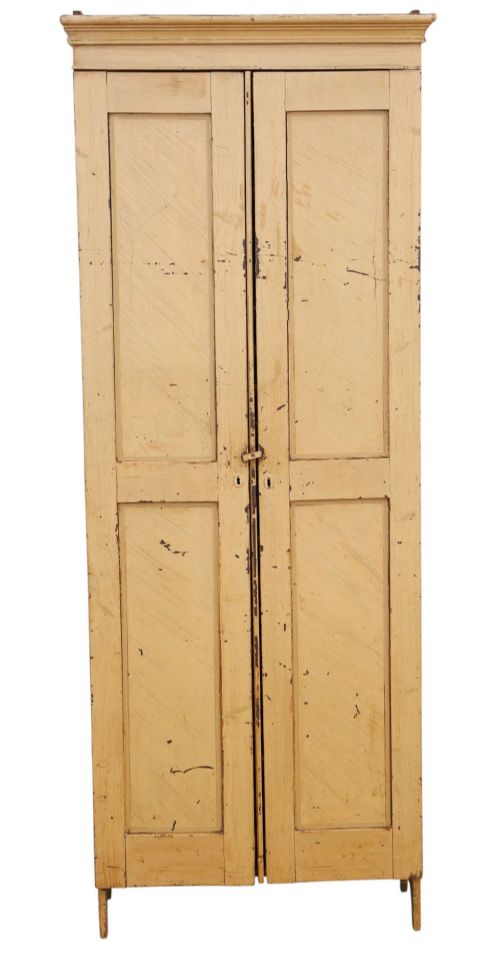
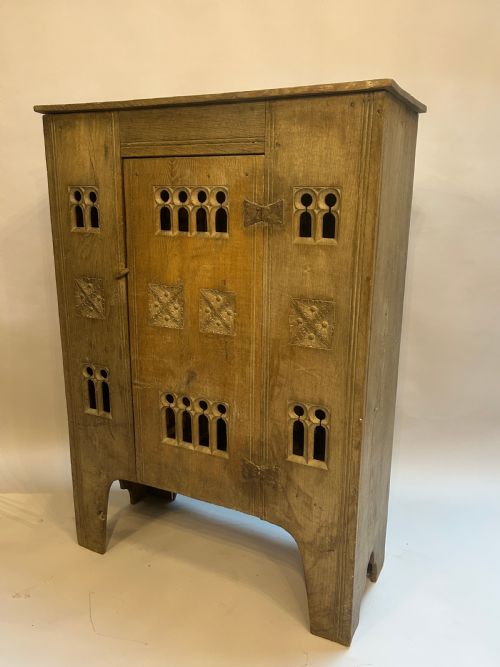
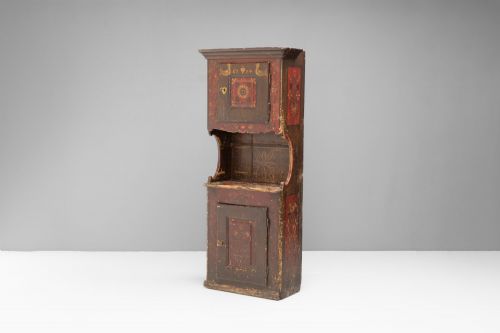
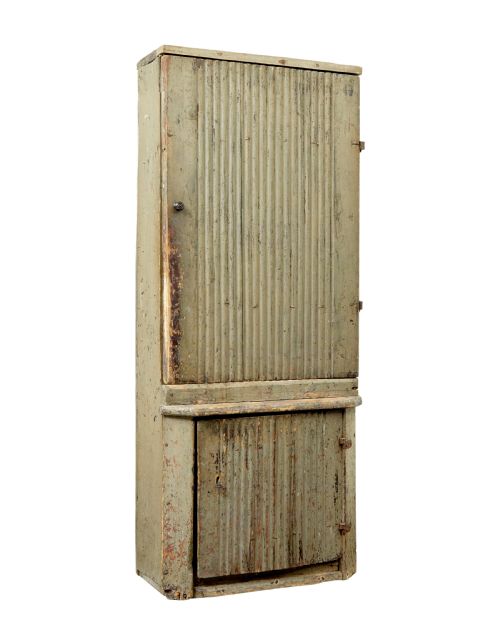
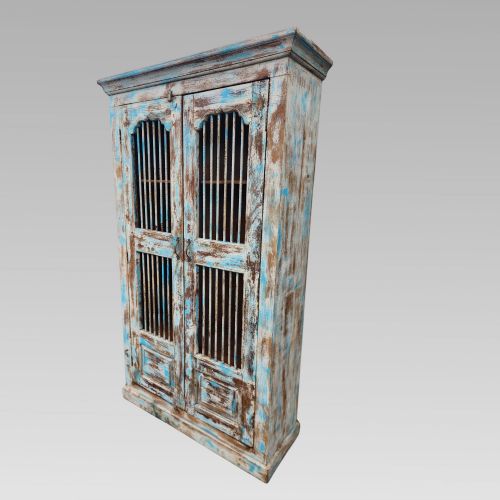
The versions most commonly met on this page include tall housekeeper's cupboards, food cupboards, and kitchen storage cabinets. They appear in pine, elm, and teak, often finished with historic paint or bare wood surfaces.
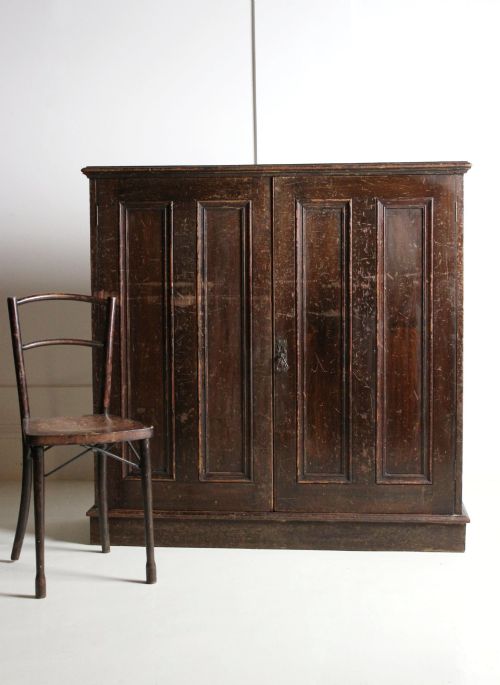
Makers working within vernacular traditions produced these storage cupboards across British, Scandinavian, French, Baltic, and Indian workshops. Their forms range from narrow single-door cupboards to substantial two-door architectural pieces.
How they were made
Makers constructed these storage cupboards using solid timbers such as pine, elm, and teak, joined with traditional framing and panel techniques. Iron and brass fittings, including hinges and latches, secure the doors and drawers.
Many examples display applied layers of historic paint or stain, while others reveal plain or waxed wooden surfaces. Carved details occasionally appear on Scandinavian and regional European pieces, alongside simpler boarded construction.
Rustic Wooden Pantry Cupboard Retail Price Guide 2026
Typical asking prices for rustic wooden pantry cupboard among the pieces listed under this phrase on Sellingantiques today, from the lower quarter to the upper quarter. They describe what is for sale here now, not the wider market.
Geographic origins represented across the inventory include British, Scandinavian, French, Baltic, and Indian regional workshops.
What varies in quality
The degree of original survival in the timber and hardware dictates much of the distinction between pieces. Solid construction using native hardwoods like elm or well-seasoned pine marks out the more substantial examples.
Proportion and scale also vary, with taller narrow formats or double-door larder cupboards offering greater architectural presence. The character of the surface finish, whether undisturbed historic paint or patinated bare wood, defines the visual appeal.
The Rustic Wooden Pantry Cupboard Glossary
- Housekeeper's cupboard
- A large storage piece traditionally used in substantial homes for linen and household provisions. These often combine upper shelving with lower drawers or cupboards.
- Vernacular
- Architecture or furniture built by local craftsmen using traditional regional methods and local materials. These pieces prioritize practical utility over high-style academic design.
- Larder cupboard
- A tall storage cabinet designed specifically for keeping food cool and ventilated. They frequently feature panelled or louvred doors to maintain air circulation.
- Pine
- A soft timber widely utilised in European country furniture for its accessibility and workability. It takes paint and wax finishes readily.
Rustic Wooden Pantry Cupboard: Frequently Asked Questions
What is a rustic wooden pantry cupboard?
A rustic wooden pantry cupboard is a traditional storage unit constructed from solid timber, designed to hold food, kitchenware, or linens in a domestic interior.
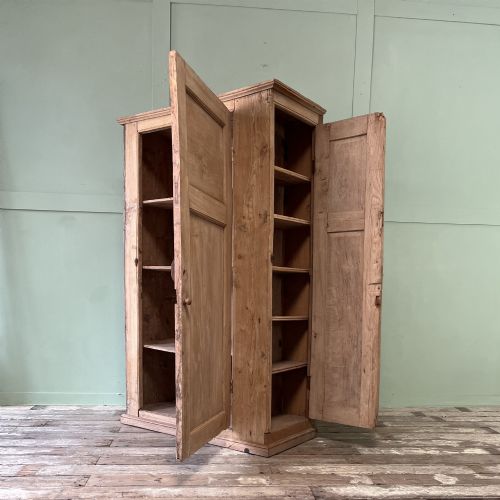
These pieces reflect regional craft traditions and typically feature sturdy panelled doors, interior shelving, and utilitarian hardware made from iron or brass.
How were these cupboards used originally?
Historically, households relied on these tall cupboards to store perishable foodstuffs, dry goods, crockery, and household textiles before fitted kitchens existed.
Larger housekeeper's and larder versions organised the daily provisions of a country house or farmstead, keeping items secure and protected from dust.
How do I care for a painted pine cupboard?
Painted and waxed pine surfaces require gentle maintenance using dry cloths or soft brushes to remove dust without damaging historic finishes.
Avoid placing these wooden cupboards in direct sunlight or near heat sources to prevent the timber from drying out and the old paint from cracking.
How can I tell the period of a cupboard?
Dating relies on observing construction methods, timber types, and the character of the hinges, latches, and general wear.
Earlier eighteenth-century pieces often display hand-sawn boards and joined framing, while nineteenth-century and later examples incorporate machine-sawn elements and standardised ironmongery.