
Vintage Painted Linen Press
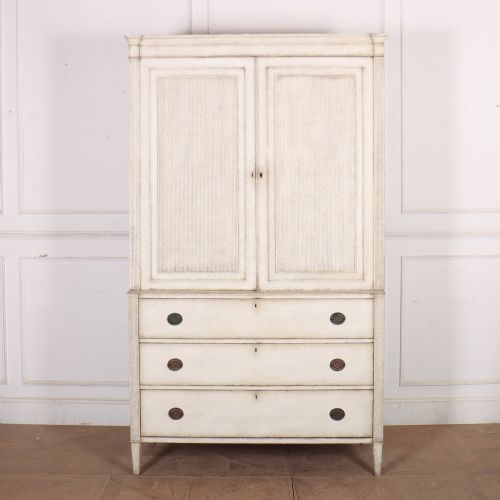
A vintage painted linen press brings generous storage and characterful colour to a bedroom, combining practical depth with decorative surface work.
Vintage Painted Linen Press
A vintage painted linen press is a substantial storage piece designed for garments and household textiles, frequently appearing alongside related cupboards, wardrobes, and armoires in the listings. These items emerge from various periods, including the Georgian, Victorian, and Edwardian eras, as well as the eighteenth and nineteenth centuries.
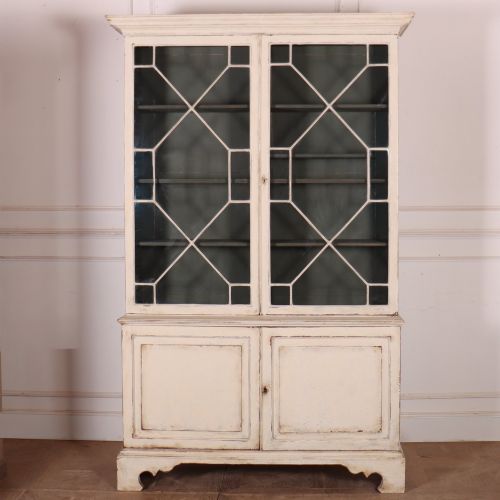
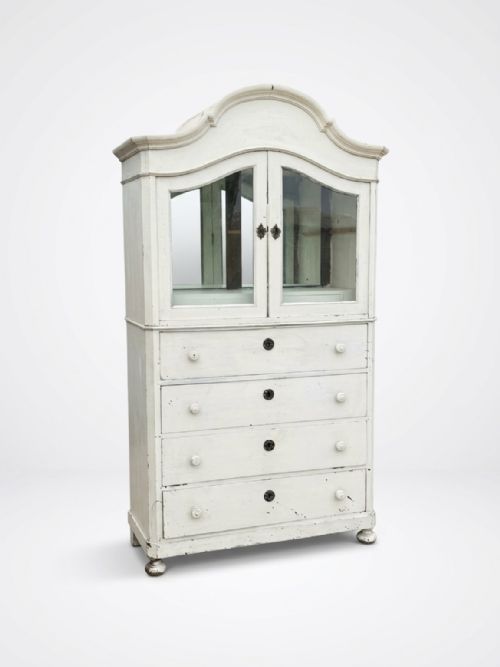
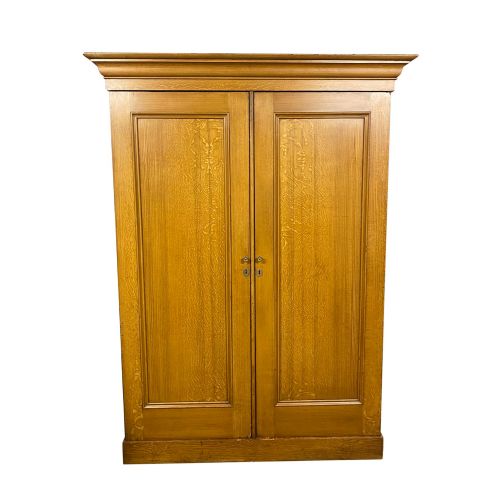
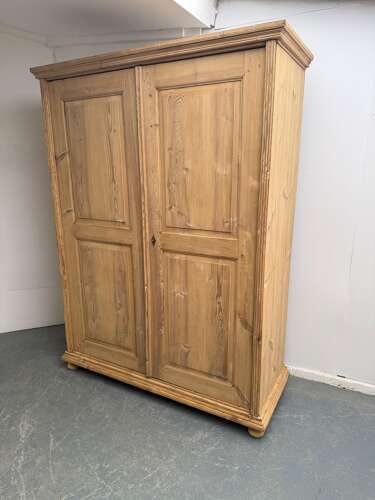
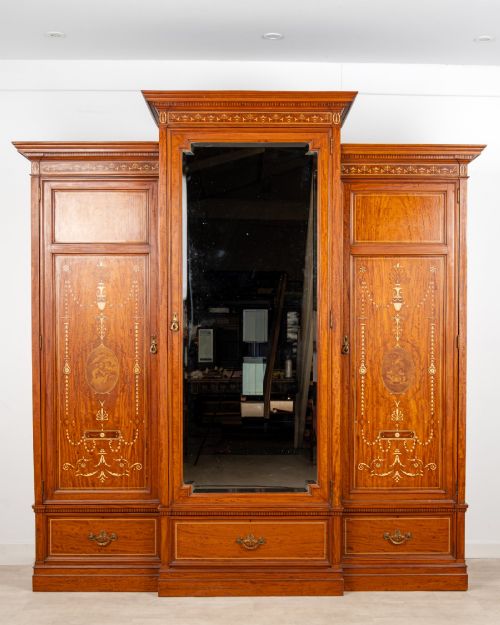
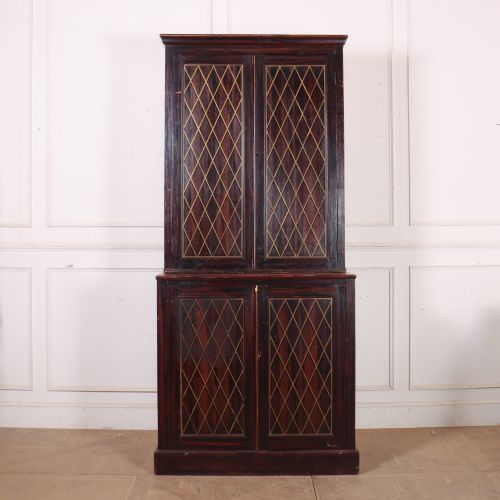
The selection encompasses regional British country pieces alongside Scandinavian, French provincial, Italian, and Hungarian examples. Buyers encounter forms ranging from two-door knockdown wardrobes and housekeeper cupboards to compactum cabinets and glazed bookcases.
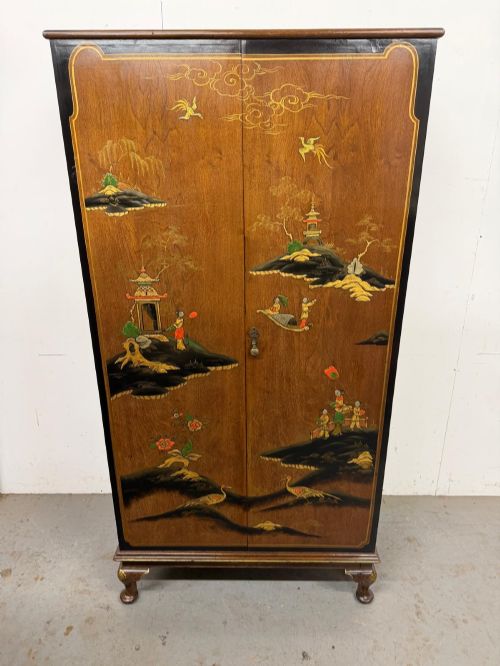
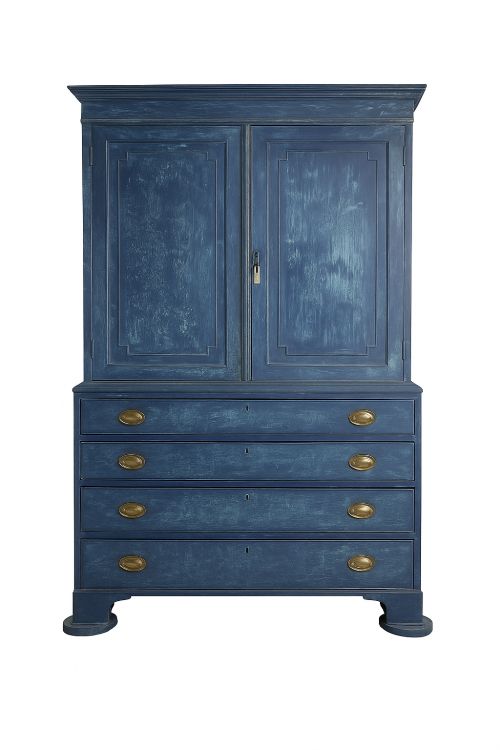
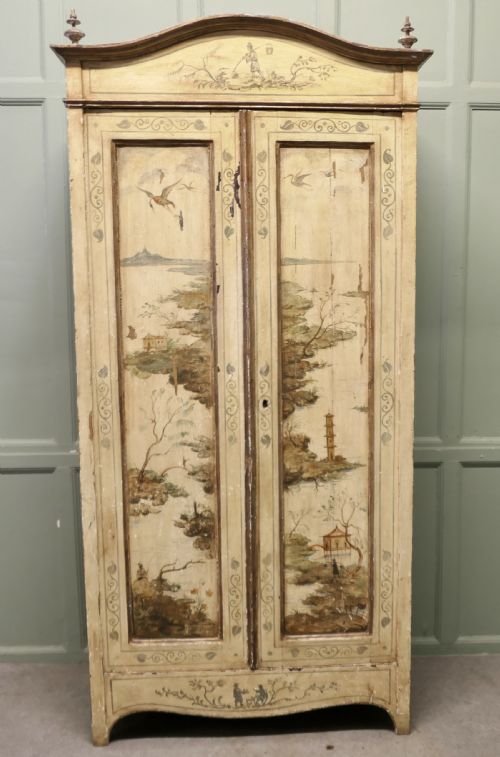
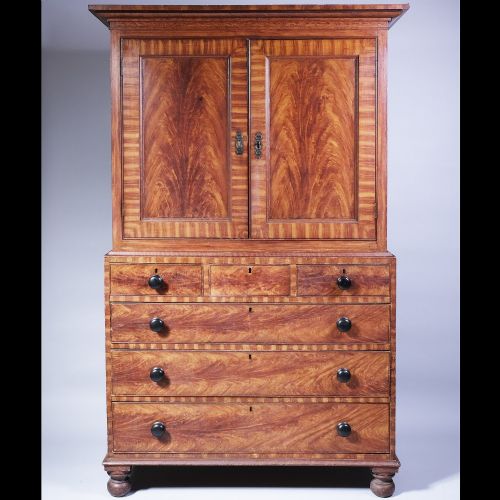
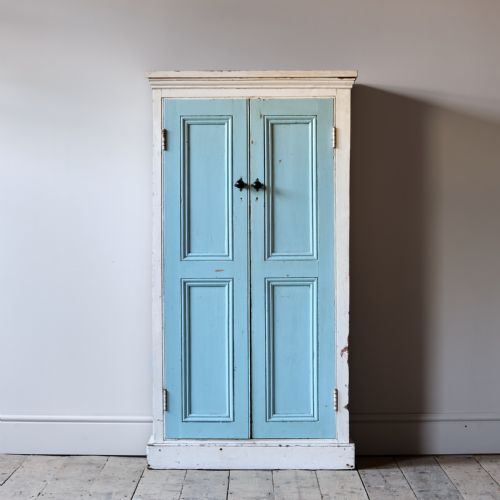
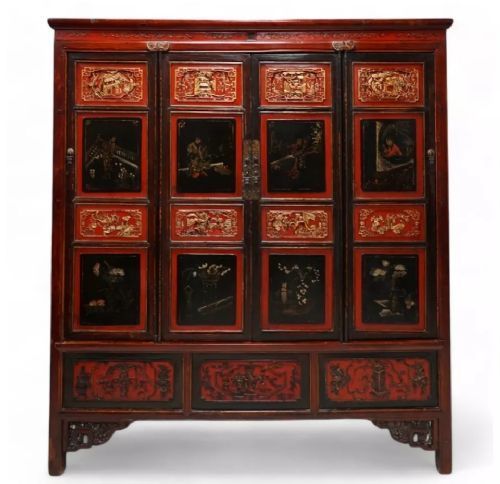
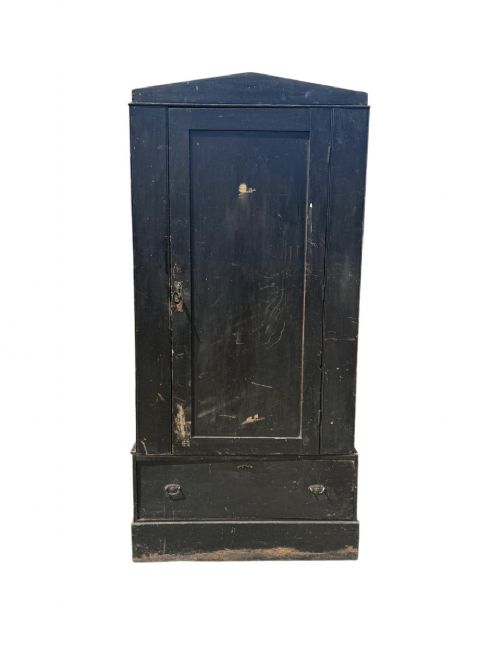
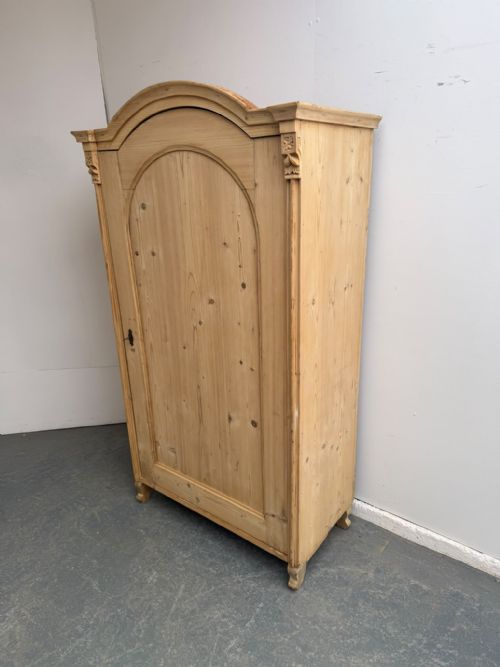
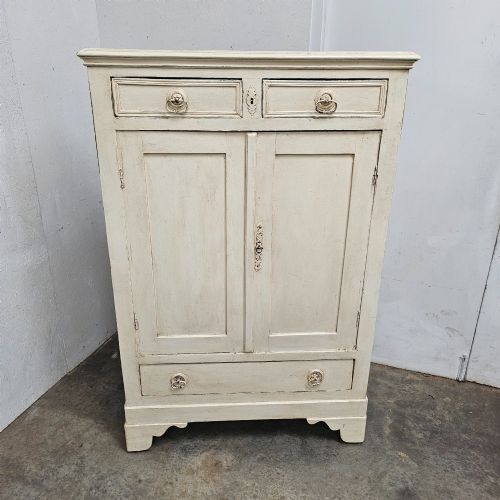
Many items display original decorative finishes such as scumble faux oak paintwork, blue or green pigments, polychrome details, or Chinoiserie lacquer. Others present as pine carcases prepared for painting or waxing according to interior requirements.
How they were made
Construction relies primarily on solid timbers such as pine, satinwood, elm, teak, and cedar, assembled using traditional joinery suited to large storage carcases. Many Victorian and Georgian examples utilise knockdown formats for ease of transport between rooms.
Surface decoration involves applied paint, brass hardware, iron fittings, and glass panels. Artisans employed specialist techniques like scumble graining to imitate costly hardwoods or applied elaborate lacquer and polychrome scenes depicting outdoor motifs.
Listings feature pine, satinwood, teak, and cedar, decorated with paint, brass, iron, and glass across various European and regional styles.
What varies in quality
Quality rests in the integrity of the timber carcase and the preservation of original decorative paint schemes. Pieces retaining their early scumble work, polychrome detailing, or lacquer surfaces command greater interest than those stripped down or repeatedly repainted.
Proportion and structural soundness distinguish better examples, particularly where large knockdown wardrobes or housekeeper cupboards maintain flush door closures and original brass or iron hardware without excessive timber warping.
The Vintage Painted Linen Press Glossary
- Scumble paint
- A decorative technique involving translucent glaze dragged over a pale base to imitate the grain of oak or other hardwoods. It creates depth and visual texture on nineteenth-century pine furniture.
- Compactum
- A large fitted wardrobe combining hanging space, drawers, and shelving within a single multi-door carcase. This form offers comprehensive bedroom storage.
- Housekeeper cupboard
- A tall, wide storage piece traditionally used in large domestic kitchens or landings for linens and provisions. These items often feature substantial panelled doors and internal shelving.
- Chinoiserie
- A European artistic style reflecting Chinese motifs, commonly expressed through lacquerwork and painted outdoor scenes on cabinets and wardrobes. It gained popularity across various eighteenth and nineteenth-century workshops.
- Knockdown wardrobe
- A large piece of furniture engineered with pegged or wedged joints so the carcase can be dismantled for transport. This method permitted movement through narrow staircases in historic homes.
Vintage Painted Linen Press: Frequently Asked Questions
How do I clean a painted linen press?
Dust the surface regularly with a soft, dry cloth to prevent dirt accumulation on the painted finish. Avoid harsh chemical cleaners or abrasive pads that might strip historic pigments or scumble glazes.
For stubborn marks, use a slightly damp cloth with mild soapy water, drying the timber immediately afterwards. Test any cleaning method on a hidden area first.
Can these wardrobes be dismantled for moving?
Many nineteenth-century and Georgian pieces utilise knockdown construction with pegged joints specifically designed for dismantling. This allows large carcases to travel safely through tight doorways and up staircases.
Examine the internal joints and fixings carefully before attempting disassembly. Marking each component helps ensure straightforward reassembly in a new room.
How do I date a painted pine cupboard?
Examine the construction methods, nail types, and timber preparation visible inside the carcase. Hand-sawn boards and early fixings indicate Georgian or early nineteenth-century origins, while later Victorian pieces often display machine-sawn components.
Paint analysis also provides clues, as original scumble work or polychrome decoration reflects the aesthetic preferences of specific eras like the late nineteenth or early twentieth century.