

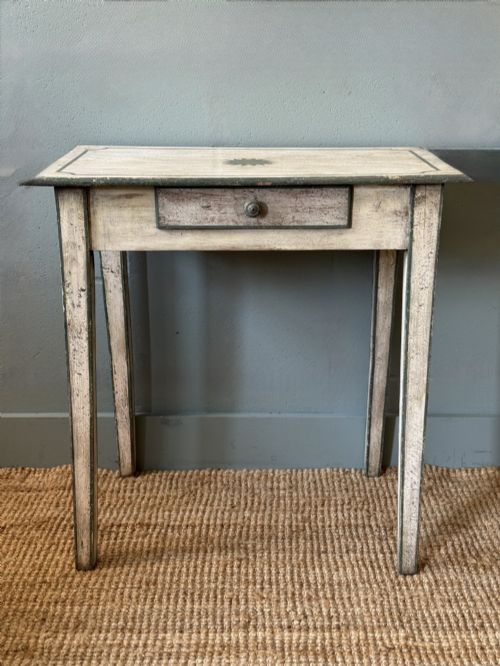
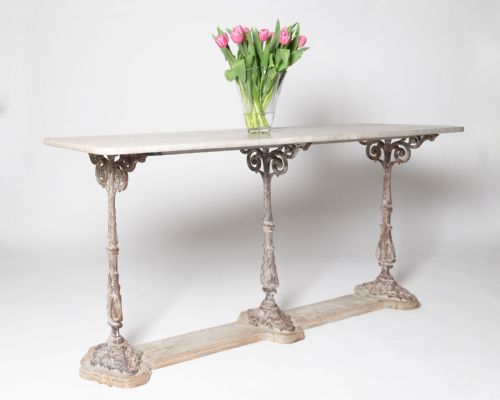
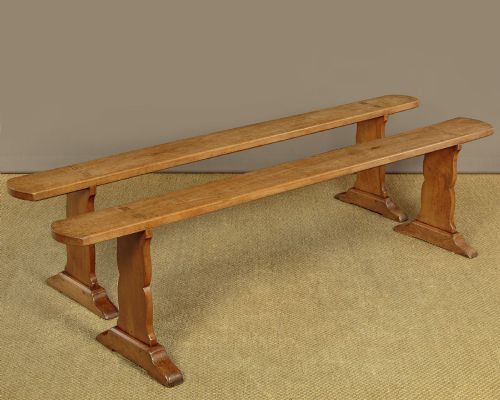
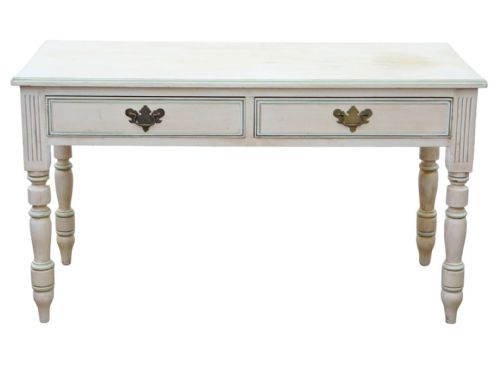


French Country Hall Table
A French country hall table brings rustic utility and provincial charm to an interior, offering practical surface space with distinct regional character.
French Country Hall Table
When searching for a french country hall table, buyers encounter a diverse selection of regional forms including console tables, side tables, serving tables, and dresser bases. These items originate from periods spanning the eighteenth century through the Edwardian era and early twentieth century, reflecting practical domestic use.
The pieces appearing on this page encompass styles such as French provincial, rustic French country, and French chateau, alongside related country variants. Such tables served varied functions in domestic spaces, operating as desks, occasional tables, or pot-shelf serving tables depending on their regional provenance.
Buyers most frequently meet cherrywood, oak, and pine examples, alongside fruitwood, chestnut, sycamore, and elm specimens. Many pieces incorporate painted finishes, bleached treatments, or stone and marble tops suited to traditional provincial hallways and living spaces.
Materials and Construction
Construction relies heavily on traditional timber selection, utilising solid hardwoods like cherrywood, oak, and fruitwood alongside softer woods like pine and alder. Joinery techniques support utilitarian forms such as trestle tables, drawer bases, and side tables designed for heavy daily use.
Surface treatments vary between natural scrubbed wood, bleached oak, and applied paint. Certain tables incorporate functional additions including brass hardware, drawers, pot-shelves, and stone or marble tops.
French Country Hall Table Retail Price Guide 2026
Typical asking prices for french country hall table among the pieces listed under this phrase on Sellingantiques today, from the lower quarter to the upper quarter. They describe what is for sale here now, not the wider market.
Listings feature eighteenth-century, nineteenth-century, and Edwardian periods alongside styles from French provincial to Scandinavian country.
Assessing Quality and Character
Quality in these provincial tables rests on the integrity of the timber, the honesty of the construction, and the preservation of original surfaces. Pieces featuring integrated drawers, substantial scrubbed tops, or period marble inserts demonstrate higher ambition in regional furniture making.
The distinction between ordinary utility items and finer examples often lies in the balance of proportions, the patination acquired through decades of domestic service, and the retention of early paint or bleached finishes rather than modern intervention.
The French Country Hall Table Glossary
- Console Table
- A table designed to stand against a wall, frequently featuring a narrow rectangular top supported by legs or brackets. These pieces suit hallways and entrance spaces.
- Trestle Table
- A table construction consisting of two or more support frames connected by a horizontal beam. This form provides robust stability for long serving tables and workbenches.
- Pot-Shelf
- A lower storage shelf incorporated beneath the main surface of a serving or side table. It historically accommodated heavy kitchen pots and domestic utensils.
- Dresser Base
- A low rectangular storage unit fitted with drawers and occasionally cupboards. These versatile items functioned as preparatory and serving surfaces in country interiors.
- Patina
- The surface sheen and coloration developed through age, wear, and cleaning. A desirable patina confirms the longevity and handling of antique timber.
French Country Hall Table: Frequently Asked Questions
What is a French country hall table?
A French country hall table is a utilitarian surface originating from provincial regions, designed for domestic tasks in hallways, kitchens, or living spaces.
These pieces typically manifest as narrow consoles, side tables, or serving tables constructed from regional timbers like cherrywood, oak, or pine.
How do I date an antique wooden table?
Dating relies on examining construction methods, tool marks, timber species, and overall wear patterns accumulated over time.
Evidence from nineteenth-century and earlier pieces shows hand-worked joinery and natural patination that distinguish older provincial furniture from later reproductions.
Were these tables painted originally?
Many provincial tables received painted finishes during their working lives to protect the wood or match domestic interiors.
Surviving paint layers often show weathering and wear that contribute to the rustic character sought by modern collectors.
What woods were used in these tables?
Cabinetmakers utilised available regional timbers, predominantly selecting cherrywood, oak, pine, and fruitwood for daily furniture production.
Secondary woods such as alder, sycamore, and elm also appear in structural components and tabletops across various provincial styles.