


French Classical Table
When you search for a french classical table, you encounter pieces that unite marble, ormolu, and bronze in forms from centre tables to console tables.
French Classical Table
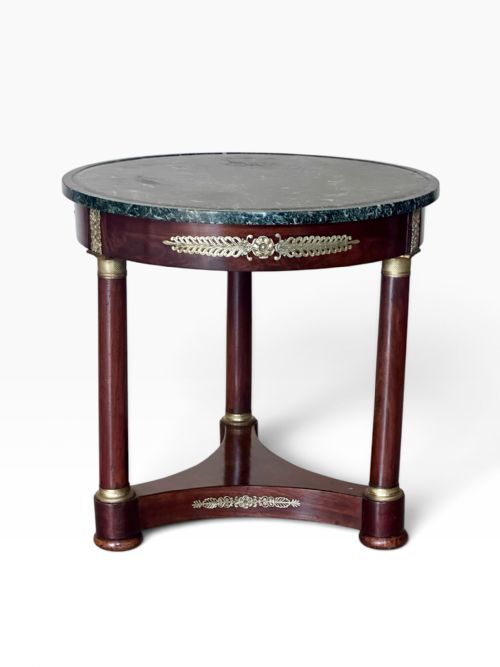
A french classical table spans distinct forms including centre tables and console tables, frequently produced across the nineteenth century. These objects draw on French Empire, Neoclassical, and Louis XVI styles, incorporating structural symmetry and classical ornament.
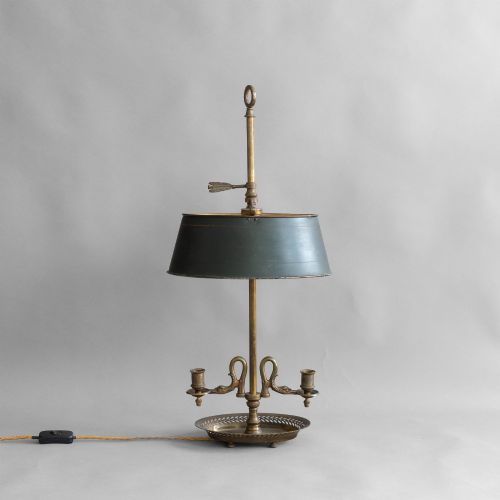
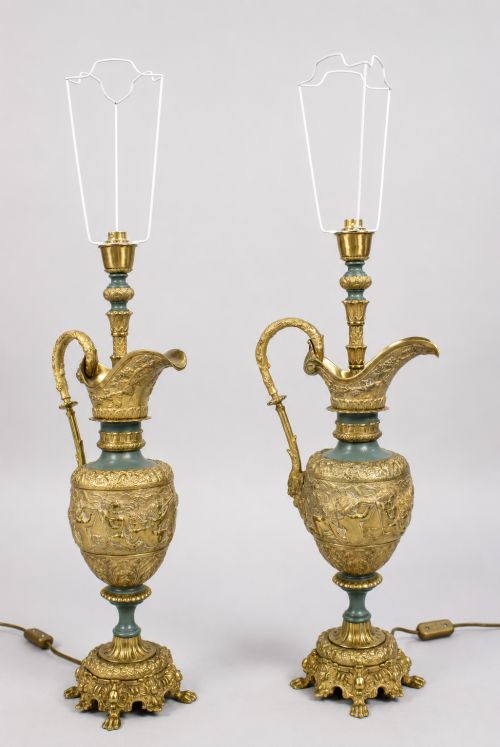
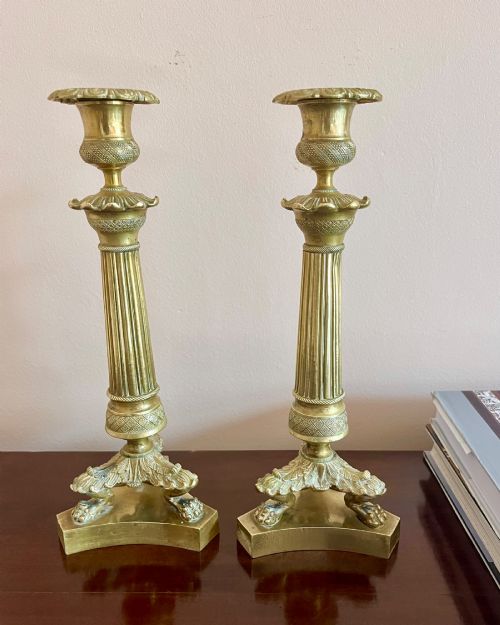
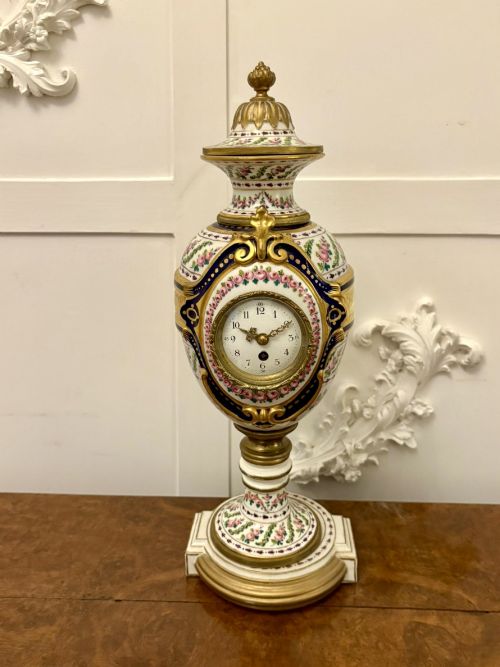
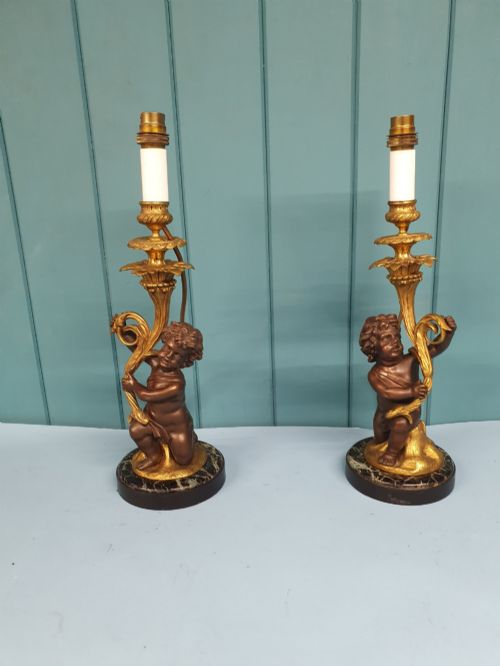
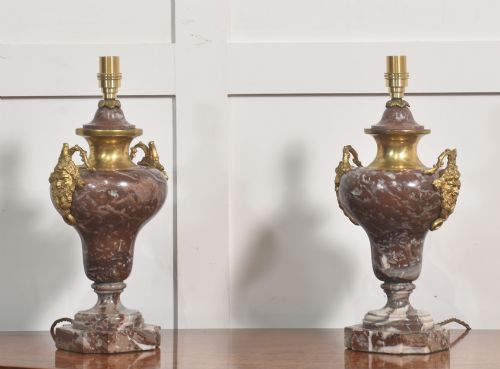
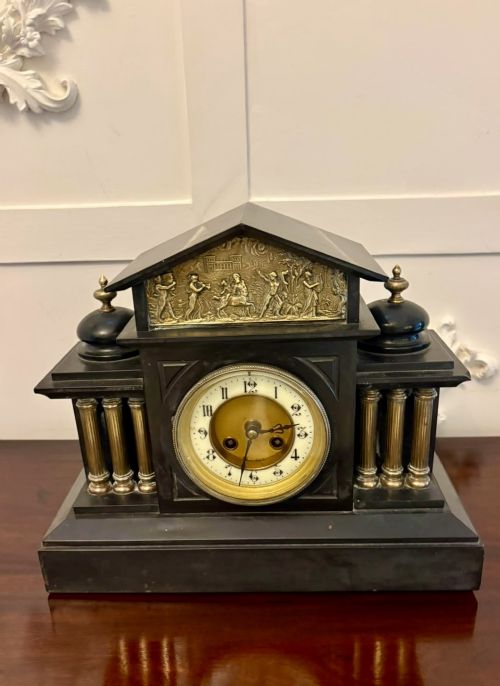
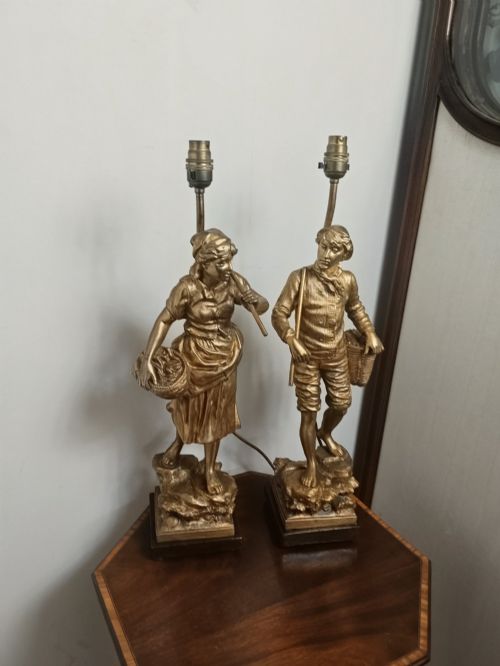
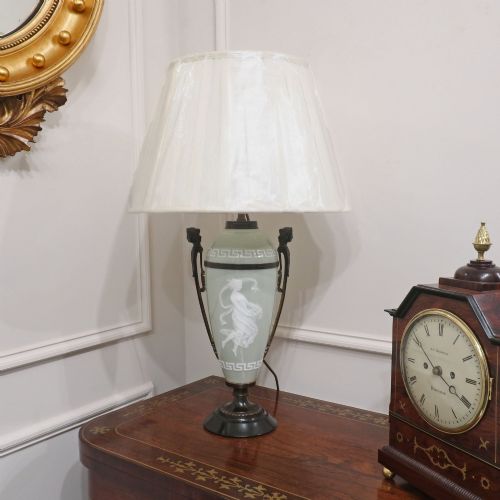
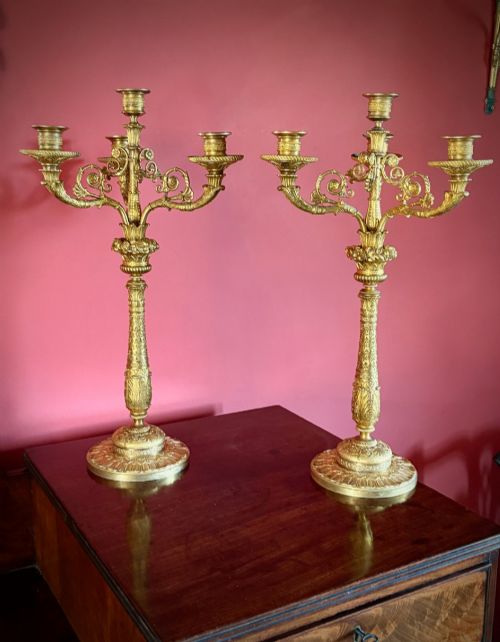
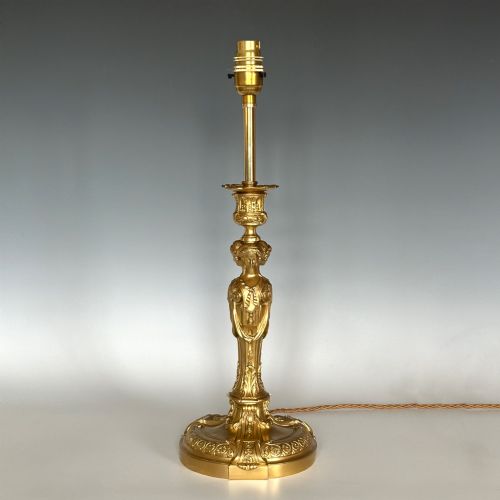
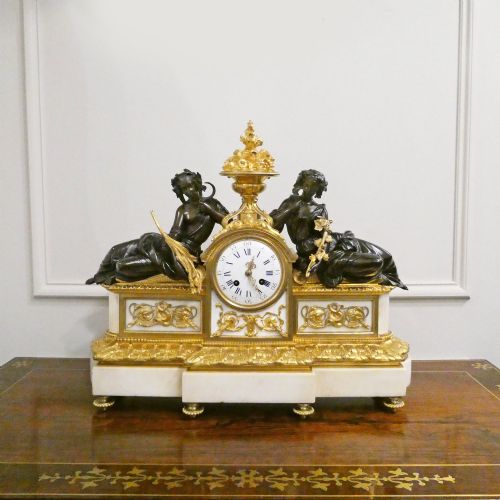
While the search term specifies a table, the material evidence records diverse decorative arts alongside tables, including mantel clocks, candelabra, and table lamps sharing identical neoclassical vocabularies. Console tables with marble tops and gilded wood or brass mounts represent the primary table forms seen in the archive.
Origins trace principally to French workshops and makers working in bronze, marble, and giltwood. Pieces align with the broader aesthetic of nineteenth-century revivalism, adapting classical motifs for domestic interiors.
What varies in quality
The selection of materials dictates standing, with high-grade pieces utilising genuine antique marbles, heavy fire-gilded bronze, and dense native hardwoods. Poorer execution relies on lighter brass alloys, synthetic replacements, or superficial surface finishes.
Several cherubs across the inventory appear permanently frozen mid-mischief, guarding clocks and lighting rooms with unwavering toddler determination.
E Rousseau·Vincenti·Walker and Hall·L & F Moreau·Pierre Philippe Thomire·Claude Michel Clodian·Canaillor of Paris·Thiebaut Freres
The French Classical Table Glossary
- Ormolu
- Gilded bronze, produced by applying a mercury-gold amalgam to cast bronze and heating it to drive off the mercury. This technique creates a durable, warm metallic lustre characteristic of fine French decorative arts.
- Gueridon
- A small round table supported by one or more columns, originating in France during the seventeenth century. Nineteenth-century iterations frequently incorporate classical tripod bases and marble tops.
- Console table
- A wall-mounted or freestanding table supported by front legs or brackets, designed to stand against a vertical surface. They commonly feature marble tops and giltwood frames in neoclassical interiors.
- Pate sur pate
- A ceramic decoration technique where liquid clay is painted in successive layers onto a coloured clay body to create a low relief cameo effect. It appears on porcelain elements incorporated into mantel clocks and lamps.
- Casting
- The process of pouring molten metal into a mould to form a specific shape. Hand-chasing is subsequently applied to refine the metallic details.
French Classical Table: Frequently Asked Questions
What defines French classical style?
French classical style draws directly on the art and architecture of ancient Greece and Rome. It prioritises symmetry, proportion, and restrained ornamentation over the exuberant curves of earlier rococo designs.
In furniture and decorative objects, this translates to straight lines, architectural columns, classical bronze mounts, and motifs such as laurel wreaths, urns, and greaves.
How do I identify a nineteenth-century piece?
Nineteenth-century pieces often combine historical revival aesthetics with the manufacturing techniques of the industrial era. You will observe hand-chased bronze mounts paired with machine-turned screws or standard joining methods appropriate to the decade of production.
Materials like rouge marble, ormolu, and patinated bronze feature heavily across surviving examples from this period, reflecting the enduring popularity of classical revivals.
Where should I place a console table?
Console tables were historically designed to sit flush against a wall in a hallway, drawing room, or beneath a large wall mirror. Because many feature flat backs or require wall anchoring, they suit narrow spaces where depth is restricted.
Pairing a marble-topped console with complementary lamps or candelabra reflects historical interior arrangements.
What is the difference between ormolu and brass?
Ormolu consists of cast bronze treated with a mercury-gilding process, resulting in a rich, deep golden tone that resists tarnishing over centuries. Brass is an alloy of copper and zinc, which tends to exhibit a brighter, yellower metallic hue and develops a different patina.
In antique furniture, ormolu mounts signify higher production costs and superior artistic execution compared to standard brass hardware.