


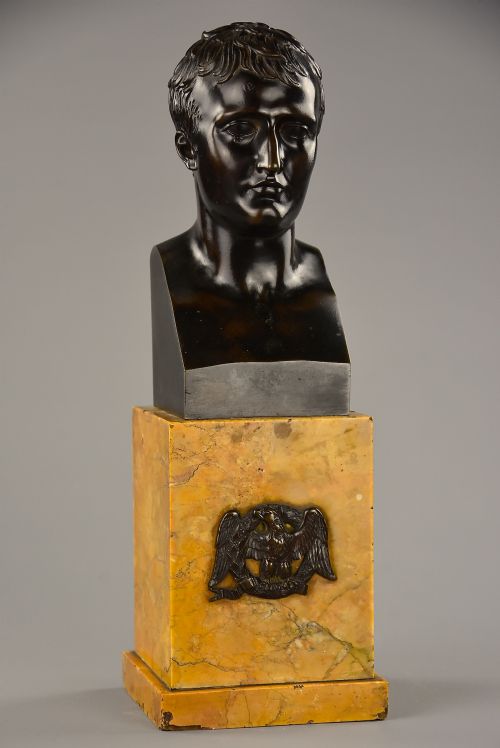

French Classical Pedestals
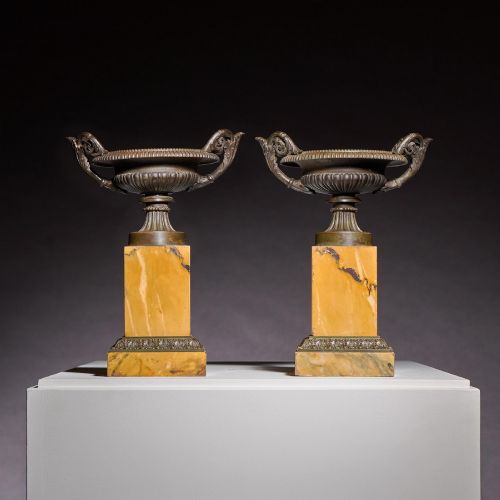
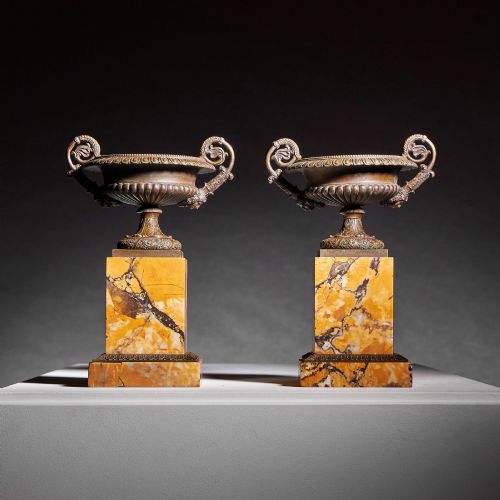
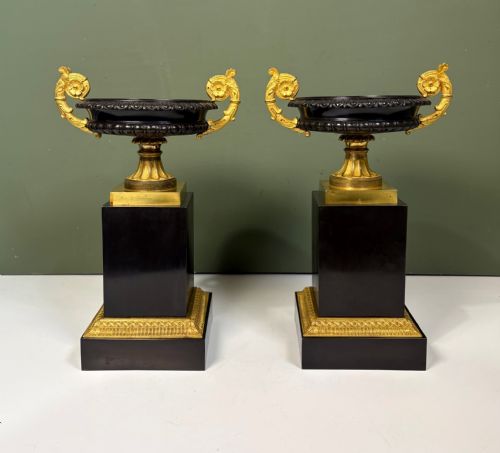
These French classical pedestals elevate sculpture and display urns through marble columns, ormolu collars and bronze mounts rooted in nineteenth-century design.
French Classical Pedestals
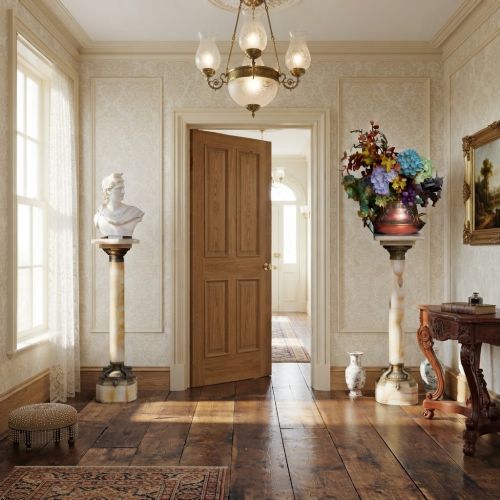
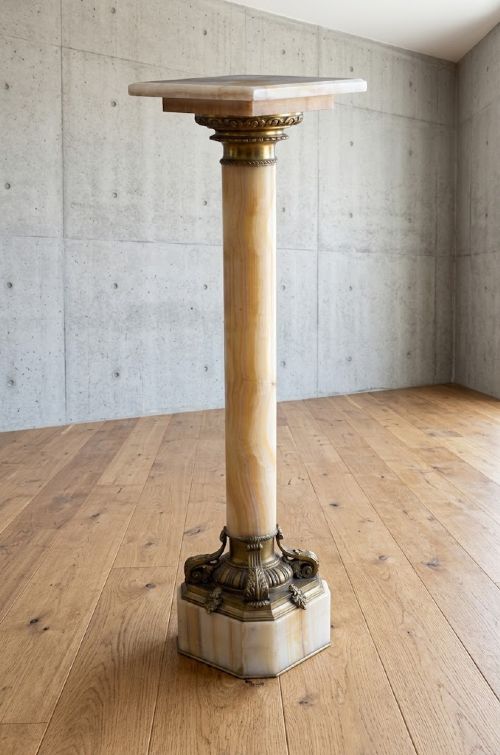
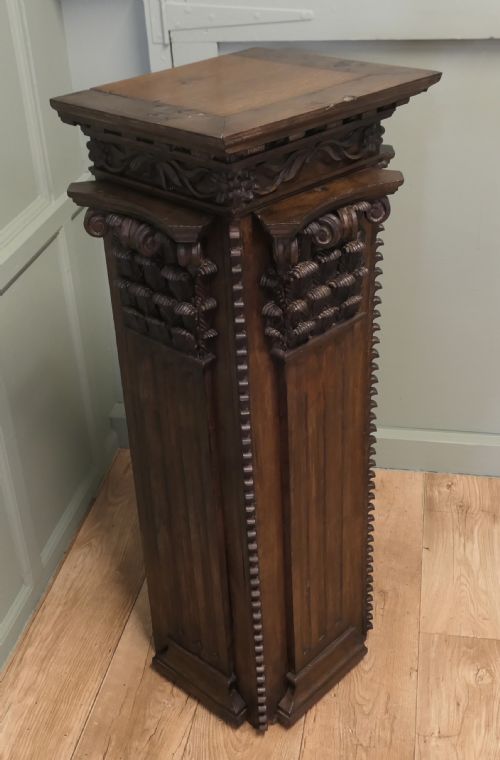
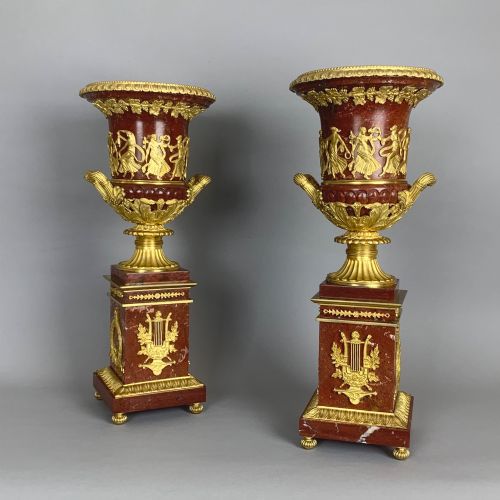
French classical pedestals comprise architectural columns, torchere stands and display plinths designed to elevate decorative objects within an interior scheme. When searching for French classical pedestals, buyers encounter nineteenth-century examples taking the form of marble and onyx columns adorned with cast bronze and ormolu mounts. These structural supports serve to showcase busts, urns and decorative vases at an elevated viewpoint.
The selections span distinct manifestations of the nineteenth century, including French Empire, Regency and classical revival styles. Surviving pieces frequently utilise substantial natural stone shafts paired with metal collars, echoing ancient architectural orders adapted for domestic display. Column forms dominate the available repertoire, alongside occasional multi-tiered display tables and carved timber torcheres.
What Varies in Quality
Quality rests upon the selection and working of the primary materials, distinguishing solid natural stone and heavy cast bronze from lighter substitutes. Superior examples demonstrate precise turning of marble or onyx columns without natural fissures compromising the structural load. The weight and thickness of the stone indicate the grade of the piece.
Detailing in the metal mounts dictates the upper tier of craftsmanship. High-grade ormolu and bronze elements exhibit deep, hand-chased enrichment rather than soft, factory-cast outlines. The precision of fit between the stone shaft and metal collars reveals the care invested by the maker during assembly.
The listings on this site feature nineteenth-century French classical pedestals constructed from marble, onyx, bronze, and ormolu.
Claire Colinet
The French Classical Pedestals Glossary
- Ormolu
- Gilded bronze mounts applied to furniture, urns and pedestals. This mercury-gilded or electroplated brass or bronze surface provides a bright golden contrast against dark stone and timber.
- Torchere
- A tall, slender stand or pedestal designed to carry a lamp, vase or sculpture. These decorative supports originate from candle stands of earlier centuries.
- Campana
- A vase or urn shape resembling an inverted bell with an everted rim. This classical profile appears frequently on pedestals and display stands.
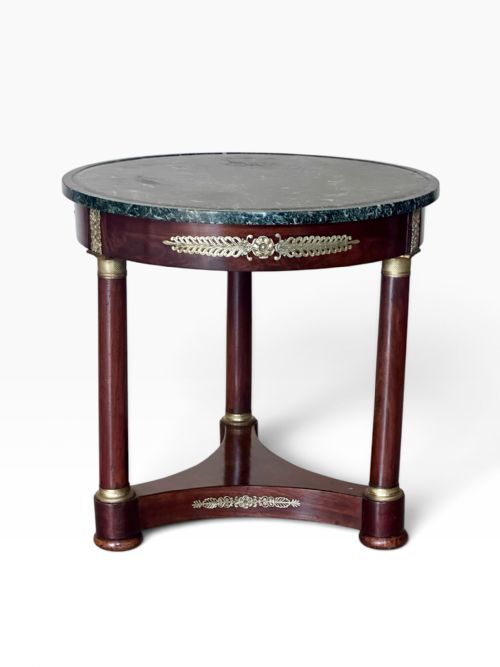
- Gueridon
- A small French round table used as a centre table or display surface. These tables often share stylistic vocabulary with classical pedestals.
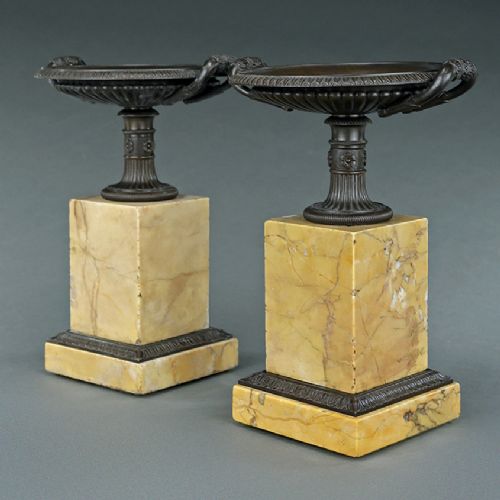
- Tazza
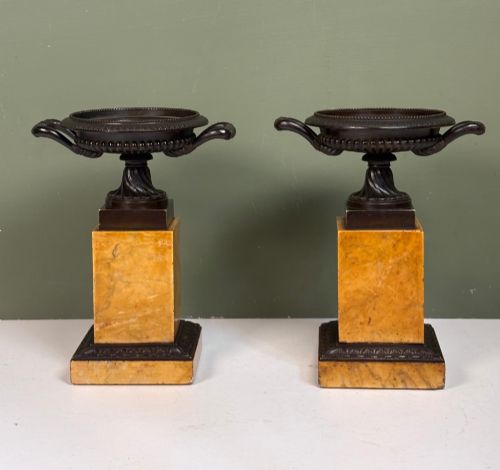
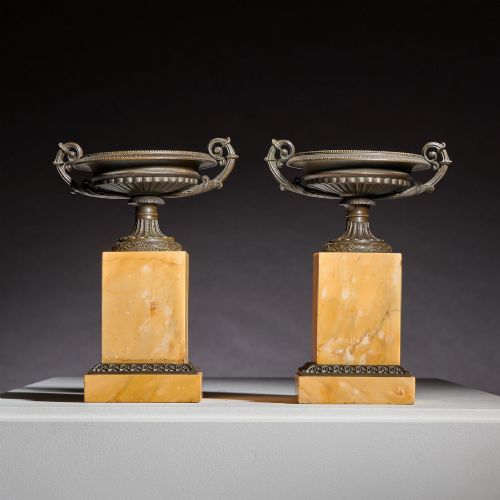
- A shallow saucer-like ornamental vase or cup raised on a stem and foot. They frequently accompany pedestals on this page as complementary display items.
French Classical Pedestals: Frequently Asked Questions
What were French classical pedestals used for?
These pedestals served primarily to elevate bronze busts, porcelain vases, marble urns and sculptural lamps within nineteenth-century reception rooms. Raising decorative objects improved their visibility and integrated them into the architectural scheme of the interior.
They also functioned as standalone decorative pillars that introduced classical proportions and expensive materials like onyx, marble and ormolu into domestic spaces.
How do I identify the period of a pedestal?
Dating relies upon examining the combination of materials, casting techniques and stylistic markers. Nineteenth-century examples often display Empire or classical revival motifs such as laurel wreaths, acanthus leaves and paw feet.
The weight of the metal components, the patina of the bronze and the turning style of the marble or onyx column provide further clues to the manufacturing decade.
Can these pedestals support heavy sculptures?
Solid marble and onyx columns possess substantial weight and structural strength designed to carry heavy bronze sculptures, large vases and stone busts. Internal threaded rods usually secure the stacked stone sections together.
Buyers should inspect the stability of the joints and the integrity of the base to ensure the column remains level under load.
How do I clean marble and ormolu?
Natural stone surfaces require gentle cleaning with a soft, damp cloth and mild, pH-neutral soap to preserve the polish without scratching the mineral structure. Abrasive cleaners must be avoided entirely.
Ormolu mounts need delicate dusting with a dry microfibre cloth, as harsh chemical polishes will strip the historical fire-gilded or gold-plated finish from the bronze underneath.