


French Classical Lighting
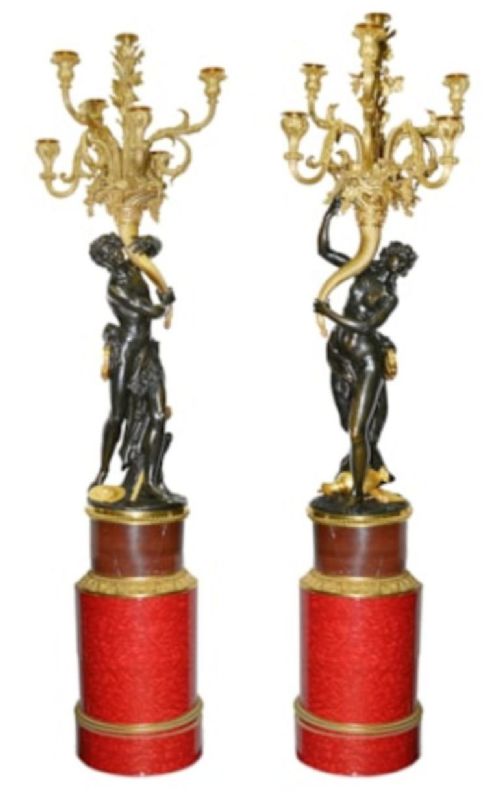
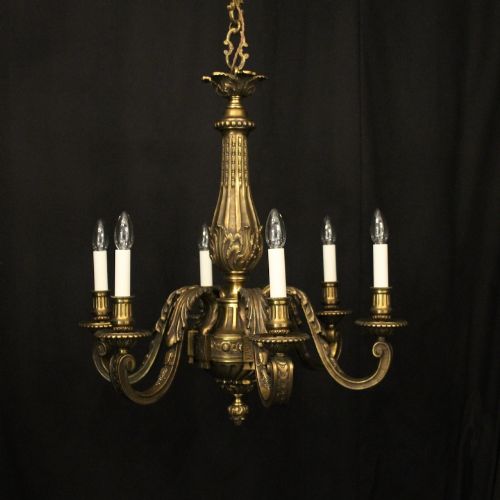
These pieces of French classical lighting combine bronze, marble, and gilt metal into practical objects that bring formal symmetry and warm illumination to a room.
French Classical Lighting
French classical lighting encompasses a variety of fixtures designed to illuminate interiors through both candlepower and electricity. When exploring this selection, buyers encounter everything from modest single candlesticks to multi-armed chandeliers and wall lights.
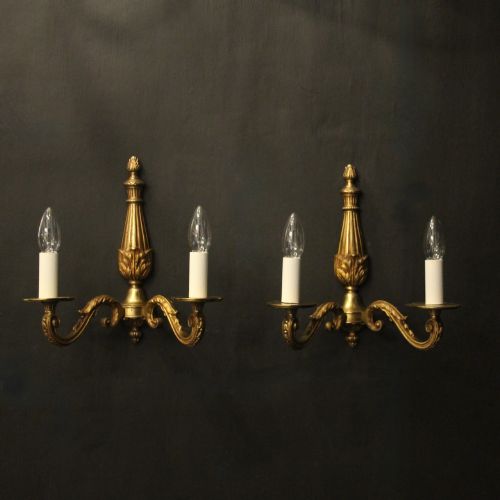
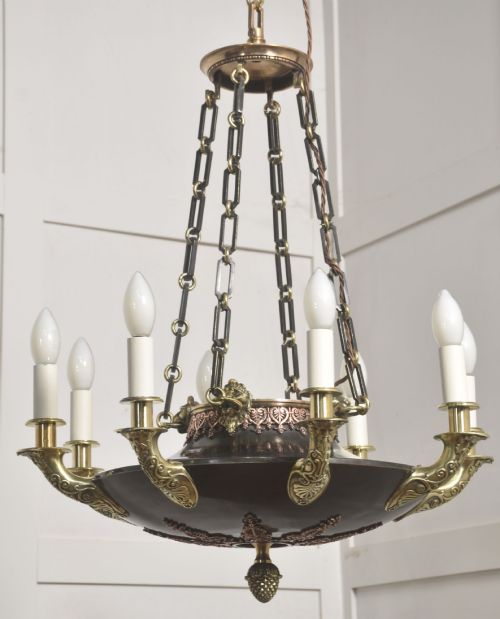
The objects span multiple periods, with nineteenth-century examples appearing alongside pieces from the early decades of the twentieth century. Forms include chandeliers, wall sconces, candelabra, and table lamps adapted from earlier designs.
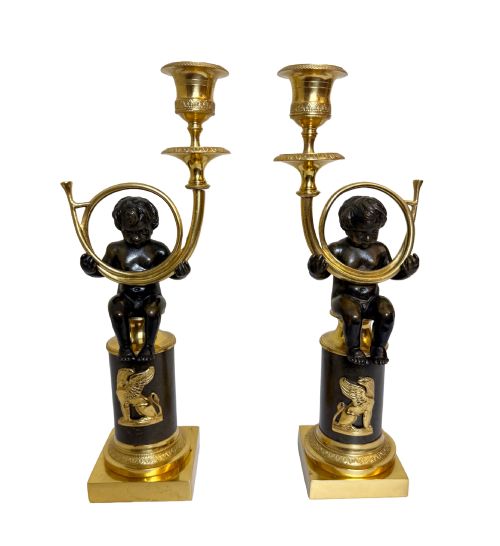
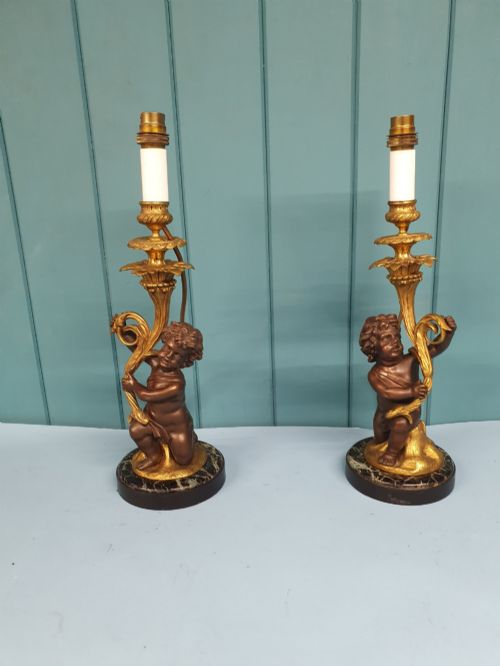
Stylistic influences draw heavily from neoclassical, Empire, and Louis XVI traditions. These designs utilise classical motifs such as caryatids, rams' heads, and cherubs to project architectural order and decorative richness.
How They Were Made
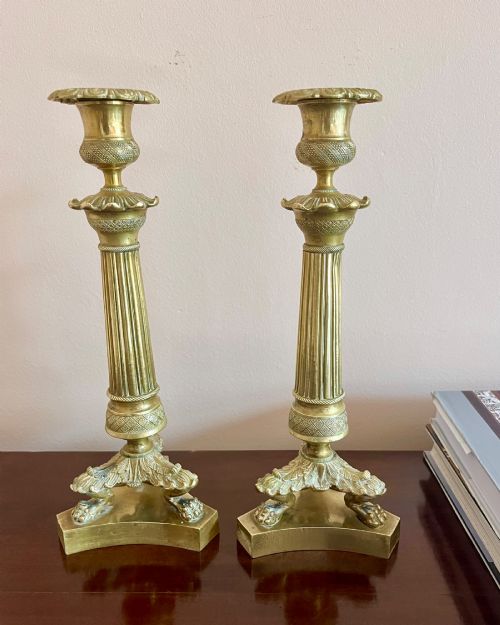
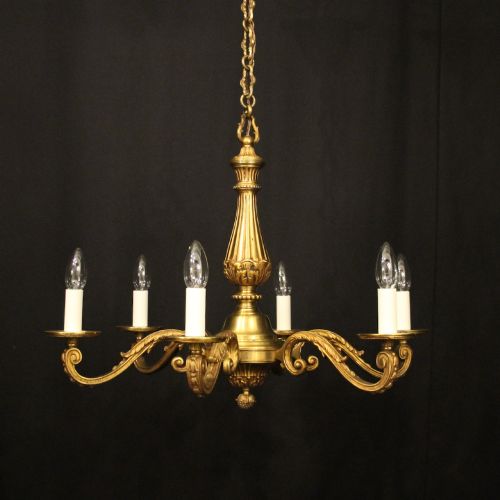
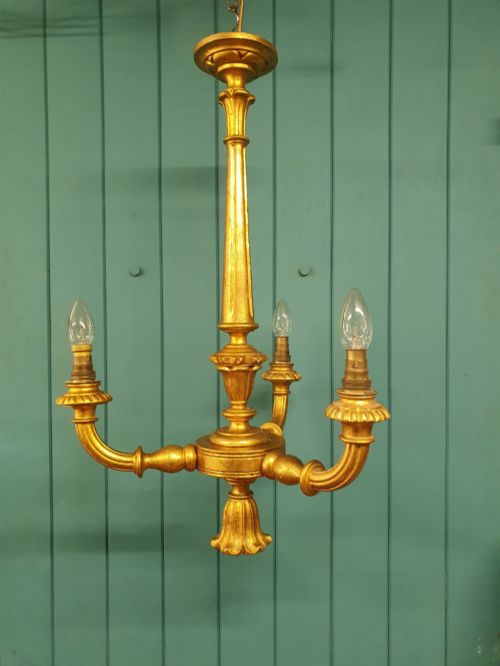
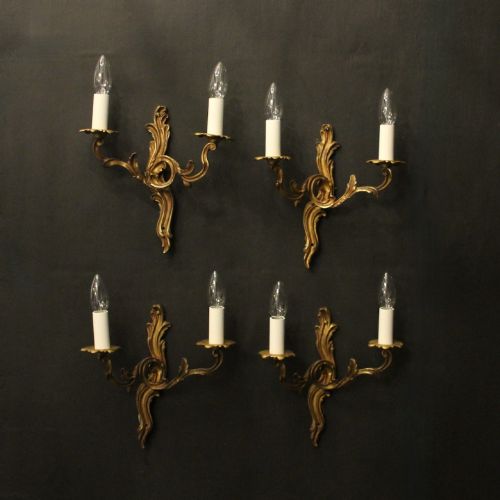
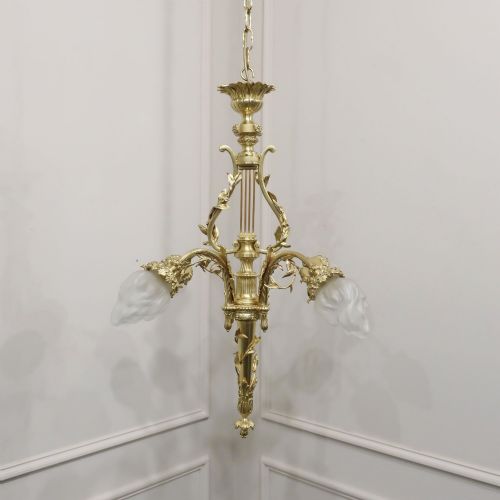
Craftsmen relied on metal casting techniques to form the structural bodies of these items. Gilt bronze, ormolu, brass, and copper provided durable foundations that could be shaped into elaborate foliate arms and figural mounts.
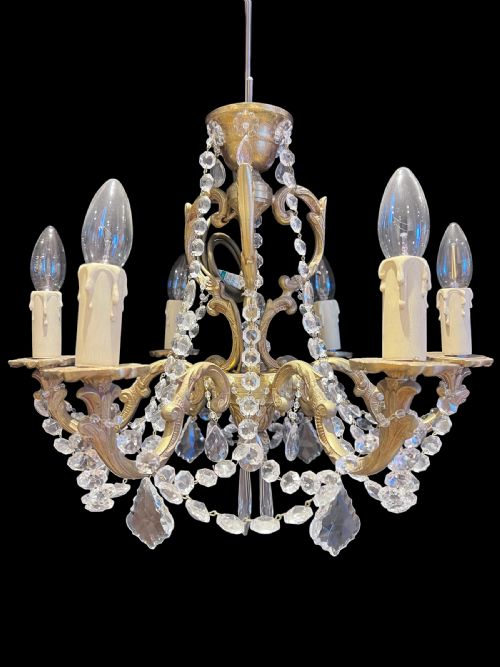
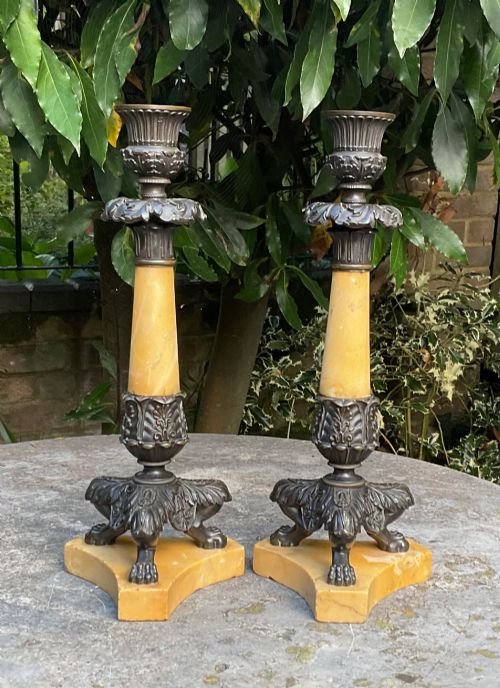
Many fixtures incorporate carved giltwood or natural stone elements like white marble, rouge marble, and onyx. Crystal drops and glass components are frequently integrated into chandeliers and lanterns to refract the light.
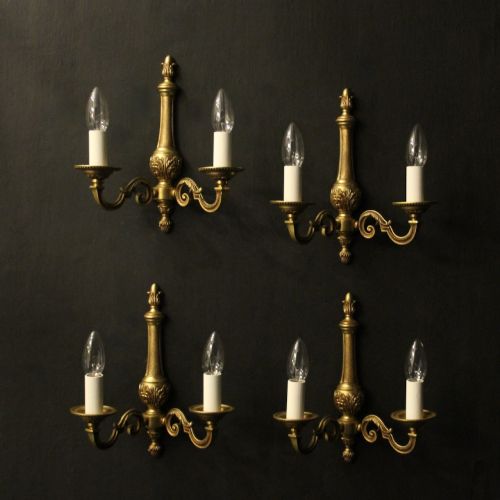
Listings demonstrate a strong presence of nineteenth-century French manufacture, predominantly utilising gilt bronze, brass, and marble in candelabra, wall lights, and chandeliers.
What Varies in Quality
Materials also dictate the tier of a piece. The depth and warmth of genuine mercury gilding or heavy ormolu contrast against simpler brass finishes, while dense, unblemished marble bases indicate superior selection by the original maker.
Pierre Philippe Thomire·L and F Moreau·E Rousseau·Casier·Dugourc
The French Classical Lighting Glossary
- Ormolu
- Gilded bronze produced by applying a mercury and gold amalgam to a bronze base and heating it to drive off the mercury. This technique creates a deep, durable golden finish found on fine period mountings.
- Candelabra
- Branched lighting fixtures designed to hold multiple candles simultaneously. They often feature removable branches or central figures that transform their silhouette.
- Chandelier
- A suspended ceiling fixture with multiple arms for holding lights. French examples frequently incorporate crystal drops, tents, and waterfalls to multiply illumination.
- Pate sur pate
- A ceramic decorating technique where wet white porcelain slip is painted in successive layers onto a coloured clay body. This builds up a low relief cameo effect seen on specific table lamp bodies.
- Caryatid
- A sculpted female figure serving as an architectural support instead of a column. They frequently appear on the stems of candlesticks and table lamps in this tradition.
French Classical Lighting: Frequently Asked Questions
How do I wire an antique chandelier?
Wiring historic fixtures requires running modern heat-resistant flex through the internal channels where original gas pipes or wiring channels once sat. Qualified electricians should handle this installation to ensure weight limits and safety standards are met.
Many chandeliers retain their original brass or bronze sockets alongside modern wiring adaptations. Keeping these internal components accessible helps preserve the structural integrity of the metalwork.
Are these lamps converted from candlesticks?
A large portion of table lamps from this era started life as bronze or brass candlesticks and candelabra. Artisans drilled the bases or added electrical fittings during later periods to make them practical for modern desks and side tables.
These conversions were often executed with care to retain the original patination and figural mounts. The presence of threaded rods or weighted bases usually indicates where the adaptation took place.
What is the difference between Empire and Louis XVI styles?
Louis XVI lighting draws inspiration from archaeological discoveries at Pompeii, favouring restrained symmetry, straight fluted columns, and classical urn motifs. The aesthetic is light, balanced, and orderly.
Empire lighting, by contrast, emerged later under Napoleonic rule with a heavier, more imposing military focus. Expect to see winged victories, sphinxes, draped fabrics, and intense gilt bronze contrasts.
How should I clean gilt bronze and ormolu?
Gilt surfaces require gentle dusting with a soft brush to remove surface particulate without abrading the gold layer. Water and chemical cleaning agents risk stripping the historic patination entirely.
Professional conservators use specialised solvent solutions for deeper grime removal. Maintaining a stable indoor humidity prevents oxidation from forming beneath the remaining gilding.