



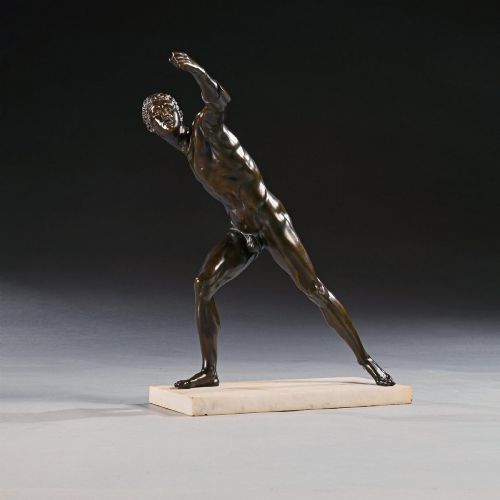
French Classical Bronze Statue
A french classical bronze statue brings mythological figures and neoclassical grace directly into your interior.
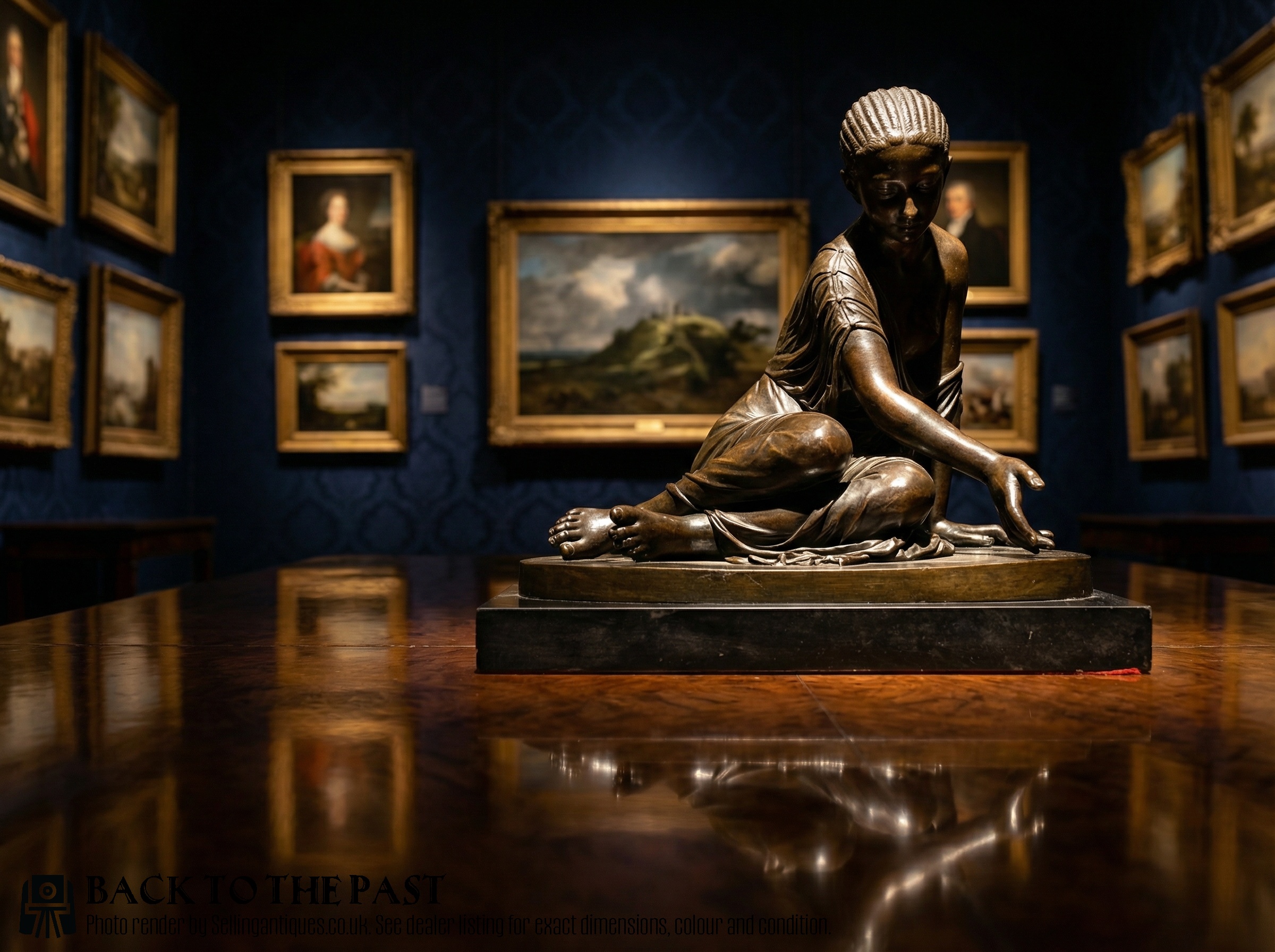
French Classical Bronze Statue
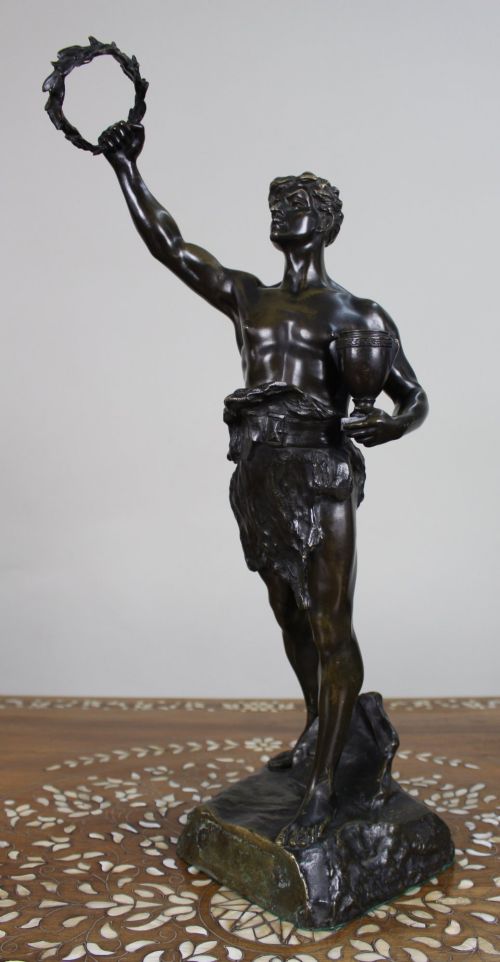
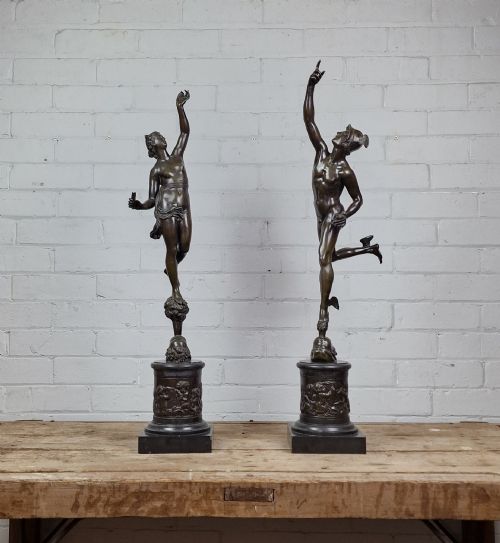
A french classical bronze statue represents figures from mythology, historical leaders, and allegorical subjects rendered in cast metal. These pieces reflect the enduring influence of antiquity upon continental European sculpture.
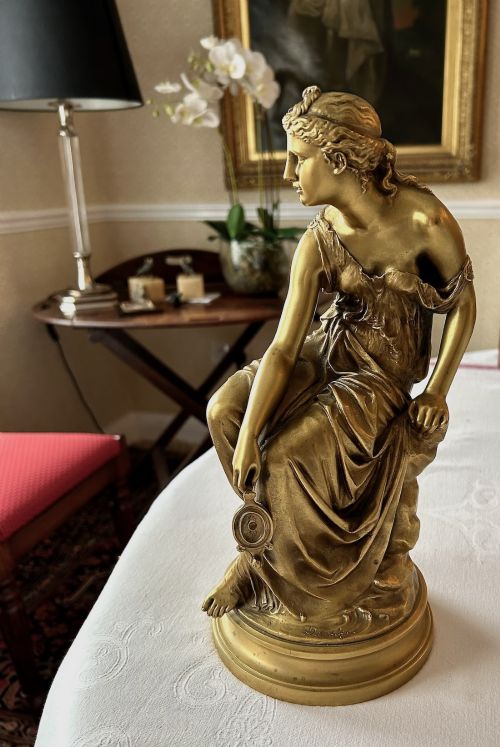
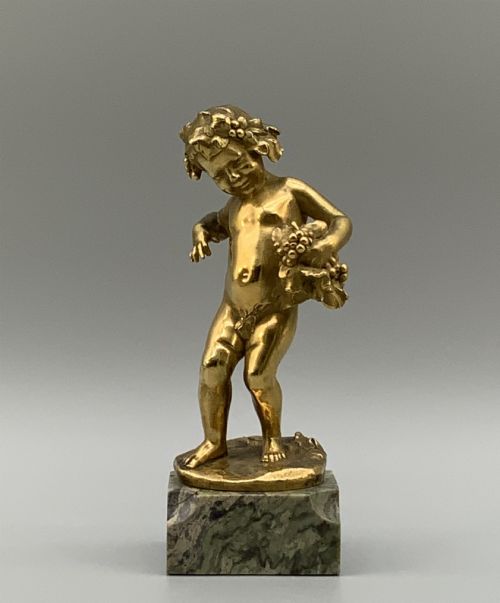
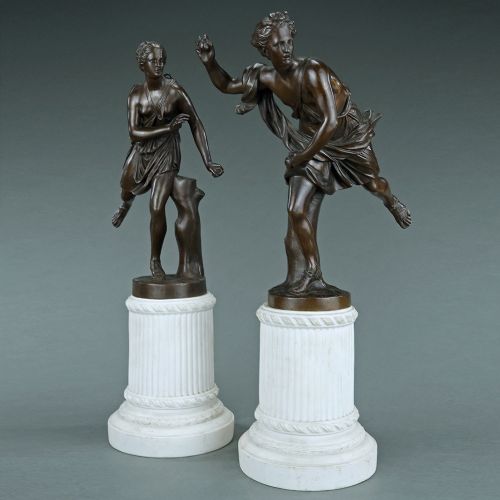
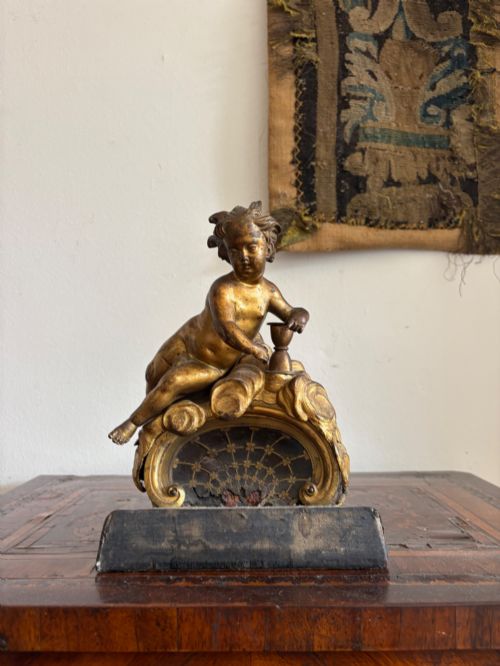
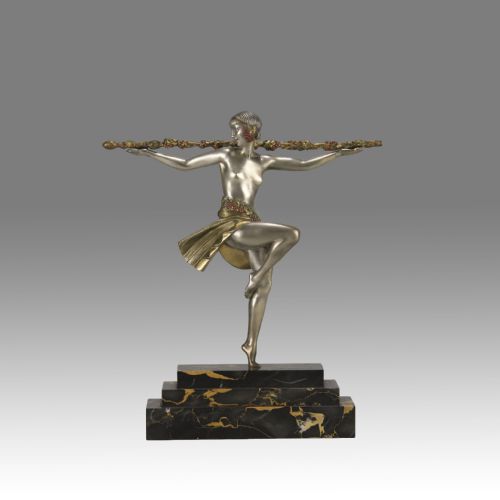
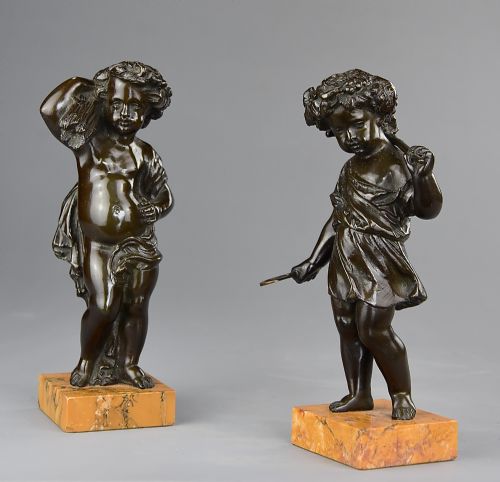
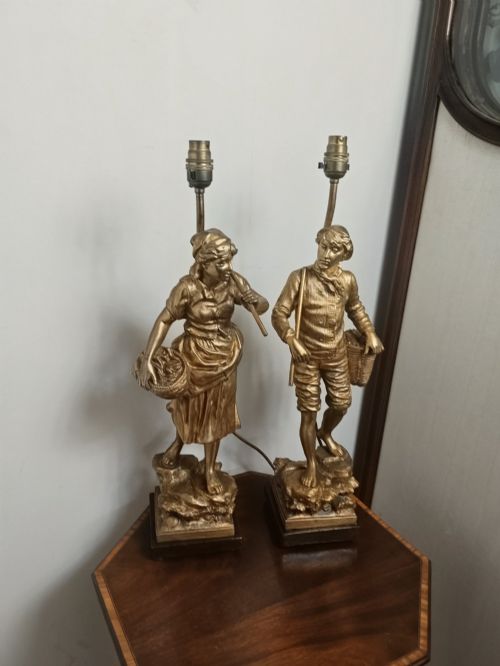
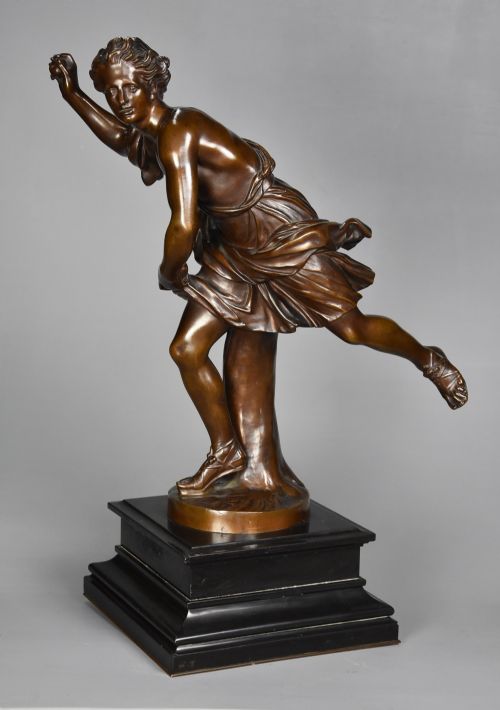
You will most frequently encounter nineteenth-century interpretations of classical antiquity, ranging from figures of maidens and putti to soldiers and dancers. These works bridge traditional neoclassical ideals with later nineteenth- and early twentieth-century foundry practices.
Materials and casting methods
Foundries utilised bronze alloys, which were cast and subsequently finished with patination, gilding, or ormolu highlights. The rich patinated surfaces and gilt finishes highlight the musculature and drapery of each subject.
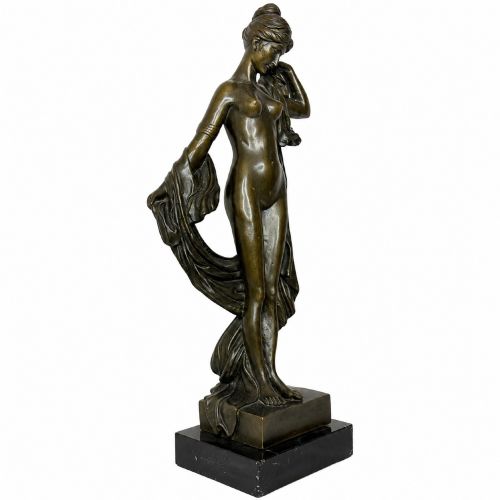
Many works incorporate supportive elements of marble, ebonised wood, or onyx for bases and pedestals. These contrasting materials provide structural stability while enhancing the visual weight of the bronze.
French Classical Bronze Statue Retail Price Guide 2026
Typical asking prices for french classical bronze statue among the pieces listed under this phrase on Sellingantiques today, from the lower quarter to the upper quarter. They describe what is for sale here now, not the wider market.
Several pieces capture cheerful putti grappling with musical triangles, harvest baskets, and spaniels.
Distinctions in craftsmanship
Quality rests in the crispness of the chasing and the subtlety of the surface finish. Finer casts preserve delicate facial expressions, hair strands, and fabric folds without softening the underlying metalwork.
The sophistication of the patination and the integrity of the foundry mark or signature elevate certain pieces. Superior examples demonstrate a careful balance between the warm metal tones and any integrated stone mounts.
Etienne-Henri Dumaige·Susse Frères·Ferdinand Barbedienne·Pierre le Faguays·Moreau Family·Émile Louis Picault·Mathurin Moreau·Edouard Drouot
The French Classical Bronze Statue Glossary
- Ormolu
- Gilded bronze produced by applying a finely ground mercury-gold amalgam to base metal, creating a bright golden finish.
- Patina
- The surface coloration and sheen developed naturally over time or applied chemically to bronze sculptures.
- Neoclassical
- A style reviving the decorative and structural principles of ancient Greek and Roman art.
- Putto
- A plump, often winged male infant figure frequently depicted in mythological and allegorical compositions.
- Foundry
- A workshop or factory where metal is melted and poured into moulds to create sculptures and mounts.
French Classical Bronze Statue: Frequently Asked Questions
How were these bronzes displayed originally?
In period interiors, these figures occupied prominent positions on mantelpieces, tabletops, and dedicated pedestals made of marble or wood. They served as focal points within reception rooms and libraries.
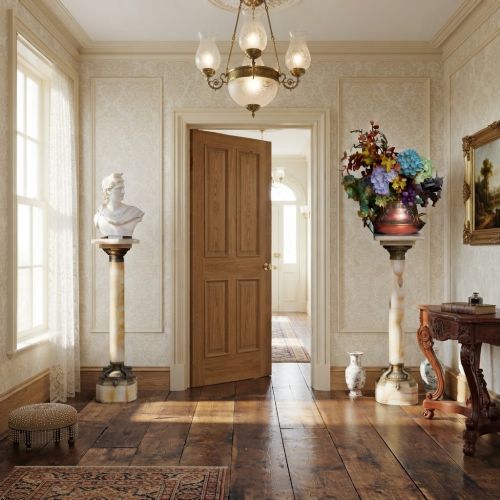
Larger scale pieces often stood independently on columns or plinths, while smaller figures complemented clock garnitures and decorative furniture mounts.
How do I care for a bronze statue?
Maintenance requires gentle dusting with a soft, dry cloth to prevent the accumulation of abrasive particles. Avoid using liquid cleaners, polishes, or abrasive cloths that might strip the historic patina.
Keep the bronze away from direct heat sources and high humidity to preserve the stability of both the metal and any integrated marble or wood bases.
How can I distinguish period styles?
Neoclassical and Empire pieces emphasise strict symmetry, heroic proportions, and restraint, echoing ancient Roman and Greek aesthetics. Later nineteenth-century works often introduce greater theatricality and naturalism.
Transitioning into the twentieth century, Art Nouveau and Art Deco examples incorporate flowing organic lines or stylized geometric forms while retaining traditional bronze casting techniques.