


French Chenets Pair
A french chenets pair brings decorative fire irons and hearth furniture to a room, grounding an open fireplace with metalwork designed to support logs.
French Chenets Pair
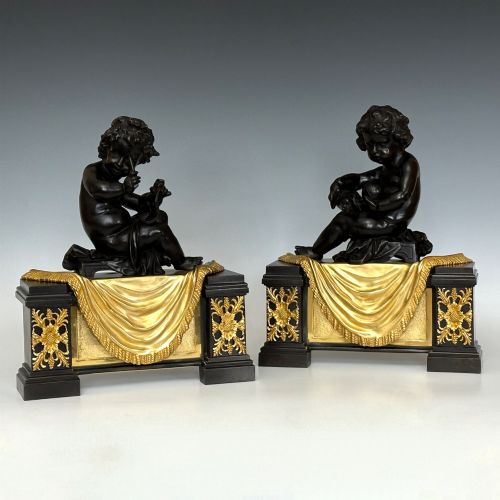
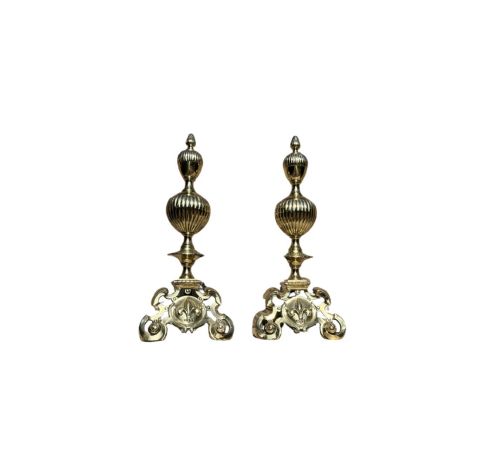
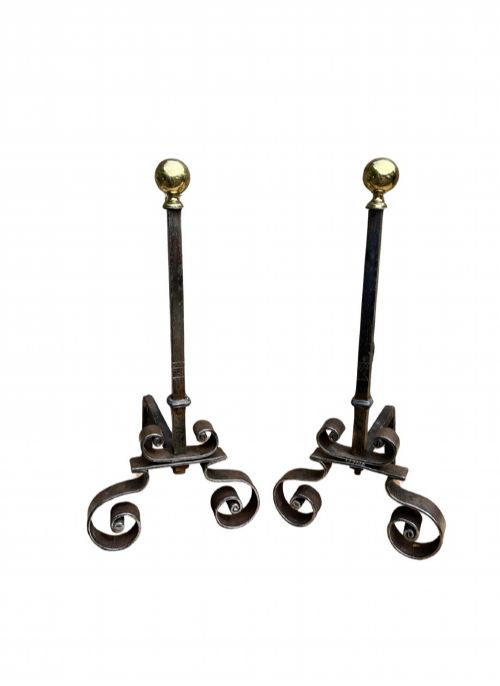
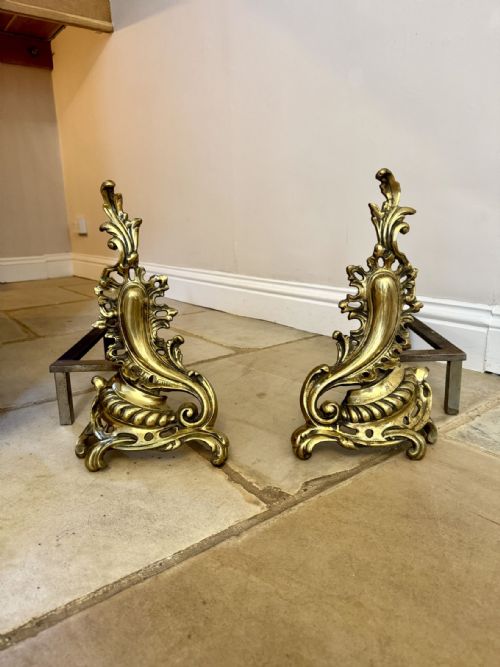
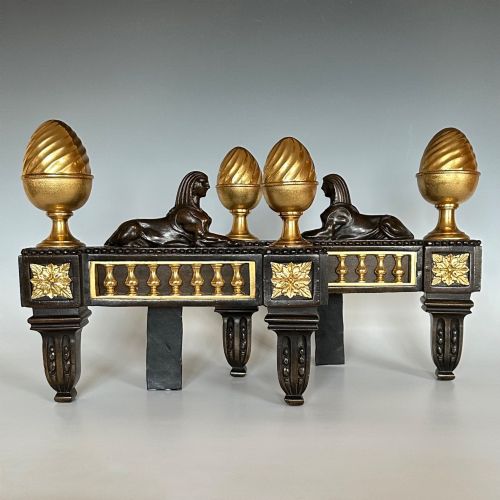
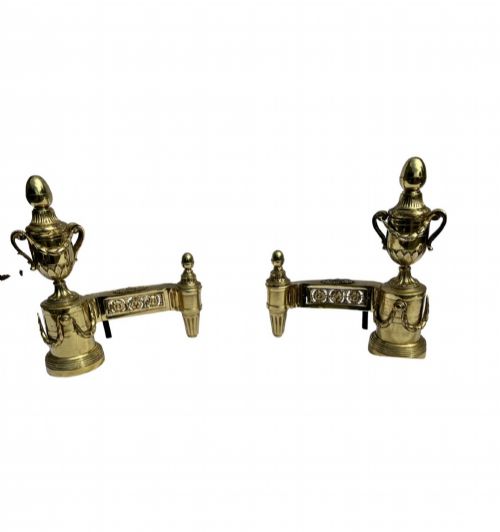
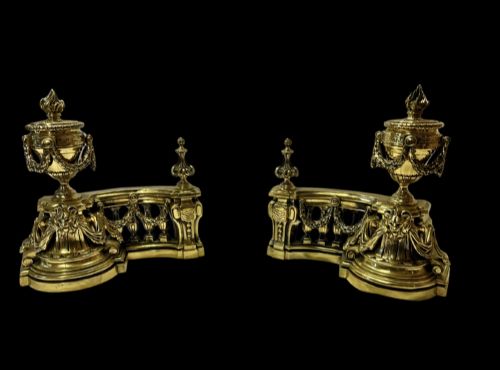
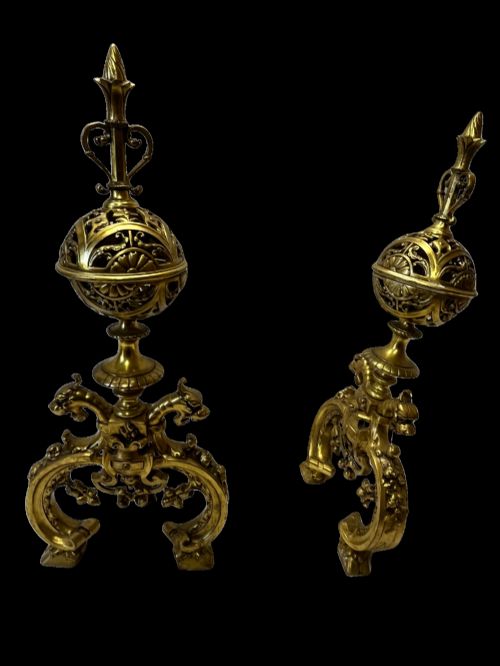
A french chenets pair comprises matched hearth supports placed on either side of an open fireplace to hold firewood above the hearth floor. These heavy metal guards appear in various forms, including traditional fire dogs and figural designs with scrollwork.
The versions most commonly met on this page date from the nineteenth century, spanning periods from Regency to the late Victorian era. Makers produced these matching pairs in styles that recall earlier French reigns, such as Louis XV, Louis XVI, and Baroque revivals.
Examples range from simple cast iron and wrought iron variants to ornate decorative pieces styled in the French Rococo and Neoclassical traditions. Buyers select these items to complete a period fireplace setting with functional antique metalwork.
Evaluating quality and execution
The distinction between standard hearth hardware and exceptional examples lies in the crispness of the cast ornamentation and the depth of the chasing. Superior pieces display finely detailed figural work and secure assembly without clumsy solder joints or crude filing.
Weight and material thickness also separate grades, as heavier castings of solid bronze or thick ormolu retain their structural integrity and surface detail through centuries of heat exposure and polishing.
Some nineteenth-century makers cast ferocious lions into the ironwork, ensuring your logs are guarded by small, watchful beasts.
The French Chenets Pair Glossary
- Chenet
- An ornamental metal support placed horizontally on a hearth to hold logs, often synonymous with a fire dog. These objects serve both a practical purpose in wood fires and a decorative function in period rooms.
- Ormolu
- Finely ground high-carat gold applied to a bronze base using a mercury amalgamation technique or modern electroplating. This finish gives the metal a rich, warm golden lustre.
- Fire dog
- A metal support consisting of a horizontal bar on legs with an upright decorated front, used in pairs to hold firewood. They protect the hearth wall and allow air to circulate beneath the logs.
- Rococo
- An ornate design style characterised by asymmetry, curves, scrolls, and plant motifs. This aesthetic dominated mid-eighteenth-century French decorative arts and saw widespread revival in the nineteenth century.
- Neoclassical
- A style inspired by the classical architecture and ornament of ancient Greece and Rome. It relies on symmetry, straight lines, and classical motifs such as urns and swags.
French Chenets Pair: Frequently Asked Questions
What is a french chenets pair used for?
These matching metal supports sit inside an open fireplace to elevate logs above the hearth floor. Raising the wood allows air to circulate underneath, which improves combustion and keeps the fire burning steadily.
Beyond their practical function, they serve as decorative architectural furniture. When a fire is not lit, the matching pair frames the hearth and adds metallic detail to the fireplace surround.
How do I identify the period of a pair?
Dating relies on examining the casting methods, metal composition, and stylistic vocabulary used in the ornamentation. Nineteenth-century revival pieces often copy earlier Louis XIV, Louis XV, or Louis XVI designs but utilise manufacturing techniques of their own era.
Heavier cast brass and detailed ormolu pieces frequently point to mid or late nineteenth-century production. Wrought iron variants often reflect simpler provincial tastes or earlier utilitarian workshops.
Can these be used in a working fireplace?
Most solid bronze, brass, and iron pairs are built to withstand hearth heat and can support burning logs. Solid metal construction handles high temperatures without losing structural stability.
Buyers should verify that the horizontal bars and rear supports are long enough for their specific hearth depth. Fragile gilt surfaces may require careful positioning to avoid smoke or ash damage.
How do I clean and maintain them?
Maintenance depends on the specific metal finish, whether it is unpolished cast iron, patinated bronze, or gilded ormolu. Dusting with a dry, soft cloth removes soot and ash accumulation from regular fireplace use.
Harsh metal polishes should be avoided on gilded or patinated surfaces to prevent wearing away the finish. Gentle cleaning preserves the historic appearance and metal colour built up over time.