
French Chateau Style Painting
A french chateau style painting brings romantic domestic scale and pastoral character to a room through traditional canvas portraits and decorative subjects.
French Chateau Style Painting
A french chateau style painting takes subjects from portraits, floral studies and pastoral scenes set within traditional frames. These works originate from the nineteenth and early twentieth centuries alongside associated furnishings in painted wood and gesso.
The selection centres on decorative canvases and framed portraits rather than architectural elements or large furniture. Pieces reflect periods from the nineteenth century up through the nineteen thirties, often showing distressed surface finishes.
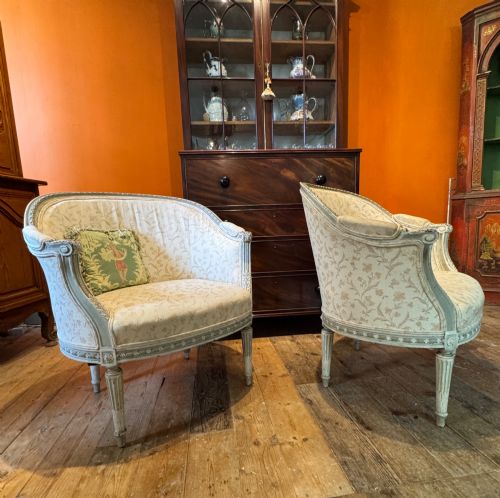
Buyers encounter oil and pastel compositions that complement antique mirrors, commodes and seating from the same continental traditions. The category prioritises visual warmth and historic domestic charm over formal academic art.
How they were made
Canvases and panels carry oil or pastel pigments applied by hand, mounted within timber frames shaped by carvers and gilders. Many frames utilise gesso and gold leaf over wood bases to create relief ornamentation.
Surfaces frequently show layers of historic paint or original finishes that have aged naturally over decades of domestic use. Construction relies on traditional joinery methods appropriate for period picture frames and stretchers.
An eighteenth century porcelain cup set survives alongside birdcages and commodes to complete the domestic chateau interior.
What varies in quality
Quality rests in the sensitivity of the brushwork and the harmony between the canvas and its original frame. Superior examples demonstrate confident draughtsmanship in portraits or studies, while lesser pieces rely on mechanical execution.
The condition of the painted surface and the integrity of the gilt or painted frame determine the visual impact of the work. Patina accumulated through age distinguishes pieces that retain their original character from later decorative reproductions.
Jean Baptiste van Loo
The French Chateau Style Painting Glossary
- Gesso
- A plaster mixture applied to wood frames as a smooth base for gilding and paint. It allows carvers to achieve sharp decorative details.
- Gold leaf
- Beat gold applied to surfaces to create a luminous metallic finish. It reflects light across ornate frame mouldings.
- Pastel
- A dry drawing medium of powdered pigment used for portraits on paper. It yields soft colour transitions and matte textures.
- Trumeau
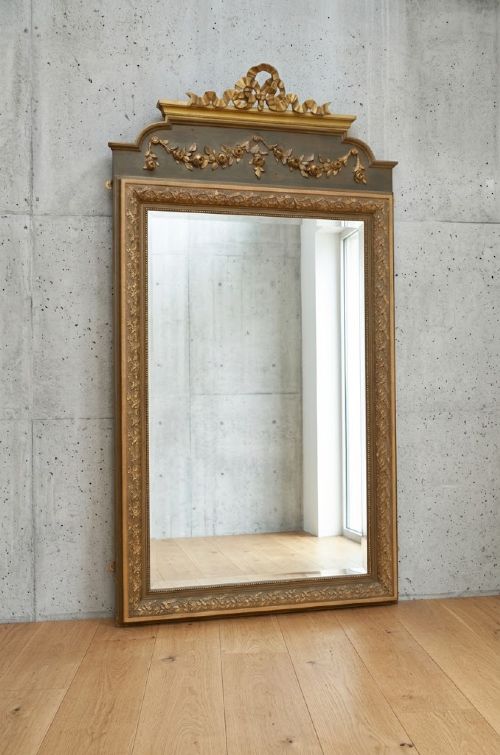
- A decorative wall mirror or panel often incorporated into wood panelling above a fireplace. It frequently combines painted scenes with reflective glass.
- Toleware
- Painted or lacquered sheet metal used for decorative objects and lighting fixtures. It brings vibrant polychrome colour to interior settings.
French Chateau Style Painting: Frequently Asked Questions
How do I hang a heavy framed canvas?
Secure the hanging wire or rings directly into structural studs within the wall using heavy-duty picture hooks rated for the weight of the frame.
Ensure the wall mounting aligns with the centre of gravity so the painting hangs flat and stable against the surface.
Where should I place these paintings at home?
Position paintings away from direct sunlight and excessive humidity to protect both the canvas pigments and the wooden frame.
Living rooms, hallways and bedrooms benefit from the warm domestic character these pastoral and portrait subjects provide.
How do I clean an antique frame?
Dust gilt and painted wood mouldings gently with a soft dry brush or feather duster to remove loose particles without disturbing the finish.
Avoid liquid cleaners and harsh solvents, which can strip historic gesso, gold leaf and original paint layers.
How can I date a painted canvas?
Examine the stretcher construction, canvas weave and the ageing of the oil or pastel pigments under natural light.
Period frames often provide parallel clues through construction methods, tool marks and the composition of the underlying gesso layers.