






French Chateau Style Bed
A french chateau style bed brings theatrical scale and carved timber to a room, offering grand sleeping quarters inspired by continental palaces.
French Chateau Style Bed
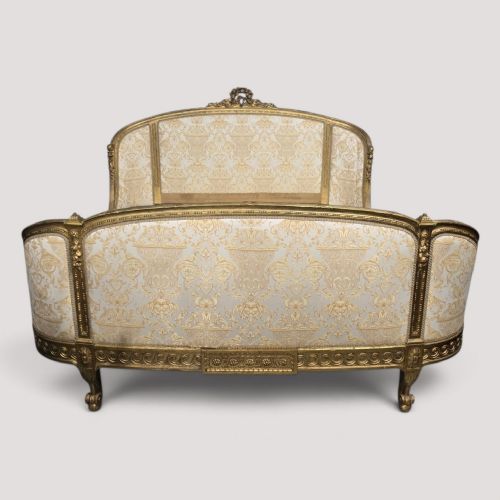
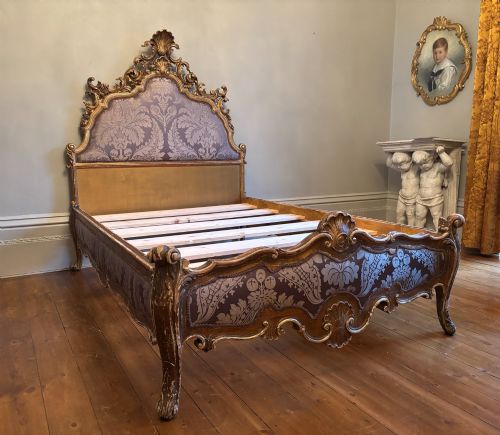
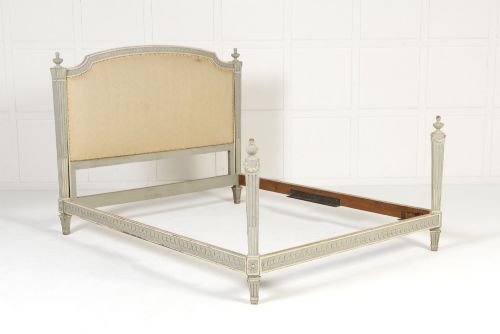
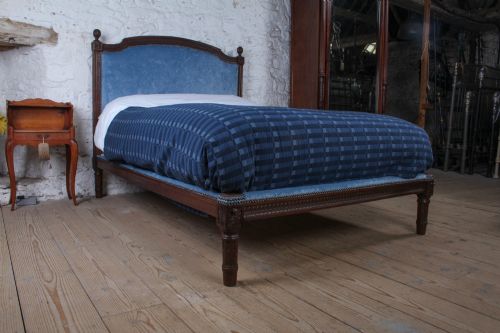
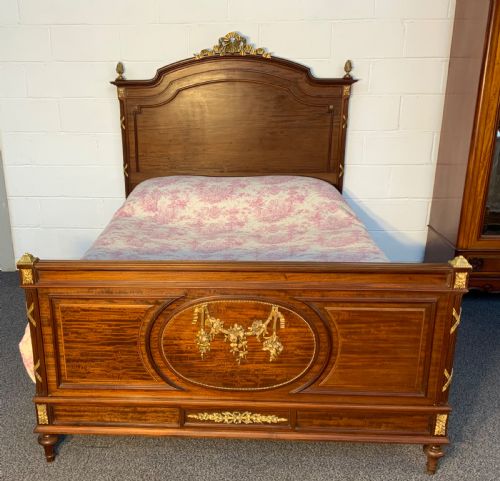
When you search for a french chateau style bed, you encounter substantial timber furniture originating primarily from the nineteenth and early twentieth centuries. These pieces span historical revivals, encompassing Louis XV, Louis XVI, and Empire aesthetics alongside simpler provincial forms.
The selections on this page predominantly present as large bedsteads in double, king, and super king sizes, frequently accompanied by matching bedside tables or seating. Construction dates stretch from the late Victorian era through the Edwardian period and into the nineteen-thirties.
Makers and manufacturers utilised robust proportions, often pairing towering headboards with low footboards to balance presence with practical access. Surviving examples demonstrate how period craftsmen adapted courtly motifs for grand domestic houses.
Materials and Construction Techniques
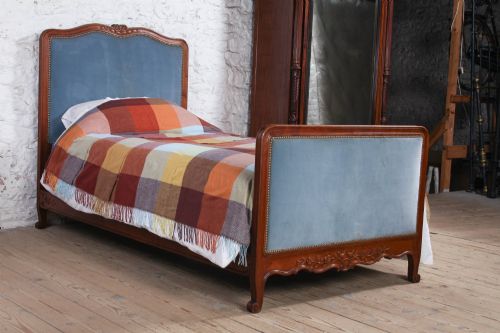
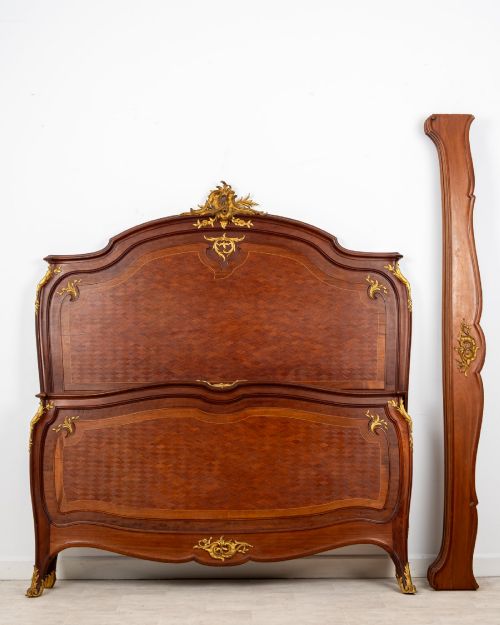
Carpenters built these frames using dense hardwoods like walnut and oak, often applying fine veneers such as kingwood and quarter veneered panels to create geometric grain patterns. Carved wood elements feature prominently, executed by hand with botanical motifs, scrollwork, and classical moulding.
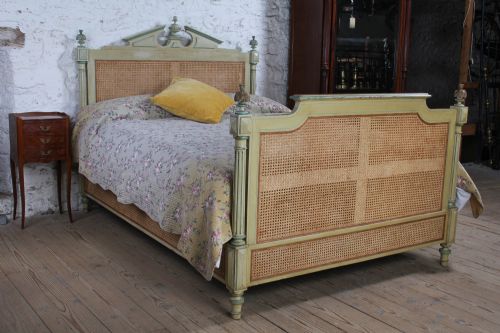
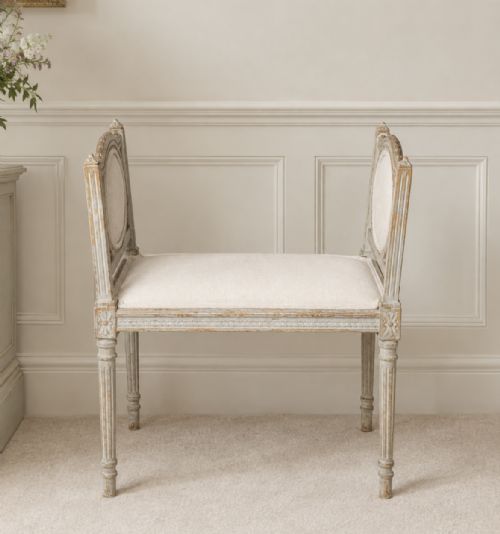
Surface decoration relies heavily on specialist paint finishes, parcel gilt highlights, and natural cane work set within structured wooden borders. Metal ornamentation appears through cast ormolu mounts and brass detailing applied to corners, rails, and headboard crests.
Upholstery forms an integral part of the construction, utilising traditional textiles, original fabrics, or modern replacement cloths secured directly to padded wooden backrests.
French Chateau Style Bed Retail Price Guide 2026
Typical asking prices for french chateau style bed among the pieces listed under this phrase on Sellingantiques today, from the lower quarter to the upper quarter. They describe what is for sale here now, not the wider market.
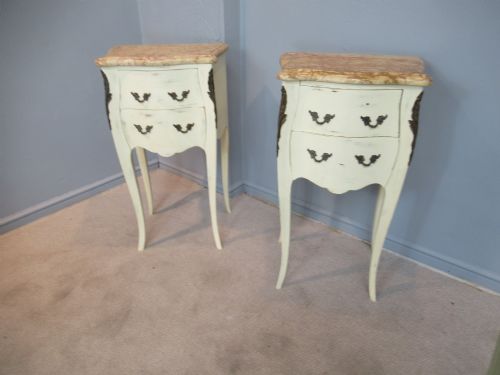
Several beds include matching bedside cabinets, ensuring your chamber pot storage coordinates flawlessly with your sleeping arrangements.
Distinctions in Craftsmanship
The distinction between standard commercial pieces and finer examples rests upon the depth and crispness of the hand carving. Superior frames exhibit deeply undercut wooden relief work rather than shallow machine profiling or applied plaster composition.
Selection of timber veneer and the precision of parquetry layout further separate utilitarian frames from high-end commissions. Ormolu mounts cast with sharp botanical definition indicate superior workshop output compared to softer, unrefined metal castings.
The integrity of structural joints, original cane panels, and integrated wooden side rails dictates the long-term stability and authenticity of the bedstead.
The French Chateau Style Bed Glossary
- Ormolu
- Gilded bronze mounts applied for decorative effect. These metal elements accentuate corners and structural transitions on fine period furniture.
- Parquetry
- Geometric wood veneer patterns arranged in repetitive motifs. Craftsmen utilised this technique on larger flat surfaces to display varied grain contrasts.
- Cane
- Woven rattan material used for breathable panel inserts. This technique lightens the visual weight of large headboards and footboards.
- Low-End Bed
- A bedstead featuring a reduced footboard height. This design choice opens up sightlines across a bedroom and accommodates taller sleepers.
- Parcel Gilt
- Partially applied gold leaf highlighting specific carved details. This treatment draws the eye to structural motifs against a painted timber background.
French Chateau Style Bed: Frequently Asked Questions
Are these beds difficult to assemble?
Most pieces utilise traditional iron bed bolts or wedge connections to secure the headboard, footboard, and side rails together. Having two people simplifies alignment and prevents undue strain on antique joints.
Modern replacement slats frequently drop into the internal frame, providing a stable platform for a contemporary mattress base.
How should I care for painted wooden finishes?
Dust surfaces regularly with a soft, dry cloth to prevent particulate buildup on painted and gilded areas. Avoid modern chemical polishes that can degrade nineteenth-century paint layers.
Maintain stable room humidity to prevent timber movement, which can cause cracking in painted finishes or shrinkage in wooden panels.
How do I distinguish Louis XV from Louis XVI style?
Louis XV pieces display asymmetrical curves, cabriole legs, and flowing rococo carving motifs. The overall aesthetic feels organic and rounded.
Louis XVI furniture shifts towards strict symmetry, straight fluted columns, and neoclassical geometric restraint, reflecting an architectural revival of classical antiquity.