


French Ceramic Decorative Urns
French ceramic decorative urns bring the ornamentation of nineteenth-century salons into a room through hand-painted porcelain and earthenware.
French Ceramic Decorative Urns
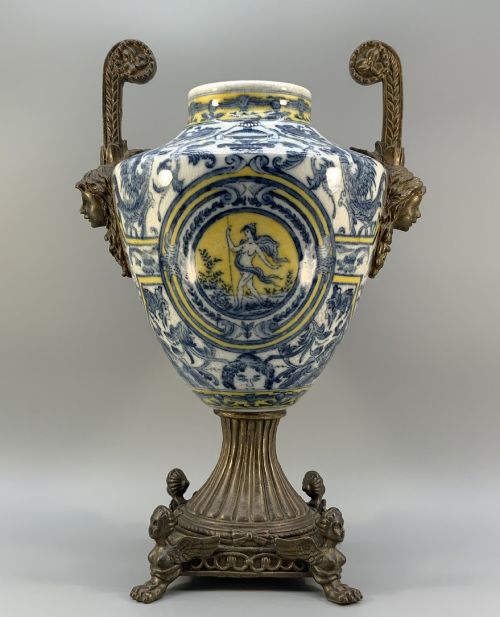
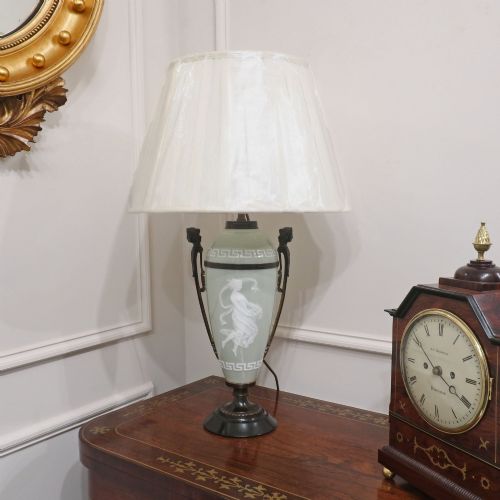
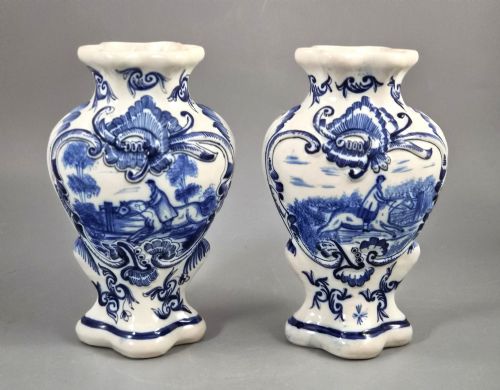
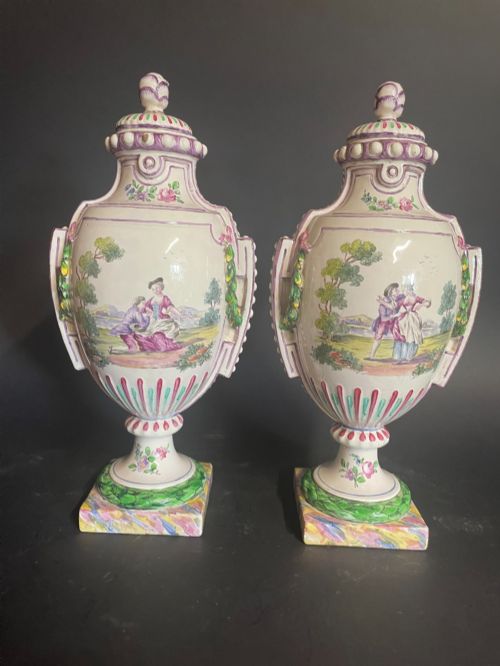
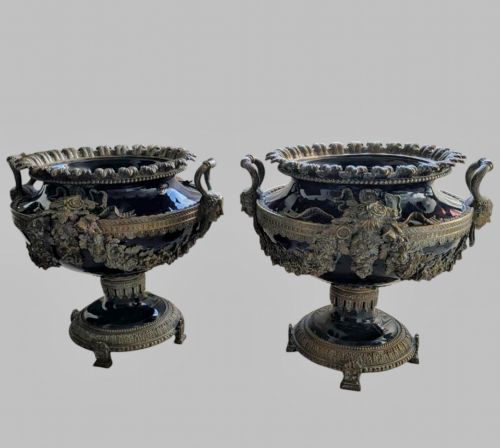
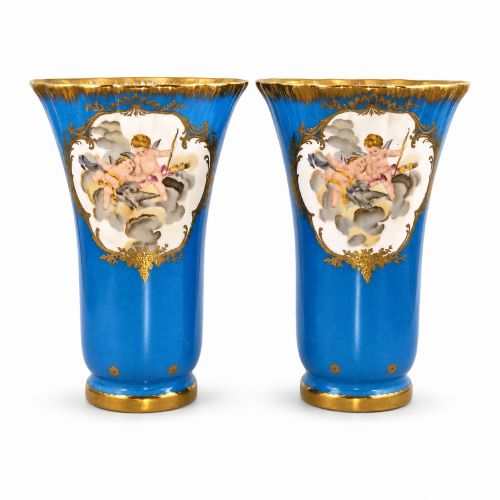
When a buyer looks for french ceramic decorative urns, they encounter vessels designed for display rather than utility, often appearing in pairs across periods from the eighteenth century to the art deco era. These objects take the form of lidded vases, garnitures, and jardinieres originating from Parisian workshops and regional centres.
The nineteenth-century examples dominate the selection, heavily influenced by neoclassical, rococo revival, and Sevres tastes. Porcelain and faience form the core of these items, frequently paired with metal mounts.
Makers and regional potteries from Desvres, Limoges, and Paris produced these pieces to emulate royal factories, supplying decorative accents for mantelpieces and side tables.
Materials and Technique
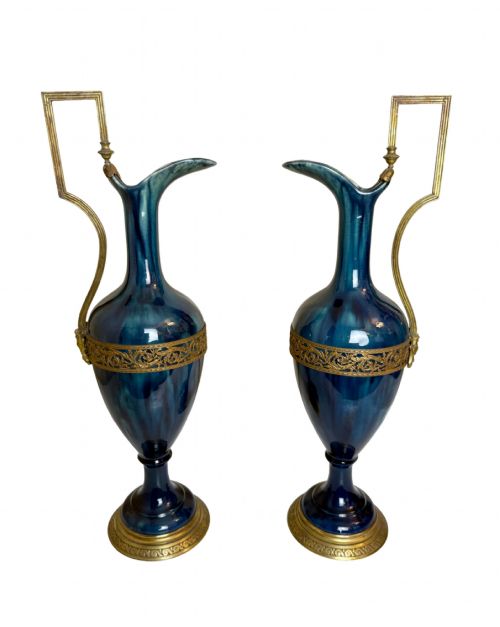
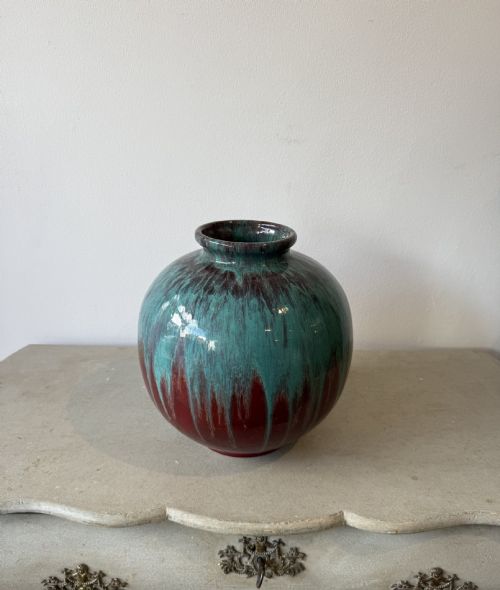
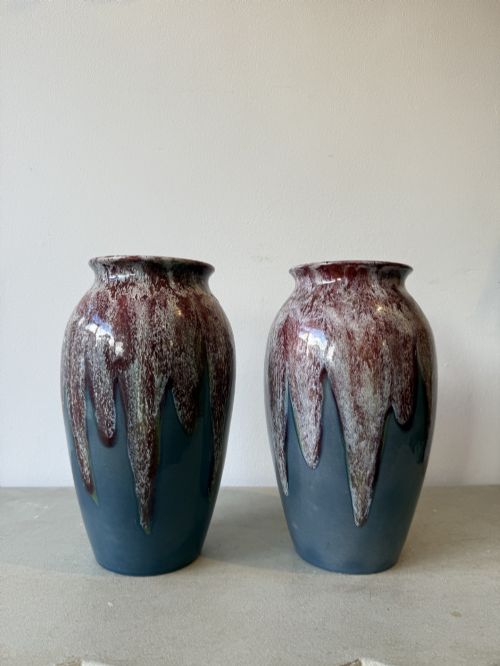
Potters shaped these vessels from porcelain, faience, earthenware, and terracotta, applying glazes in blue celeste, green, and white. Hand-painted details and enamel work often cover the ceramic bodies.
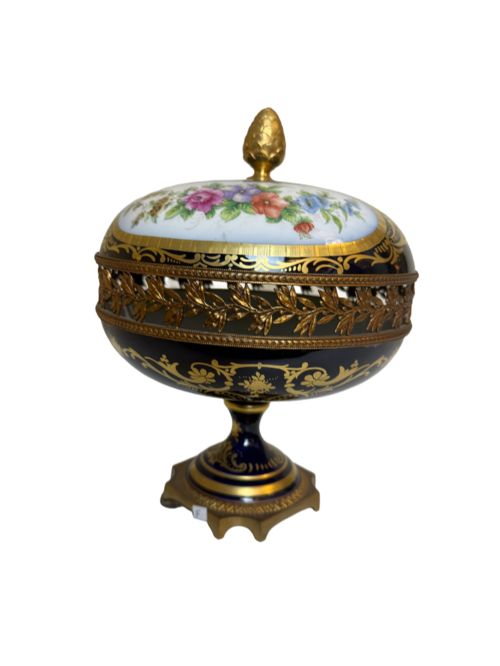
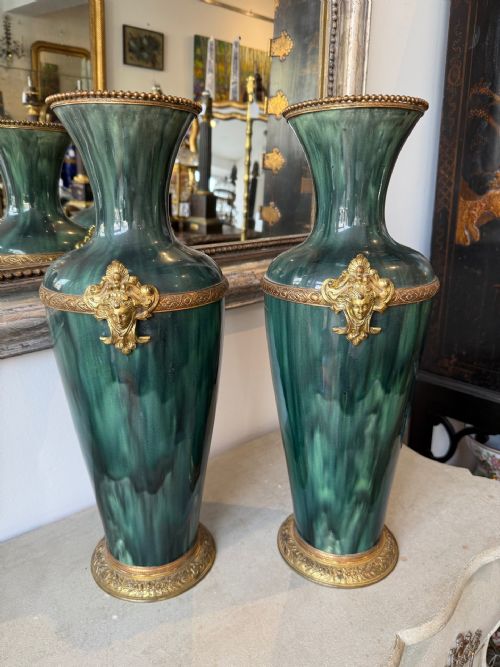
Metalworkers added gilt bronze and ormolu mounts, casting handles, rims, and bases to frame the porcelain. These mounts required precise fitting to complement the curves of the ceramic urns.
Some nineteenth-century potters constructed vessels sturdy enough to double as side table supports.
Standards of Execution
The distinction between tiers rests upon the precision of the hand-painted decoration and the weight of the bronze mounts. Finer examples display meticulous brushwork and balanced colour palettes without muddy application.
The integration between the ceramic body and its ormolu or gilt bronze fittings determines the overall resolution of the piece. Superior items show tight joins and cast metalwork with crisp definition rather than loose assembly.
Fourmaintraux-Courquin at Desvres·Jules Vieillard·Robert T Lallement·Samson Paris·Vion et Baury
The French Ceramic Decorative Urns Glossary
- Faience
- Tin-glazed earthenware produced across French regional potteries. This ceramic body provides an opaque white surface suitable for painted decoration.
- Ormolu
- Gilded bronze used for decorative mounts and fittings. Artisans cast and gold-plate this metal to embellish porcelain vessels.
- Garniture
- A set of matched ornamental vases or urns designed to sit together on a mantelpiece. These groupings typically comprise three or five pieces.
- Bleu Celeste
- A bright turquoise blue glaze colour associated with Sevres porcelain. This hue appears frequently on nineteenth-century decorative urns.
- Pate Sur Pate
- A ceramic decoration technique involving layers of liquid clay applied in relief. This process creates a cameo-like design against a coloured ground.
French Ceramic Decorative Urns: Frequently Asked Questions
How were french ceramic decorative urns used?
These vessels served purely decorative functions in period interiors, placed on mantelpieces, consoles, and tables as centrepieces. They were designed to catch the eye rather than hold flowers or liquids.
Many functioned as lidded urns or potpourri containers, releasing scents through pierced covers while contributing to the symmetrical arrangement of nineteenth-century rooms.
How do you style french ceramic decorative urns?
Placing a pair of urns symmetrically on a sideboard or mantelpiece reflects their original nineteenth-century display context. Their colourful glazes and gilt bronze mounts work well against neutral walls.
They function best as standalone focal points, requiring no additional objects around them to command attention in a modern or traditional interior.
What is Sevres style on these urns?
The term denotes pieces created in the aesthetic tradition of the royal Sevres factory, featuring rich blue glazes, hand-painted pastoral scenes, and elaborate gilt bronze mounts. These designs emulate eighteenth-century French royal commissions.
Most examples bearing this description date from the nineteenth century when private Parisian studios revived these classical motifs on porcelain bodies.
How do I identify faience urns?
Faience differs from porcelain through its opaque tin-glaze applied over an earthenware body. The resulting surface absorbs paint differently, yielding softer edges in the floral or pictorial decoration.
These pieces often originate from regional centres such as Desvres and carry painted signatures or marks beneath the glaze on the base.