


French Cast Iron Planter
These French cast iron planters bring classical weight and enduring presence to terrace and garden, offering a substantial home for seasonal planting.
French Cast Iron Planter
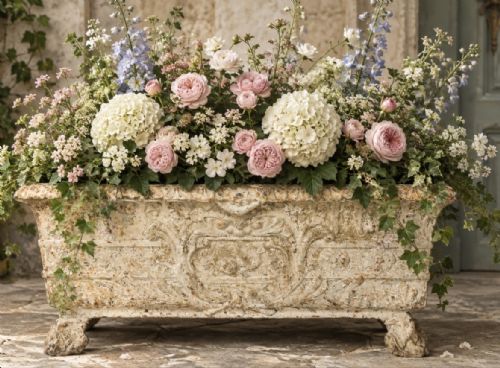
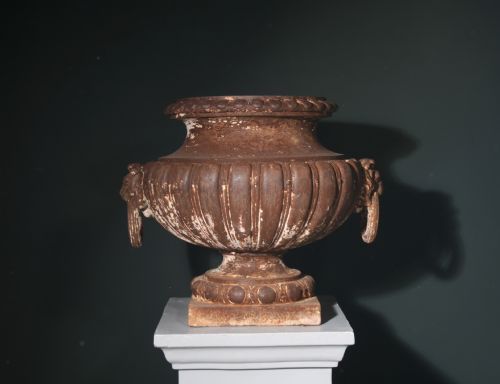
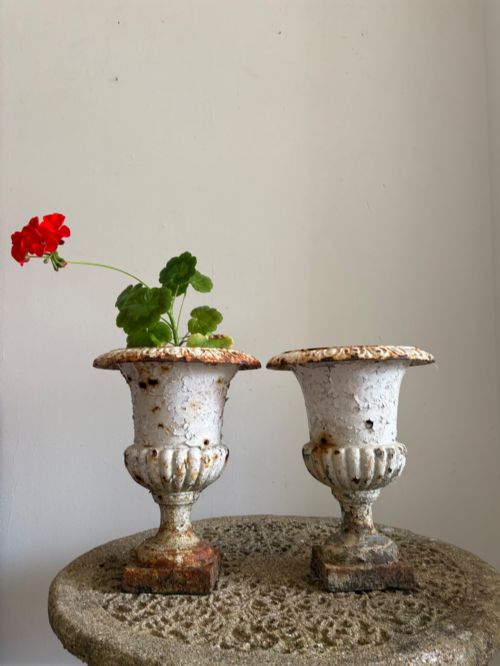
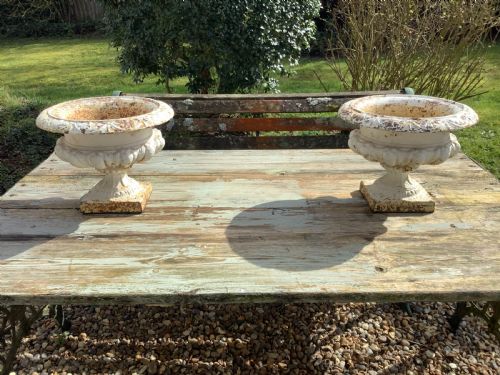
A french cast iron planter takes many forms across the inventory, appearing most frequently as classical garden urns, table urns, and heavy garden planters designed for exterior placement.
Examples span the nineteenth century and the early twentieth century, showing influences from French Chateau, Neoclassical, and Classical Revival styles.
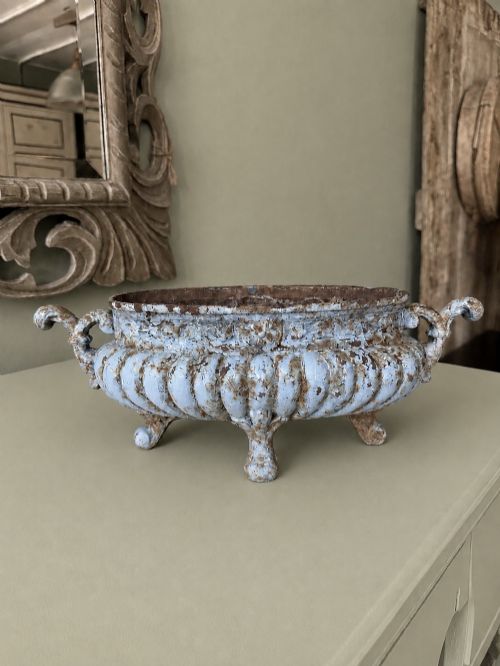
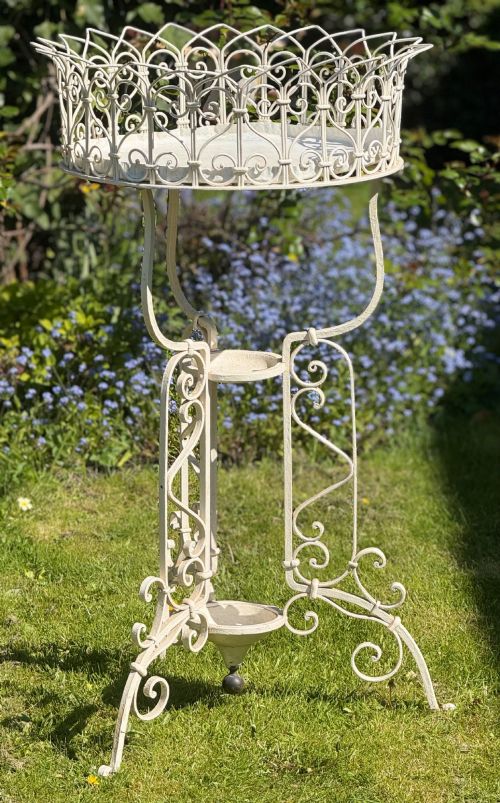
The selection ranges from small nineteenth century jardinieres and windowsill boxes to large garden planters and heavy mortars once used in chateau kitchens.
Assessing the grade of pieces
Quality rests in the crispness of the casting detail, where gadrooned edges and neoclassical motifs remain sharp rather than softened by worn moulds.
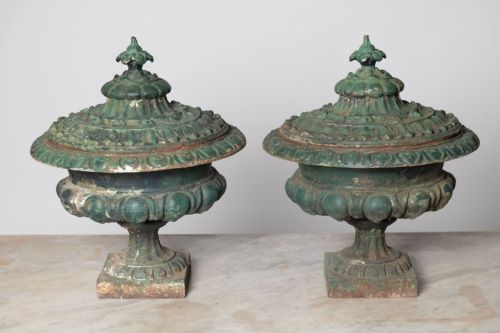
The presence of matching pairs and original lids elevates a piece above single items found without corresponding elements.
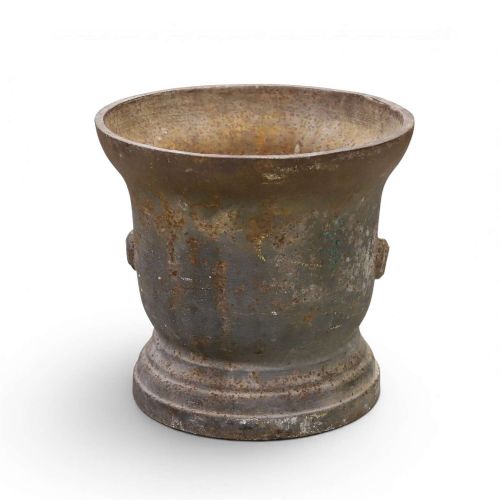
One heavy kitchen mortar from a chateau found a second life holding geraniums instead of apothecary herbs.
Val D Osne Foundry
The French Cast Iron Planter Glossary
- Jardiniere
- An ornamental pot or stand for holding plants or flowers. These items often appear in cast iron for both interior and garden use.
- Gadrooned
- Decorated with a carved or cast series of convex curves. This decorative moulding often circles the rim or body of an urn.
- Neoclassical
- A style reviving classical Roman and Greek forms. It appears frequently in the restrained proportions and architectural lines of these garden vessels.
- Mortar
- A heavy bowl used with a pestle for grinding materials. Large examples in cast iron serve effectively as sturdy garden planters.
French Cast Iron Planter: Frequently Asked Questions
Where should I place a french cast iron planter?
These heavy iron vessels suit garden terraces, patios, and formal lawns where their substantial weight anchors them securely against the weather.
They also sit effectively on stone plinths or steps to frame doorways and pathways with classical proportion.
How do I care for cast iron outdoors?
Cast iron withstands outdoor conditions well, though monitoring surface paint and protective layers prevents excessive corrosion over time.
Ensuring proper drainage inside the vessel stops trapped water from expanding during freezing winter months.
Are these planters heavy to move?
Cast iron possesses considerable natural weight, making larger urns and garden planters permanent fixtures once positioned.
Enlisting assistance or using appropriate lifting equipment is necessary when rearranging larger examples in the garden.
How can I tell the period of an urn?
Nineteenth-century pieces often display sharper neoclassical casting details and heavier patination from decades of exposure.
Early twentieth-century versions may show slight variations in proportion and foundry marks typical of later production.