

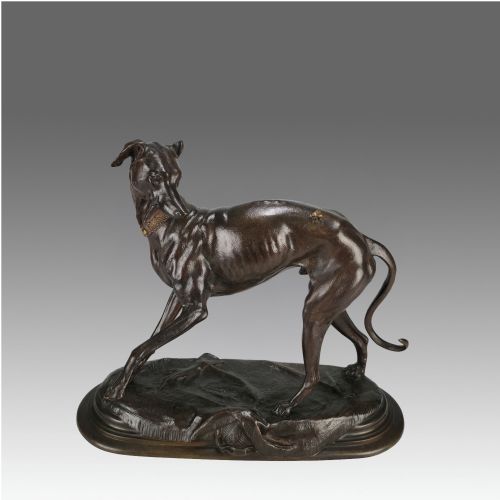
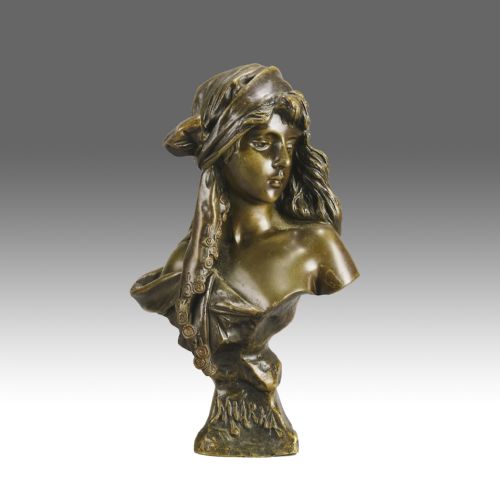
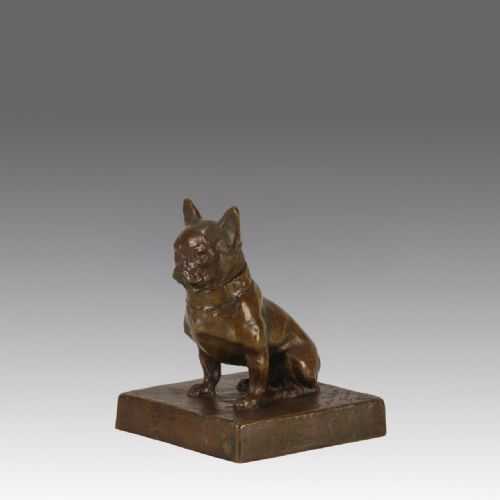
French Cast Bronze Sculpture
French cast bronze sculpture brings nineteenth-century animalier subjects, expressive human figures and decorative art into the home through enduring metal casting.
French Cast Bronze Sculpture
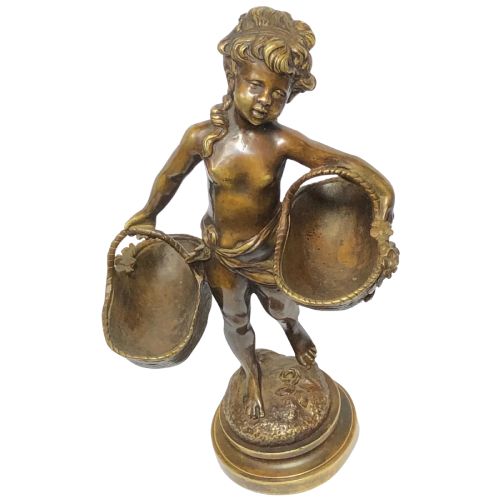
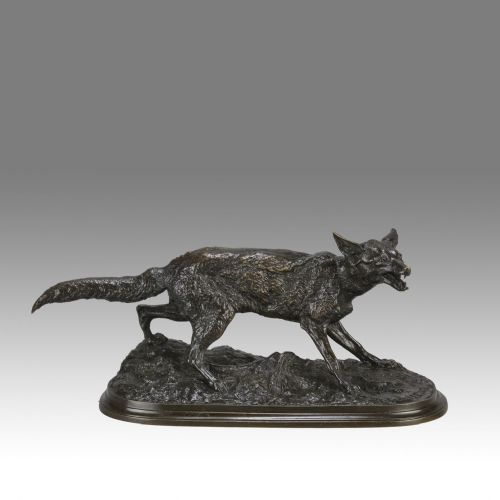
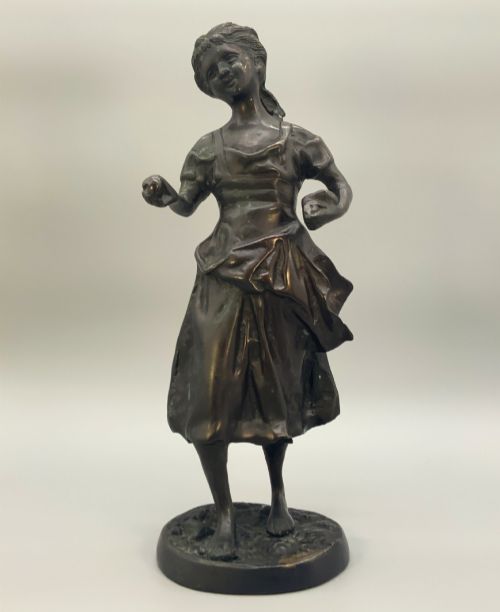
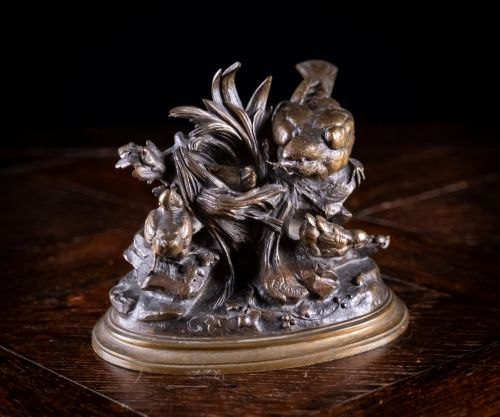
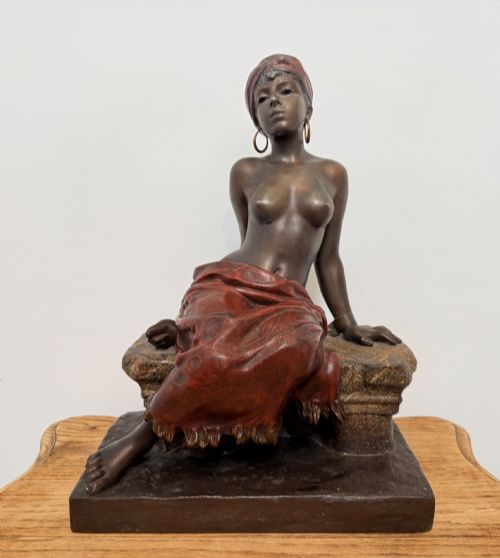
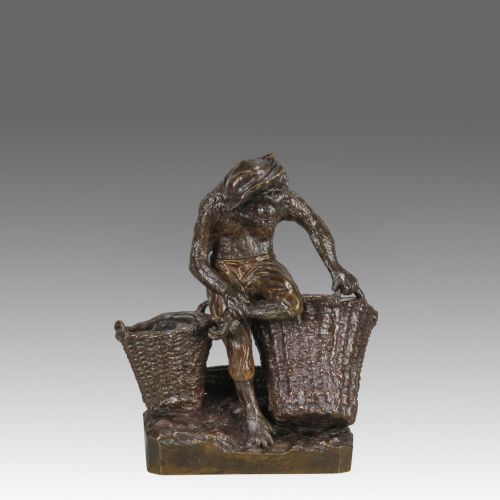
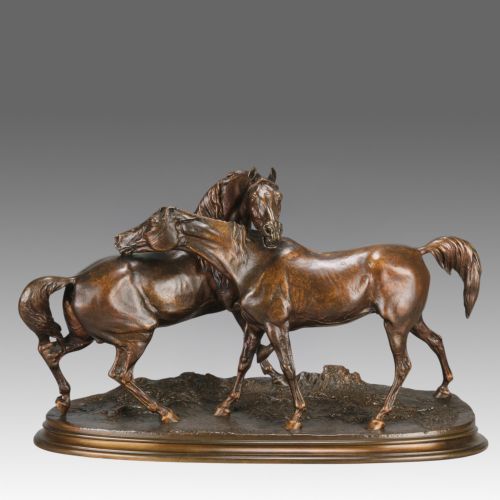
A search for french cast bronze sculpture presents figurative and animalier subjects produced primarily across the nineteenth and early twentieth centuries. These works range from small domestic ornaments and furniture mounts to substantial standing figures and busts.
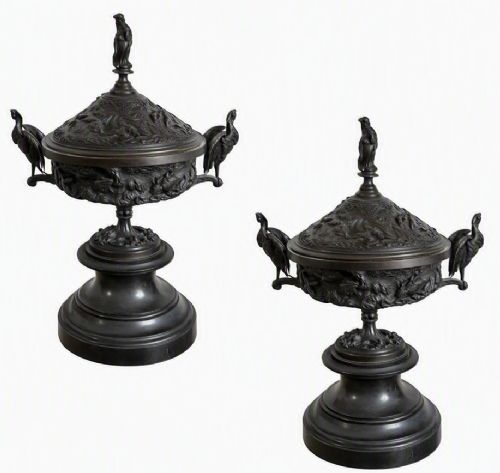
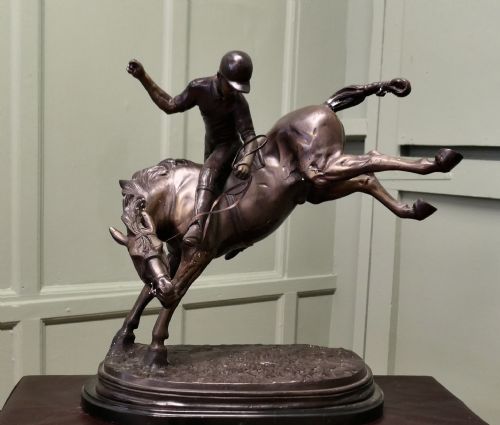
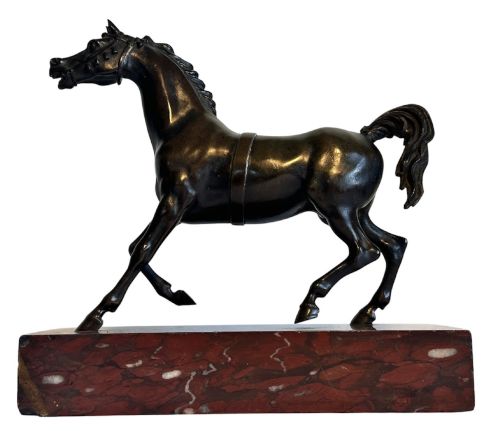
The material record encompasses patinated bronze, gilt bronze, and parcel-gilt bronze, frequently mounted upon marble bases or timber supports. Animals, mythological figures, and literary characters dominate the subjects encountered in these pieces.
Makers and foundries active in France during this period utilised traditional casting methods to capture intricate detail in both secular and decorative pieces. Buyers meet numerous examples associated with the animalier school alongside Art Nouveau and Orientalist designs.
Materials and Technique
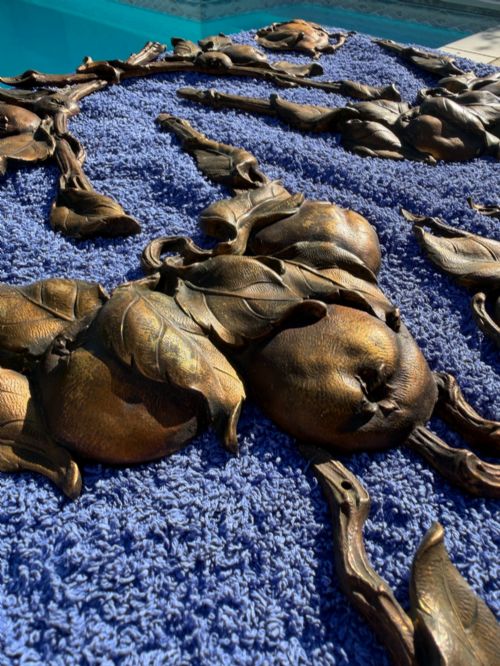
Foundries employed the lost-wax casting method or sand casting to achieve precise articulation in molten metal. Artisans then applied chemical patination, gilding, or parcel-gilding to the bronze surface to enhance texture and tonal depth.
Many sculptures incorporate secondary materials such as marble bases, timber mounts, or cast iron elements to provide stability and visual contrast. These combined components reflect standard nineteenth-century French workshop practices.
A surprising number of nineteenth-century French sculptors dedicated entire careers to capturing dogs mid-stride or caught in mischief.
Craftsmanship and Execution
The quality of the patina and the integration of the bronze with its marble or timber base indicate the care taken during production. Renowned foundries and established sculptors achieved a greater balance of weight, proportion, and surface nuance.
Poix Blin·P J Mene·Emmanuel Villanis·Antoine L Barye·Alfred Dubucand·Christophe Fratin·Dora Heber·Georges Van Der Straeten·Isidore Jules Bonheur·Georges Charles Coudray·Jules Moigniez·Emile Louis Picault·Victor Peter·Barbedienne·Anders Zorn·Hebrard
The French Cast Bronze Sculpture Glossary
- Animalier
- A nineteenth-century artistic movement focusing on the realistic depiction of animals, particularly horses, dogs, and wild beasts. Practitioners captured creatures in motion or repose with anatomical accuracy.
- Patina
- The surface coloration and texture developed naturally over time or applied chemically by the foundry. This finish protects the metal and defines sculptural details.
- Chasing
- The manual process of refining a bronze casting using hammers and punches after it leaves the mould. Artisans cleared away surface imperfections and sharpened lines during this stage.
- Lost-wax casting
- A technique where a wax model is encased in mould material, melted out, and replaced with molten bronze. This method allows for complex undercuts and fine surface textures.
- Gilt bronze
- Bronze that has been coated with a layer of gold leaf or mercury gilding to produce a rich golden finish. It appears frequently on decorative mounts and ornamental pieces.
French Cast Bronze Sculpture: Frequently Asked Questions
What is an animalier bronze?
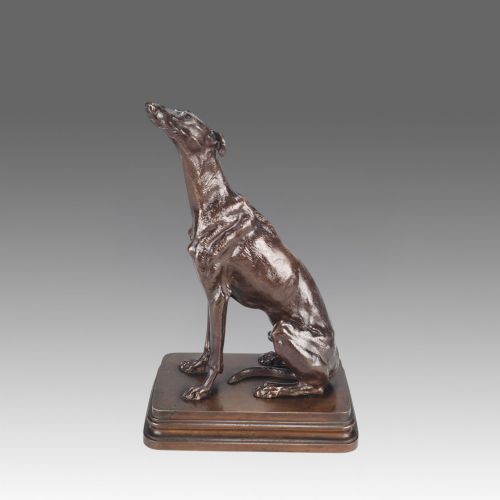
Animalier bronzes are nineteenth-century sculptures dedicated to realistic representations of animals in natural settings or action. These pieces focus heavily on accurate anatomy and expressive behaviour.
French sculptors popularised this genre, depicting subjects ranging from domestic greyhounds and hunting dogs to charging bulls and exotic wildlife.
How do I identify a foundry mark?
Foundry marks and signatures typically appear cast directly into the bronze base or stamped near the lower edge of the sculpture. These stamps indicate the workshop responsible for pouring the metal and finishing the piece.
Recognising these signatures helps connect individual bronze sculptures to major nineteenth-century French casting houses like Barbedienne or Susse Frères.
Where should I place a bronze sculpture?
Bronze sculptures suit prominent display surfaces such as mantelpieces, desks, sturdy sideboards, or dedicated pedestals. Their weight and durable metal construction allow them to anchor a room's decorative layout.
Keeping pieces away from direct heat sources and excessive moisture preserves the chemical patina and any accompanying marble or timber bases.
Are marble bases original to the pieces?
Many nineteenth-century French bronzes were cast with integral marble or timber bases designed to support the weight of the metal and enhance its display. The fit between the bronze feet and the stone indicates whether the components originated together.
Original bases show consistent wear matching the age of the sculpture above them.