




French Bronze Wildlife Statue
A french bronze wildlife statue captures the dynamic tension of nature through the skilled hands of nineteenth and early twentieth century sculptors.
French Bronze Wildlife Statue
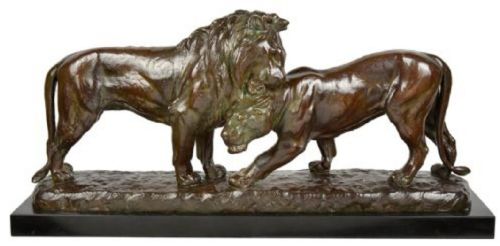
A french bronze wildlife statue represents the nineteenth-century Animalier movement, focusing on realistic depictions of animals in natural poses or fierce combat. These sculptures range from small studies of hares and pheasants to dramatic groupings of big cats and prey.
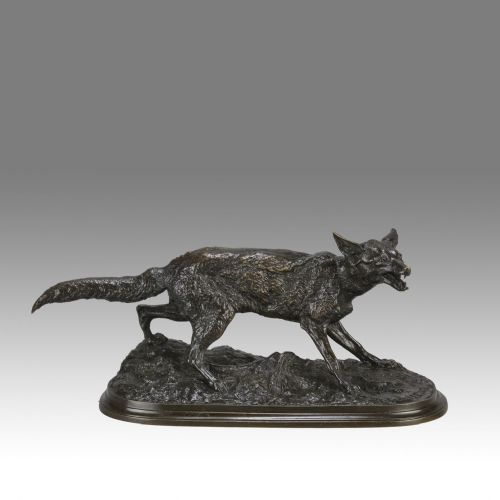
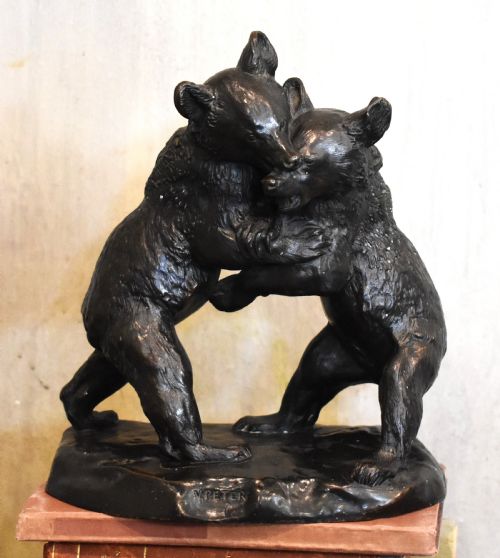
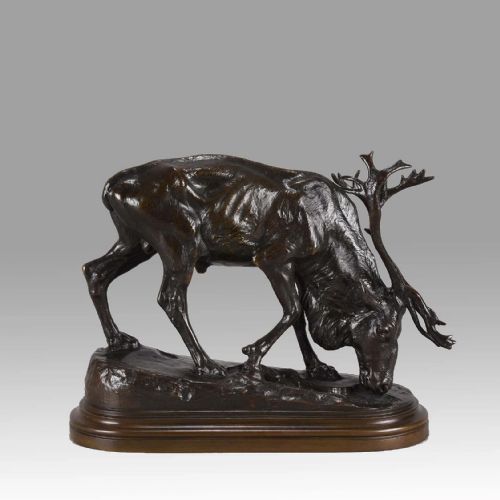
The pieces on this page span the nineteenth century into the early twentieth century, including Art Deco interpretations. Collectors encounter works depicting bears, foxes, eagles, stags, and panthers.
Originating predominantly from French workshops and foundries, these sculptures utilise lost-wax or sand casting methods. They function as striking mantel or tabletop ornaments.
Materials and casting methods
The primary material is cast bronze, frequently enhanced with dark patination or rich patinated finishes to highlight muscular detail and fur texture. Many works are mounted directly onto bases of green marble or standard marble.
Foundries such as Barbedienne and the Siot foundry executed the casts from artist models, employing specialised chasing and patination techniques after removal from the mould.
Victorian sculptors frequently visited Paris menageries with sketchbooks to capture the exact slouch of a bored panther.
Quality factors in Animalier bronzes
Foundry marks and signature placement indicate the standard of production. The integration between the bronze subject and its marble base also dictates the overall finish of the piece.
P J Mêne·Victor Peter·Paul Édouard Delabrièrre·Clovis Masson·Antoine Louis Barye·G Gardet·Alfred Dubucand·Georges Gardet·Louis Riche·Isidore Bonheur·Christophe Fratin·I Rochard·E Drouot·Jules Moigniez
The French Bronze Wildlife Statue Glossary
- Animalier
- A nineteenth-century artistic movement devoted to the realistic portrayal of animals, particularly wild beasts in motion or repose. Practitioners of this style studied subjects closely at menageries.
- Patina
- The surface coloration applied to bronze through chemical means or heat, ranging from deep black to warm brown. This layer protects the metal and accentuates sculptural detail.
- Lost-wax casting
- A traditional metal-casting method where a wax model is melted out and replaced with molten bronze. This technique allows for intricate undercuts and fine surface textures.
- Foundry mark
- An official stamp or signature cast into the bronze by the workshop responsible for the pour. These marks identify the commercial enterprise that translated the artist model into metal.
- Chasing
- The manual finishing process where artisans refine the raw bronze casting using chisels and hammers. This step restores lost detail and removes casting seams.
French Bronze Wildlife Statue: Frequently Asked Questions
What is an Animalier bronze sculpture?
An Animalier bronze sculpture is a nineteenth-century artwork depicting animals in realistic, anatomical detail. These pieces focus on wildlife behaviour, from peaceful grazing to aggressive predation.
Artists of this genre observed live specimens in menageries to capture authentic postures and musculature. The resulting works became popular decorative objects for nineteenth-century interiors.
How do I display these heavy bronzes?
These sculptures require sturdy furniture capable of supporting the combined weight of the metal figure and its marble base. Placing them away from direct heat sources protects the patinated finish.
Ensure the display surface is level to prevent any strain on the mountings. Adequate lighting helps reveal the subtle variations in the dark patina and surface texture.
How are different periods identified?
Periods are distinguished by stylistic shifts, sculptural signatures, and foundry stamps. Nineteenth-century pieces typically exhibit detailed naturalism, while early twentieth-century examples occasionally adopt Art Deco streamlining.
Examining the casting technique and the type of marble base provides further chronological context. Signatures inscribed directly into the bronze model offer definitive attribution to specific sculptors.
What subjects are most common?
Predatory cats, stags, birds of prey, and domestic wildlife dominate this category. Lions, tigers, eagles, hares, and foxes appear frequently across various foundry editions.
Subjects often depict narrative moments, such as eagles devouring prey or hounds tracking game. These dynamic scenes reflect the Victorian fascination with natural history.
How should I clean a bronze statue?
Dust the sculpture regularly with a soft, dry cloth to prevent particulate accumulation. Avoid using chemical polishes, water, or abrasive cleaners, as these can strip away the original patina.
If necessary, consult a professional conservator for specialised maintenance. Preserving the surface finish is vital for maintaining the integrity of the piece.