


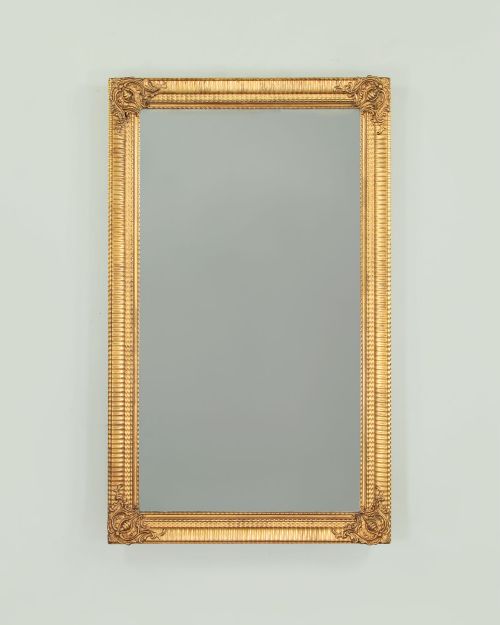
French Carved Mirror
A french carved mirror brings depth and historic elegance to an interior, reflecting light through ornate frames shaped by centuries of European design.
French Carved Mirror
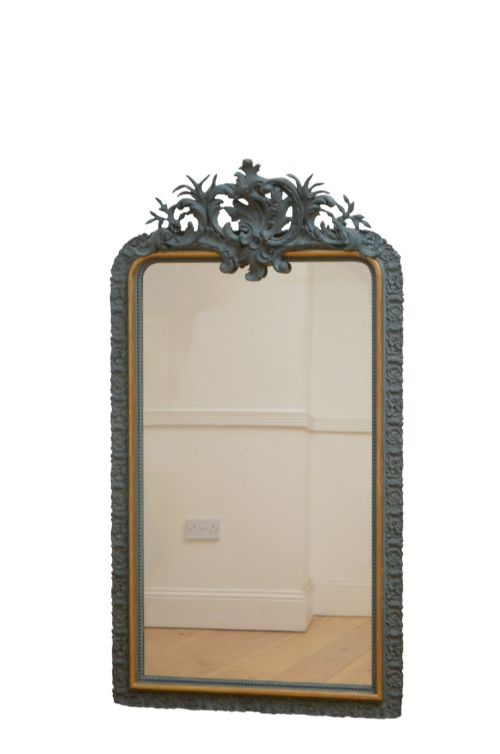
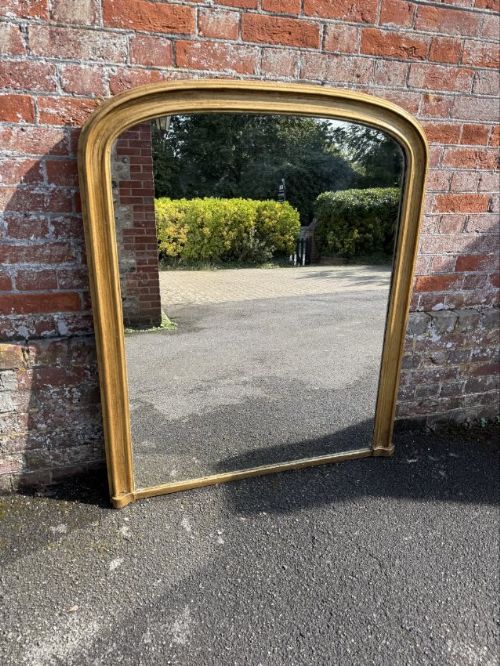
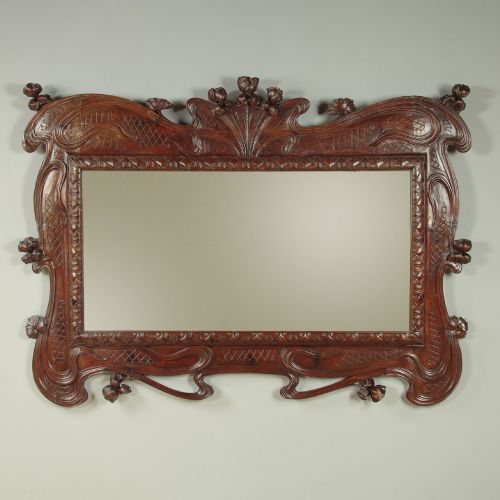
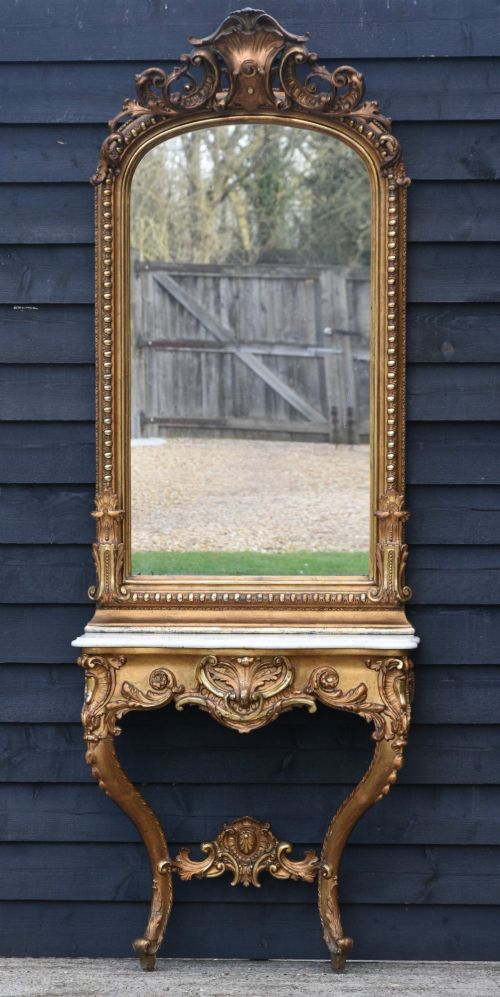
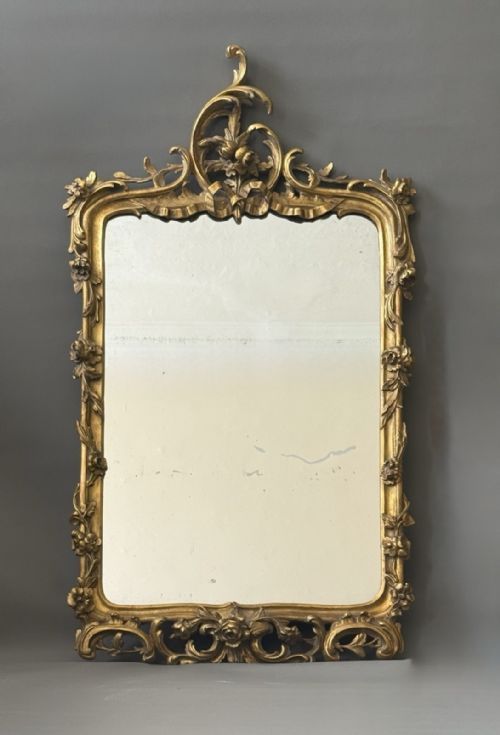
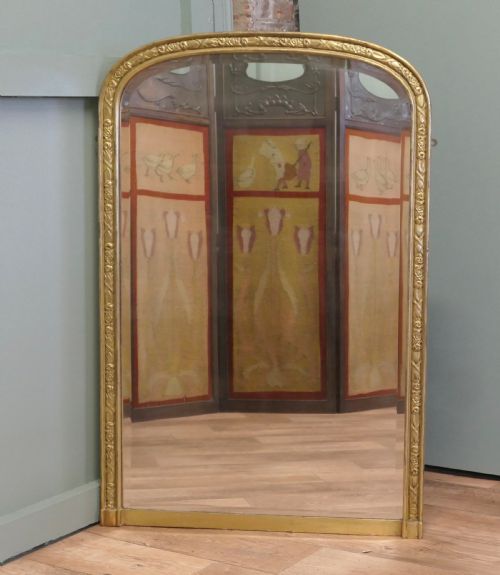
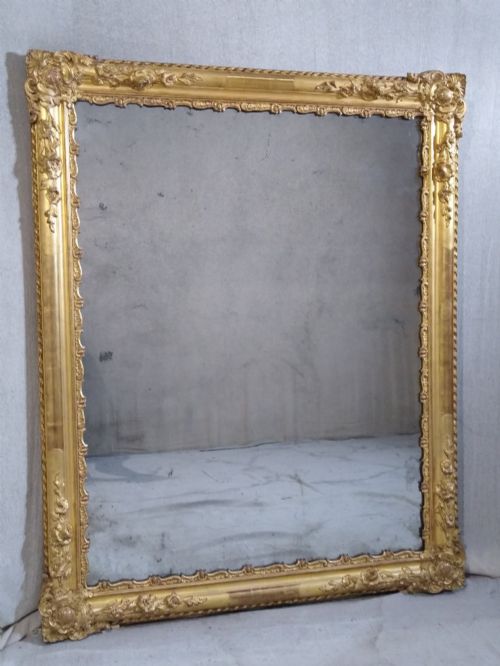
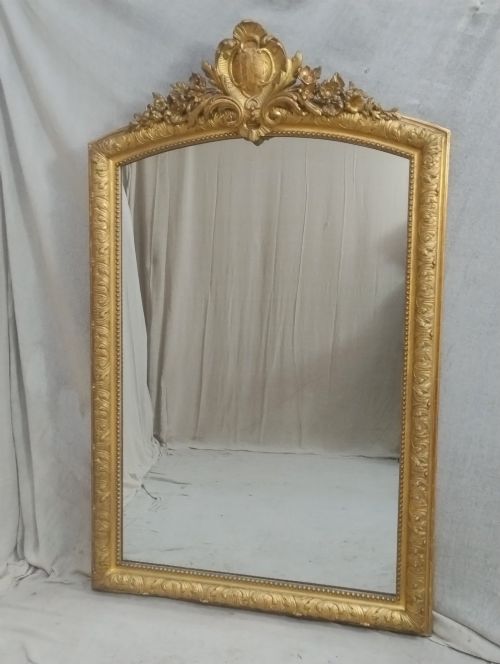
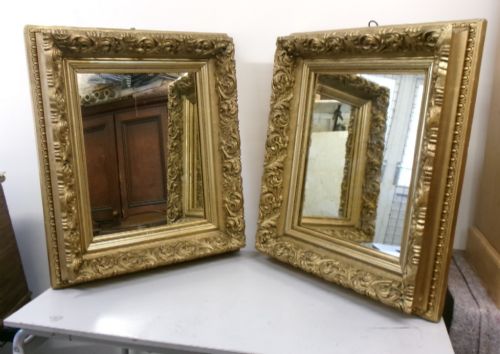
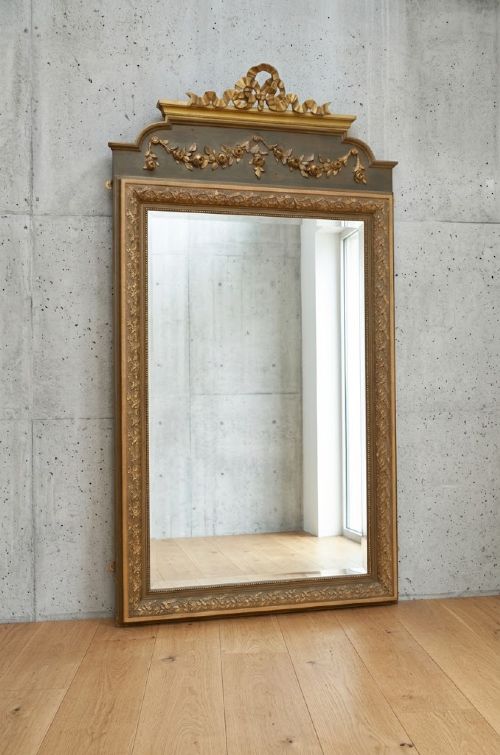
A french carved mirror encompasses a variety of antique forms designed to hang upon walls or rest above mantelpieces, serving both decorative and functional purposes in historic rooms. The selection includes grand architectural overmantels, tall pier glasses, and smaller domestic wall mirrors spanning several distinct eras.
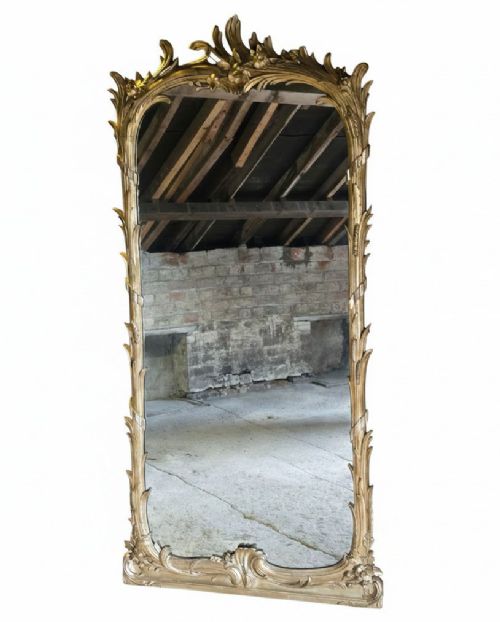
The pieces appearing most frequently originate from the nineteenth century, with strong representation from the Louis Philippe and Rococo Revival styles. Makers of these periods favoured grand proportions, often incorporating arched tops, ribbon crests, and floral motifs into timber frames.
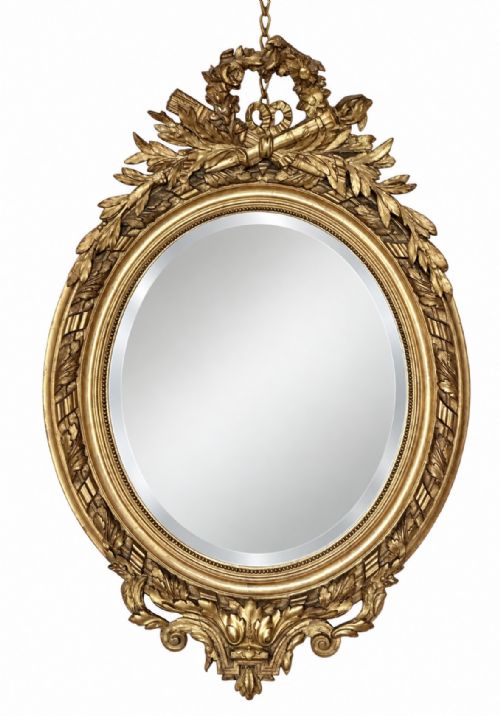
Beyond standard wall placements, examples range from large leaner mirrors designed for full-length reflection down to intimate oval and cushion frames. Oak, walnut, and painted woods appear alongside heavily gilt finishes, offering diverse visual weights for different architectural settings.
Assessing Quality
Quality rests heavily on the depth and crispness of the hand-carved detail within the wooden elements and gesso moulding. Superior examples display sharp relief work in botanical or mythological motifs rather than soft, mass-produced uniformity.
The preservation of the original glass plate and the integrity of the original gilding or painted surface contribute significantly to a piece's standing. Finer items retain their original mercury glass plates and uncompromised structural joinery within the heavy timber frames.
French Carved Mirror Retail Price Guide 2026
Typical asking prices for french carved mirror among the pieces listed under this phrase on Sellingantiques today, from the lower quarter to the upper quarter. They describe what is for sale here now, not the wider market.
Materials recorded on this page include giltwood, gesso, mercury glass, oak, walnut, and birdseye maple.
The French Carved Mirror Glossary
- Giltwood
- Wood that has been covered with a thin layer of gold leaf. This finish creates a luminous metallic sheen that reflects interior candlelight and natural daylight.
- Gesso
- A plaster-like mixture applied to wood frames and carved into intricate decorative reliefs. It provides a smooth base for subsequent gilding or painting.
- Overmantel Mirror
- A large mirror specifically proportioned to hang above a fireplace mantel. These pieces frequently feature horizontal or arched formats designed to anchor a principal room.
- Pier Glass
- A tall mirror traditionally hung on the narrow pier of wall space between two windows. They often coordinate directly with console tables placed below them.
- Mercury Glass
- An early type of mirror glass backed with a silver and mercury amalgam. It produces a characteristic mottled reflection and distinctive dark spots known as foxing.
French Carved Mirror: Frequently Asked Questions
What is an overmantel mirror?
An overmantel mirror is a large format glass designed specifically to sit directly above a fireplace mantelpiece. These pieces often feature architectural shapes and wide proportions to balance the hearth below.
Historically, they served to bounce firelight around dark rooms and visually expand the domestic interior. Today, they remain popular for anchoring principal living spaces and dining rooms.
How do I identify a Louis Philippe mirror?
Louis Philippe mirrors typically feature understated elegance with gently rounded upper corners and simple moulding. They date from the mid-nineteenth century and eschew the extreme exuberance of earlier Rococo designs.
Common markers include subtle beaded inner borders and restrained foliate crests at the top centre. This style adapts easily to both traditional and contemporary interior schemes.
What causes foxing on antique mirrors?
Foxing refers to the small dark spots and mottled patches that develop on antique mirror glass over many decades. It occurs when atmospheric moisture degrades the backing amalgam behind the glass plate.
Rather than a defect, many collectors value foxing as proof of age and authenticity. It creates a soft, hazy reflection unique to historic glass.
Where should I hang a heavy giltwood mirror?
Heavy giltwood mirrors require secure installation directly into masonry or substantial wall studs using appropriate hardware. Because these frames incorporate dense timber and gesso, their weight demands professional wall anchoring.
They function best on principle walls where natural light can strike the gilded surface and illuminate the room. Common placements include above mantelpieces, console tables, or along main hallway walls.