


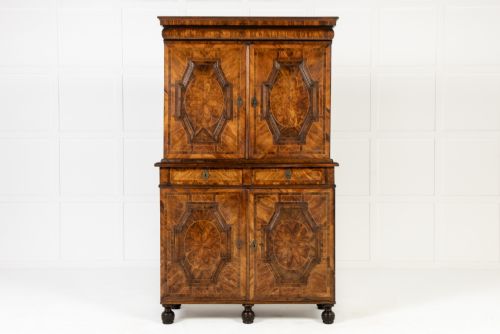


French Carved Armoire
When you select a french carved armoire, you invite monumental timber storage into a room with undeniable presence.
French Carved Armoire
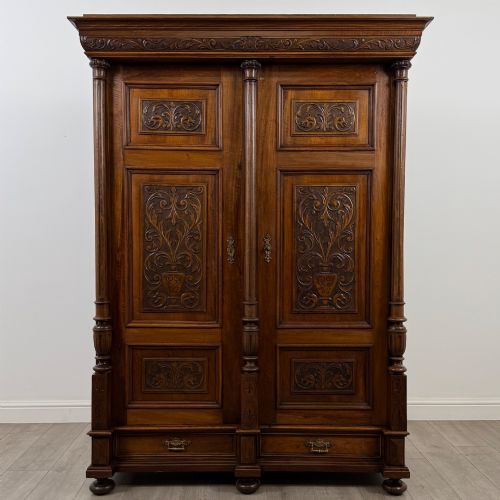
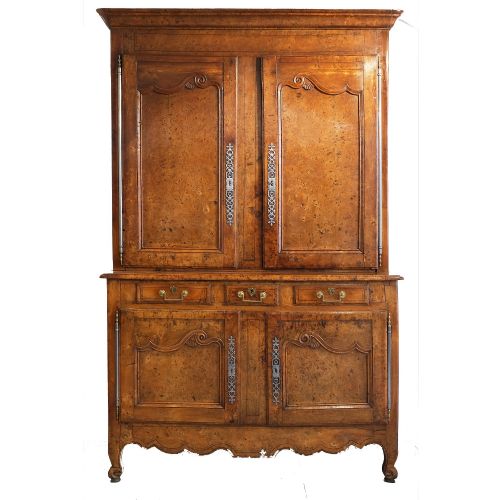
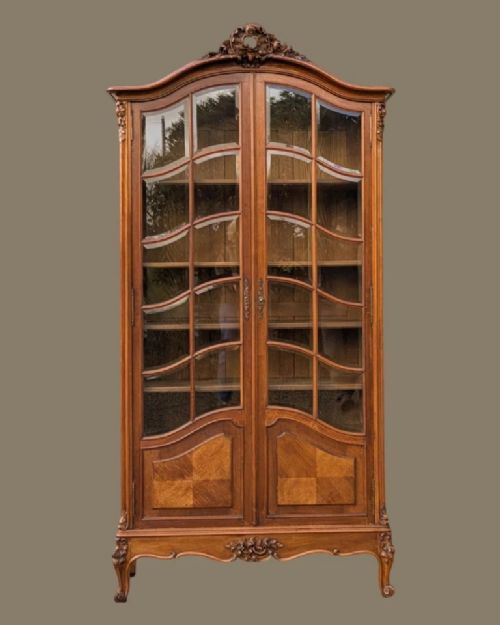
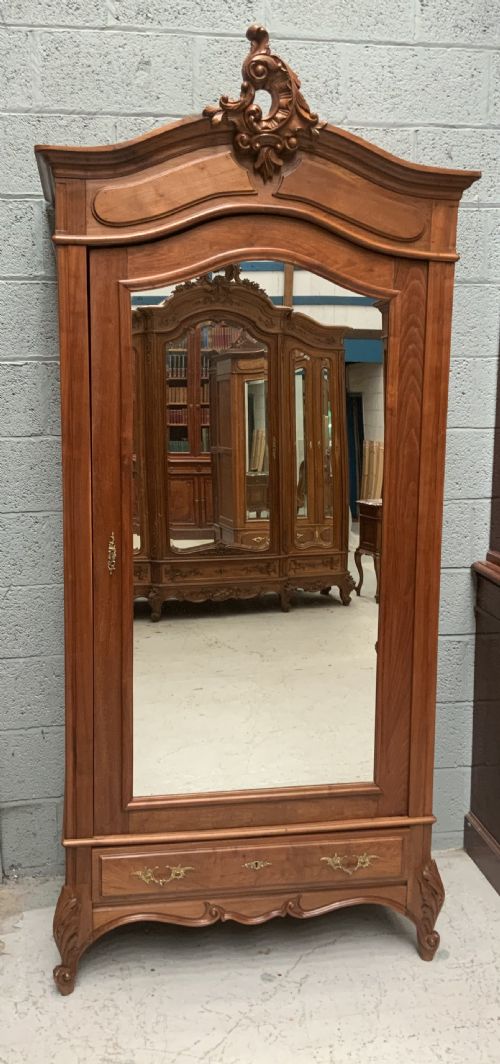
A french carved armoire represents large-scale wooden storage designed for domestic interiors across multiple centuries. Buyers examine pieces originating from the seventeenth century onward, spanning provincial workshops and metropolitan cabinet makers alike.
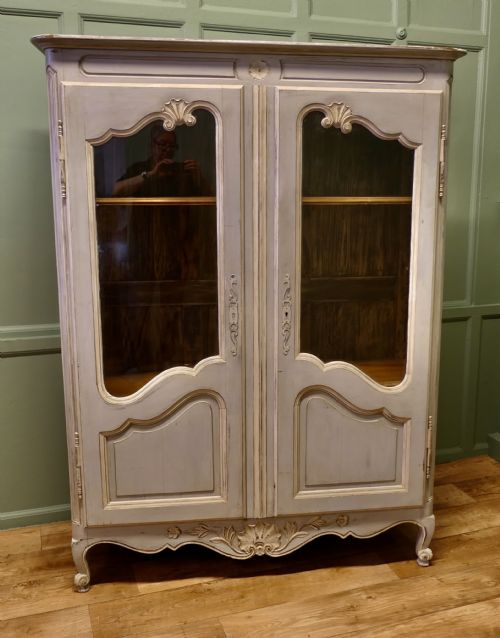
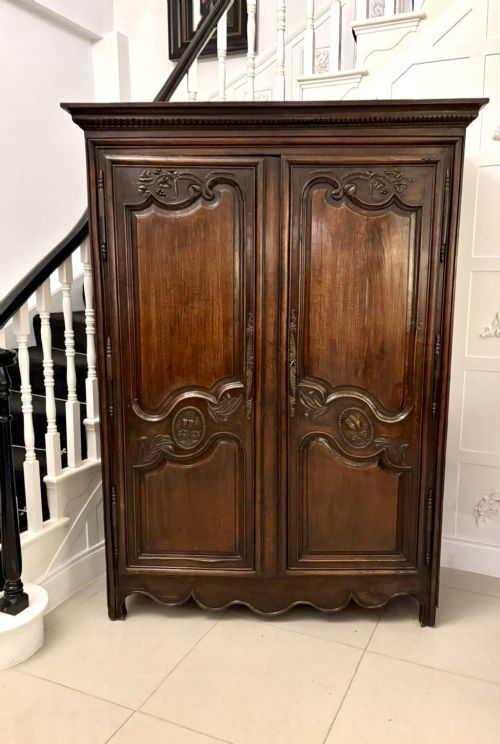
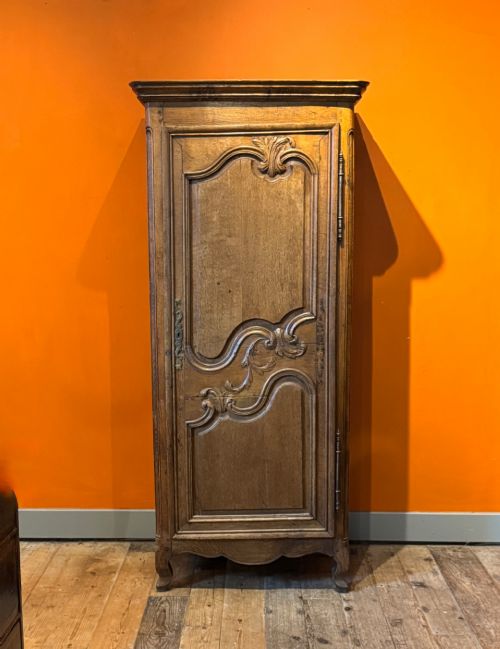
The selections on this page demonstrate considerable variety in form and regional origin. Examples range from single door bonnetieres to grand triple door cabinets and two piece buffet deux corps.
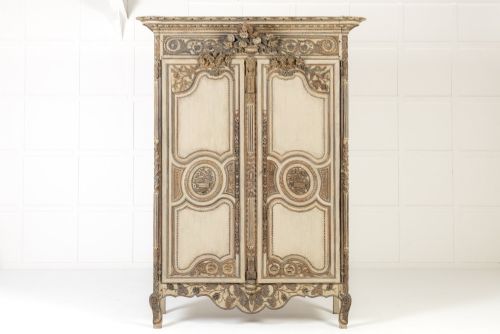
Stylistic influences vary widely across the inventory. Pieces reflect French Provincial, French Rococo, Louis XV, Louis XVI, and Empire Revival tastes.
What Varies in Quality
The depth and crispness of the hand carving distinguish superior examples from simpler provincial work. Crisp relief work on panels and cornices requires exceptional skill from the original artisan.
Timber selection and grain matching determine visual hierarchy. Dense burr walnut, finely figured mahogany, and well-selected quarter-sawn oak elevate the stature of an individual cabinet.
The inventory includes single, double, and triple door formats alongside specialised marriage cabinets and lit-clos bed conversions.
The French Carved Armoire Glossary
- Armoire
- A large wardrobe or cupboard used primarily for hanging clothes or storing household linens. These towering pieces dominate bedroom and hallway spaces.
- Bonnetiere
- A tall, narrow single door cupboard originally designed for storing headwear. They offer vertical storage with a smaller footprint than double door wardrobes.
- Buffet deux corps
- A substantial two-tier cupboard featuring an upper cabinet resting upon a lower base. This regional form provides immense display and storage capacity.
- Ormolu
- Gilt bronze mounts applied to furniture for decorative enrichment. These metallic highlights accent fine walnut and mahogany carcasses.
- Cartouche
- An ornamental tablet or panel frame, often resembling a rolled-up scroll or shield. Carvers utilise this motif as a central focal point on upper crowns.
French Carved Armoire: Frequently Asked Questions
How were armoires used originally?
These large wardrobes served as primary storage for garments, folded linens, and household valuables before built-in closets became standard in homes.
Families utilised the spacious internal depths to protect textiles from dust and pests in grand chateaus and provincial farmhouses alike.
Can these wardrobes be dismantled?
Many traditional examples feature knockdown construction with pegged joints designed to allow disassembly for transport between rooms.
Buyers should verify the specific construction method, as older massive timber cabinets may require specialist installation.
How do I distinguish regional styles?
Provincial pieces often display robust oak construction with simpler rustic carving reflecting local rural traditions. Court styles like Louis XV and Louis XVI incorporate refined walnut or mahogany with sophisticated ormolu and flowing floral motifs.
Regional variations also include specific regional woods such as ash and elm found in northern and western departments.
How do I care for antique timber?
Maintain stable indoor humidity levels to prevent the heavy timbers from splitting or warping over time. Apply natural waxes periodically to nourish the surface grain without sealing the historic wood.