
French Cabriole Tables
French cabriole tables are graceful antique furnishings defined by sweeping, curved legs, offering both decorative elegance and practical surface utility.
French Cabriole Tables
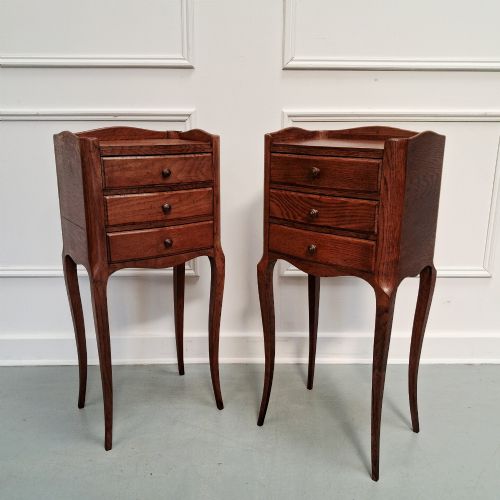
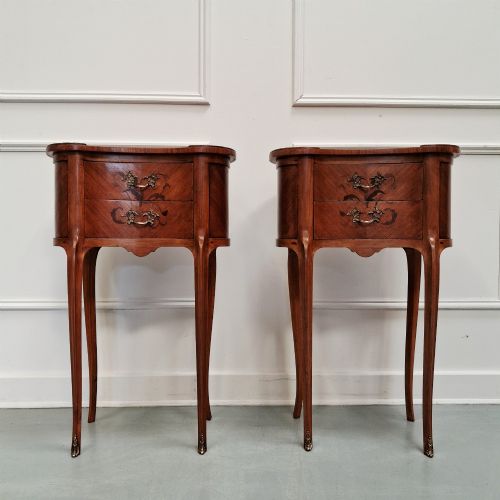
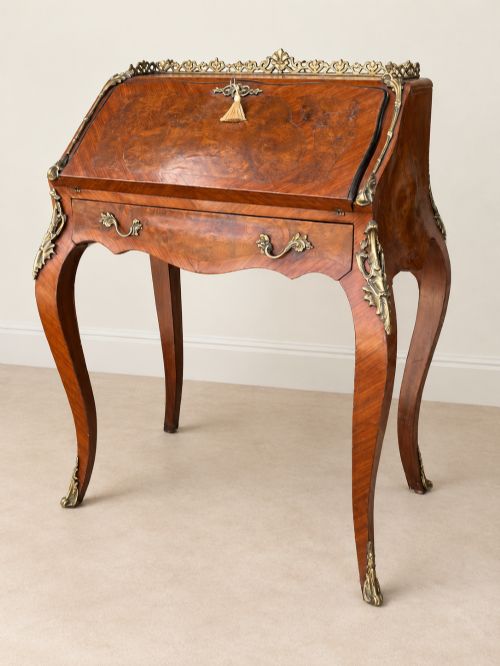
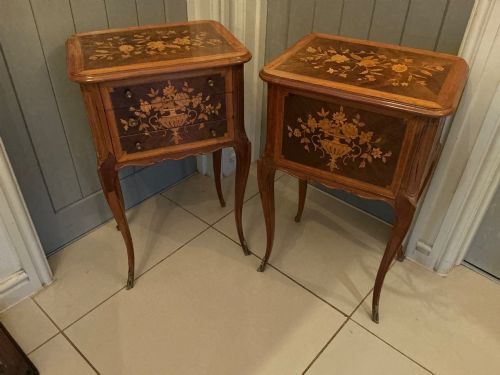
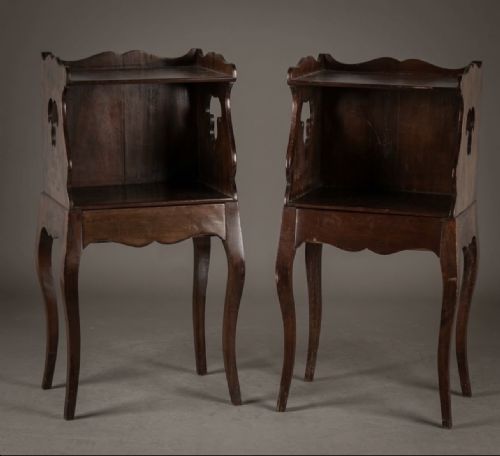
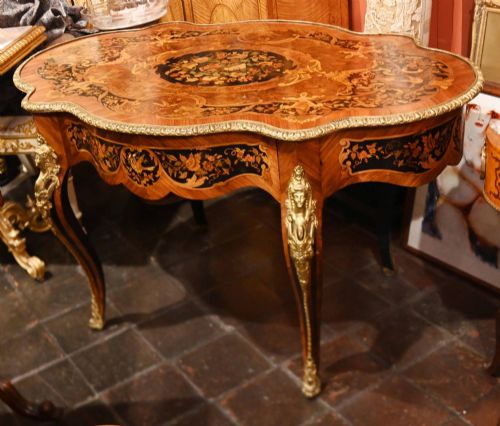
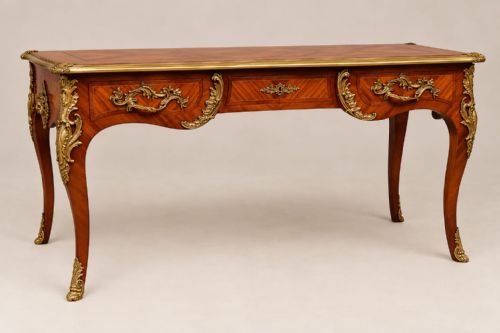
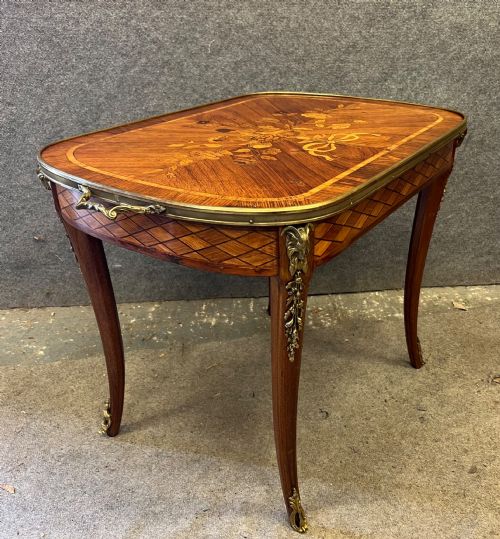
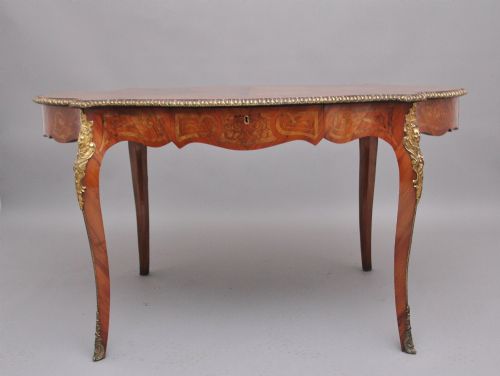
French cabriole tables encompass a diverse array of forms, most commonly appearing as centre tables, occasional tables, writing desks, and bedside tables. When searching for French cabriole tables, buyers frequently encounter pieces styled in the Louis XV revival tradition alongside provincial and occasional furniture spanning the nineteenth and twentieth centuries.
Materials and Technique
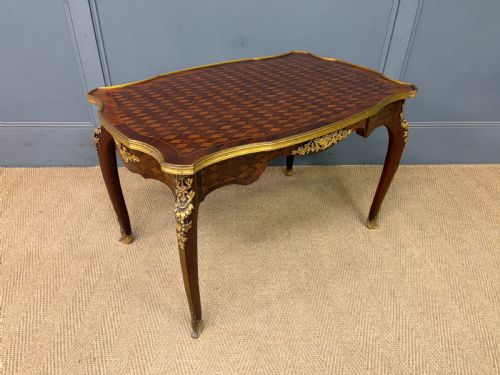
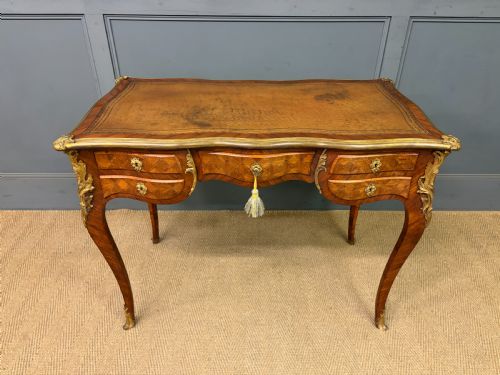
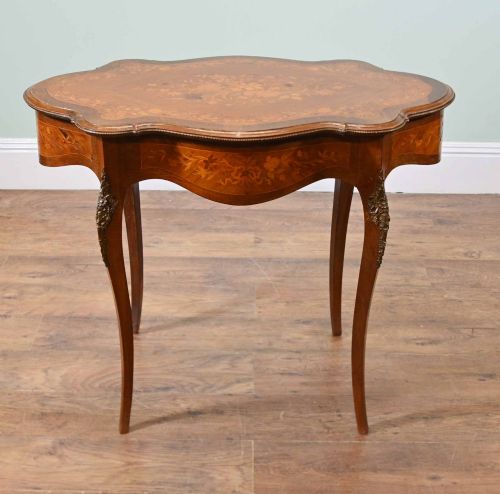
Cabinet makers utilised dense hardwoods such as walnut, kingwood, rosewood, and mahogany as the structural foundations, frequently applying intricate marquetry and parquetry veneers. Surface decoration often incorporates elaborate floral patterns laid in contrasting timber grains.
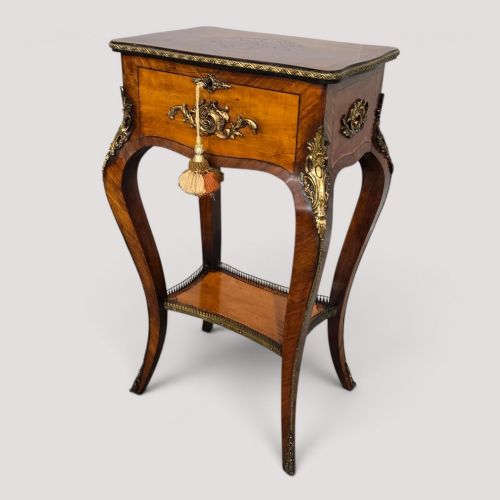
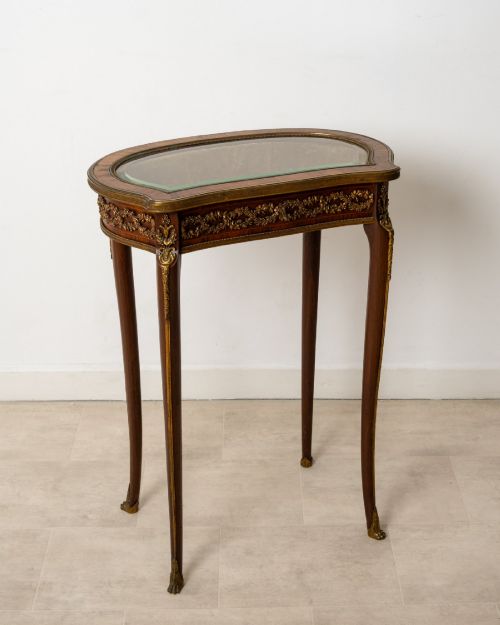
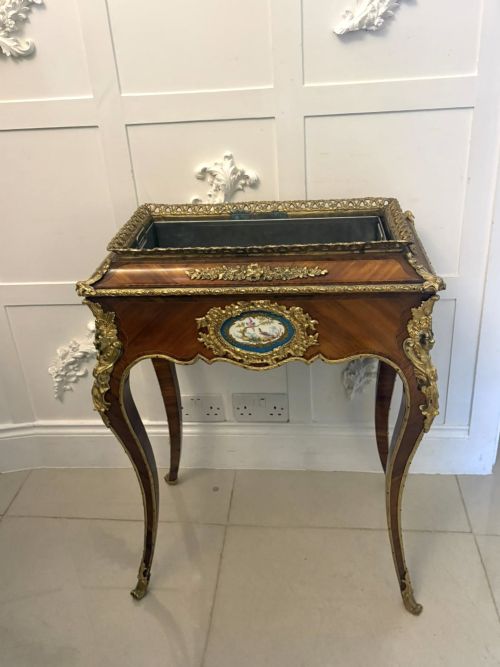
Gilt bronze and ormolu mounts accentuate the curved profiles, while marble and inset leather or suede panels form the upper surfaces of writing and centre tables.
Listings feature periods spanning from the eighteenth century through to the 1930s, utilising kingwood, walnut, and ormolu.
Craftsmanship and Detail
Quality separates through the crispness of the bronze ormolu casting and the precision of the marquetry inlay work on the timber surfaces. Superior examples demonstrate seamless integration between the curved cabriole legs and the apron, maintaining structural stability without heavy reinforcement.
The sophistication of the internal mechanisms, particularly on card tables and writing desks, dictates the upper tier of the range. Hand-carving detail on wooden frames and the preservation of original marble tops further distinguish finer pieces from simpler utilitarian versions.
Francois Linke·Edwards and Roberts·Joseph Emmanuel Zwiener
The French Cabriole Tables Glossary
- Cabriole leg
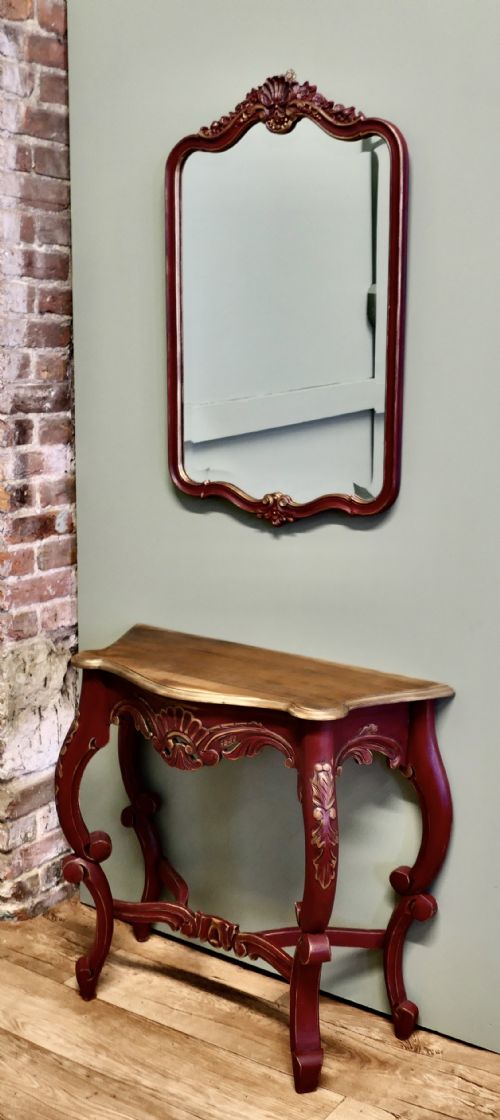
- A furniture leg that curves outward at the knee and tapers inward toward the ankle, mimicking animal limbs. This form is characteristic of Louis XV and rococo revival styles.
- Ormolu
- Gilded bronze ornamentation applied to the mounts and edges of fine furniture. It provides metallic contrast against dark timbers like kingwood and rosewood.
- Marquetry
- Decorative veneer work arranged in pictorial or geometric patterns using various coloured woods. Craftsmen assemble these thin wood sections to adorn tabletops and drawer fronts.
- Bureau plat
- A flat-topped writing desk, typically freestanding with drawers beneath the surface. These desks often rest upon cabriole legs and display gilt bronze mounts.
- Parquetry
- Geometric wood inlay patterns resembling mosaic work. It appears on the surfaces of tables and cabinets to create textured visual effects.
French Cabriole Tables: Frequently Asked Questions
What rooms suit French cabriole tables best?
These tables find natural placement in living rooms as centre or coffee tables, or in bedrooms as bedside cabinets. Their decorative curved profiles allow them to function effectively as standalone statement pieces.
Smaller side tables and writing desks adapt well to reception rooms and studies where surface space is required without heavy visual bulk.
How do I identify a Louis XV style table?
Louis XV style tables display asymmetric scrollwork, floral marquetry, and pronounced cabriole legs terminating in scroll feet. The absence of straight architectural lines defines this aesthetic.
Ormolu mounts shaped as acanthus leaves or floral sprays frequently accent the corners and aprons of these pieces.
Are marble top tables practical for daily use?
Marble top tables provide a durable, heat-resistant surface that withstands daily placement of lamps and decorative objects. The stone requires simple wiping to maintain its finish.
Care must be taken with acidic liquids, which can etch polished marble surfaces if left unattended.