
French Cabinet on Legs
A french cabinet on legs brings continental elegance to a room, offering elevated storage through slender supports and refined marquetry.
French Cabinet on Legs
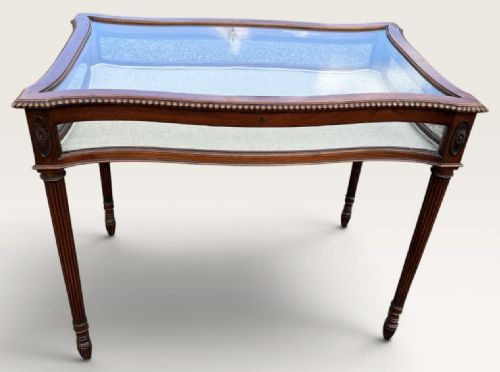
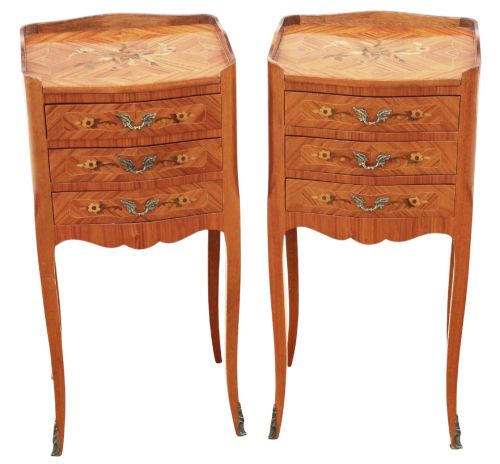
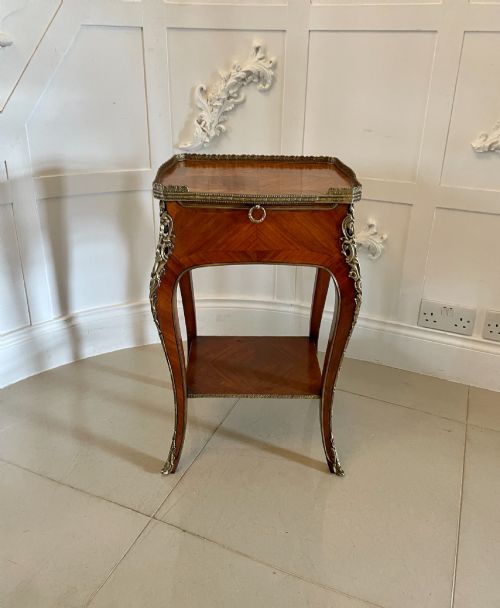
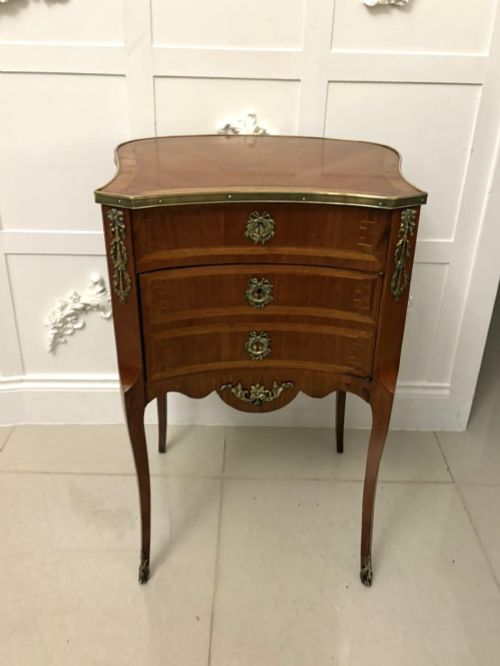
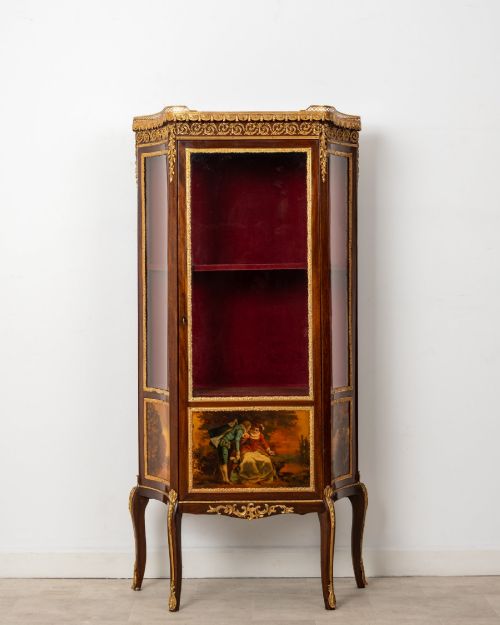
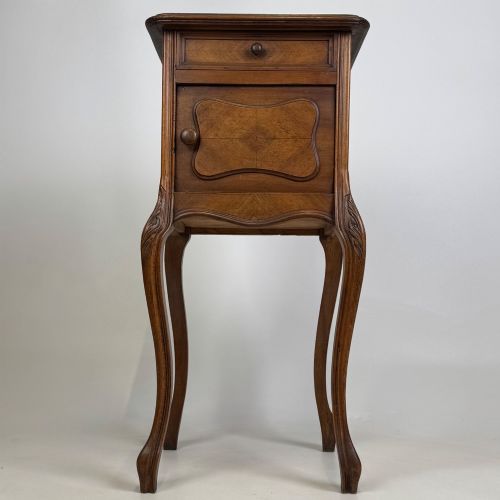
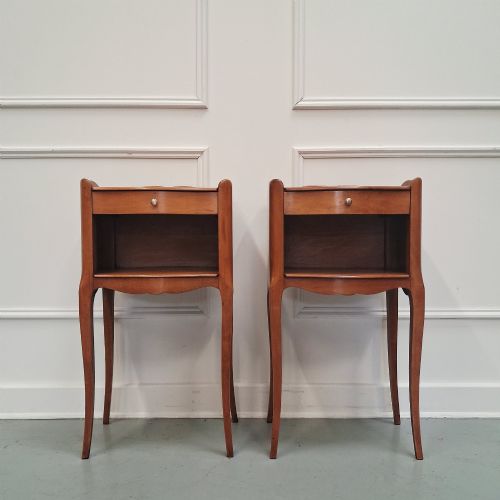
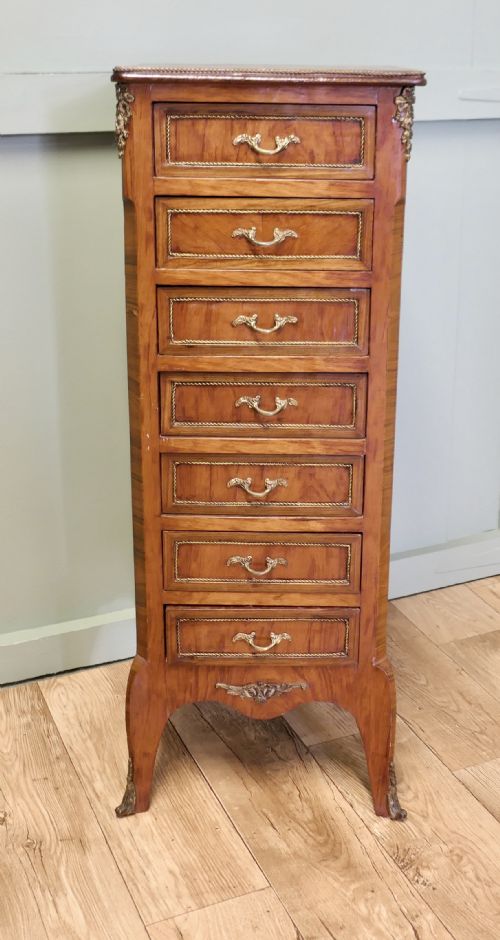
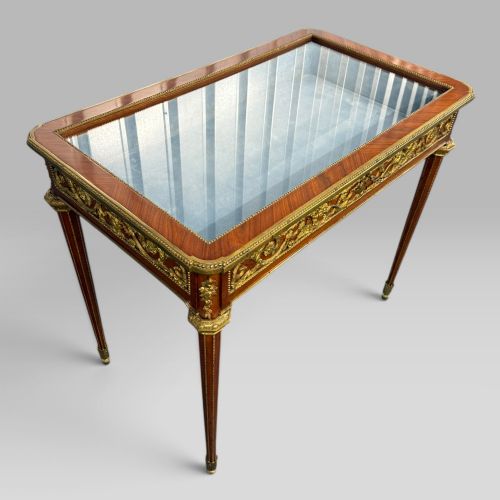
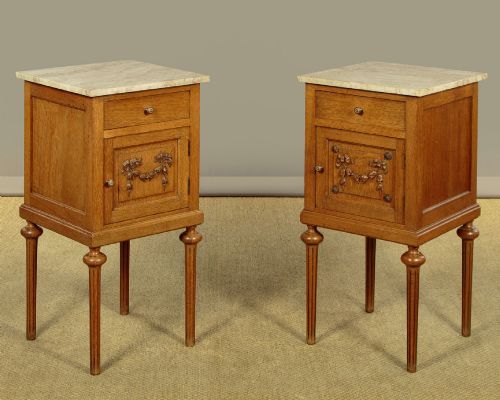
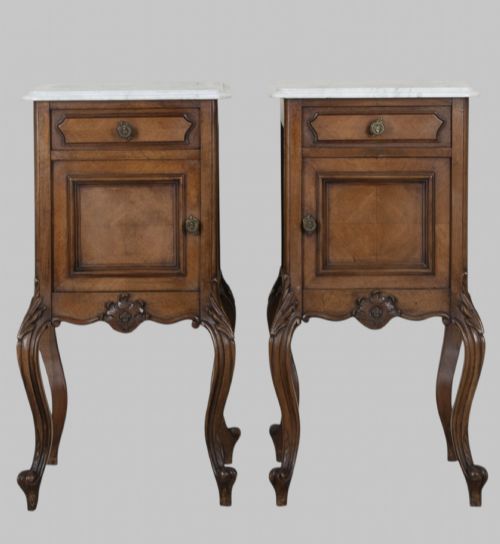
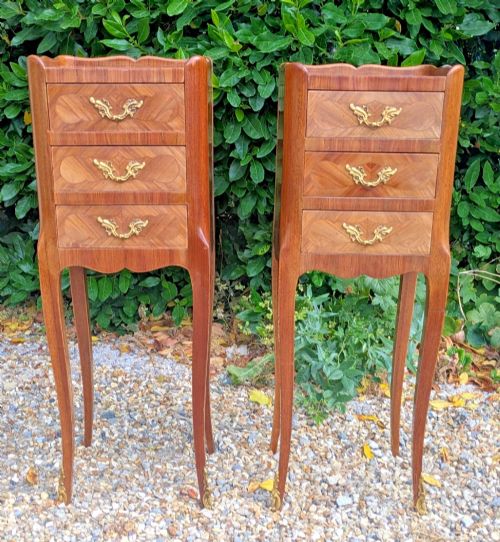
A french cabinet on legs spans functional bedside tables, compact side cabinets, and elevated display pieces originating from the nineteenth and twentieth centuries. Buyers seeking a french cabinet on legs encounter diverse forms including serpentine bijouterie tables, tall chests of drawers, and marble-topped nightstands.
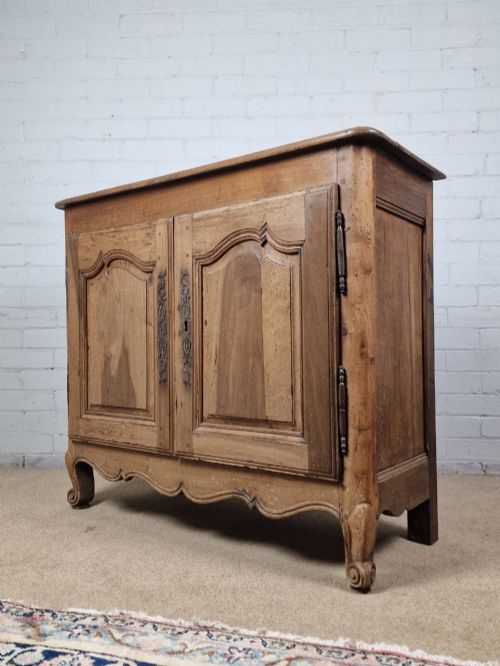
The selection ranges from robust provincial oak designs to ornate revival pieces influenced by Louis XV and Louis XVI aesthetics. These raised cabinets lift storage off the floor, creating a lighter visual footprint in domestic interiors.
How they were made
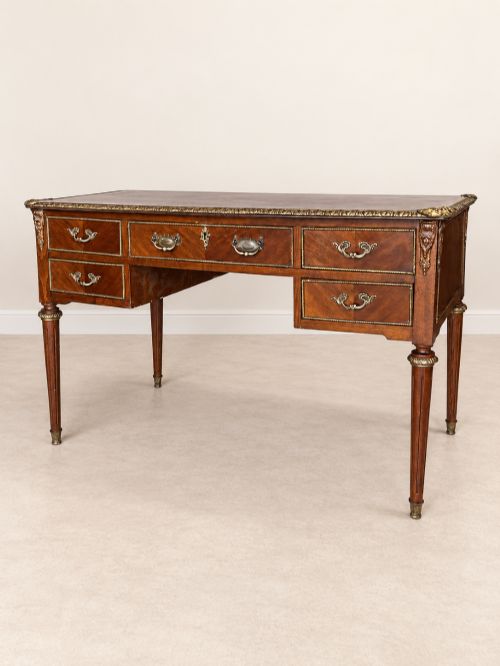
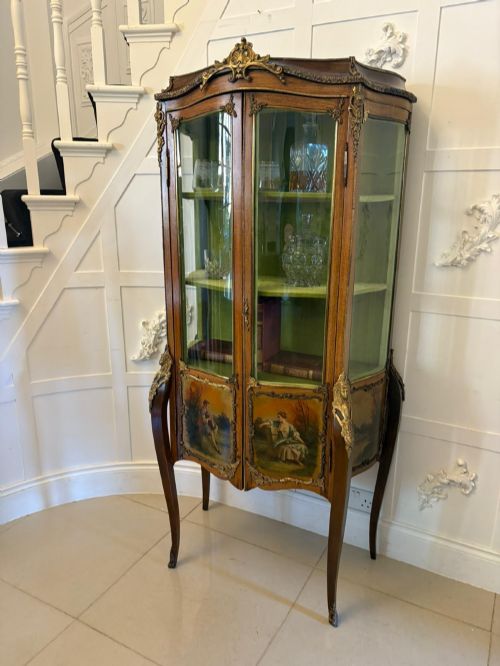
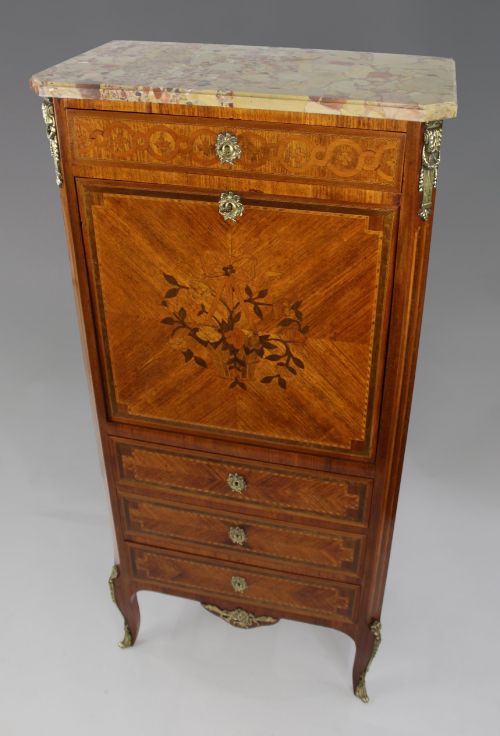
Cabinetmakers utilised dense hardwoods such as walnut, mahogany, kingwood, and cherrywood as foundations for intricate marquetry and parquetry patterns. Surfaces frequently incorporate natural stone elements, with fitted marble tops providing durable and decorative upper surfaces.
Structural embellishments rely on cast or gilt metals, specifically brass and ormolu mounts, applied to corners, legs, and handles. Certain twentieth-century examples integrate alternative materials like bamboo or parchment alongside traditional timber framing.
Listings span multiple decades, incorporating Victorian, Edwardian, and twentieth-century production alongside earlier centuries.
What varies in quality
The standard of execution depends heavily on the precision of the timber inlay and the crispness of the cast metal mounts. Finer pieces demonstrate seamless veneer matching and sophisticated shaping, such as serpentine fronts and carefully turned legs.
Material selection dictates the upper tier of the range, where figured kingwood or rich mahogany pairs with original marble and substantial gilt bronze rather than simpler painted finishes.
François Linke·Maurice Jallot
The French Cabinet on Legs Glossary
- Marquetry
- Decorative veneer work arranged in pictorial or geometric patterns. Craftsmen apply thin slices of diverse coloured woods to timber surfaces.
- Ormolu
- Gilt bronze ornamentation mounted onto furniture frames. This technique adds metallic highlights and sculptural detail to cabinet corners and legs.
- Etagere
- An open tiered piece of furniture used for displaying small objects. These lightweight stands typically feature multiple shelves supported by slender uprights.
- Escritoire
- A small writing desk fitted with drawers and a sloping or drop-front flap. These compact bureaus combine enclosed storage with a dedicated writing surface.
- Bijouterie table
- A glass-topped display table designed for showcasing valuables and small curiosities. These glazed vitrines rest on elevated legs for optimal viewing.
French Cabinet on Legs: Frequently Asked Questions
How do I clean a marble top?
Use a soft cloth dampened with warm water and mild soap to wipe the stone surface clean. Avoid acidic cleaners that can etch the polished finish.
Dry the marble thoroughly afterwards to prevent water spots and maintain the natural lustre of the stone.
Are these cabinets suitable for small bedrooms?
Elevated bedside tables and compact chests work well in limited spaces due to their raised legs. The open floor area beneath them creates a sense of spatial expansiveness.
Check the precise dimensions of the cabinet body and leg spread before placement to ensure clearance with surrounding furniture.
How do I protect antique veneer?
Keep wooden cabinets away from direct sunlight and strong heat sources to prevent the underlying veneer from drying and cracking. Maintain stable indoor humidity levels.
Apply a quality furniture wax periodically and buff gently with a soft cloth to nourish the historic timber surface.