


French Bronzed Desk Light
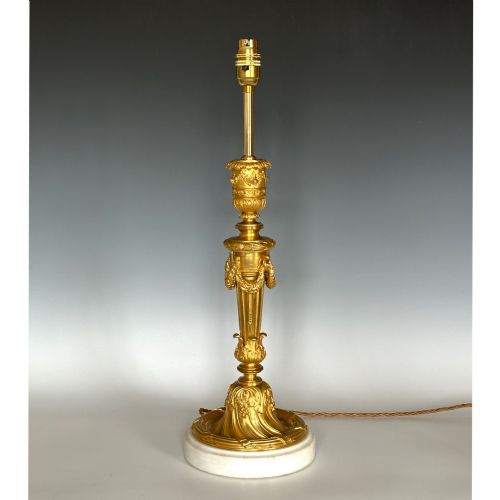
These french bronzed desk light options bring heavy metal, marble, and classical form together to illuminate a workspace with period character.

French Bronzed Desk Light
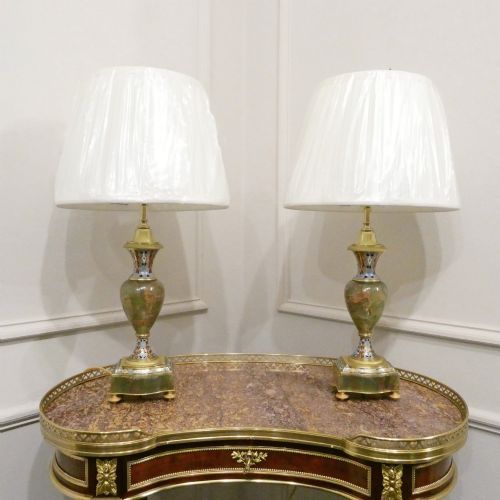
When you search for a french bronzed desk light, you encounter a variety of nineteenth and early twentieth century lighting forms that merge utility with ornamental metalwork. The selection spans table lamps, lamp bases, candlesticks converted for illumination, and specific desk accessories.
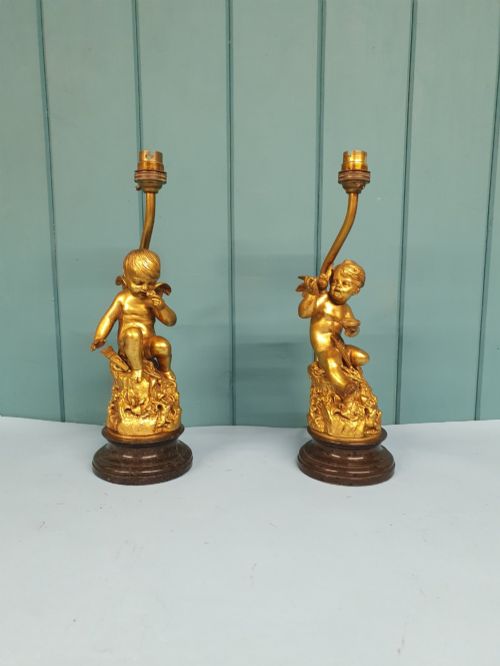
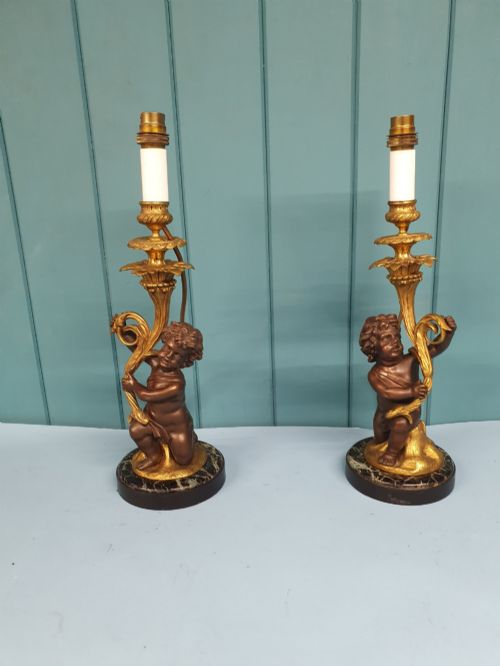
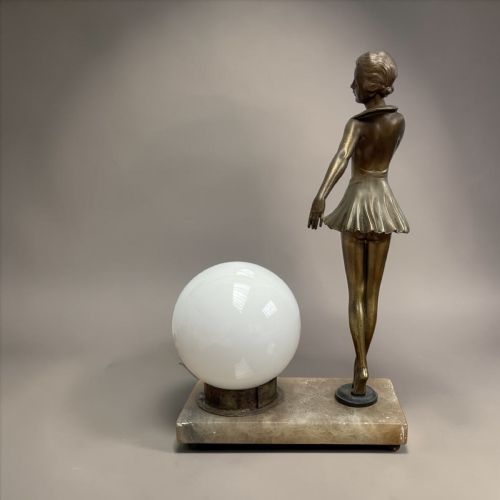
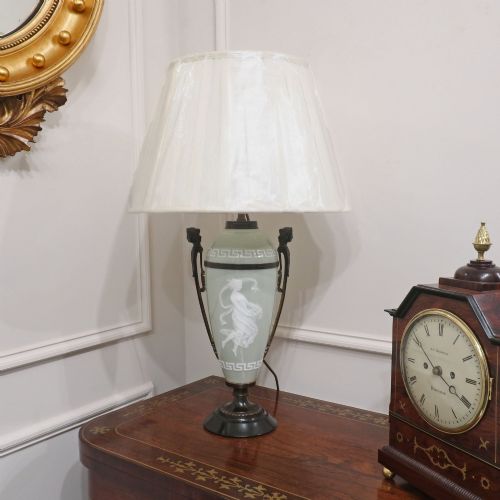
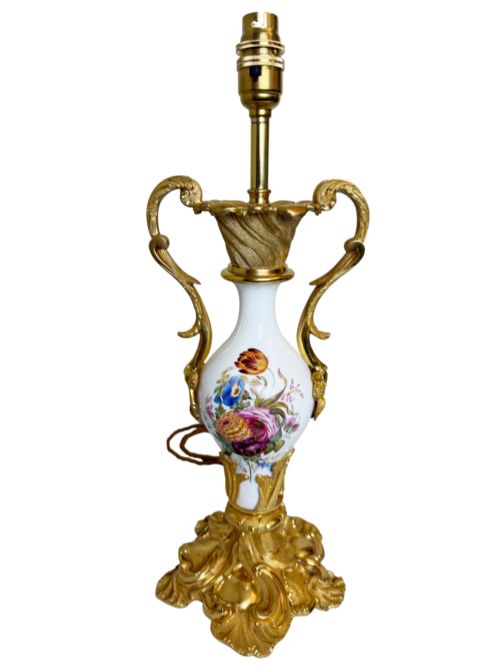
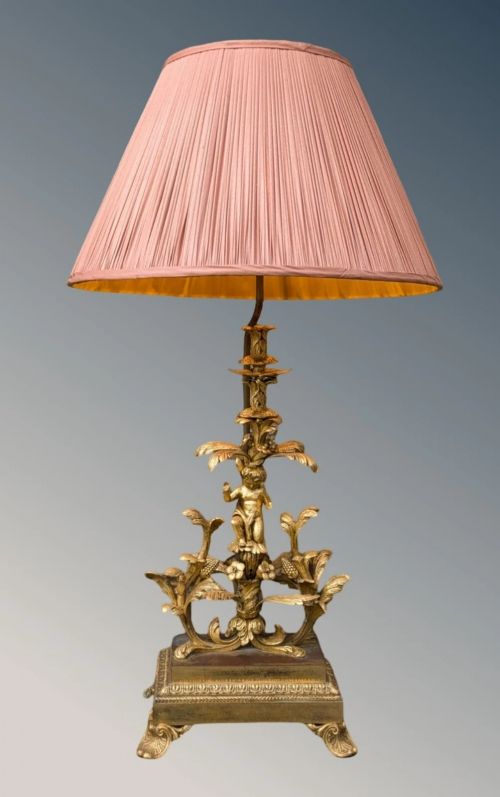
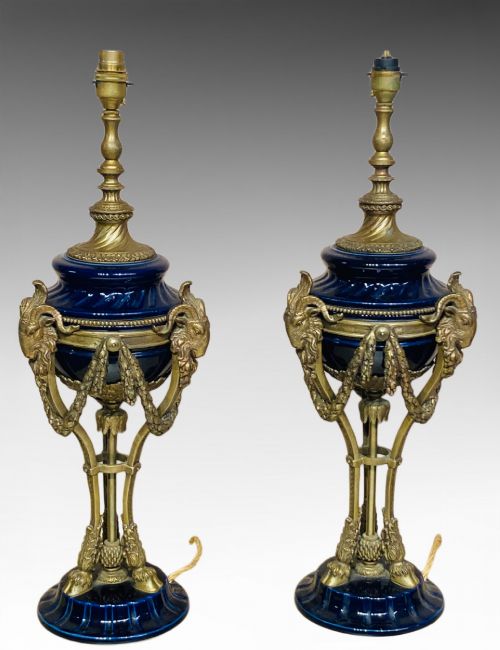
You are most likely to meet pieces produced in nineteenth century France, drawing on Neoclassical, Rococo Revival, Empire, and Art Nouveau styles. These range from patinated bronze figures and cherubs to gilt bronze mounts paired with marble or porcelain bodies.
How they were made
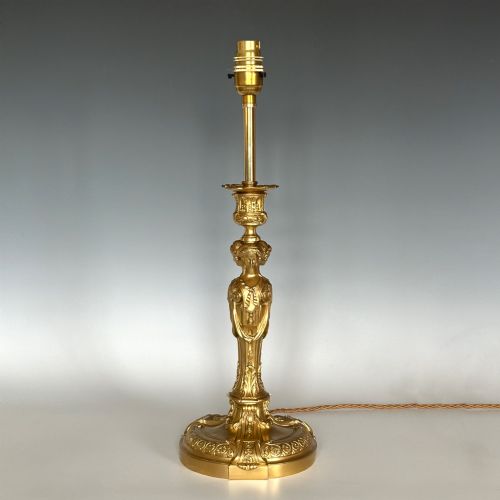
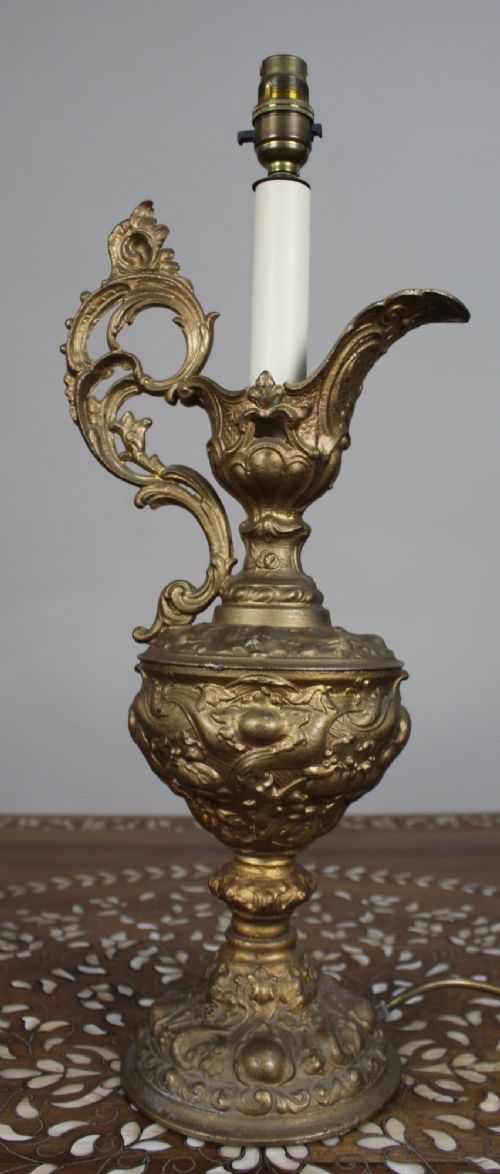
Foundry work relied on casting bronze, brass, or spelter, often finished with chemical patination or mercury gilding to create the characteristic ormolu and bronzed surfaces. Artisans chased the metal by hand after casting to sharpen details like acanthus leaves, rams heads, and figurative elements.
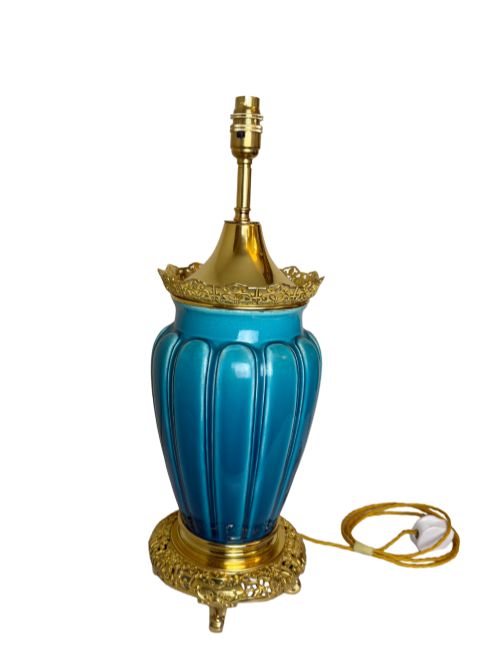
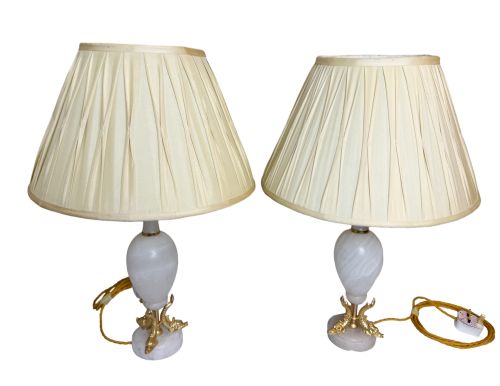
Many designs incorporate structural elements of white, rouge, or black marble, onyx, and glazed porcelain, secured with threaded metal rods and nuts. Champleve enamel, glass cabochons, and fabric components complete the construction of these desk lamps and table lights.
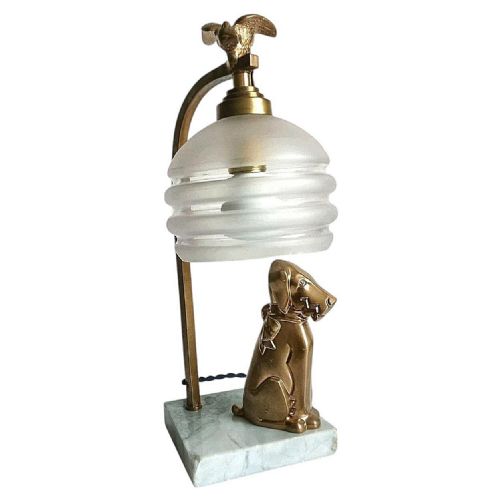
Several desk lights combine utility with whimsical zoology, featuring cheerful brass cherubs alongside novelty dog and parrot motifs.
What varies in quality
The crispness of the metal chasing separates standard production from superior examples, as hand-tooled depth in feathers, drapery, and cast foliage creates immediate visual distinction. Heavy gauge cast bronze and ormolu retain sharp edges and deep relief, whereas softer white metal or spelter castings often show blurred contours.
The selection of secondary materials heavily influences the overall execution, with genuine marbles and fine porcelain bodies offering greater weight and mineral depth than simpler substitutes. Original patination and intact fire gilding preserve the integrity of the surface better than later chemical refinishing.
L and F Moreau·Georges Leleu·Dugourc
The French Bronzed Desk Light Glossary
- Ormolu
- Gilded bronze produced by applying a mercury and gold amalgam to a bronze object and heating it to drive off the mercury. This technique creates a durable, luminous golden finish characteristic of French decorative metalwork.
- Champleve
- An enamelling technique where troughs or cells are sunk into the surface of a metal object and filled with vitreous enamel powder before firing. The resulting coloured patterns often accent bronze desk accessories and lamp bases.
- Spelter
- A zinc alloy used as a less expensive substitute for bronze in decorative figures and lamp bases, frequently painted or bronzed to imitate heavier metal. It is softer and lighter than bronze or brass.
- Patination
- The surface coloration developed naturally through age or applied artificially by chemical treatment on metal objects. A patinated bronze desk light displays subtle tonal variations across its handling areas.
French Bronzed Desk Light: Frequently Asked Questions
Are these lamps converted candlesticks?
Many examples began life as candlesticks, oil lamps, or cassolettes before receiving electrical wiring in later decades. This adaptation was common for high quality nineteenth century gilt bronze and marble pieces.
Conversions often preserve the original burner fittings or candle nozzles while routing the cord through the central axis or base. Inspecting the underside reveals how the original structure was adapted for modern lighting.
What is the difference between bronze and spelter?
Bronze is a heavy copper alloy capable of holding exceptionally sharp cast and chased detail. Spelter is a softer zinc-based metal used as a budget-friendly alternative for decorative figures and lamps.
Underneath the bronzed finish, spelter feels lighter and scratches more easily than genuine bronze. The distinction affects both the weight and the durability of the desk lamp.
How should I clean a bronzed metal lamp?
Dust the surface regularly with a soft, dry brush or microfiber cloth to prevent dirt accumulation in the recessed chasing. Avoid abrasive cleaners, water, or chemical solvents that can strip the patination or ormolu.
Preserving the original surface finish maintains the historical character of the piece. If wiring requires maintenance, consult a professional familiar with antique lighting fixtures.