

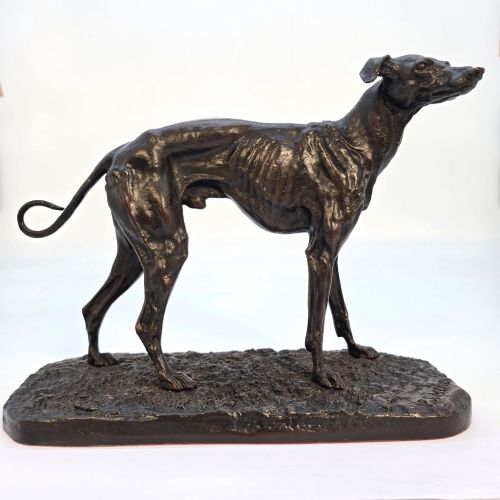
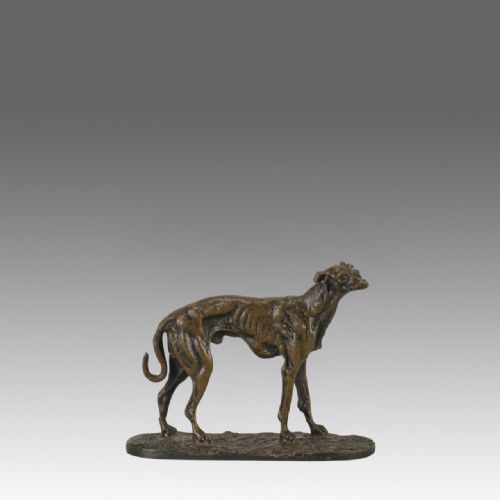
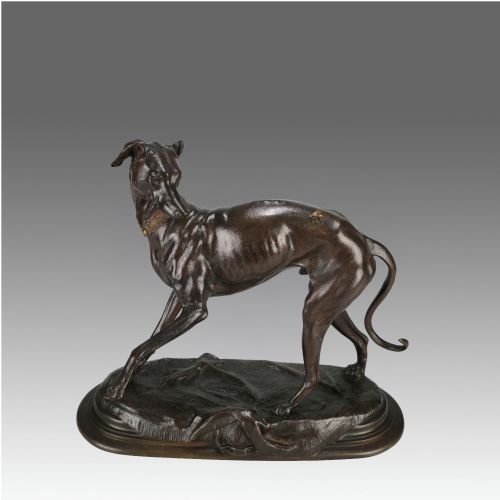


French Bronze Whippet Sculpture
A French bronze whippet sculpture brings agile canine form and cast metal weight to a room.
French Bronze Whippet Sculpture
A french bronze whippet sculpture captures the slender grace of sighthounds through cast metal. These pieces emerge primarily from the nineteenth century and extend into the art deco period.
Most examples found here take the form of tabletop sculptures and decorative figures. Some functional pieces like ormolu and marble caskets also incorporate these hound motifs.
The aesthetic draws heavily on the nineteenth century french animalier tradition. Makers focus on attentive postures, from seated greyhounds to recumbent hounds and active chases.
Materials and casting methods
Casting captures minute anatomical details of the sighthound muscle structure and fur texture. Surface finishes vary from dark metallic patination to bright gilt highlights.
French Bronze Whippet Sculpture Retail Price Guide 2026
Typical asking prices for french bronze whippet sculpture among the pieces listed under this phrase on Sellingantiques today, from the lower quarter to the upper quarter. They describe what is for sale here now, not the wider market.
Current listings feature pieces spanning the nineteenth century up to nineteen thirty, utilising bronze, marble, onyx and ormolu.
Judging sculpture quality
The integration of the supporting base matters significantly. High quality examples feature dense veined marble or onyx plinths that complement the heavy cast bronze above.
P. J. Mène·Alfred Dubucand·Alfred Barye·Joseph Francois Victor Chemin·Christophe Fratin
The French Bronze Whippet Sculpture Glossary
- Animalier
- A nineteenth century artistic movement focused on the realistic portrayal of animals. Sculptors in this school studied live subjects closely in menageries.
- Patina
- The surface coloration and sheen developed naturally over time or applied chemically to bronze. It protects the metal and defines the visual depth of the sculpture.
- Ormolu
- Gilt bronze mounted onto decorative objects and furniture. The technique involves applying finely ground gold mercury amalgam to cast bronze.
- Sighthound
- A hound type that hunts by sight and speed rather than scent. Whippets and greyhounds belong to this canine family.
French Bronze Whippet Sculpture: Frequently Asked Questions
What periods do these sculptures cover?
The pieces span the nineteenth century and extend into early twentieth century art deco periods. Nineteenth century examples often align with the height of french animalier casting.
Later works shift towards simplified modernist lines while retaining the hound subject matter.
How were these figures displayed originally?
Owners placed these heavy bronze sculptures on library desks, mantelpieces and cabinets as ornamental art. Smaller versions functioned as paperweights or decorative box adornments.
Their substantial weight provided stability for desk use alongside other study accessories.
What materials accompany the bronze?
Marble and onyx frequently form the heavy bases that anchor the metal figures. Ormolu accents appear on related decorative pieces like caskets.
Patinated metal occasionally substitutes for solid bronze in alternative production tiers.
How do animalier bronzes differ?
Animalier works focus purely on realistic animal anatomy and movement rather than human subjects or allegorical scenes. Sculptors captured wild and domestic beasts in candid poses.
This movement gained momentum in nineteenth century France through specialised foundries.