



Pj Mene Bronze Sculpture
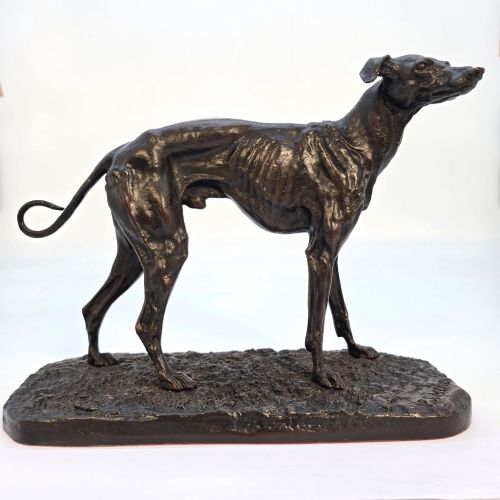
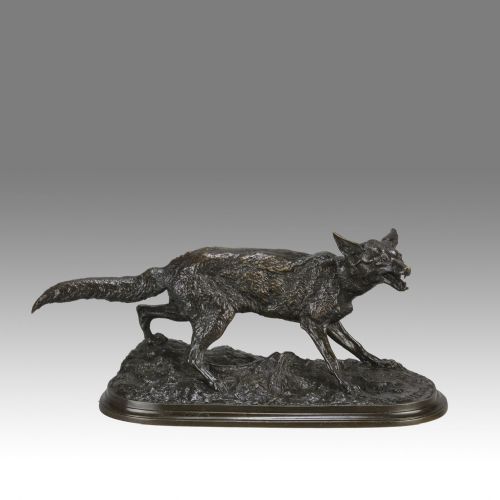
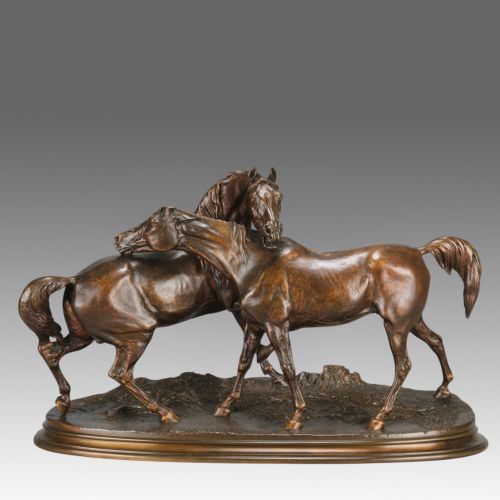
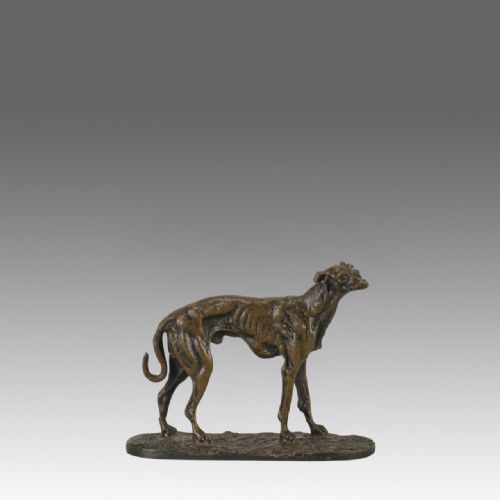
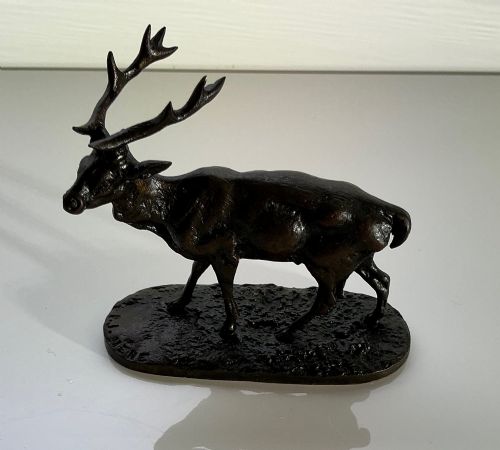
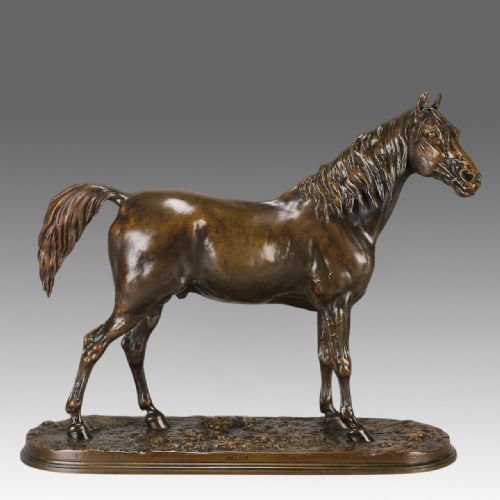
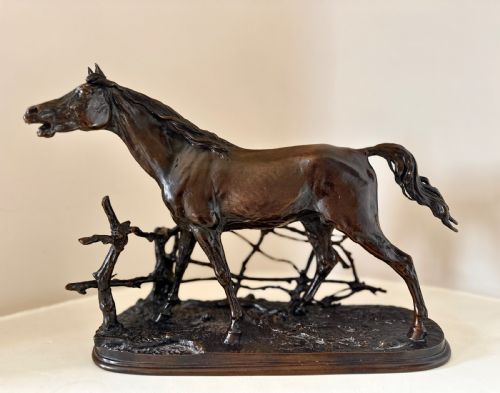
These bronze sculptures by P.J. Mène capture the raw energy of the nineteenth-century French Animalier school.
Pj Mene Bronze Sculpture
When you search for pj mene bronze sculpture, you enter the nineteenth-century French Animalier tradition, dominated by realistic depictions of animals. These works capture dogs, horses, stags, foxes, and goats with remarkable anatomical precision.
The pieces on this page span the mid to late nineteenth century, including specific named subjects like Reynard, Ibrahim, and L'Accolade. You will find both original period castings and pieces executed after the sculptor.
Forms range from individual studies of greyhounds and setters to complex groups involving multiple animals such as Arab mares and stallions. Each sculpture reflects the keen observation of nature that defined the French animalier school.
Materials and casting methods
These sculptures are produced in bronze, utilising traditional foundry techniques of the nineteenth century to capture intricate textures of fur and muscle. The metal is finished with various patinas, ranging from deep dark tones to subtle surface shades.
The application of patination enhances the naturalistic detail of the subjects, giving depth to the coats of hounds, horses, and wild animals. This careful surface treatment defines the appearance of nineteenth-century animalier bronzes.
Pj Mene Bronze Sculpture Retail Price Guide 2026
Typical asking prices for pj mene bronze sculpture among the pieces listed under this phrase on Sellingantiques today, from the lower quarter to the upper quarter. They describe what is for sale here now, not the wider market.
Listings feature works exclusively in bronze material, spanning the mid to late nineteenth century under the French Animalier style.
Judging quality in nineteenth-century bronzes
Quality rests in the crispness of the chase work, where the metal is refined after casting to restore fine lines of muscle and hair. A superior casting retains the vitality of the original model without softening the details.
The depth and richness of the patina also separate examples, as well as whether a piece is a lifetime cast supervised by the artist or a later production after the sculptor.
P. J. Mène
The Pj Mene Bronze Sculpture Glossary
- Animalier
- A nineteenth-century artistic movement focused on the realistic portrayal of animals. This style flourished in France through sculptors who studied subjects closely in menageries and fields.
- Patina
- The surface coloration and sheen developed on bronze naturally over time or applied chemically by the foundry. It protects the metal and defines the visual tone of the sculpture.
- Chase work
- The detailed finishing of a bronze casting using chisels and punches to sharpen textures and remove casting flaws. Skilled chasing distinguishes finer sculptures from basic commercial editions.
- Cast
- The resulting metal object formed by pouring molten bronze into a mould. Lifetime casts were produced during the artist's active period.
Pj Mene Bronze Sculpture: Frequently Asked Questions
What is a P.J. Mène bronze?
It is a nineteenth-century animalier sculpture created by French artist Pierre-Jules Mène or produced after his models. These works focus heavily on realistic depictions of domestic and wild animals.
You will find subjects ranging from hunting dogs and horses to stags and foxes, cast in bronze with detailed patination.
How do I identify animalier bronzes?
Look closely at the anatomical accuracy and the texture of the fur, muscle, and ground elements. French animalier bronzes from this period typically display strong realism and dynamic postures.
Signatures or foundry marks may also appear on the base, alongside titles that name specific subjects like Ibrahim or L'Accolade.
Where should I display these sculptures?
These bronzes suit tabletops, desks, or dedicated display cabinets where their patinated surfaces and fine details can be appreciated up close. Ensure they sit on stable, flat surfaces away from direct moisture.
Good lighting from the side helps reveal the subtle chase work and texture of the bronze animal forms.
How do I care for bronze sculpture?
Dust the surface gently with a soft, dry cloth to prevent dirt accumulation. Avoid using chemical cleaners or abrasive polishes that can strip the original patina.
Applying a very light coat of microcrystalline wax occasionally helps protect the metal surface from environmental humidity.