


French Bronze Urn Lamps
French bronze urn lamps bring classical gravity to a room, turning monumental metal and stone vessels into pools of warm light.
French Bronze Urn Lamps
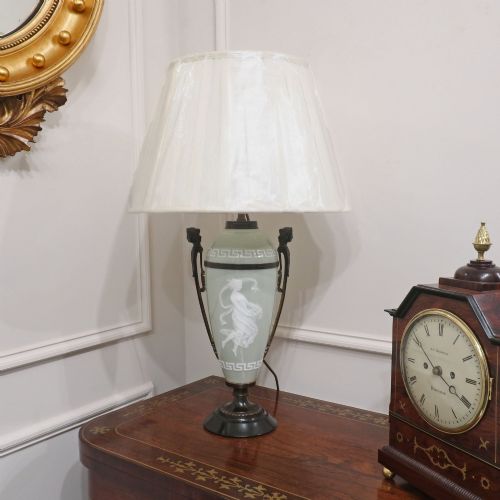
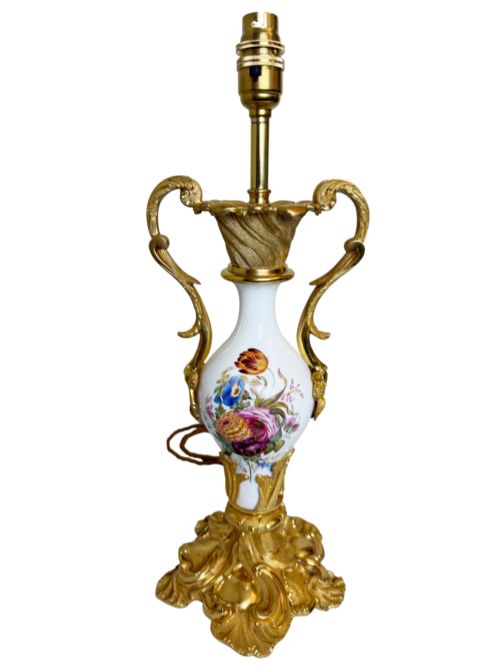
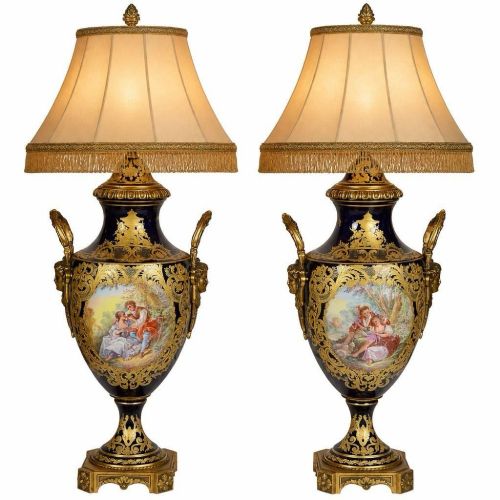
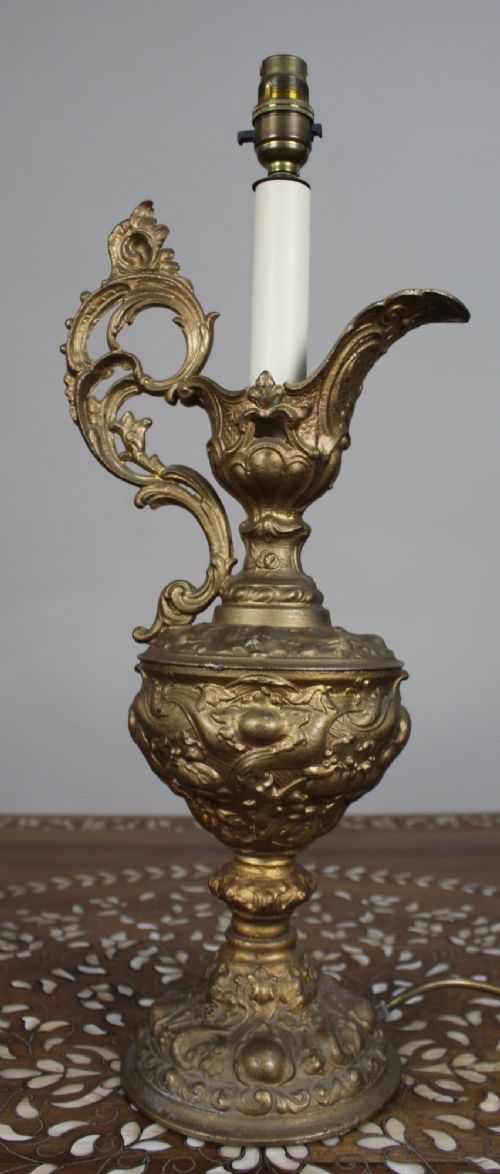
These pieces are lighting fixtures created from cast metal vessels, frequently taking the form of classical vases, ewers, and cassolettes adapted for domestic interiors. When searching for french bronze urn lamps, buyers encounter heavy ornamental forms originating predominantly across the nineteenth century in various revival aesthetics.
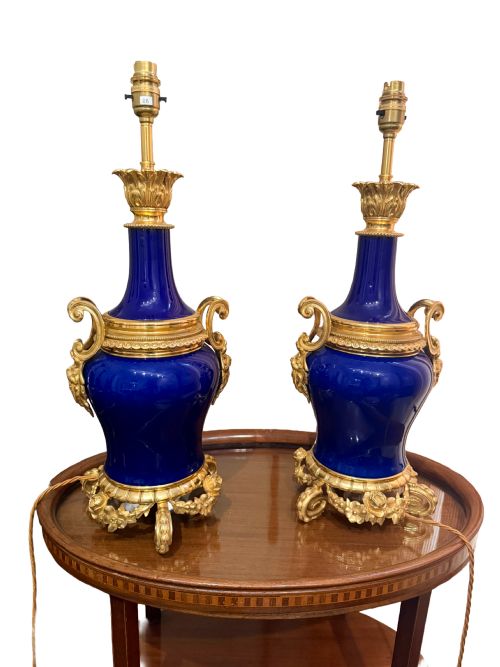
The objects frequently combine cast metal bodies with rich stone bases, pairing patinated or gilded surfaces with contrasting porcelain inserts and detailed mounts. Many examples originate as decorative mantel garnitures or wine coolers before receiving electrical wiring in later decades.
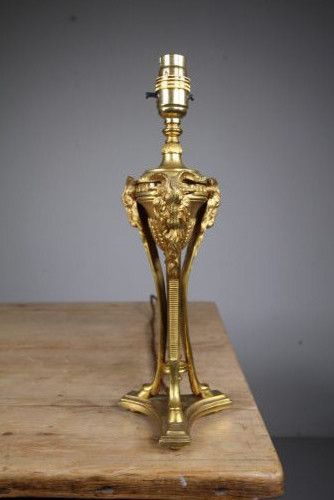
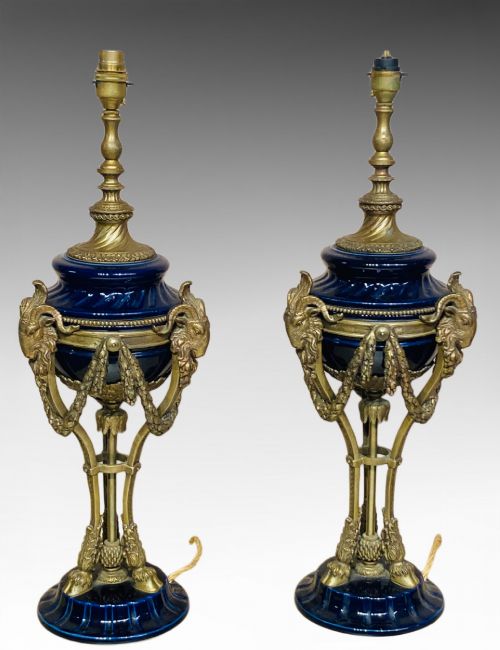
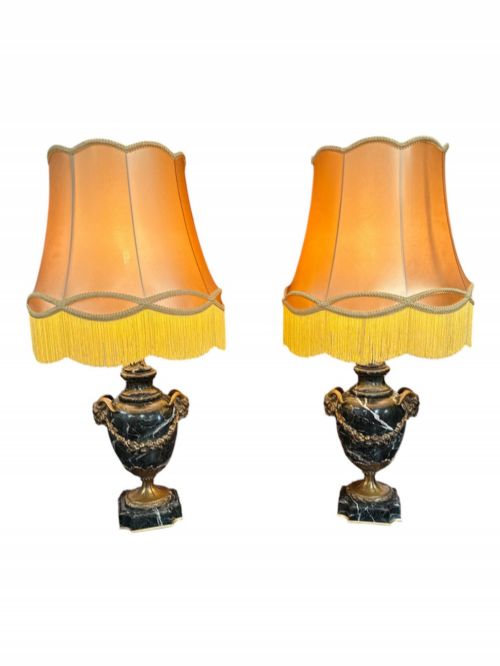
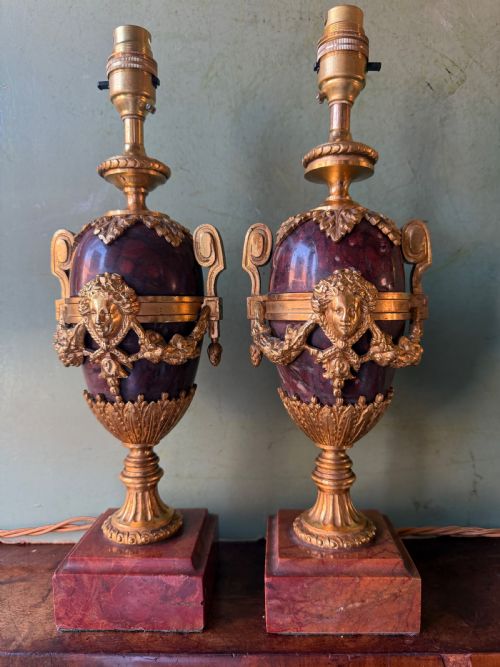
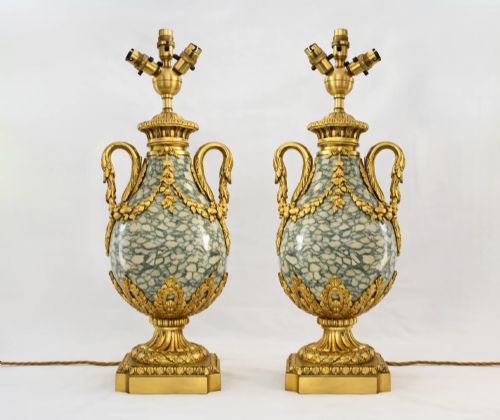
Pairs dominate the selection, often mirroring classical architectural symmetry suitable for placement upon sideboards, pedestals, and mantelpieces. The underlying vessels draw heavily upon neoclassical design vocabulary, incorporating ram heads, putti reliefs, and foliate handles.
How they were made
Foundries produced the metal components through sand casting or lost-wax methods, working primarily in bronze, brass, or spelter before applying mercury gilding, ormolu finishes, or dark patination. Stonework elements including white, rouge, and siena marble were turned on lathes and polished to contrast sharply against the bright metal mounts.
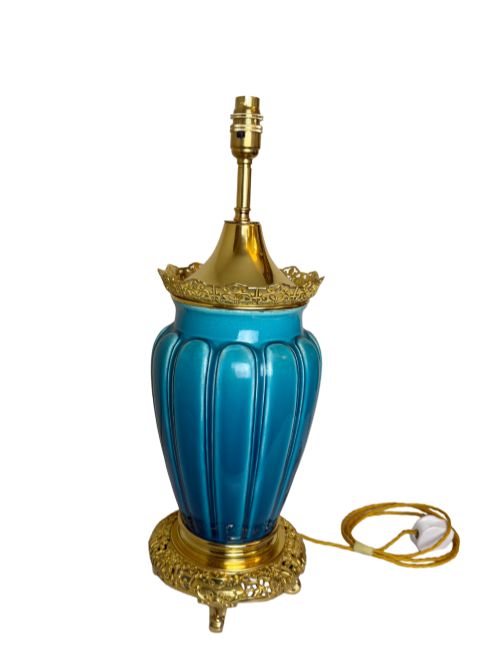
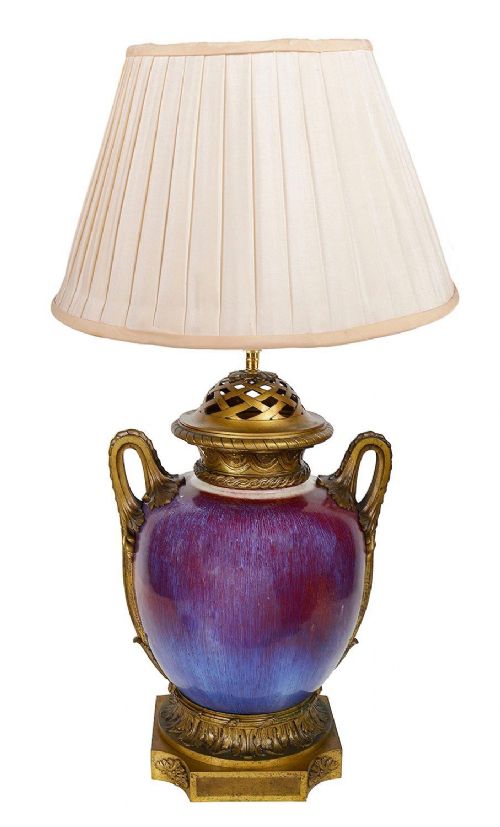
Porcelain bodies, often painted in cobalt blue, turquoise, or white glaze, were frequently imported from factories such as Sevres or manufactured in Asian export styles to be fitted with bespoke metal collars and handles. Artisans assembled these mixed-media objects using threaded rods, pins, and screws concealed within the internal structure of the urn.
Listings span the nineteenth and early twentieth centuries, featuring materials such as ormolu, marble, porcelain, and gilt bronze across neoclassical and Louis XVI revival styles.
What varies in quality
The selection of materials creates a clear hierarchy, with dense natural marbles, genuine mercury-gilded ormolu, and hand-painted porcelain bodies commanding higher regard than simple spelter castings and painted wood bases. The harmony between the original vessel and its subsequent mounting reveals the eye and skill of the maker.
The French Bronze Urn Lamps Glossary
- Ormolu
- Gilded bronze produced through an amalgamation of mercury and gold applied to a cast metal base. This technique creates a rich, matte yellow finish characteristic of nineteenth-century decorative arts.
- Cassolette
- A decorative vase or urn with a reversible lid that functions either as a closed vessel or as a candleholder. These pieces often feature elaborate mounts and served as ornamental centrepieces before conversion to lighting.
- Ewer
- A large jug with a wide spout and a curved handle, traditionally used for pouring water but frequently adapted as a lamp base. Their sculptural profiles make them prominent focal points in interior schemes.
- Rouge Marble
- A rich red decorative limestone with white and grey calcite veins, quarried primarily in France. It provides a dramatic, weighty foundation for gilded metal mounts.
- Louis XVI Style
- A neoclassical design movement reviving ancient Greek and Roman motifs through strict symmetry, straight lines, and refined classical ornamentation. It remains a dominant aesthetic across these metal and stone fixtures.
French Bronze Urn Lamps: Frequently Asked Questions
Were these lamps originally electrified?
Most of these fixtures began life as decorative urns, ewers, or mantel garniture pieces during the nineteenth century. Wiring and bulb fittings were added later, often during the twentieth century, to adapt the decorative vessels for modern domestic lighting.
Because the conversions took place long after initial manufacture, the internal wiring and hardware styles vary significantly between individual pieces. Buyers should inspect the method of wiring entry to ensure the historical metal and stone body remains undamaged.
How do I identify Louis XVI style mounts?
Louis XVI style mounts display strict symmetry, architectural proportions, and classical motifs such as acanthus leaves, bead-and-reel borders, and laurel wreaths. The ornamentation draws directly from archaeological discoveries of the period.
Unlike the more exuberant curves of earlier rococo designs, these mounts favor restrained geometric dignity and crisp, linear casting.
Are these pieces sold as pairs?
A significant portion of the selection consists of matched pairs intended for balanced placement on mantels, sideboards, or large tables. Symmetrical arrangements were central to nineteenth-century interior decoration.
Single examples do appear, usually surviving from sets where one piece was lost or separated over time. Checking the dimensions and mount details helps confirm if a pair shares the same workshop origin.
What is the difference between bronze and spelter?
Bronze is a durable alloy of copper and tin that accepts detailed chasing and supports rich patination or fire gilding. Spelter is a softer, zinc-based white metal alloy used as a less expensive substitute for bronze in later or more commercial pieces.
When handled, bronze feels notably heavier and cooler than spelter, and its surface accepts sharper, more precise detailing during the chasing process.