



French Bronze Table Statue
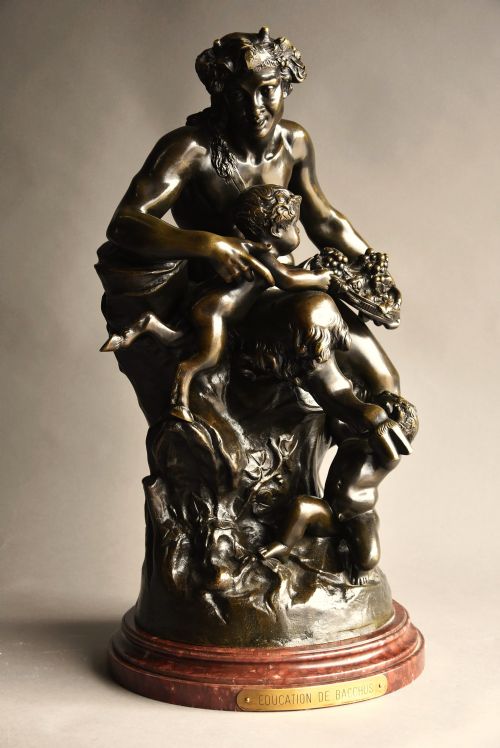
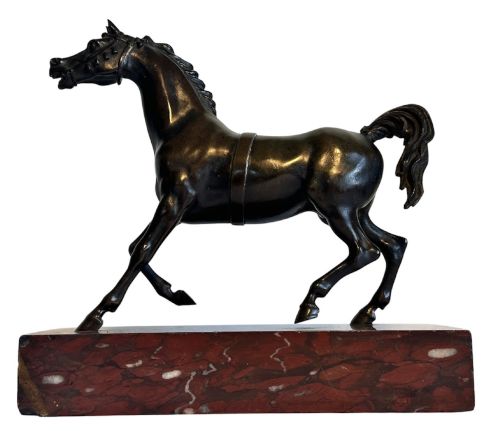
These pieces are a french bronze table statue, cast in metal and mounted on stone, bringing nineteenth-century presence to a desk or mantel.
French Bronze Table Statue
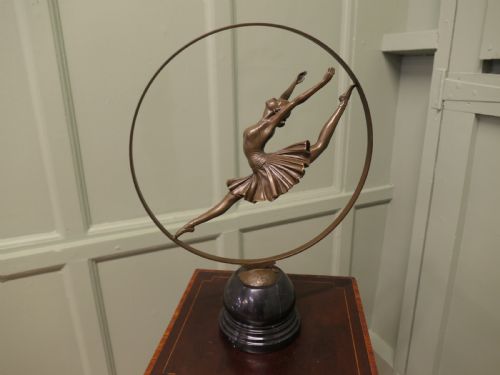
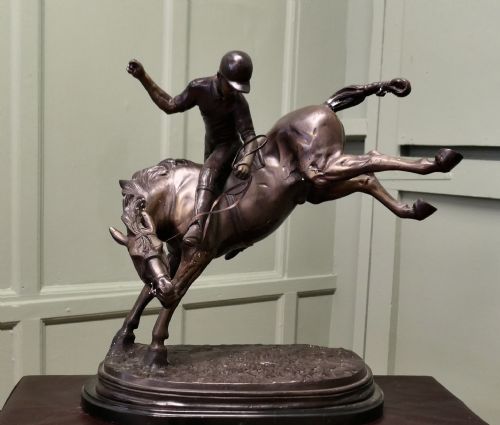
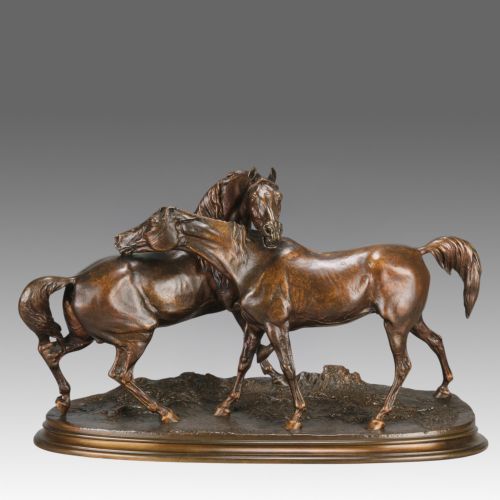
When you search for a french bronze table statue, you meet a variety of small-scale sculptures, animal groups, and figural mantel clocks originating from nineteenth-century France. The selection spans neoclassical subjects, animalier studies, and later Art Deco dancers mounted on solid stone bases.
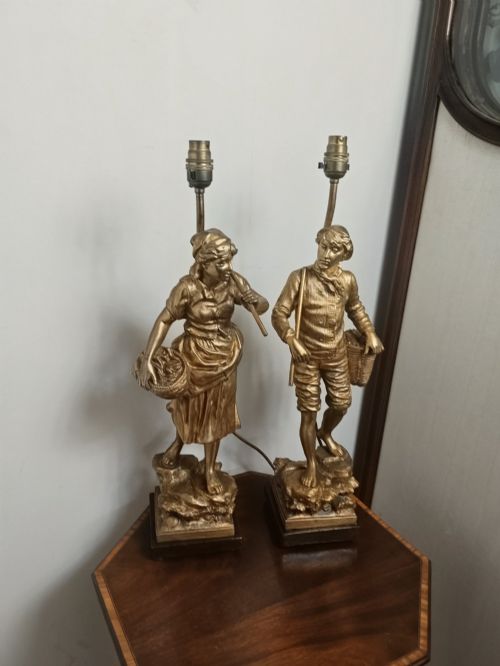
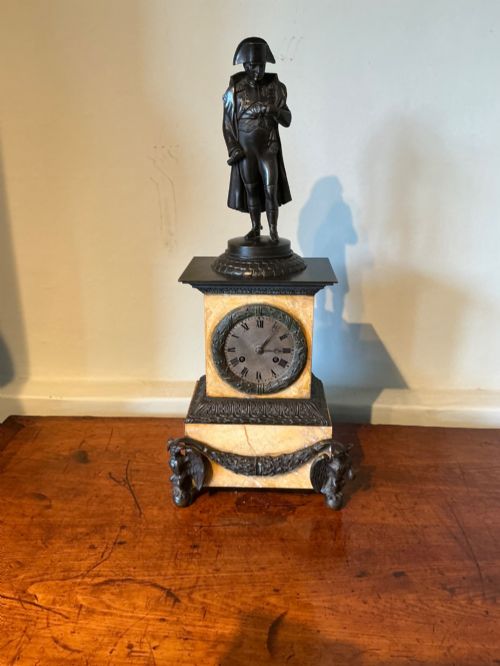
You are most likely to encounter nineteenth-century pieces alongside 1930s works, often taking the form of horses, mythological figures, or human subjects cast in metal. Many examples serve a dual purpose as table lamps or timepiece housings rather than pure decorative figures.
Materials and Casting Methods
Foundries utilised bronze and patinated bronze for the primary figures, often mounting them on heavy sienna or black marble plinths to provide stability and visual contrast. Gilt bronze and ormolu add metallic highlights to clock cases and figural lamps.
Alternative materials such as spelter appear alongside glass and wood components, particularly in twentieth-century table lamps and decorative statuettes. Hand-painted dials and applied patination complete the surface finish of these cast objects.
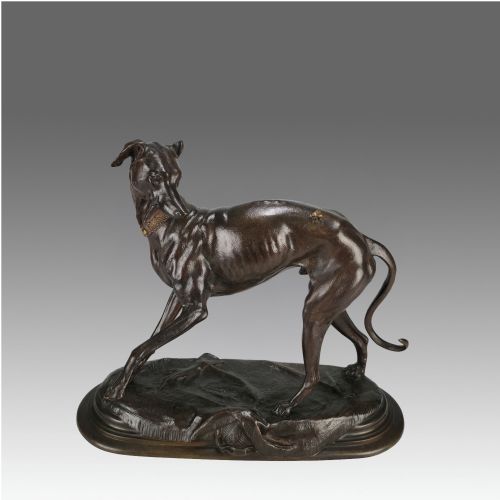
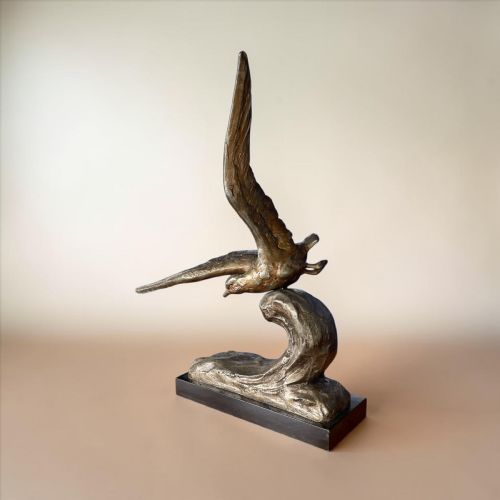
Greyhounds chase imaginary flies across nineteenth-century desks while albatrosses take flight in polished metal.
Distinctions in Quality
The choice and density of the supporting marble base also influence the overall character of the piece. Integrated patination and well-preserved fire gilding indicate a higher grade of original manufacture.
Claude Michel Clodian·P J Mêne·Alfred Barye·Emile Picault·Demetre Chiparus·Geo Maxim·Jean-Jules Cambos·H Moreau·Barbedienne·E Rousseau
The French Bronze Table Statue Glossary
- Animalier
- A nineteenth-century sculptural style focused on realistic depictions of animals, particularly horses and hounds. Artists working in this genre studied anatomy closely.
- Spelter
- A zinc-based alloy often utilised as a less expensive substitute for bronze in decorative figures and lamps. It takes a bronze-like finish.
- Ormolu
- Finely ground high-carat gold applied to a bronze base through a mercury amalgamation process, creating a durable golden surface. This technique appears frequently on clock mounts.
- Patination
- The chemical treatment or natural weathering applied to the bronze surface to alter its colour and tone. A rich patina adds depth to the metal.
- Plinth
- The solid block of marble or stone that serves as a stable foundation for the bronze statue. It elevates the sculpture above the furniture surface.
French Bronze Table Statue: Frequently Asked Questions
What is a french bronze table statue?
It is a small cast metal sculpture designed for placement on furniture, often depicting animals, human figures, or classical subjects.
Many examples incorporate functional elements like clock movements or lamp fittings while retaining their sculptural form.
How do I identify the period?
Stylistic clues such as Neoclassical drapery or Art Deco geometry point toward specific decades of manufacture.
Foundry marks, material choices like marble bases, and subject matter also help narrow down the date.
Were these statues used as lamps?
Several pieces were manufactured or later adapted to function as table lamps, integrating electrical fittings alongside the bronze figure.
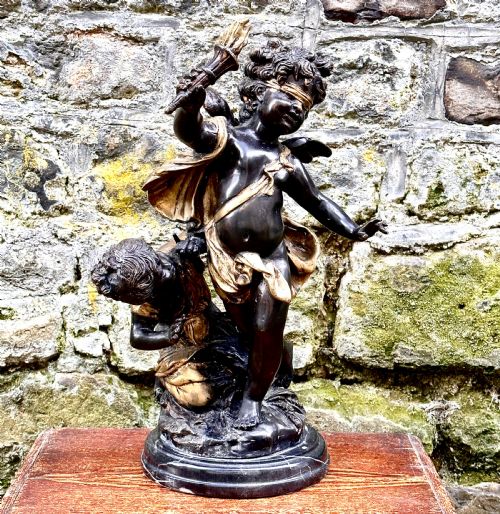
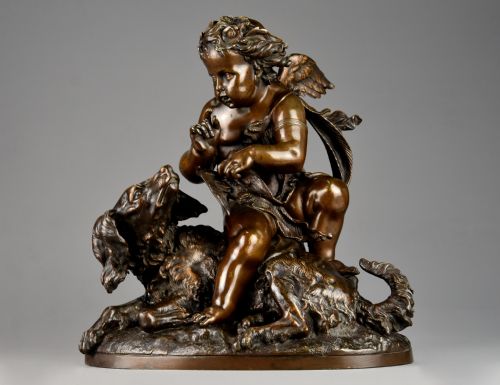
Figural lampbases often combine cast bronze maidens or cherubs with marble plinths.
How do I clean the bronze?
Dust the surface gently with a soft dry cloth to prevent the accumulation of grit in the recesses of the casting.
Avoid abrasive cleaners or polishes that can strip away the original patination from the metal.