




French Bronze Lady Sculpture
A french bronze lady sculpture brings nineteenth and twentieth-century elegance into a room through figures cast in metal and mounted on stone.
French Bronze Lady Sculpture
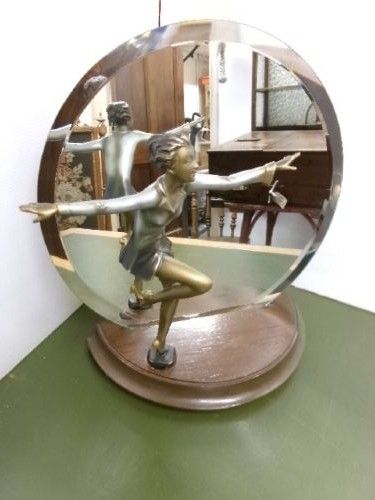
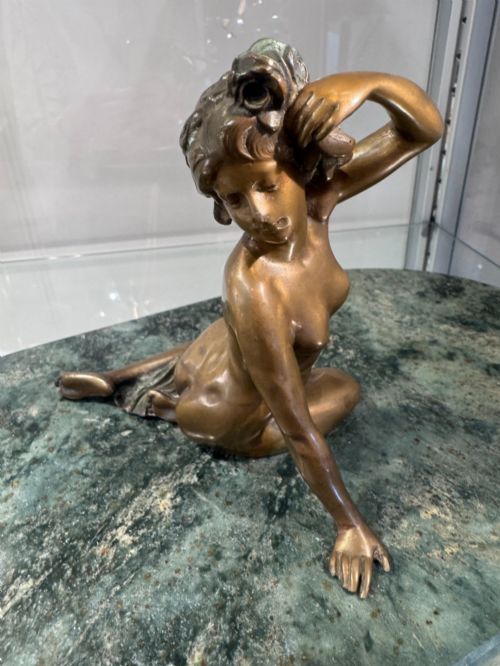
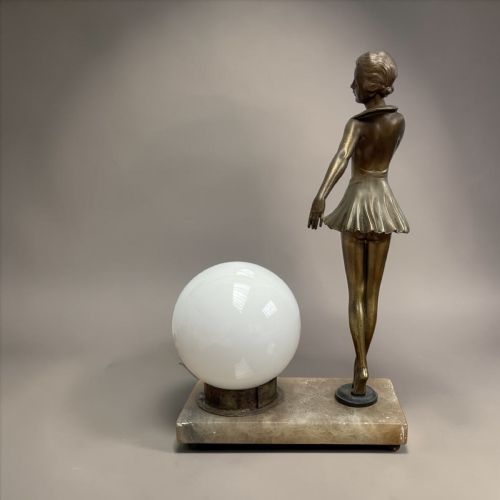
When you search for a french bronze lady sculpture, you encounter diverse representations of women spanning neoclassical robed figures, art nouveau maidens, and art deco dancers. These works appear as standalone statues, portrait busts, bookends, and functional table lamps or car mascots.
The versions most frequently met on this page range from late nineteenth-century classical interpretations to 1920s modernist designs. Makers utilised materials including patinated bronze, gilt bronze, and spelter, often pairing the metallic figures with bases of marble or onyx.
Materials and casting methods
Foundries produced these pieces using traditional metal casting techniques, primarily working with bronze or alternative alloys like spelter. Artisans applied patination, silvering, or gilding to finish the metallic surfaces of the female figures.
Sculptures frequently integrated mixed media components, mounting metal casts onto heavy plinths of natural stone such as marble or onyx. Some figural table lamps and decorative objects incorporated carved glass or wood elements alongside the metal work.
Listings feature works from the Victorian era through the 1930s, encompassing art nouveau, art deco, and neoclassical styles.
Distinctions in execution
The integration between the figure and its stone base marks another distinction, with superior pieces featuring custom-fitted marble or onyx plinths. Signed works by established sculptors demonstrate greater refinement in posture and expression.
Georges Van Der Straeten·Sylvain Kinsburger·Eurotrope Bouret·Demetre Chiparus·Geo Maxim·Maurice Bouval·Emmanuel Villanis·Pierre Hebert·Henri Honore Ple·Jose Dunach·A.Ouline
The French Bronze Lady Sculpture Glossary
- Spelter
- A zinc-based alloy utilised as an economical alternative to bronze during the nineteenth and twentieth centuries. It accepts patination well to mimic bronze finishes.
- Patinated bronze
- Metal treated with chemical solutions to produce a coloured surface layer, ranging from deep brown to green tones. This finish protects the metal and enhances sculptural depth.
- Chryselephantine
- A term describing a statuette made from a combination of bronze and ivory. These works gained popularity during the art deco period.
- Ormolu
- Finely ground high-carat gold applied to a bronze base using a mercury amalgamation process. The technique produces a rich golden decorative surface.
French Bronze Lady Sculpture: Frequently Asked Questions
How do I distinguish bronze from spelter?
Bronze is heavier, colder to the touch, and rings with a clear tone when tapped gently. Spelter is a softer zinc alloy that feels lighter and often shows grey metal beneath worn areas of patination.
Examining the underside or unexposed areas helps reveal the base metal composition. Bronze pieces also tend to exhibit sharper cast details than softer alloy alternatives.
Where should I place a figure lamp?
Figural lamps function well on sturdy side tables, desks, or mantelpieces where their illumination highlights the sculptural form. They require stable surfaces that can support both the weight of the metal figure and the stone base.
Ensure the electrical wiring meets modern safety standards before plugging in antique or vintage lighting fixtures. Position them away from direct sunlight to preserve the patinated surface finish.
How do I date art deco sculptures?
Art deco pieces typically date from the 1920s and 1930s, displaying characteristic geometric lines, stylised drapery, and dynamic movement. Common subjects include dancers, athletes, and modern figures paired with onyx or marble bases.
Signatures from known sculptors working during the interwar period provide reliable chronological markers. Comparing the costume and hairstyle to period fashion also aids in accurate dating.
How do I clean patinated bronze safely?
Dust the sculpture gently with a soft, dry brush or microfiber cloth to remove surface particles. Avoid using water, household cleaners, or metal polishes, which strip away the historic patination.
Occasional application of microcrystalline wax helps protect the metal surface from atmospheric moisture. Professional conservation is recommended for deep cleaning or restoration work.