

French Brass Desk Lamp
When you select a french brass desk lamp, you choose a functional piece of lighting shaped by the decorative standards of the nineteenth and early twentieth centuries.
French Brass Desk Lamp
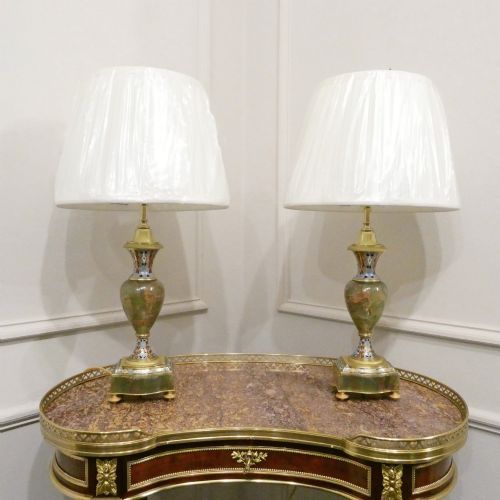
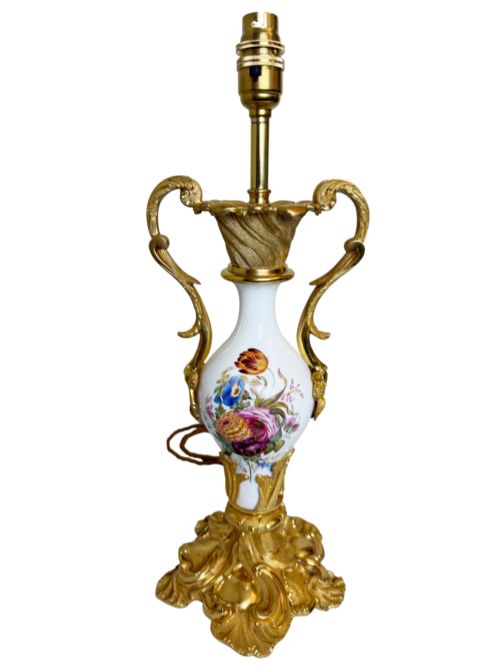
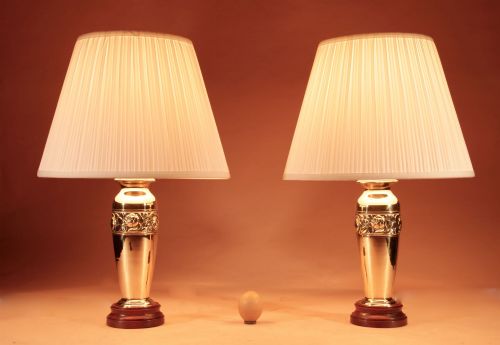
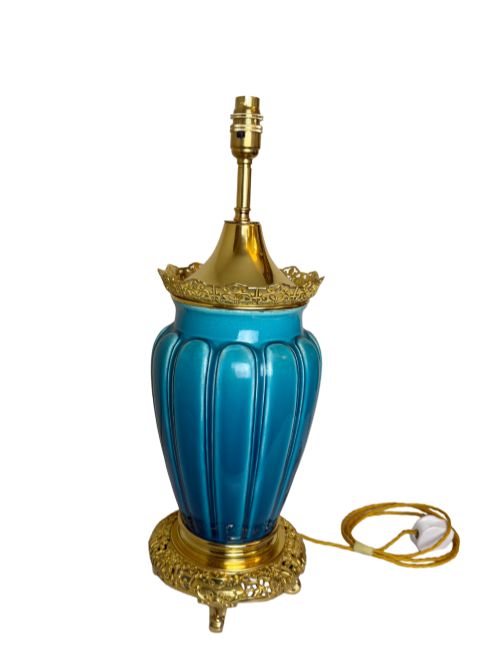
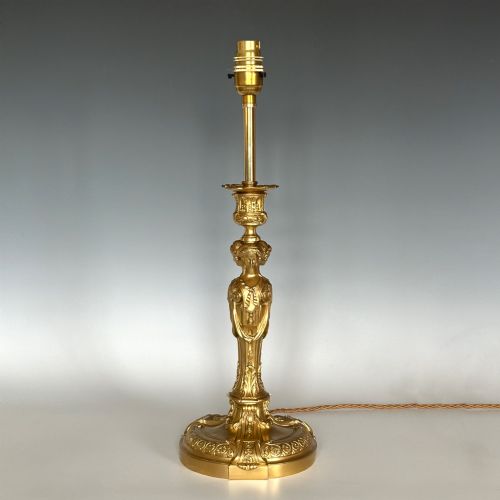
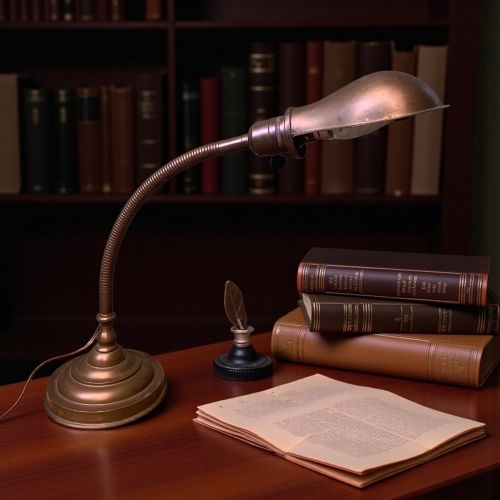
The phrase french brass desk lamp covers a wide range of task lighting and decorative illumination, from adjustable piano lamps to classical column bases and bouillotte designs. On this page, pieces from the nineteenth century onward appear frequently, reflecting varied stylistic movements including Art Nouveau, Empire, and Rococo Revival.
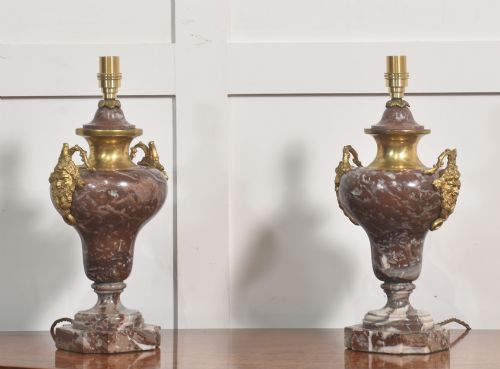
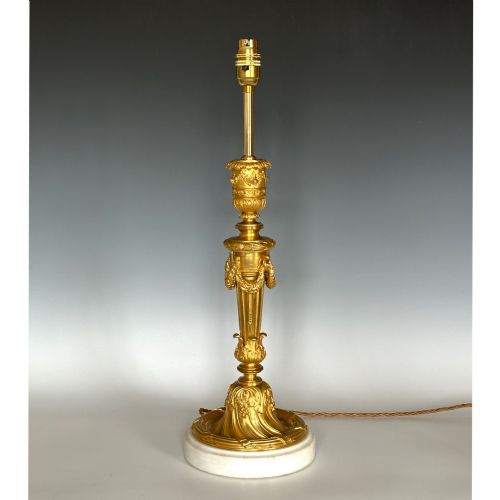
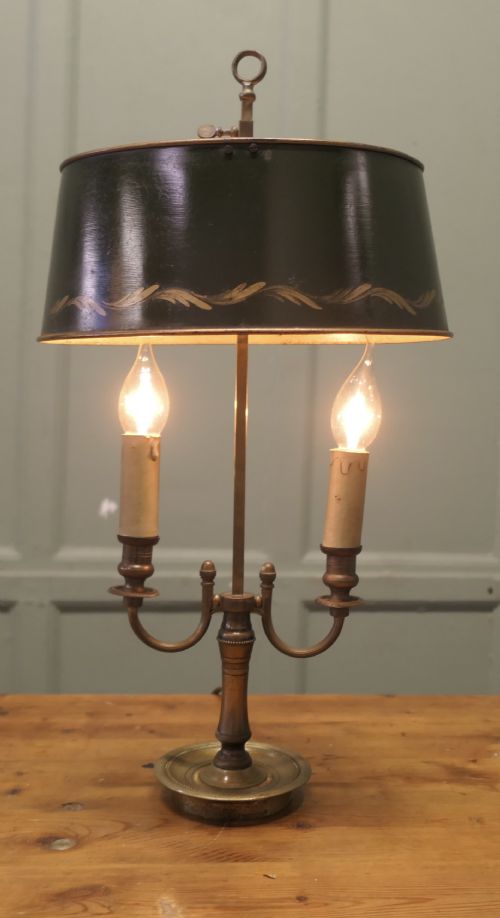
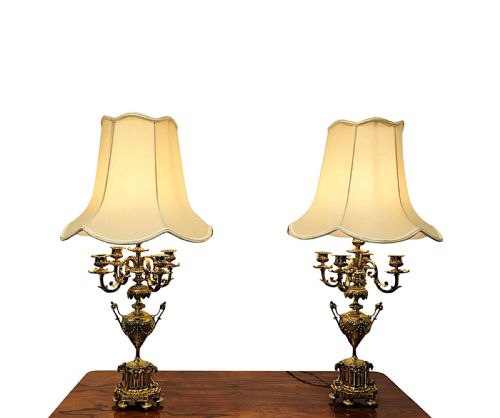
Buyers often encounter convertible candlesticks, toleware combinations with painted metal shades, and articulated brass structures designed for workspaces or reading tables. The forms bridge utility and ornament, frequently incorporating weighted bases of marble, onyx, or granite alongside cast metal bodies.
How They Were Made
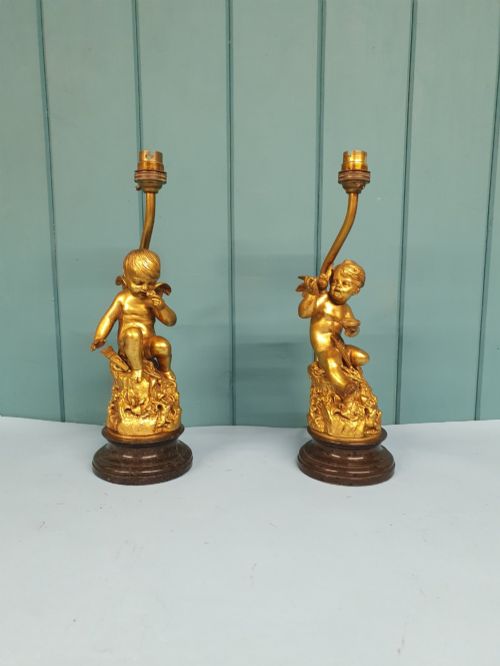
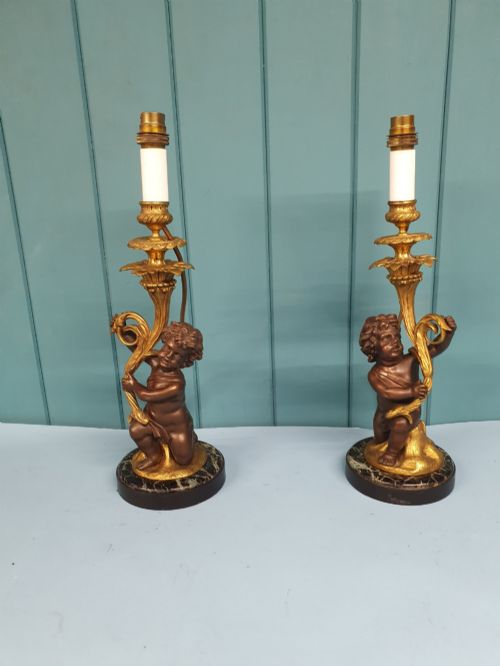
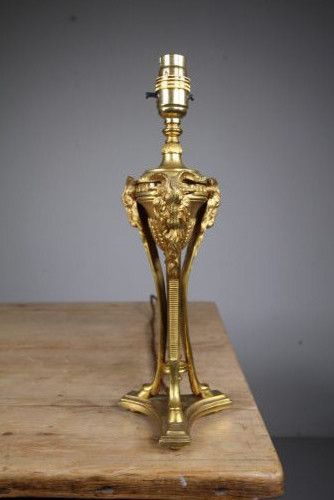
Construction relies heavily on cast brass, ormolu, and gilt bronze, often paired with contrasting natural elements such as rouge marble, onyx, and opaline or blown glass shades. Artisans utilised techniques of casting, chasing, and gilding to produce decorative motifs ranging from floral patterns to classical figures.
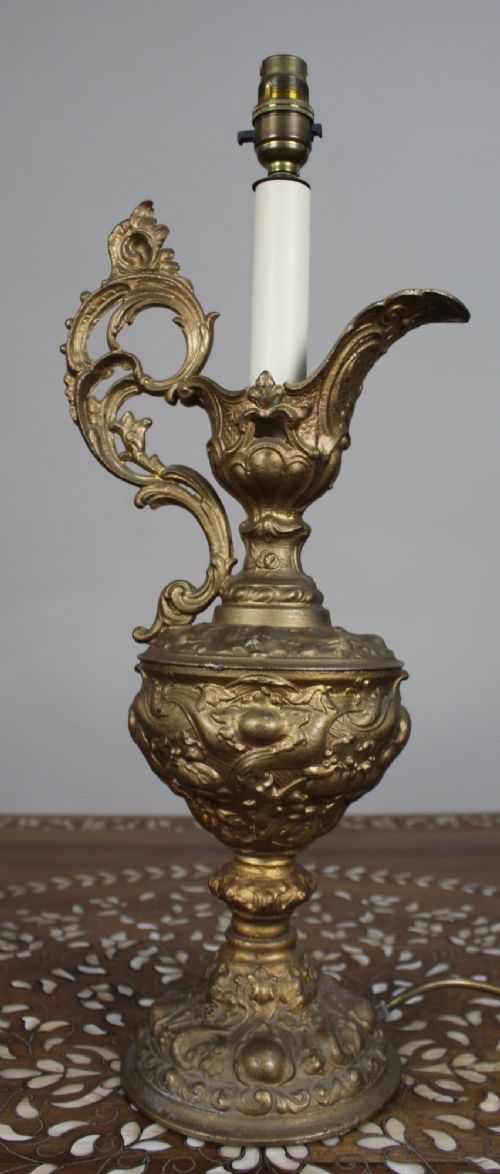
Many adjustable and articulated models incorporate mechanical joints, threaded fittings, and heavy weighted bases to ensure stability during desk use. Toleware components introduce painted tin elements, while converted pieces integrate older candelabra or oil lamp fittings into electrified wiring systems.
French Brass Desk Lamp Retail Price Guide 2026
Typical asking prices for french brass desk lamp among the pieces listed under this phrase on Sellingantiques today, from the lower quarter to the upper quarter. They describe what is for sale here now, not the wider market.
Listings feature brass, gilt bronze, and marble materials across styles from French Empire to Art Deco.
What Varies in Quality
The distinction between tiers of execution rests in the crispness of the metal chasing, the weight and purity of the materials, and the sophistication of the mechanical joints. Finer examples display deeply articulated casting details on foliage or figurative elements rather than smoothed, mass-produced surfaces.
Material selection dictates much of the physical presence, with solid bronze and heavy ormolu mounts outlasting lighter gilt metals. The integrity of the original shade, whether blown glass or painted toleware, contributes significantly to the cohesion of the object.
L and F Moreau·Guilmet
The French Brass Desk Lamp Glossary
- Ormolu
- Gilt bronze produced by applying a finely ground high-carat gold mercury amalgam to a bronze object. This technique imparts a rich, deep yellow surface texture characteristic of finer nineteenth-century metalwork.
- Bouillotte lamp
- A traditional desk or table lamp featuring a central shaft, one or more candle arms, and an adjustable painted metal shade. The design derives from an eighteenth-century card game of the same name.
- Toleware
- Painted or lacquered tinplate objects, commonly utilised for lamp shades and canisters. The painted surfaces frequently feature green, gold, or wine-coloured finishes with gilded accents.
- Opaline glass
- A pale, translucent white or tinted glass popular during the Victorian period. It diffuses light softly and appears frequently in period shade and body construction.
- Articulated
- Designed with movable joints or pivoting arms to direct light precisely. These mechanical adjustments are typical of piano and reading lamps from the early twentieth century.
French Brass Desk Lamp: Frequently Asked Questions
How do I date a brass desk lamp?
Dating relies on observing manufacturing techniques, material combinations, and stylistic markers such as Empire, Art Nouveau, or Rococo Revival details. Screw types, wiring methods, and the presence of hand-chased rather than cast-finished surfaces also provide chronological clues.
Heavier cast bronze and mercury gilding point toward earlier nineteenth-century production, while cleaner, streamlined forms often align with the 1920s and 1930s. Comparing the construction against documented historical examples helps narrow the decade.
Were these lamps originally electric?
Many older pieces began as oil lamps, gas fixtures, or candlesticks before later conversion to electricity. This adaptation was common practice as homes modernised throughout the late nineteenth and early twentieth centuries.
Evidence of conversion appears in altered burners, routed wiring channels, or threaded adaptors fitted to original metalwork. Such alterations do not diminish historical interest provided the core structure remains intact.
What is a bouillotte lamp used for?
Bouillotte lamps were designed to provide focused task illumination over card tables, desks, or reading areas. The adjustable shade allowed the user to lower or raise the metal disk to control glare.
In contemporary spaces, they function well on side tables or desks where directional light and classic silhouette are desired. The twin or triple candle arms offer ambient illumination suited to smaller spaces.
How should I clean antique brass?
Maintenance requires gentle dusting with a soft dry cloth to preserve the accumulated patina developed over decades. Avoid abrasive metal polishes that strip away original gilding or aged surface character.
If cleaning is necessary, mild soap and water applied sparingly with a soft brush will remove surface grime without harming the underlying metal or marble components.