
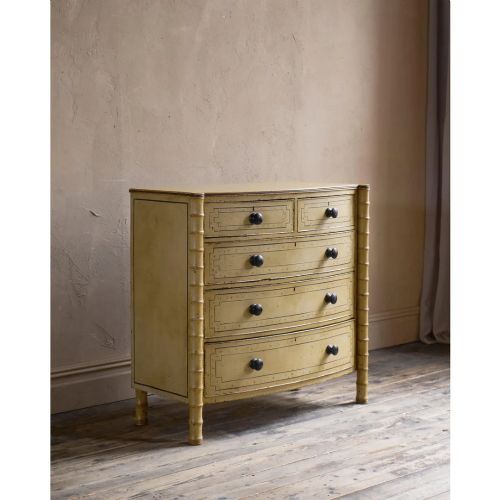
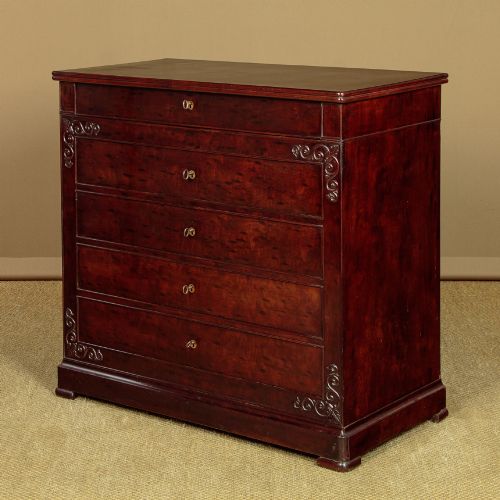
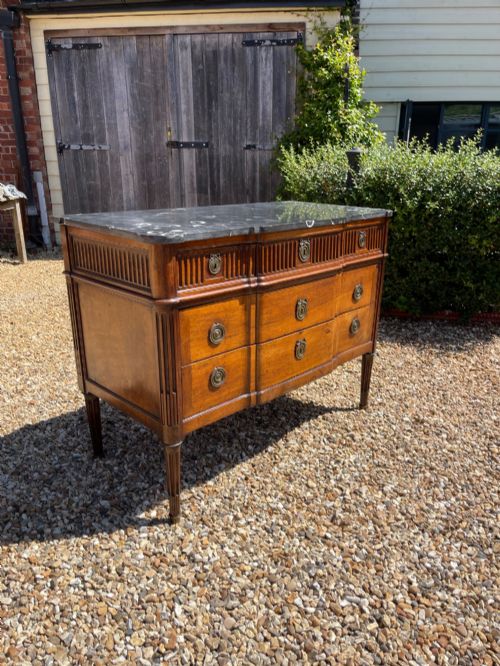
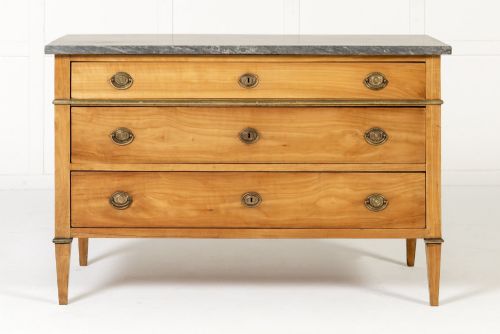
French Bedroom Chest Drawers
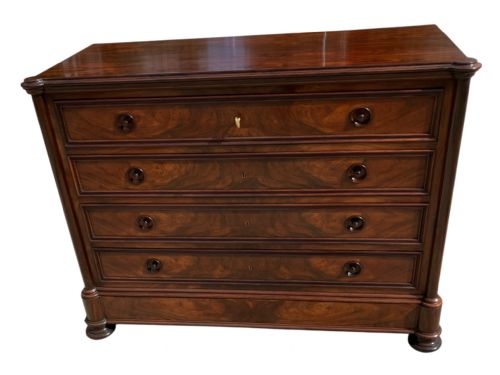
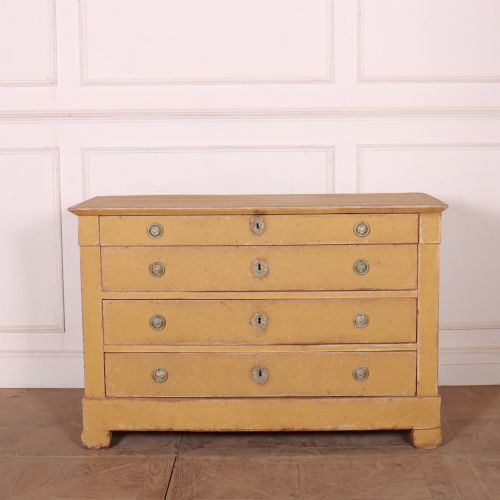
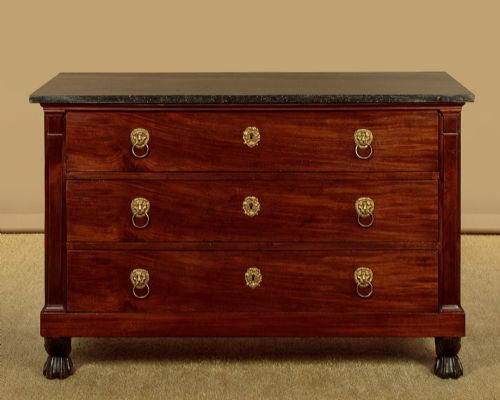
A french bedroom chest drawers brings proportion, storage and character to a room, ranging from provincial fruitwood to polished mahogany.
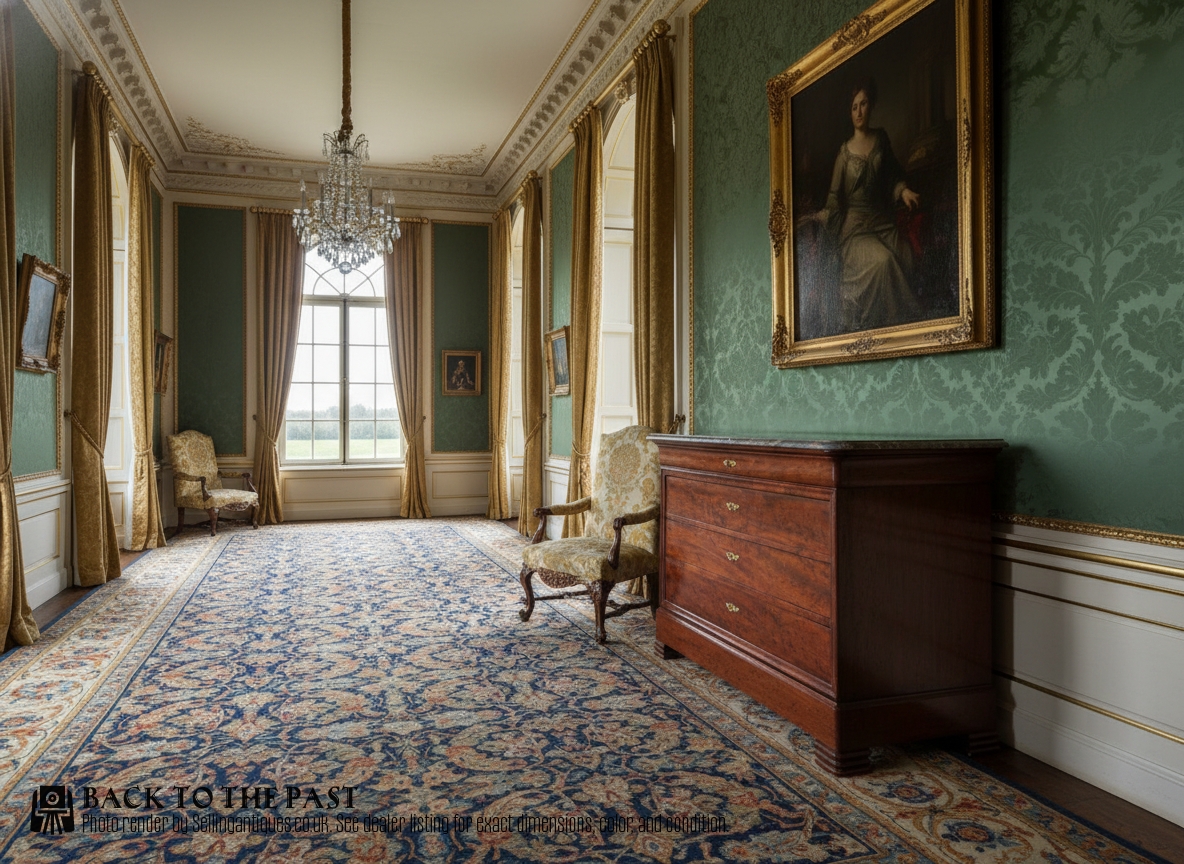
French Bedroom Chest Drawers
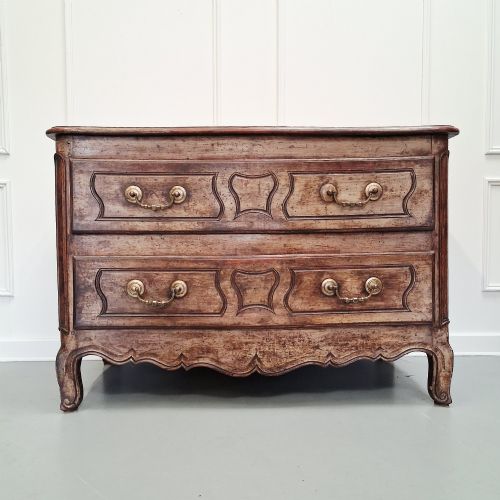
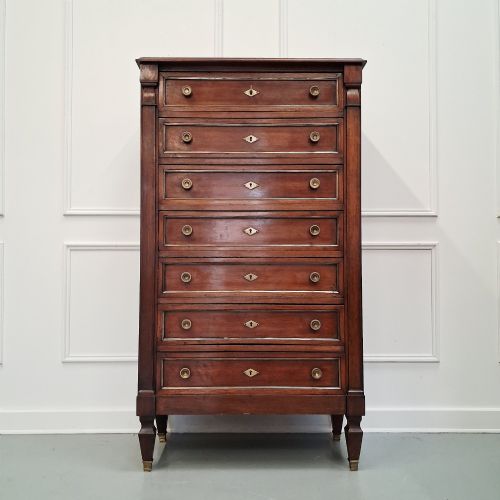
A french bedroom chest drawers serves as a functional storage piece originating from periods spanning the eighteenth century to the twentieth century. When searching for this phrase, buyers encounter commodes, semainiers and tallboys designed for domestic use.
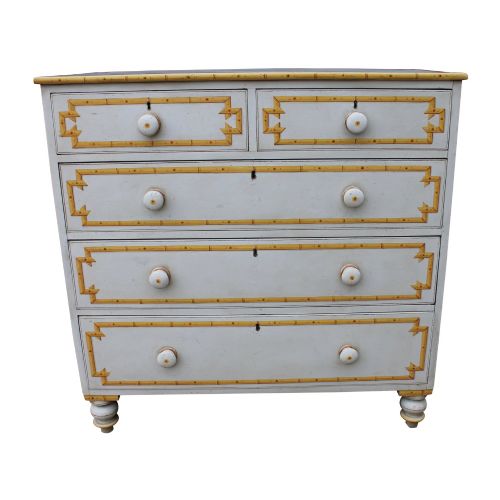
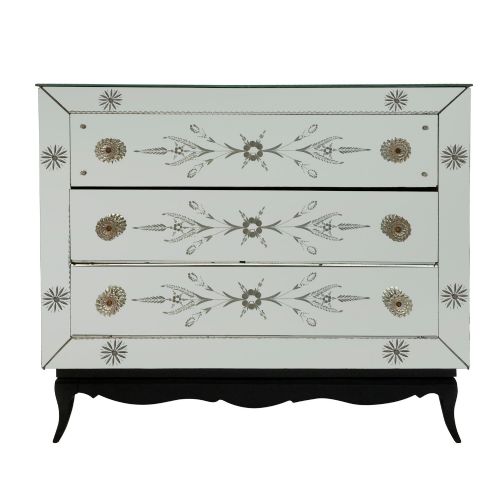
The nineteenth century is well represented, alongside pieces from the eighteenth and twentieth centuries. Regional variations include provincial walnut and cherrywood alongside formal mahogany, burr walnut and painted finishes.
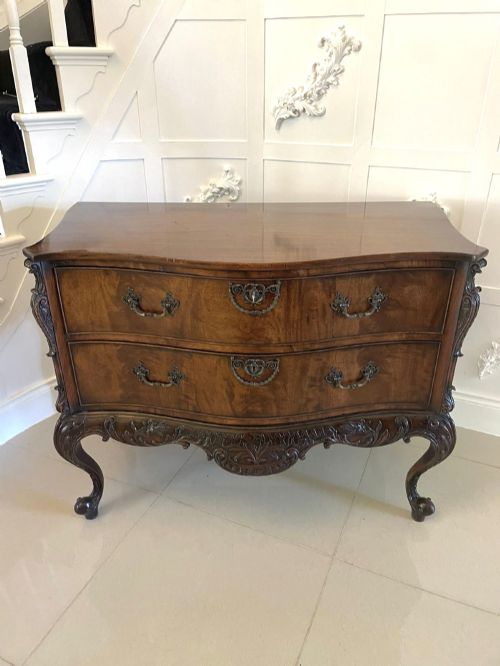
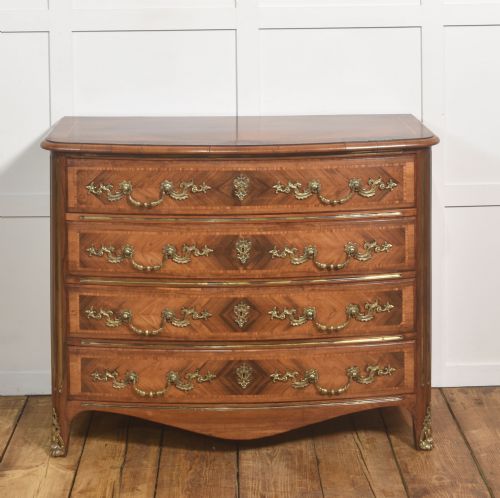
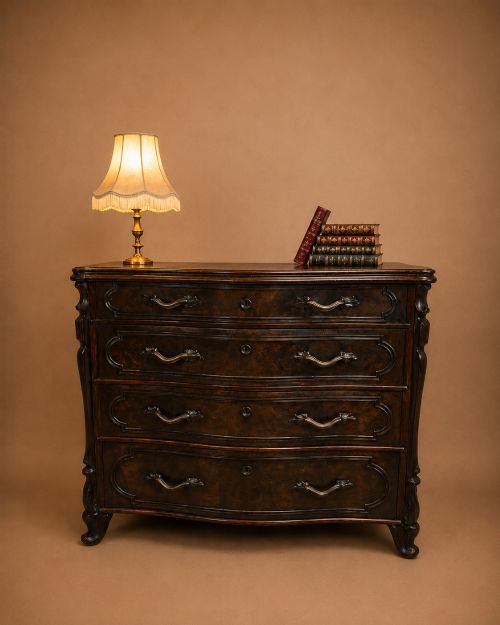
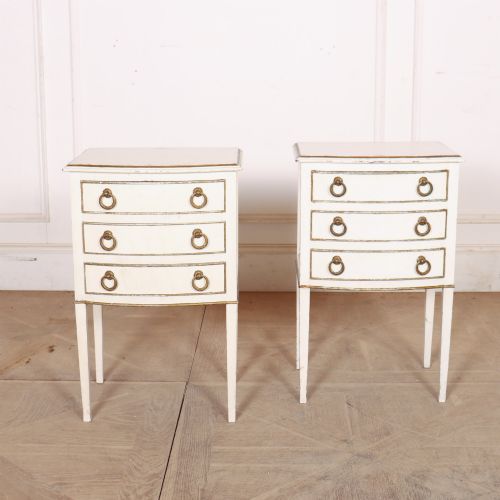
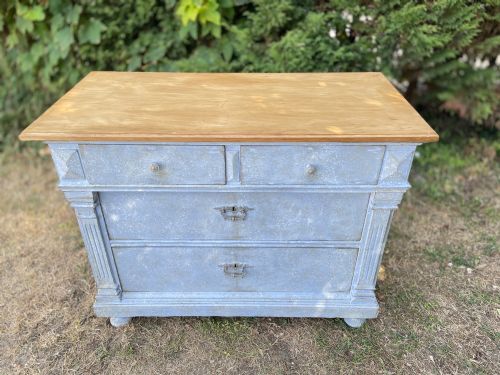
Forms include serpentine shapes, bombe profiles and straight fronts fitted with marble tops or wooden surfaces. These items function as bedside tables, dressing tables and principal bedroom storage.
How they were made
Construction relies on solid timbers such as walnut, mahogany, cherrywood, oak, pine and chestnut, often accented with burr veneers and marquetry patterns. Carcasses are joined using traditional cabinet-making methods suited to each period.
Marble tops in white, grey or coloured varieties sit atop many commodes, whilst brass handles and escutcheons complete the drawer fronts. Painted wood finishes and parchment covered drawers appear among specific regional and twentieth-century examples.
Periods represented span from the eighteenth century through to the nineteen thirties.
What varies in quality
The refinement of the timber figure and the execution of carved or inlaid details dictate the grade of a piece. Finer examples display precise marquetry, balanced proportions and high-grade marble slabs fitted cleanly to the carcass.
The integrity of the construction, movement of the drawers and originality of the brass mounts and handles distinguish standard provincial items from exceptional cabinet work.
Edwards and Roberts
The French Bedroom Chest Drawers Glossary
- Commode
- A low chest of drawers, often applied to continental pieces with marble tops.
- Semainier
- A tall, narrow chest of drawers traditionally fitted with seven drawers, one for each day of the week.
- Bombe
- A swelling, outward-curved contour found on the front and sides of eighteenth and nineteenth-century pieces.
- Serpentine
- A front shape curving inward centrally and outward at the ends in a continuous line.
- Marquetry
- Decorative patterns formed by the insertion of pieces of wood, veneer or other materials into a wooden base.
- Faux bamboo
- Wood turned and carved to imitate the segmented stalks of bamboo cane.
French Bedroom Chest Drawers: Frequently Asked Questions
What is a commode?
A commode is a low chest of drawers originating from continental Europe, frequently finished with a marble top and decorative brass hardware.
These pieces served primarily in bedrooms for storing linen and clothing while providing a decorative surface.
How do I date a chest?
Dating relies on timber choice, construction techniques, hardware style and overall form across different centuries.
Eighteenth-century examples often use fruitwoods with provincial carving, whereas nineteenth-century pieces frequently feature mahogany, walnut or marble tops.
Where were they used?
These items were built for domestic bedrooms and dressing rooms to hold garments, accessories and personal items.
Smaller versions functioned beside beds or washstands, whilst larger commodes stood against main bedroom walls.