





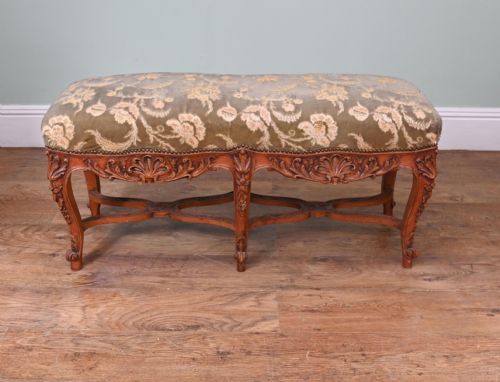

French Bed Bench
These french bed bench selections bring classic continental comfort to a room, offering low-slung seating and day-long repose.
French Bed Bench
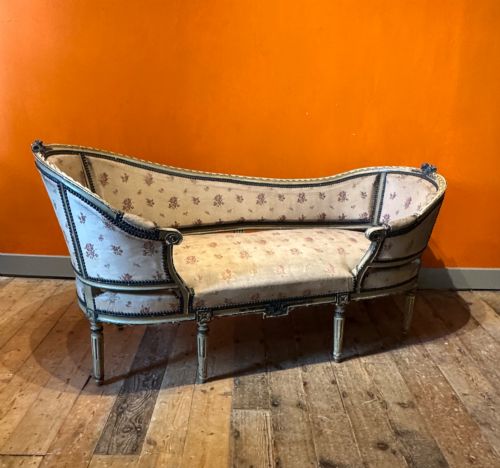
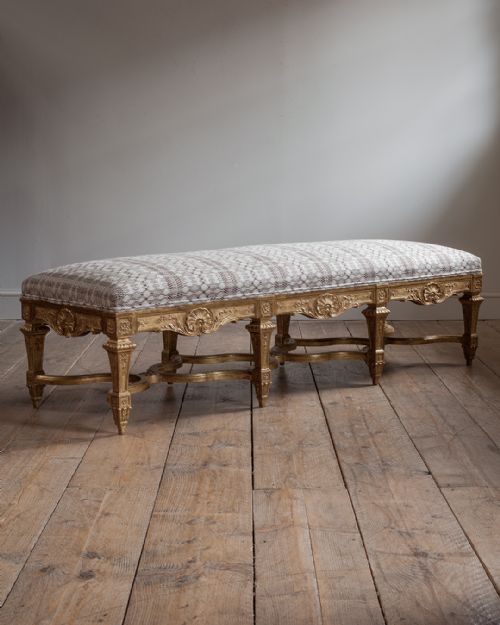
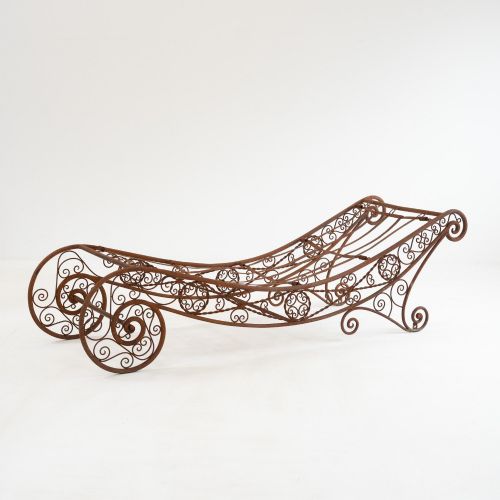
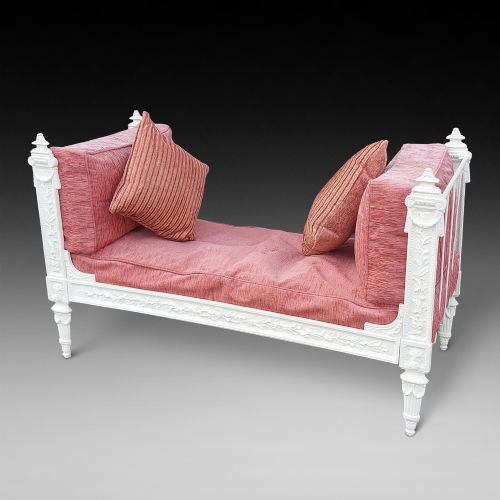
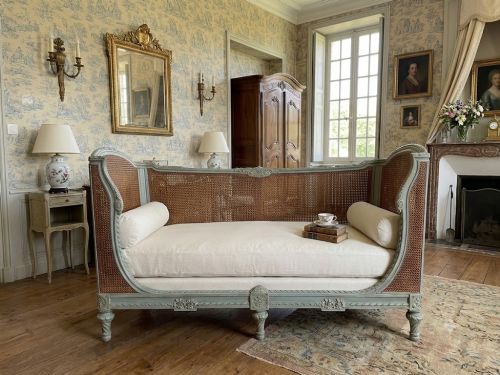
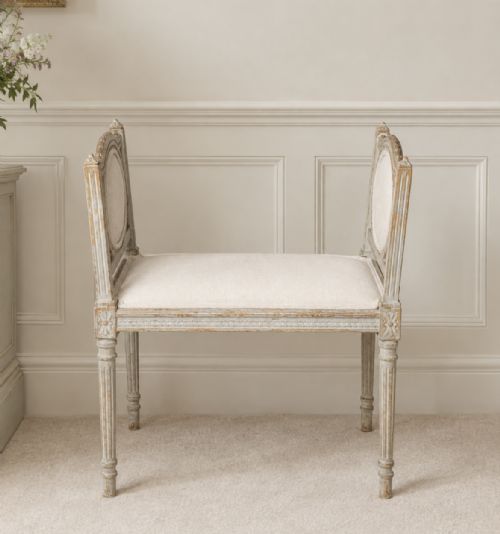
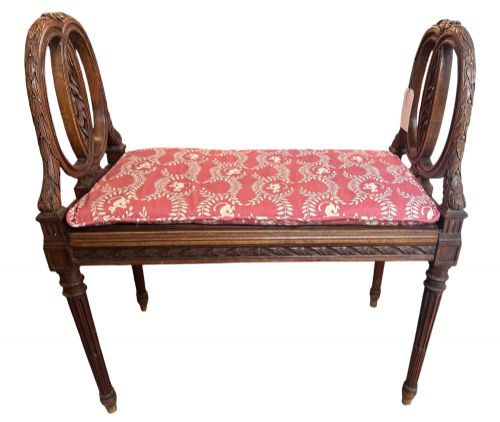
A french bed bench takes many forms across the inventory, ranging from carved walnut window seats to caned banquettes and wrought iron garden daybeds. These pieces serve as versatile long stools, daybeds, and chaise longues suited for end-of-bed placement or quiet corners.
Most examples hail from the nineteenth century or early decades of the twentieth, displaying regional influences from French provincial workshops to grand chateaux. Buyers encounter painted wood frames, gilded details, and traditional upholstery designed for extended lounging.
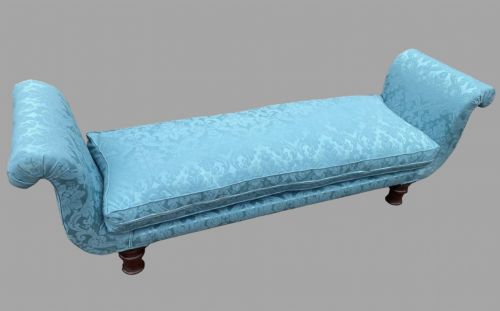
The assortment includes long stools, footboard benches, and sleigh day beds that adapt easily to contemporary interiors while retaining their historic proportions. Each piece provides a low profile and supportive structure derived from classical French seating traditions.
Materials and construction
Timbers such as beech, walnut, oak, and sycamore form the structural foundations, shaped into cabriole legs and curved frames through traditional joinery. Artisans frequently employed painted or ebonised finishes to alter the appearance of the underlying wood.
Cane work and woven materials appear alongside upholstered elements covered in fresh linen and varied fabrics. Metal variations utilise cast and wrought iron or brass to create sturdy daybed frames for indoor and garden use.
French Bed Bench Retail Price Guide 2026
Typical asking prices for french bed bench among the pieces listed under this phrase on Sellingantiques today, from the lower quarter to the upper quarter. They describe what is for sale here now, not the wider market.
One stubborn iron daybed has survived decades of outdoor fresh air without losing its stubborn French charm.
Distinguishing quality in design
The sophistication of the carved woodwork dictates the upper tier of the range, where hand-carved floral motifs and precise cabriole legs show superior artisan skill. Simpler painted or plain frames occupy a more utilitarian position in the hierarchy.
The integrity of the structural frame and the tightness of cane work or upholstery webbing separate refined examples from basic ones. Pieces retaining original surface treatments hold greater interest than those subjected to heavy modern alterations.
The French Bed Bench Glossary
- Canapé Corbeille
- A basket-shaped sofa or day bed featuring a rounded, enclosed back and sides. This style wraps the sitter in carved upholstery.
- Lit Bateau
- A boat bed design featuring scrolled head and foot boards of equal or near-equal height. The graceful curve mimics the sweep of a vessel.
- Cabriole Leg
- A furniture leg that curves outward at the knee and tapers inward to an ankle or foot. It draws inspiration from the natural leap of a goat.
- Giltwood
- Timber coated with a thin layer of gold leaf or powder. This finish adds a reflective, luxurious sheen to formal seating frames.
- Banquette
- A long upholstered bench or seat designed for domestic rooms. It bridges the gap between a stool and a full settee.
French Bed Bench: Frequently Asked Questions
What is the difference between a daybed and a window seat?
A daybed offers sufficient length for full recumbent resting, often featuring elevated ends or backs reminiscent of small beds.
Window seats are generally shallower and longer, built specifically to sit neatly beneath low window frames.
Where should I place a french bed bench in my home?
These pieces fit naturally at the foot of a double bed as a dressing seat or luggage stand.
They also function effectively in hallways, living rooms, and garden rooms for casual seating.
How do I identify Louis XVI style pieces?
Louis XVI furniture leans towards straight lines, symmetrical forms, and classical geometric ornamentation.
Look for fluted straight legs rather than the curved cabriole shapes found in earlier rococo designs.
Are these benches comfortable for daily use?
Many examples feature supportive sprung or padded upholstery covered in modern or traditional fabrics.
Cane versions offer firm support and accommodate loose cushions for added softness.