
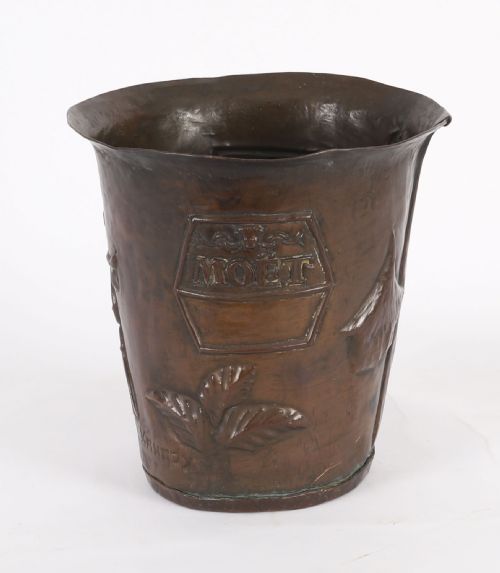


French Barware Champagne Cooler
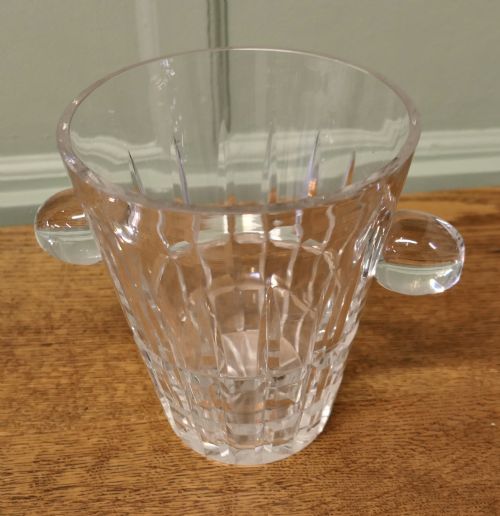
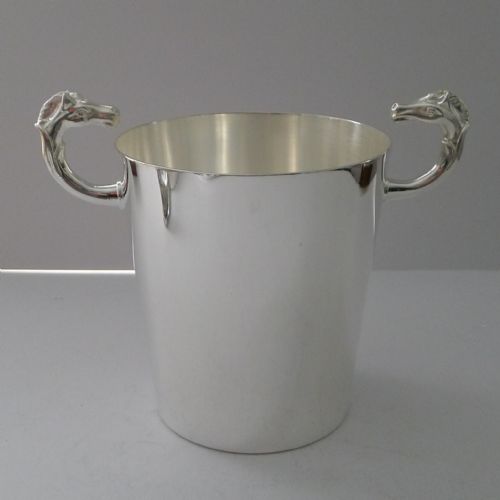
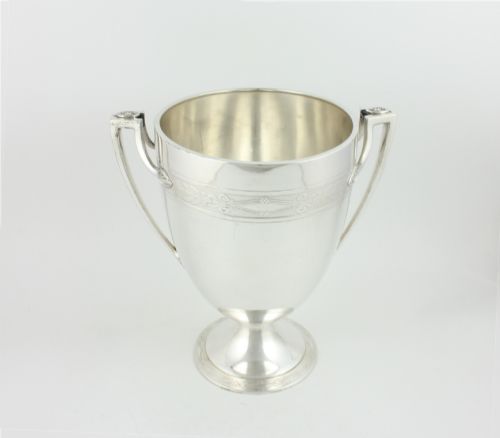
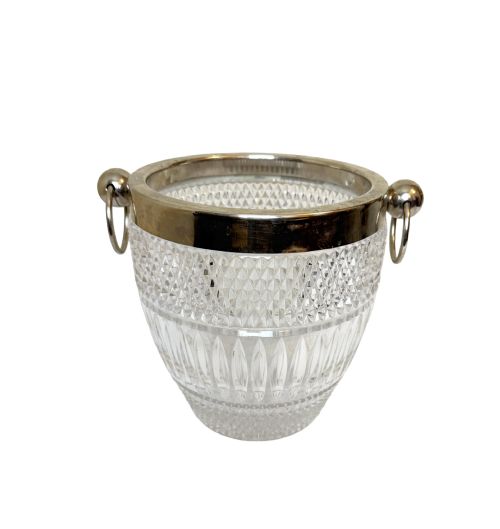
These french barware champagne cooler pieces bring silver plate, crystal and brass to the table, offering elegance for entertaining.
French Barware Champagne Cooler
A french barware champagne cooler serves as a practical vessel for chilling wine and champagne during gatherings. Buyers seek these objects for their decorative presence as much as their utility on a dining or cocktail table.
The selections span distinct historical periods from the Victorian era and Belle Epoque through Art Deco and Mid-Century Modern designs. Forms include straightforward ice buckets, large wine coolers, and footed vessels designed for table service.
Most examples originate from French workshops and major makers, presenting materials such as silver plate, cut crystal, copper, and brass. Pieces range from simple cylindrical buckets to elaborate trophied vessels with handles and mounts.
Quality and Execution
Superior examples demonstrate substantial weight in the metal and depth in the cut crystal facets. The reputation of the maker and the crispness of chased or embossed details elevate certain vessels above standard production pieces.
The integrity of the silver plating and the secure attachment of handles, mounts, and bases dictate the longevity and finish of the object. Master silversmiths achieved balanced proportions and clean geometric or organic lines that define superior design.
Materials recorded across these pieces include copper, brass, glass, and heavy silver-plate.
Christofle·Hermes Paris·Ercuis Paris·Luc Lanel·Lino Sabatinni
The French Barware Champagne Cooler Glossary
- Silver Plate
- A base metal substrate coated with a thin layer of silver. This technique provided the appearance of solid silver at a more accessible cost for domestic barware.
- Art Deco
- A design style characterised by sleek geometric lines and stylised motifs. It flourished during the nineteen-twenties and nineteen-thirties.
- Belle Epoque
- A period of optimism and cultural abundance in France lasting from the late nineteenth century until the First World War. Objects from this time often incorporate ornate floral and organic ornamentation.
- Cut Crystal
- Glass containing lead oxide that is hand-cut and polished to create sharp facets. This process increases the refractive index and weight of the vessel.
- Gilt Bronze
- Bronze metal treated with a fine layer of gold gilding. It provides durable decorative mounts for glass and ceramic bodies.
French Barware Champagne Cooler: Frequently Asked Questions
How do I clean a silver plated champagne cooler?
Wash the vessel gently in warm soapy water using a soft cloth to remove residue. Avoid abrasive brushes or harsh chemical dips that strip the silver plate.
Dry the metal thoroughly with a soft towel to prevent water spots. Apply a specialised silver polish sparingly only when necessary to maintain the finish.
Can these vintage coolers hold ice all evening?
Most vintage metal and crystal vessels lack modern thermal insulation linings. They function best when filled directly with ice and water to chill bottles efficiently during a meal.
Placing the vessel on a coaster or linen mat protects polished table surfaces from condensation. Metal walls conduct temperature quickly to cool the bottle contents.
How do I date an Art Deco cooler?
Examine the geometric forms, stepped profiles, and specific maker marks stamped on the base. Pieces from this era often feature streamlined symmetry and minimal ornamentation compared to earlier Victorian styles.
Consulting maker archives helps narrow the production window to the interwar decades. Chrome and heavily plated base metals also became prominent during this period.
What is the difference between a wine cooler and an ice bucket?
Wine and champagne coolers generally feature taller, deeper bodies designed to accommodate a bottle alongside ice and water. Ice buckets tend to be squatter and wider, intended primarily for holding ice cubes for drinks.
Many period pieces serve both functions interchangeably depending on the setting. Handles and internal capacity offer clues to the original intended use.