



French Art Sculpture
These pieces of french art sculpture span from the nineteenth century into the mid twentieth century, offering buyers figures, animals, and decorative objects cast in metal or carved in glass.
French Art Sculpture
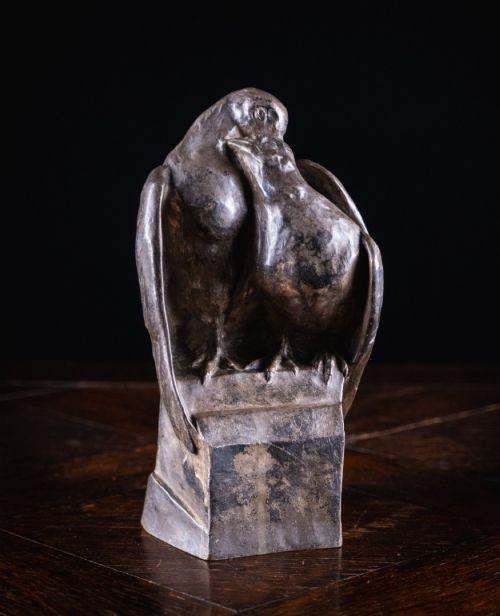
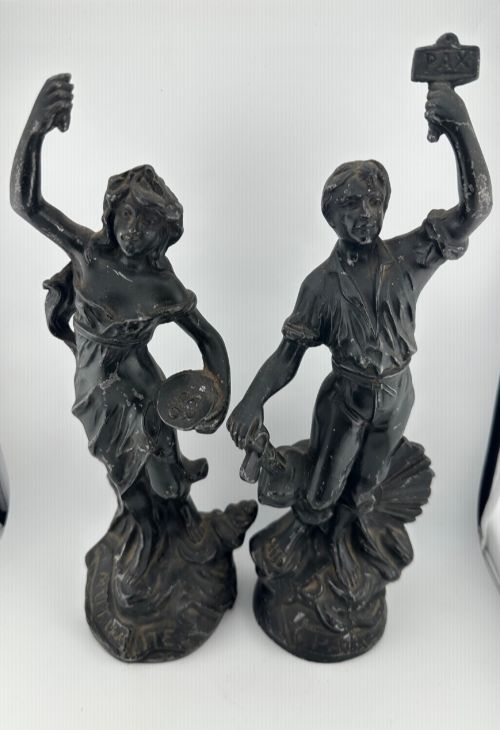
A french art sculpture search uncovers a diverse range of objects, spanning from classical nineteenth-century figures to bold twentieth-century creations. Buyers encounter everything from substantial animal bronzes and allegorical spelter figures to delicate glass paperweights and architectural fragments.
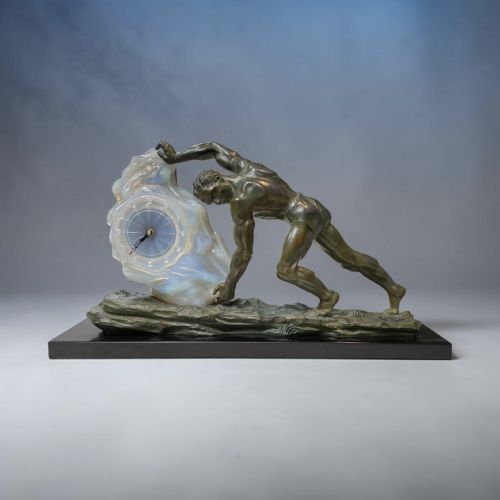
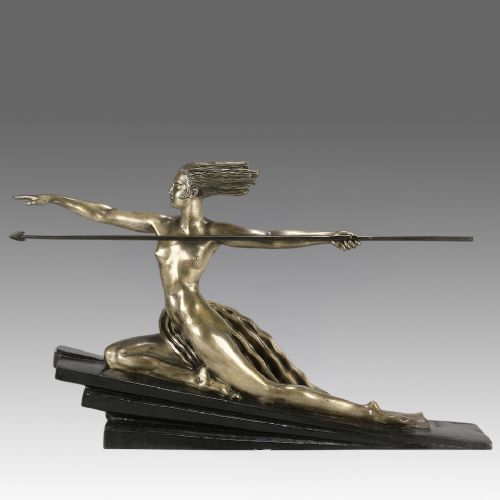
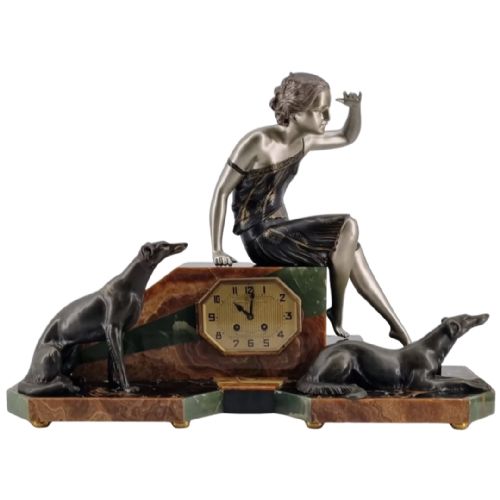
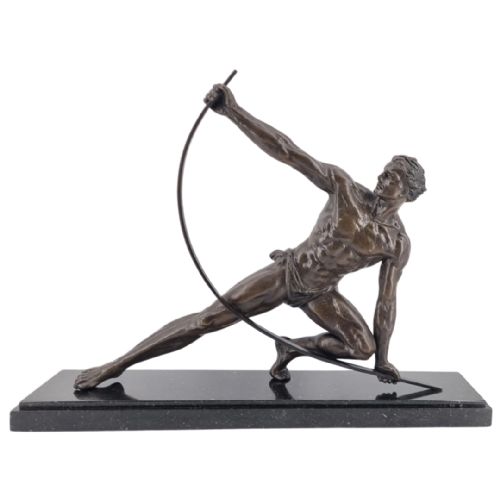
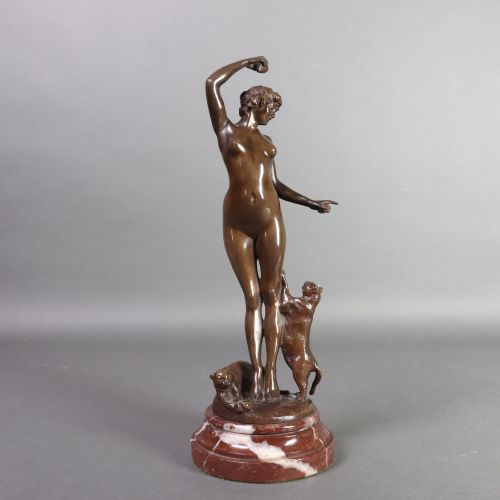
The selection on this page leans heavily into twentieth-century production, particularly the Art Deco and Art Nouveau movements. Works capturing dancers, athletes, animals, and female forms dominate the offerings alongside functional pieces like inkwells and figural clocks.
Origins trace directly to french workshops, foundries, and studios operating across the nineteenth and twentieth centuries. These items reflect the shifting aesthetic tastes of the period, moving from neoclassical and ecclesiastical traditions toward stylised modernist designs.
Materials and construction methods
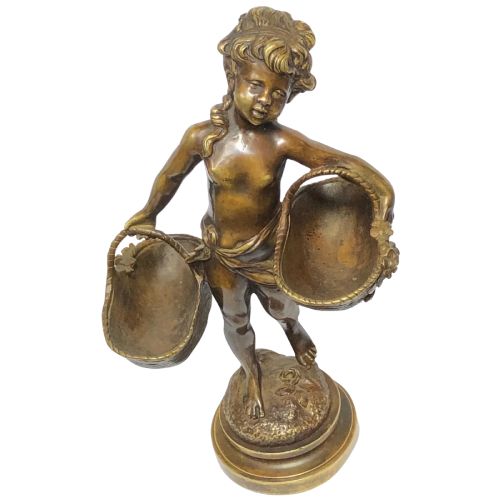
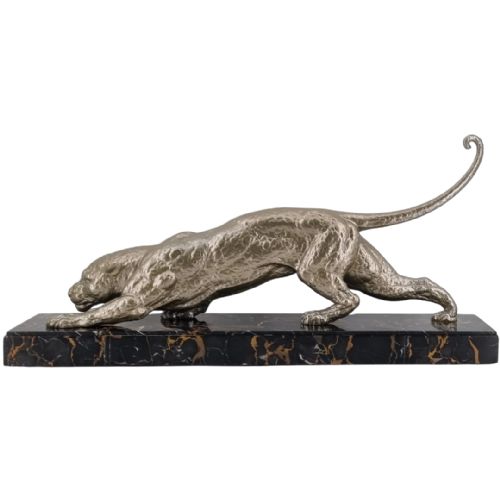
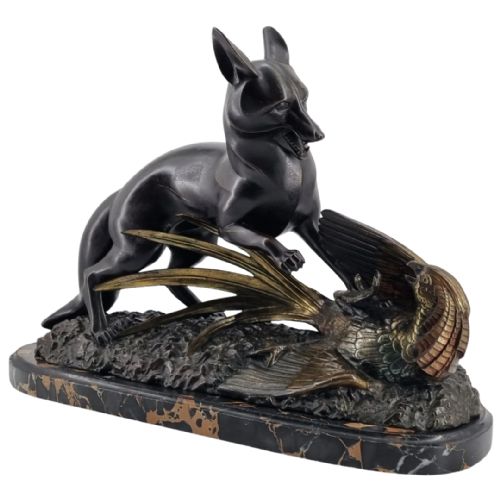
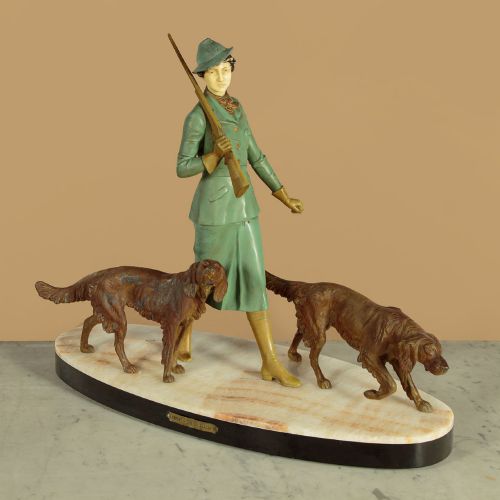
Foundries utilised bronze, gilt bronze, patinated metal, and spelter as primary casting materials for figural works and animal groups. Many of these metal sculptures incorporate integrated or fitted marble bases for stability and contrast.
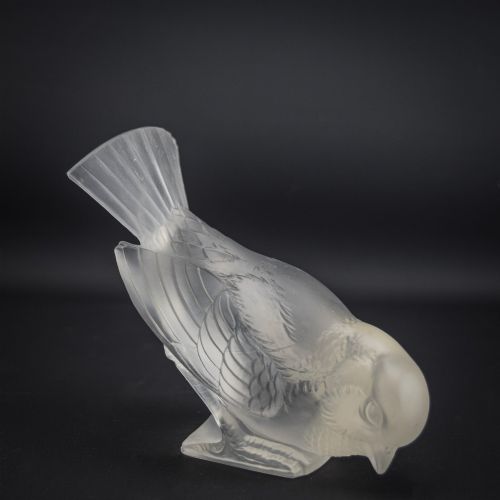
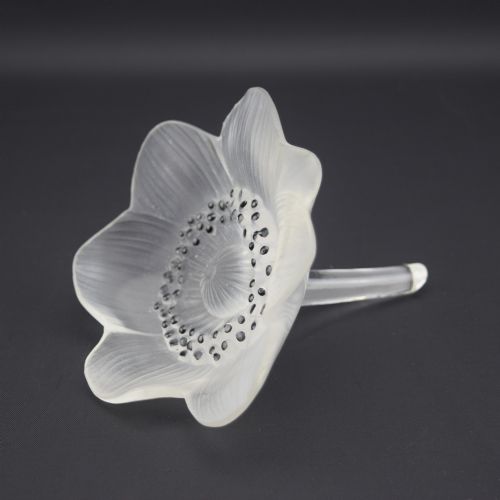
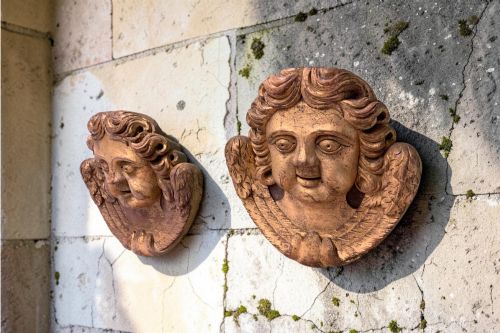
Glass production relied on moulding techniques, producing frosted glass paperweights, vases, and crystal pieces with crisp surface detail. Wood and carved elements appear less frequently, representing decorative wall reliefs, church carvings, and folk art models.
French Art Sculpture Retail Price Guide 2026
Typical asking prices for french art sculpture among the pieces listed under this phrase on Sellingantiques today, from the lower quarter to the upper quarter. They describe what is for sale here now, not the wider market.
Object forms on this page range from figural lamps and inkwells to large animal sculptures and delicate glass paperweights.
Distinctions in execution and finish
Material choice and base construction also define the grade of an object. Heavy patinated bronze mounted on genuine marble holds a distinct position compared to lighter spelter figures finished with metallic paint.
Rene Lalique·Auguste Moreau·Gustave Dussart·D H Chiparus·Mathurin Moreau
The French Art Sculpture Glossary
- Spelter
- A zinc-based alloy commonly utilised as an affordable alternative to bronze for figural sculpture during the late nineteenth and early twentieth centuries. It often received a bronze-coloured or painted finish.
- Patination
- The chemical treatment or natural weathering applied to the surface of a metal sculpture to alter its colour and add depth. This process protects the underlying material while enhancing visual contrast.
- Cold painted
- A technique where enamel or oil paint is applied directly to an unheated metal sculpture, often seen on early twentieth-century animal and dancer figures.
- Art Deco
- A design movement of the 1920s and 1930s characterised by streamlined geometric forms, stylised animal motifs, and dynamic depictions of speed and movement.
French Art Sculpture: Frequently Asked Questions
What is spelter sculpture?
Spelter is an alloy of zinc and lead that sculptors used as a cost-effective substitute for bronze, particularly during the late nineteenth and early twentieth centuries.
Items made from this material are generally lighter than bronze and typically feature a surface coating or metallic paint to mimic a genuine bronze finish.
How do I identify Art Deco pieces?
Art Deco works usually display stylised geometric lines, sleek contours, and motifs inspired by speed, modern machinery, and exotic cultures.
Common subjects include athletic figures, leaping panthers, and dancers captured in motion, frequently mounted on solid marble bases.
Where were these sculptures made?
These items originated in France, produced across various Parisian foundries, glass studios, and artisan workshops during the nineteenth and twentieth centuries.
Many bear signatures, foundry marks, or inscriptions directly on the metal or marble base indicating the creator or producing studio.
How should I display heavy metal sculptures?
Heavy bronze and spelter pieces require stable, level surfaces capable of supporting substantial weight, particularly when mounted on stone or marble bases.
Keeping them away from direct heat sources and moisture helps preserve the integrity of the original patination and any applied surface finishes.