

French Art Pair
These french art pair selections bring symmetry to interiors through matched lighting, seating, and decorative panels from across the centuries.
French Art Pair
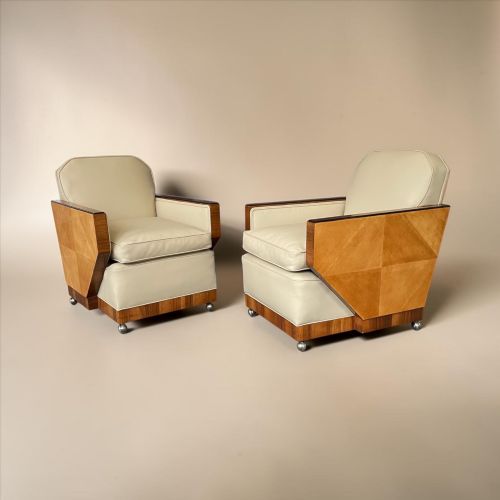
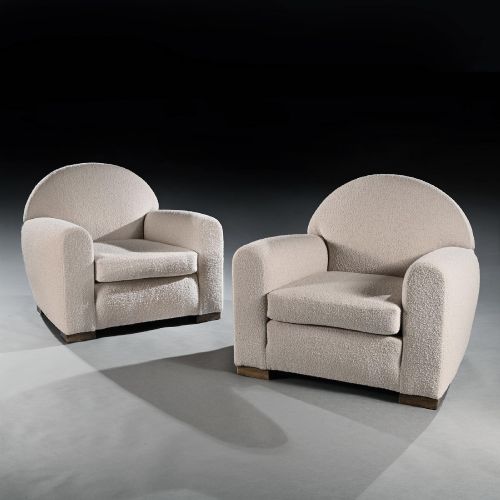
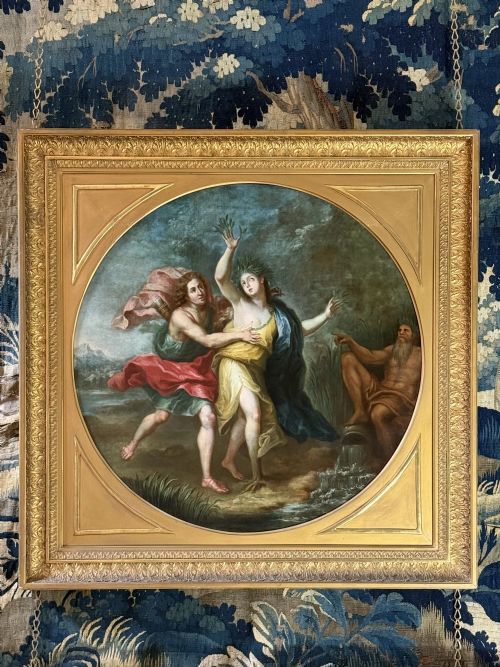
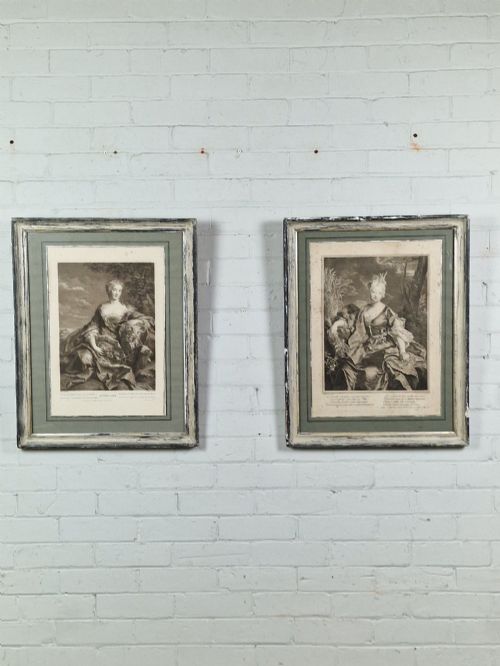
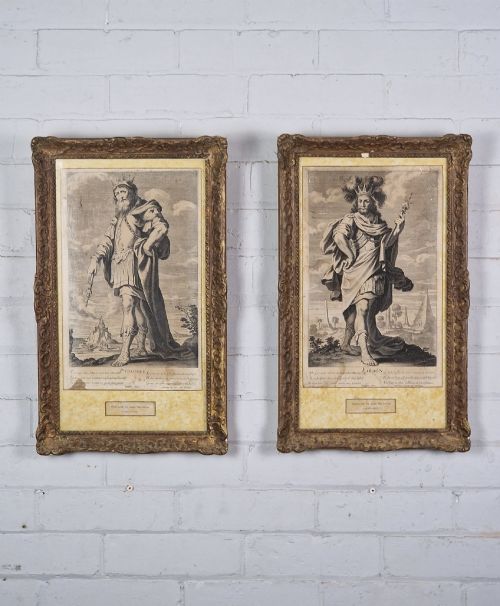
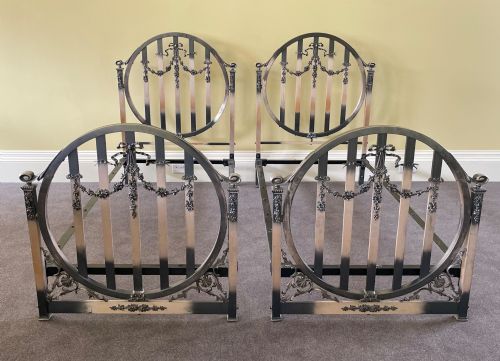
A french art pair comprises matched dual items spanning seating, lighting, wall art, and decorative objects created in France. These items range from eighteenth-century classical oil paintings and engravings to twentieth-century Art Deco club chairs and nickel-plated bed frames.
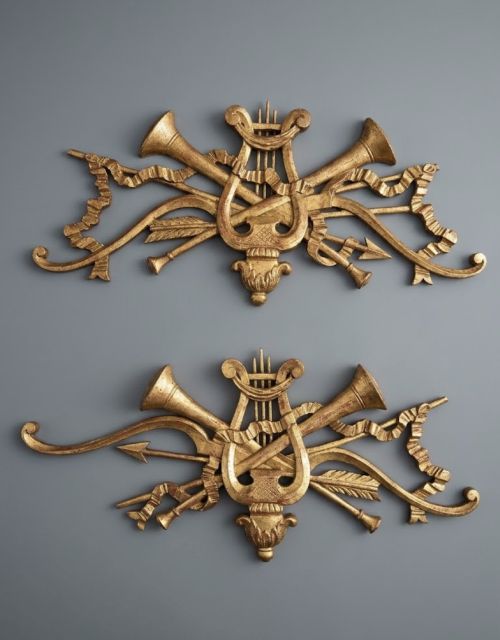
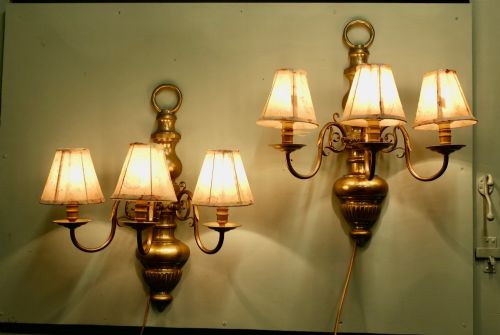
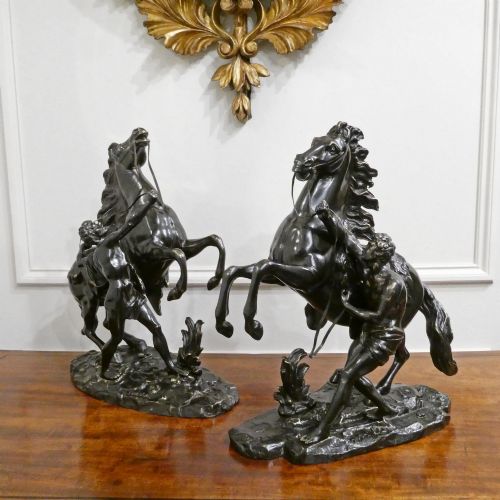
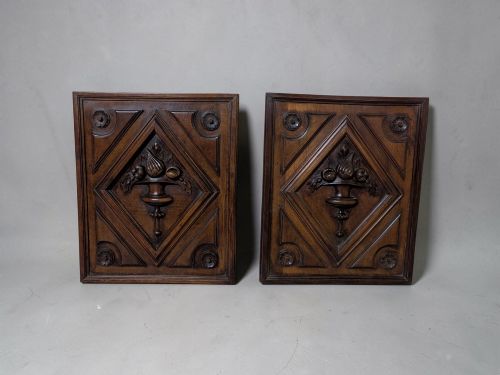
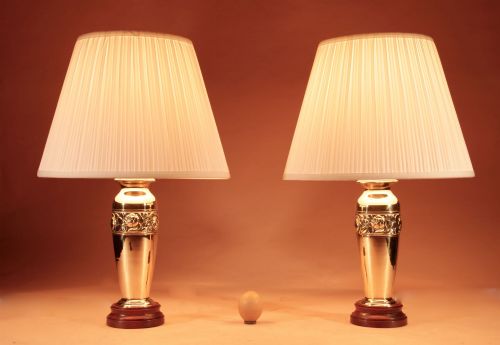
Buyers encounter distinct forms, including carved wooden panels, faience vases, bronze sculptures, and brass table lamps. The selection draws heavily on periods running from the seventeenth century through to the mid twentieth century.
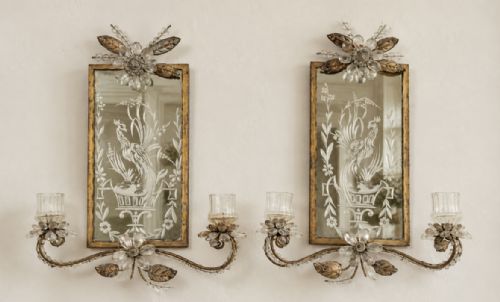
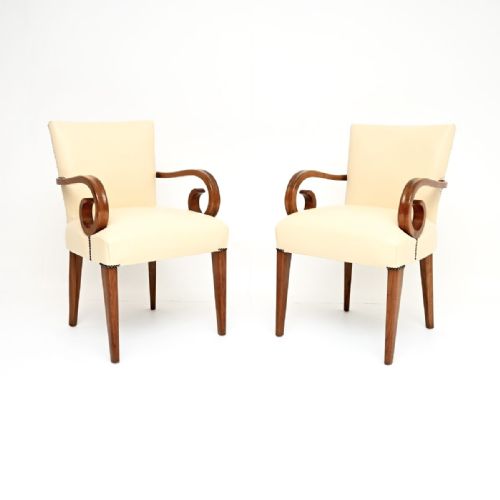
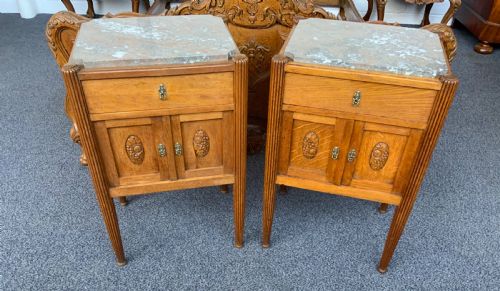
Armchairs in leather, walnut, and mahogany appear frequently alongside sconces, bedside cabinets, and plant stands with marble tops. Each pair shares design motifs, materials, and scale intended to balance a room when placed together.
Materials and construction
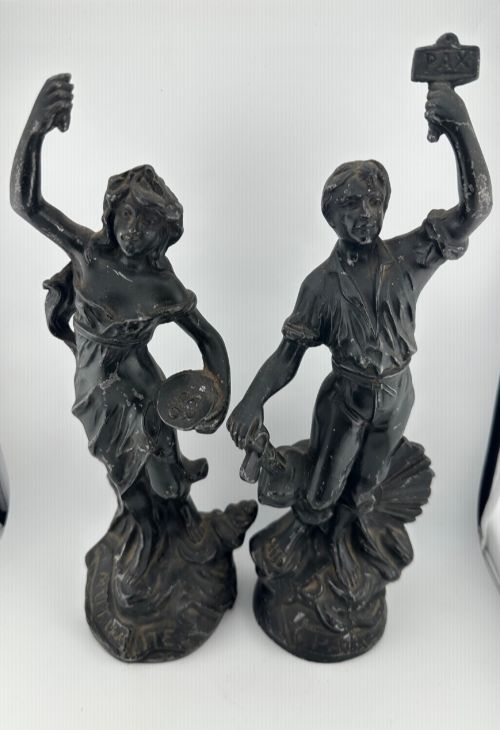
Makers shaped these pieces using solid timbers like walnut, oak, mahogany, and assorted domestic and exotic woods for furniture frames, cabinets, and carved wall panels. Metalwork incorporates cast bronze, brass, spelter, and nickel plating, frequently paired with marble table tops.
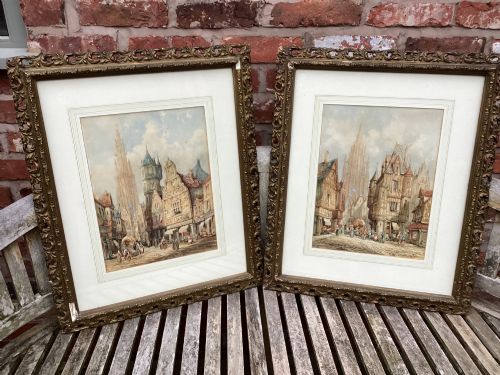
Works on paper and canvas utilise traditional oils, watercolours, gouache, and engravings set within tailored frames. Glass elements span blown Baccarat crystal vessels, Art Nouveau serpent cufflinks, and decorative vases.
Upholstered items combine supportive internal frames with leather, silk embroidery, and button-backed cushioning. Surface finishes display hand-carved details, painted decorative motifs, and patinated metallic treatments.
French Art Pair Retail Price Guide 2026
Typical asking prices for french art pair among the pieces listed under this phrase on Sellingantiques today, from the lower quarter to the upper quarter. They describe what is for sale here now, not the wider market.
Design styles span Art Deco, Art Nouveau, Neoclassical, Baroque, Rococo, and French Country aesthetics.
Judging the range
Quality rests in the precision of the hand-carved woodwork, the crispness of cast bronzes and spelter figures, and the integrity of original frames and surfaces. Master painters and known workshops achieve distinct depth and proportion in oil paintings, engravings, and decorative panels.
Durability in seating depends on the retention of supportive inner framing and the supple condition of period leather or silk textiles. Glassware and ceramics display superior clarity, defined mouldings, and intact hand-painted or acid-etched glazes.
Maison Bagues·CHARLES-ANTOINE COYPEL·Jean Mariette·Th.Thibault·Frederique Cederlund-Ozanne·R Lalique·Demarteau·Jean Antoine Houdon
The French Art Pair Glossary
- Spelter
- A zinc alloy used as a substitute for bronze in decorative figures and sculptures. It often received bronze or painted finishes to mimic heavier metal.
- Faience
- Tin-glazed earthenware produced across French potteries. It provides a smooth white ground for colourful hand-painted botanical or figurative designs.
- Verdure tapestry
- Woven wall hangings dominated by foliage, trees, and landscape scenery. They frequently incorporate mythological or pastoral figures.
- Garniture
- A set of decorative objects, typically a central clock flanked by matching vases or urns. They formed symmetrical mantelpiece displays.
- Trompe l'oeil
- An artistic technique designed to create an optical illusion of three-dimensional space on a flat surface. It often depicts cherubs, architectural elements, or objects.
French Art Pair: Frequently Asked Questions
How are matching pairs displayed in a room?
Matched items like sconces, table lamps, or armchairs achieve visual balance when positioned symmetrically around a focal point such as a fireplace or window. Placing them on opposite sides of a space creates order and structural harmony.
Smaller objects like faience pin trays or bedside cabinets work effectively when set on matching furniture surfaces to unify a room's decorative scheme.
What defines Art Deco French furniture?
Art Deco pieces from France emphasise clean geometric lines, streamlined forms, and luxurious materials such as burr walnut, mahogany, and polished brass. They prioritize functional elegance without heavy ornamentation.
Club chairs and bedside cabinets from this era combine sturdy internal frames with rich leather upholstery and dark wood veneers.
How do I care for leather club armchairs?
Leather seating requires consistent conditioning with appropriate balms to prevent the hide from drying and cracking over time. Keeping them away from direct sunlight and heat sources preserves the natural colour and suppleness.
Regular dusting with a soft cloth maintains the surface patina without stripping the historical finish.
What is the difference between an engraving and an oil painting?
Engravings are printed works produced by incising an image onto a metal plate and transferring ink onto paper. They offer precise linear detail and monochromatic or hand-tinted tones.
Oil paintings utilise pigments suspended in drying oil applied to canvas or wood panels, allowing for rich colour depth, layered textures, and blended brushwork.